When it comes to protecting your property, understanding how wind speed roof damage occurs is crucial for homeowners, small business owners, and developers alike. The roof is your first line of defense against the elements, but high winds can compromise its integrity in ways that aren’t always obvious at first glance. Whether you’re managing a commercial property or simply want to keep your home secure, knowing how wind speed impacts roof damage and repairs can save you time, money, and stress. In this comprehensive guide, we’ll explore the science behind wind speed roof damage, the signs to watch for, and how to make informed decisions about repairs and maintenance. By the end, you’ll feel empowered to safeguard your investment and respond proactively to the risks posed by severe weather. Let’s dive into the factors that make wind such a formidable force for roofs in our community and how you can stay one step ahead.
How Wind Speed Roof Damage Impacts Bloomfield Hills
Wind speed roof damage is a significant concern for property owners in the area, where seasonal storms and unpredictable gusts can test even the most robust roofing systems. The way wind interacts with your roof depends on several factors, including the shape and slope of your roof, the materials used, and the quality of installation. In this community, roofs are often exposed to varying wind speeds throughout the year, with spring and fall bringing particularly strong gusts. When wind speeds increase, they can create uplift forces that pry shingles or tiles loose, expose underlayment, and even cause structural components to shift or crack. Over time, repeated exposure to high winds can weaken fasteners, degrade flashing, and open up vulnerabilities that allow water intrusion. For small business owners, this means potential interruptions to operations and costly repairs if damage goes unnoticed. Regular inspections are essential, especially after major wind events, to catch issues early and prevent minor problems from escalating. If you’re unsure about the condition of your roof or need expert advice, learn more about local services that can help you assess and address wind speed roof damage before it leads to bigger headaches.
Wind Speed Roof Damage in Bloomfield Hills, MI
Understanding wind speed roof damage in Bloomfield Hills, MI, requires a closer look at how local weather patterns influence the frequency and severity of roof issues. The region experiences a mix of moderate to severe wind events, with occasional storms that can push wind speeds well above safe thresholds for many roofing materials. Asphalt shingles, for example, are commonly rated for wind speeds up to 110 mph, but older or improperly installed roofs may fail at much lower speeds. The risk is not limited to catastrophic storms; even moderate winds can cause cumulative wear and tear, especially on aging roofs. Business owners and residents should be aware that insurance policies often have specific requirements for documenting wind-related roof repairs. Prompt action after a storm, including taking photos and contacting professionals, can streamline the claims process and ensure you get the support you need. For those seeking assistance with wind-related roof repairs, working with local experts who understand the unique challenges of the area can make all the difference in restoring your property efficiently and effectively.
Wind Speed Roof Damage in Bloomfield Hills Michigan
When discussing wind speed roof damage in Bloomfield Hills Michigan, it’s important to recognize the specific vulnerabilities that local buildings face. The combination of mature trees, varied roof designs, and fluctuating weather conditions means that roofs here are often subjected to debris impact and wind-driven rain in addition to high winds. Commercial properties, in particular, may have flat or low-slope roofs that are more susceptible to wind uplift and membrane damage. For general readers and developers, understanding the local building codes and recommended roofing materials can help reduce the risk of wind speed roof damage. Investing in impact-resistant shingles or reinforced roofing systems can provide an extra layer of protection, especially for properties located in exposed areas. Regular maintenance, including clearing gutters and trimming overhanging branches, also plays a key role in minimizing damage. If you need guidance on best practices or want to connect with trusted professionals, Bloomfield Construction offers a wealth of experience in helping property owners fortify their roofs against the challenges posed by wind speed roof damage in this city.
The Science Behind Wind Speed Roof Damage
To truly appreciate how wind speed roof damage occurs, it helps to understand the science behind wind pressure and uplift. As wind moves across a roof, it creates areas of high and low pressure. The edges and corners of a roof are particularly vulnerable, as wind can create suction that lifts shingles, tiles, or even entire sections of roofing material. The faster the wind, the greater the uplift force, which can exceed the holding power of nails, screws, or adhesives used during installation. Over time, repeated exposure to strong winds can loosen fasteners, crack sealants, and cause materials to deteriorate. Certain roof shapes, such as gabled or hip roofs, are better at deflecting wind, while flat roofs may experience more direct pressure. Material choice also matters: metal roofs, for example, tend to perform better in high winds than traditional asphalt shingles. By understanding these dynamics, property owners can make informed decisions about upgrades or repairs that will help their roofs withstand future wind events.
Common Signs of Wind Speed Roof Damage
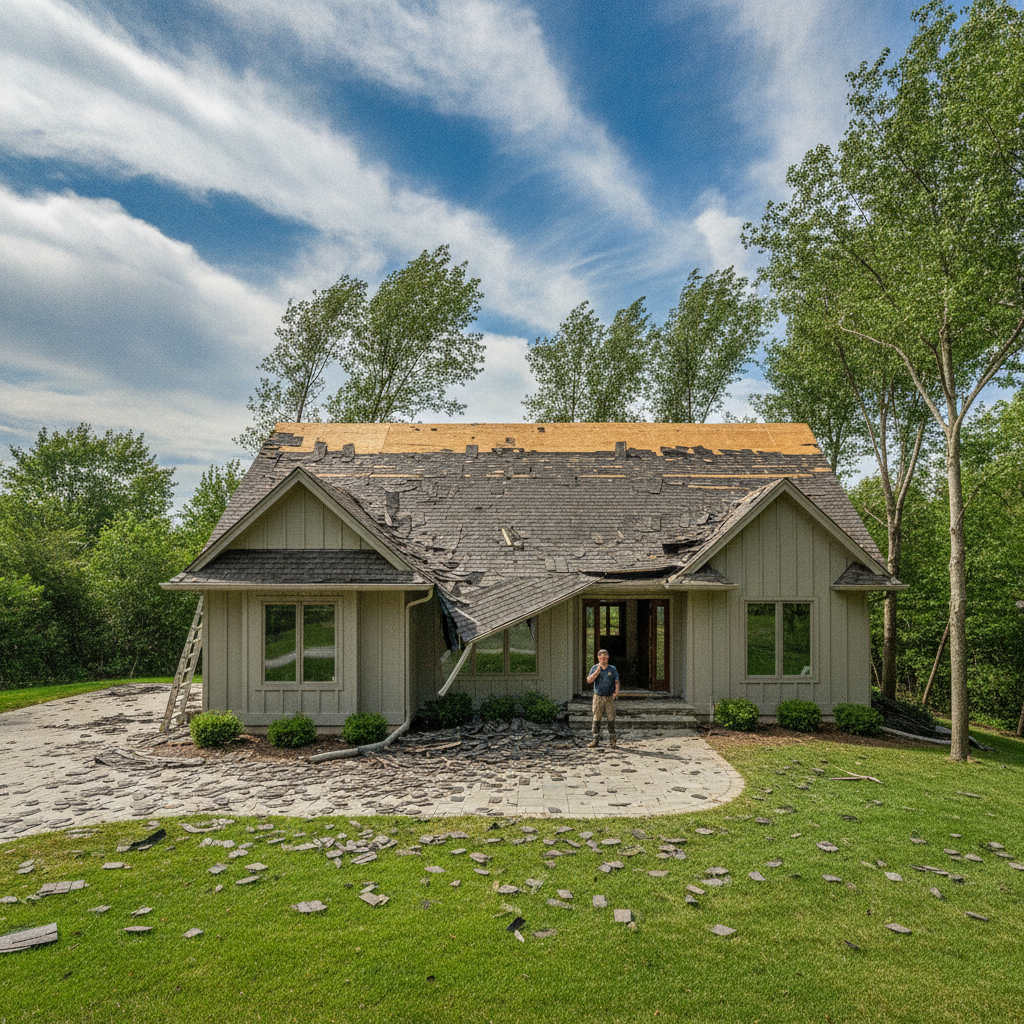
Spotting wind speed roof damage early can prevent minor issues from turning into major repairs. Some of the most common signs include missing or lifted shingles, bent or damaged flashing, and debris accumulation on the roof or in gutters. Indoors, you might notice water stains on ceilings or walls, which can indicate that wind-driven rain has found its way through compromised roofing materials. Granule loss from asphalt shingles is another telltale sign, as high winds can strip away the protective surface, leaving your roof vulnerable to UV damage and leaks. In some cases, you may even hear unusual noises during storms, such as flapping or banging, which suggest that parts of the roof are loose. Regular visual inspections, especially after wind events, are essential for catching these issues early. If you’re unsure what to look for, consider scheduling a professional inspection to ensure your roof remains in top condition.
Factors That Increase Risk of Wind Speed Roof Damage
Several factors can increase the risk of wind speed roof damage, making some properties more susceptible than others. Age is a major consideration, as older roofs may have weakened materials and outdated installation methods that don’t meet current wind resistance standards. The type of roofing material also plays a role; for example, lightweight shingles are more likely to be lifted by strong winds than heavier tiles or metal panels. The presence of nearby trees or structures can create wind tunnels or cause debris to strike the roof, compounding potential damage. Roof design matters as well: complex shapes with multiple valleys, dormers, or overhangs can create turbulence that increases uplift forces. Finally, poor maintenance, such as clogged gutters or loose flashing, can leave your roof vulnerable to wind-driven water and debris. By addressing these risk factors proactively, you can reduce the likelihood of costly repairs after severe weather.
Wind Speed Ratings and Roofing Materials
Not all roofing materials are created equal when it comes to withstanding wind speed roof damage. Manufacturers test and rate their products for wind resistance, providing guidelines that help property owners choose the right materials for their location. For example, standard asphalt shingles may be rated for wind speeds up to 110 mph, while premium or impact-resistant shingles can handle gusts of 130 mph or more. Metal roofing systems often offer even higher wind resistance, making them a popular choice for areas prone to severe storms. Tile roofs, while heavy and durable, can still suffer from uplift if not properly anchored. When selecting roofing materials, it’s important to consider both the typical wind speeds in your region and the specific vulnerabilities of your building. Consulting with a roofing professional can help you weigh the pros and cons of different materials and ensure your roof is up to the challenge.
| Roofing Material | Typical Wind Speed Rating (mph) | Key Strengths |
|---|---|---|
| Standard Asphalt Shingles | Up to 110 | Affordable, easy to install |
| Impact-Resistant Shingles | Up to 130 | Enhanced durability |
| Metal Roofing | Up to 160 | High wind resistance, longevity |
| Clay/Concrete Tile | Up to 125 | Heavy, durable, aesthetic |
Steps to Take After Wind Speed Roof Damage
If your property experiences wind speed roof damage, acting quickly can minimize further harm and simplify the repair process. Start by conducting a visual inspection from the ground, looking for missing shingles, visible debris, or signs of damage to gutters and flashing. Avoid climbing onto the roof yourself, as hidden structural issues can make it unsafe. Document any damage with photos, which will be valuable if you need to file an insurance claim. Next, cover any exposed areas with tarps or plastic sheeting to prevent water intrusion until repairs can be made. Contact a reputable roofing contractor as soon as possible to schedule a professional assessment and get a detailed repair estimate. Keep records of all communications and receipts, as these may be required by your insurance provider. By following these steps, you can ensure a smoother recovery and protect your property from additional damage.
Preventing Wind Speed Roof Damage
Prevention is always better than cure when it comes to wind speed roof damage. Regular maintenance, such as cleaning gutters, inspecting flashing, and replacing damaged shingles, can go a long way toward keeping your roof in top shape. Consider upgrading to roofing materials with higher wind resistance ratings, especially if your property is in an exposed location. Reinforcing roof edges and ensuring that all fasteners are secure can help prevent uplift during storms. Trimming trees and removing loose objects from your yard reduces the risk of debris impact. For business owners and developers, scheduling annual professional inspections can catch potential issues before they become expensive problems. Investing in preventive measures not only protects your property but can also lower insurance premiums and increase the lifespan of your roof.
Insurance and Wind Speed Roof Damage
Navigating insurance claims after wind speed roof damage can be challenging, but understanding your policy and documenting damage thoroughly will help streamline the process. Most property insurance policies cover wind damage, but there may be exclusions or limitations based on the age and condition of your roof. It’s important to review your policy regularly and clarify any questions with your insurance agent before a storm hits. After damage occurs, notify your insurer promptly and provide detailed documentation, including photos and repair estimates. Some policies require you to use approved contractors or follow specific procedures for emergency repairs. Staying organized and proactive can help ensure you receive the coverage you’re entitled to and avoid unnecessary delays in restoring your property.
Choosing the Right Contractor for Wind Speed Roof Damage Repairs
Selecting a qualified contractor is crucial when addressing wind speed roof damage. Look for professionals with experience in storm damage repairs and a solid reputation in the region. Ask for references and check online reviews to ensure you’re working with a trustworthy company. A reputable contractor will provide a detailed written estimate, explain the scope of work, and answer any questions you have about materials or timelines. Make sure they are licensed, insured, and familiar with local building codes. Don’t be swayed by lowball offers or high-pressure sales tactics; quality workmanship and durable materials are worth the investment. By choosing the right contractor, you can ensure your roof is restored to its original strength and ready to withstand future wind events.
Key Takeaways
Wind speed roof damage is a reality for property owners in this region, but with the right knowledge and proactive steps, you can minimize risk and protect your investment. Understanding how wind interacts with your roof, recognizing the signs of damage, and knowing what to do after a storm are all essential components of effective property management. By choosing the right materials, maintaining your roof regularly, and working with experienced professionals, you can ensure your home or business remains safe and secure. Stay informed, stay prepared, and don’t hesitate to seek expert advice when needed. Your roof is your property’s first line of defense, give it the attention it deserves to keep your investment strong for years to come.