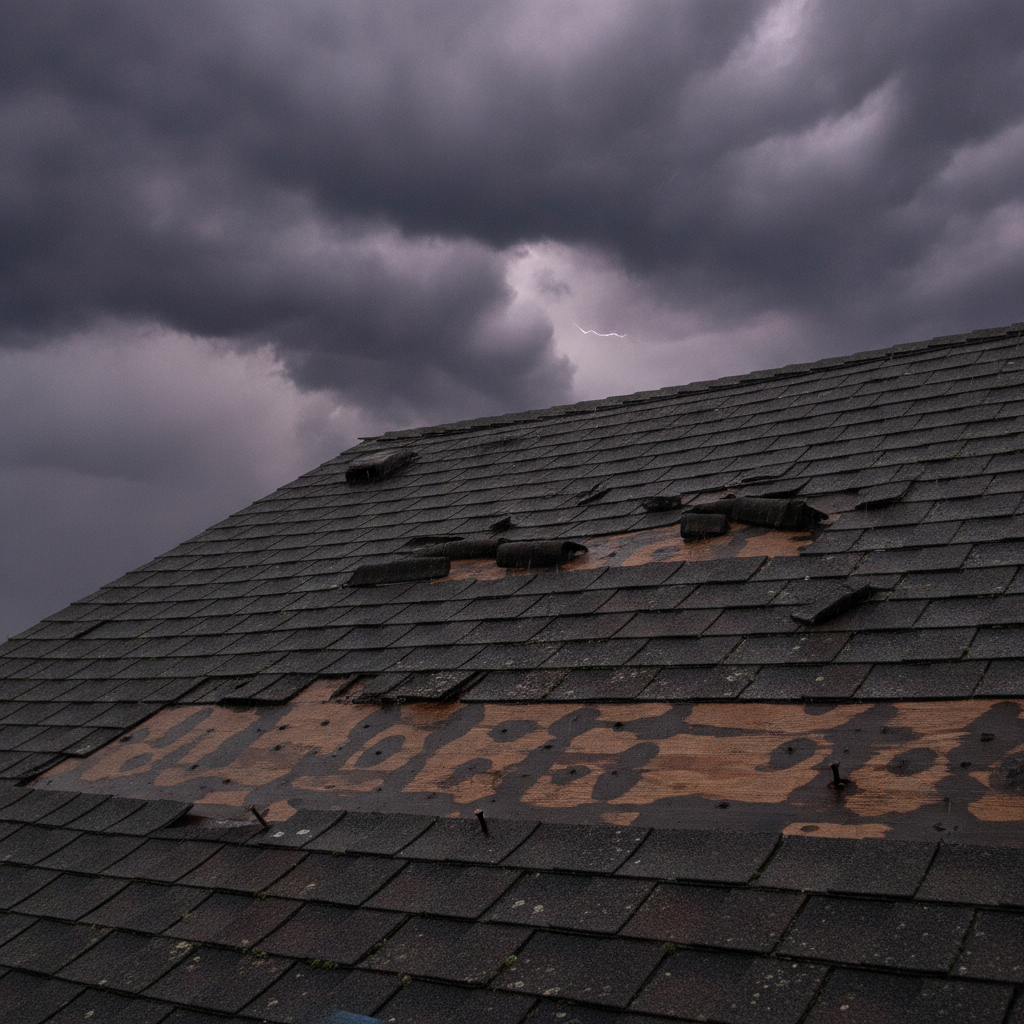
When a powerful storm sweeps through the area, one of the first casualties is often the roof over your home or business. While it might be tempting to delay repairs, especially if the damage seems minor or budgets are tight, the long-term effects of putting off roof restoration can be far more costly and disruptive than most realize. For small business owners, developers, and local residents, understanding the risks and consequences of delayed repairs long-term effects is crucial for protecting property investments, maintaining safety, and avoiding compounding expenses. In this article, we’ll break down exactly what happens when storm damage is left unaddressed, why quick action matters, and how you can make informed decisions that safeguard your property and your peace of mind. Whether you’re a seasoned developer or simply want to keep your family safe, this guide will help you navigate the complexities of storm damage and delayed repairs with confidence.
Delayed Repairs Long-Term Effects in Bloomfield Hills
The impact of delayed repairs long-term effects is especially pronounced in communities that experience seasonal storms and heavy precipitation. When a roof sustains damage, even if it appears superficial, the underlying structure can become vulnerable to water infiltration, mold growth, and gradual deterioration. In this city, where weather can be unpredictable, waiting to address roof issues can result in escalating repair costs and potential safety hazards. Water that seeps through damaged shingles or flashing can compromise insulation, weaken support beams, and eventually lead to structural failures.
One of the most overlooked consequences of delayed repairs long-term effects is the hidden damage that often goes unnoticed until it becomes a major problem. Moisture trapped inside roofing layers can rot wood, rust metal fasteners, and create an environment where mold and mildew thrive. Over time, these issues can affect not just the roof but also walls, ceilings, and even the foundation of your building. For local business owners, this can mean unexpected downtime, loss of inventory, and higher insurance premiums.
Moreover, the longer repairs are delayed, the more likely it is that small problems will turn into major repairs. What might have been a simple patch job can evolve into a full roof replacement, costing thousands more than early intervention would have required. To stay ahead of these risks, it’s essential to understand the delayed repairs long-term effects and take proactive steps to address any storm-related damage as soon as possible.
Delayed Repairs Long-Term Effects in Bloomfield Hills, MI
In Bloomfield Hills, MI, the unique climate and architectural styles add another layer of complexity to storm damage and delayed repairs long-term effects. The mix of older homes and modern commercial buildings means that roofing systems vary widely in materials and construction methods. This diversity can make it challenging to spot damage early, especially when storms bring high winds, hail, or heavy rain.
For business owners and developers, the stakes are even higher. A compromised roof can disrupt operations, put employees and customers at risk, and even lead to code violations if repairs are not made promptly. Insurance companies may deny claims if they determine that damage was exacerbated by neglect or delayed action, leaving property owners to shoulder the full cost of restoration. In some cases, delayed repairs can even affect property values, making it harder to sell or lease buildings in the future.
Local weather conditions also play a significant role in how quickly damage can escalate. Freeze-thaw cycles, common in Michigan, can widen cracks and force water deeper into roofing materials. This accelerates the deterioration process and increases the risk of leaks and structural issues. Addressing storm damage quickly is not just about aesthetics, it’s a critical step in protecting the long-term integrity of your property.
Delayed Repairs Long-Term Effects in Bloomfield Hills, Michigan
When considering delayed repairs long-term effects in Bloomfield Hills, Michigan, it’s important to recognize the broader impact on the community. Widespread roof damage after a major storm can strain local contractors and delay service for everyone. This backlog creates a domino effect, where minor issues are left to worsen while waiting for professional help. For homeowners and business operators, this delay can mean the difference between a manageable repair and a full-scale renovation.
The region’s mix of residential and commercial properties means that delayed repairs long-term effects can ripple through neighborhoods and business districts alike. Persistent leaks can cause interior damage, electrical hazards, and even health risks from mold exposure. For families, this can disrupt daily life and lead to costly emergency repairs. For businesses, it can mean lost productivity, damaged equipment, and a tarnished reputation.
It’s also worth noting that local building codes often require timely repairs to maintain compliance. Ignoring these requirements can result in fines or legal action, adding another layer of risk to delaying roof work. By understanding the long-term effects of storm damage roof repairs, property owners can make informed decisions that protect their investments and contribute to the overall resilience of the community.
How Delayed Roof Repairs Affect Small Businesses
For small businesses, delayed repairs long-term effects can be especially damaging. A compromised roof can lead to inventory loss, equipment damage, and interruptions in daily operations. Even a small leak can cause water to drip onto valuable merchandise or electronics, resulting in expensive replacements or repairs. In retail or hospitality settings, visible water damage can deter customers and harm your reputation.
Additionally, many small businesses operate on tight margins, making it tempting to postpone repairs. However, the cost of waiting often far exceeds the initial outlay for prompt maintenance. Insurance claims may be denied if the insurer determines that damage was made worse by neglect. This leaves business owners responsible for the full cost of restoration, which can be financially devastating.
Partnering with a reputable local contractor, such as Bloomfield Construction, can help ensure that repairs are made quickly and correctly, minimizing downtime and protecting your bottom line. Regular inspections and maintenance plans can also help identify potential issues before they become emergencies, giving small business owners peace of mind and greater control over their property assets.
The Science Behind Roof Deterioration
Understanding the science of how roofs deteriorate over time can help property owners appreciate the urgency of addressing storm damage promptly. When a roof is damaged, it becomes susceptible to the elements, water, wind, UV radiation, and temperature fluctuations all accelerate wear and tear. Water infiltration is particularly insidious, as it can seep into insulation, rot wooden supports, and create pockets of moisture that foster mold growth.
Thermal cycling, which refers to repeated heating and cooling, can cause roofing materials to expand and contract. Over time, this leads to cracks, splits, and the breakdown of protective coatings. In regions with harsh winters, freeze-thaw cycles can force water into tiny crevices, widening them and causing further damage. This process is often invisible until significant problems emerge, making regular inspections and immediate repairs essential for long-term roof health.
Neglecting these scientific realities can result in a roof that fails prematurely, requiring costly replacement rather than simple repairs. By understanding how delayed repairs long-term effects are rooted in the basic physics of material degradation, property owners can make smarter decisions about maintenance and restoration.
Financial Consequences of Delaying Roof Repairs
The financial impact of delayed repairs long-term effects can be staggering. What begins as a minor leak or missing shingle can quickly escalate into extensive water damage, structural repairs, and even mold remediation. The table below illustrates typical costs associated with delaying roof repairs compared to immediate action.
| Repair Scenario | Immediate Repair Cost | Delayed Repair Cost |
|---|---|---|
| Minor Leak | $300 – $600 | $2,000 – $5,000 (water damage, mold) |
| Damaged Shingles | $200 – $500 | $1,500 – $3,000 (structural repairs) |
| Flashing Repair | $150 – $400 | $1,000 – $2,500 (interior damage) |
| Full Roof Replacement | $7,000 – $12,000 | $15,000+ (if damage spreads) |
These numbers highlight the importance of prompt action. Delaying repairs not only increases direct costs but can also lead to higher insurance premiums, lost business income, and decreased property value. For developers and property managers, these financial risks can undermine project profitability and investor confidence.
Health and Safety Risks of Ignoring Roof Damage
Beyond financial concerns, delayed repairs long-term effects can pose serious health and safety risks. Water infiltration creates the perfect environment for mold and mildew, which can trigger respiratory issues, allergies, and other health problems. In commercial settings, this can put employees and customers at risk, potentially leading to liability claims and regulatory action.
Structural damage from ongoing leaks can also compromise the safety of a building. Weakened beams, sagging ceilings, and deteriorating insulation can all contribute to hazardous conditions. In extreme cases, sections of the roof may collapse, causing injury or even fatalities. Regular inspections and immediate repairs are essential for maintaining a safe environment for everyone who lives or works in the building.
For families, the risks are equally significant. Children, elderly residents, and those with compromised immune systems are particularly vulnerable to the effects of mold and poor indoor air quality. Addressing roof damage as soon as it occurs is a key part of protecting your loved ones and ensuring a healthy living space.
Insurance Implications of Delayed Repairs
Insurance is often seen as a safety net for property owners, but delayed repairs long-term effects can complicate or even invalidate claims. Most insurance policies require prompt reporting and mitigation of damage. If an adjuster determines that damage was made worse by neglect or delayed action, coverage may be reduced or denied altogether.
This is particularly true for storm-related claims, where insurers expect property owners to take reasonable steps to prevent further harm. Failing to do so can leave you responsible for the full cost of repairs, as well as any secondary damage that results from inaction. Keeping detailed records of inspections, repairs, and communications with contractors is essential for supporting your claim and ensuring you receive the coverage you’re entitled to.
For business owners, denied claims can have a ripple effect, impacting cash flow, operational budgets, and even the ability to secure future coverage. Proactive maintenance and timely repairs are the best ways to protect your investment and avoid insurance headaches down the line.
How to Spot Early Signs of Storm Damage
Catching roof damage early is the key to minimizing delayed repairs long-term effects. After a storm, it’s important to conduct a thorough inspection, either yourself or with the help of a professional. Look for missing or damaged shingles, dented flashing, water stains on ceilings, and any signs of leaks in the attic or upper floors.
Other red flags include granules from asphalt shingles collecting in gutters, sagging rooflines, and visible mold or mildew. Even if the exterior appears intact, hidden damage can lurk beneath the surface. Scheduling regular roof inspections, especially after severe weather, is the best way to catch problems before they escalate.
If you suspect damage, don’t wait to call a qualified contractor. Prompt repairs can save you thousands of dollars and prevent the long-term effects that come from neglecting storm-related issues. Remember, prevention is always less expensive than restoration.
Best Practices for Timely Roof Repairs
To avoid delayed repairs long-term effects, it’s essential to develop a proactive maintenance plan. Start by scheduling annual roof inspections and after any major storm event. Work with reputable contractors who are familiar with the local climate and building codes. Keep detailed records of all repairs, including photos and receipts, to support future insurance claims.
When damage is detected, act quickly. Even small issues can become major problems if left unaddressed. Prioritize repairs based on severity, but don’t ignore minor leaks or cosmetic damage, they can signal deeper issues that will worsen over time. Investing in quality materials and workmanship will also pay off in the long run, reducing the likelihood of future problems and extending the life of your roof.
Educate tenants, employees, or family members about the signs of roof damage and encourage them to report issues promptly. By fostering a culture of vigilance and responsibility, you can minimize the risk of delayed repairs and their long-term effects on your property.
The Value of Professional Roof Inspections
Professional roof inspections are a critical component of any property maintenance strategy. Trained inspectors can identify issues that might be missed by the untrained eye, including subtle signs of water infiltration, hidden structural weaknesses, and early-stage mold growth. These experts use specialized tools and techniques to assess the condition of your roof and recommend appropriate repairs.
Regular inspections not only help prevent delayed repairs long-term effects but also provide valuable documentation for insurance purposes. If a claim is necessary, having a history of professional assessments can demonstrate that you’ve taken reasonable steps to maintain your property. This can speed up the claims process and increase the likelihood of a favorable outcome.
For developers and commercial property managers, scheduled inspections are often required by lenders or investors. Meeting these requirements protects your financial interests and ensures that your assets remain in top condition. Don’t underestimate the value of a professional opinion, an investment in inspections can save you thousands in the long run.
Final Thoughts
Addressing storm damage promptly is one of the most effective ways to protect your property, your finances, and your peace of mind. Delayed repairs long-term effects can impact everything from structural integrity and health to insurance coverage and resale value. By understanding the risks and taking proactive steps, property owners in this community and beyond can avoid the pitfalls of neglect and ensure their homes and businesses remain safe and resilient.
Whether you’re a small business owner, a developer, or a homeowner, the message is clear: don’t wait to address roof damage. Invest in regular inspections, act quickly when issues arise, and work with trusted professionals to keep your property in top shape. The cost of delay is simply too high, take action today to secure a better tomorrow for your investment and your community.