Smoke odor is one of the most persistent and frustrating challenges after a fire, especially for small business owners and property managers. Even after the flames are put out, the lingering smell can disrupt operations, deter customers, and make spaces uninhabitable. If you’ve ever dealt with the aftermath of a fire, you know that simply airing out the building or using air fresheners doesn’t come close to solving the problem. That’s where fire damage restoration Bloomfield Hills experts step in, using specialized techniques and technology to truly eliminate smoke odor at its source. Understanding how professionals tackle smoke odor removal can help you restore your property efficiently and protect your investment, whether you’re a business owner, developer, or a concerned local resident. In this article, we’ll break down the science behind smoke odor, why it’s so hard to remove, and the proven methods used by restoration teams to bring your property back to a fresh, clean state. Let’s explore how the right approach can make all the difference when it comes to fire restoration and indoor air quality.
Understanding the Science of Smoke Odor
To appreciate why smoke odor is so difficult to eliminate, it helps to understand what smoke actually is. When materials burn, they release microscopic particles and gases, including soot, volatile organic compounds (VOCs), and a complex mix of chemicals. These particles don’t just float in the air, they settle into porous surfaces like drywall, carpeting, upholstery, and even behind walls. The result? A stubborn, pervasive odor that can linger for months if not properly addressed.
Smoke odor molecules are incredibly small and can penetrate deep into materials. This is why a simple surface cleaning rarely works. The chemical composition of smoke also varies depending on what was burned, wood, plastics, fabrics, or food, each producing its own unique set of odors and challenges. Restoration professionals must identify the specific type of smoke residue present in order to choose the most effective cleaning and deodorization methods.
In addition to visible soot, invisible gases and acids can continue to react with surfaces long after the fire is out, causing ongoing odor and even corrosion. This is why rapid response is key. The sooner you bring in experts like Bloomfield Construction, the better your chances of fully restoring your property and avoiding long-term damage.
The Hidden Pathways Smoke Uses to Invade Buildings
Many property owners are surprised to learn just how far smoke can travel during and after a fire. Smoke doesn’t respect boundaries, it seeps through cracks, electrical outlets, HVAC systems, and even the tiniest gaps in construction. In multi-unit buildings or commercial spaces, smoke can migrate between rooms and floors, affecting areas far from the original fire.
Once inside, smoke particles embed themselves in insulation, behind walls, and within ventilation ducts. This makes thorough inspection and remediation essential, as hidden pockets of smoke residue can continue to emit odors even after visible areas are cleaned. Restoration teams use specialized tools like thermal imaging cameras and particle counters to trace the full extent of smoke infiltration.
Understanding smoke’s hidden pathways is crucial for a comprehensive restoration plan. Overlooking these areas can lead to recurring odor problems and ongoing complaints from occupants. For a real-world look at how professionals address these challenges, check out How Fire Damage Restoration in Bloomfield Hills Helps Save Your Property.
Why DIY Smoke Odor Removal Often Fails
It’s tempting to try and tackle smoke odor yourself, especially when the damage appears minor. Many property owners resort to household cleaners, scented sprays, or even repainting walls to mask the smell. Unfortunately, these methods rarely solve the problem and can sometimes make it worse.
DIY solutions typically address only the surface, leaving deeply embedded smoke particles untouched. Without specialized equipment and knowledge, it’s nearly impossible to reach smoke residue in hidden spaces like ductwork, insulation, or subflooring. In some cases, using the wrong cleaning agents can react with smoke residues, locking in odors or causing further staining.
Professional fire damage restoration teams use a combination of advanced cleaning, deodorization, and sealing techniques to ensure smoke odor is truly eliminated. If you’re considering restoration options, it’s worth learning more about the Top Fire Damage Restoration Services in Bloomfield Hills: What Homeowners Need to Know before deciding on your next steps.
Advanced Cleaning Techniques for Smoke Odor Removal
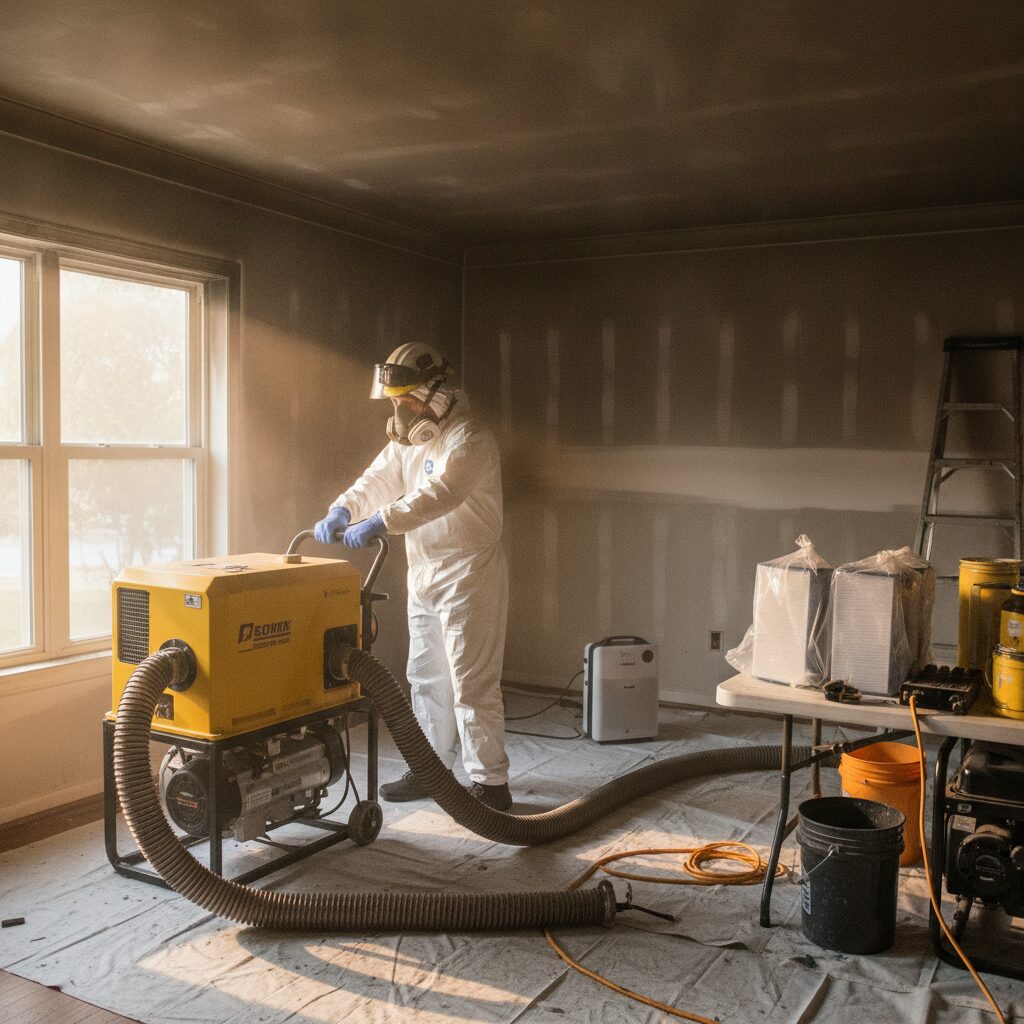
Professional restoration teams rely on a multi-step cleaning process to remove smoke odor from every affected surface. This begins with a thorough assessment to identify all areas impacted by smoke, including hidden cavities and ventilation systems. Once the scope of damage is determined, technicians use specialized vacuums with HEPA filters to remove loose soot and particulates from surfaces and the air.
Next, they apply dry and wet cleaning methods tailored to the type of material and smoke residue present. For example, dry sponges and chemical sponges are used on delicate surfaces, while wet cleaning with detergents and degreasers targets tougher residues. In some cases, abrasive cleaning or media blasting may be necessary for heavily charred areas.
Every step is carefully documented to ensure no area is missed. By combining these advanced cleaning techniques, restoration professionals can remove both visible soot and the microscopic particles responsible for lingering odors. This meticulous approach is essential for restoring a safe, odor-free environment for building occupants.
The Role of Odor Neutralization Technologies
Once surfaces are clean, the next step is to neutralize any remaining smoke odor molecules. Restoration professionals use a range of technologies designed to break down or encapsulate odor-causing compounds at the molecular level. Some of the most effective methods include:
- Ozone generators, which release ozone gas to oxidize and neutralize odor molecules in the air and on surfaces.
- Hydroxyl generators, which use UV light to create hydroxyl radicals that safely break down odors without leaving harmful residues.
- Thermal fogging, which disperses a deodorizing fog that penetrates deep into porous materials, neutralizing smoke odors where they hide.
- Encapsulation sprays, which seal in any remaining odor particles, preventing them from being released back into the air.
These technologies are used in combination, depending on the extent of the damage and the specific needs of the property. The goal is not just to mask odors, but to eliminate them entirely, restoring indoor air quality and comfort for everyone who uses the space.
Why HVAC Systems Need Special Attention
One of the most overlooked sources of persistent smoke odor is the building’s HVAC system. During a fire, smoke is drawn into air ducts and distributed throughout the property, contaminating filters, coils, and ductwork. Even after the visible damage is addressed, these systems can continue to circulate smoke particles and odors long after the fire is out.
Professional restoration teams always inspect and clean HVAC components as part of a comprehensive smoke odor removal plan. This may involve replacing filters, cleaning ducts with specialized brushes and vacuums, and applying deodorizing agents directly to internal surfaces. Neglecting the HVAC system can result in recurring odors and poor indoor air quality, undermining the entire restoration effort.
For business owners and property managers, ensuring the HVAC system is properly cleaned is critical for reopening safely and maintaining a healthy environment for employees and customers. Regular maintenance after restoration can also help prevent future issues.
How Building Materials Influence Smoke Odor Persistence
Not all building materials react to smoke in the same way. Porous materials like drywall, wood, carpeting, and ceiling tiles absorb smoke particles deeply, making them especially challenging to clean. Non-porous surfaces such as glass, metal, and tile are easier to wipe down but can still trap odors in seams and joints.
In some cases, materials may need to be removed and replaced if the smoke damage is too severe. Restoration professionals assess each material’s condition and determine the best course of action, whether that’s deep cleaning, encapsulation, or replacement. This ensures that no hidden sources of odor remain to cause problems down the line.
Understanding the role of building materials is essential for setting realistic expectations about the restoration process and timeline. It also highlights the importance of working with experienced professionals who can make informed decisions about what can be salvaged and what must be replaced.
The Importance of Air Quality Testing After Restoration
After all cleaning and deodorization steps are complete, the final measure of success is indoor air quality. Professional restoration teams use air quality testing to detect any remaining smoke particles, VOCs, or other contaminants. This ensures that the property is safe for occupancy and that all smoke odors have been effectively eliminated.
Air quality testing may involve sampling the air for particulate matter, measuring VOC levels, or using electronic sensors to detect odor compounds. The results are compared to industry standards and guidelines to verify that the environment meets health and safety requirements.
For business owners, developers, and property managers, a clean bill of health from air quality testing provides peace of mind and helps avoid complaints or liability issues. It’s a crucial final step in the fire damage restoration process, ensuring your space is truly ready for use.
Comparing Common Smoke Odor Removal Methods
| Method | How It Works | Best For | Limitations |
|---|---|---|---|
| Ozone Treatment | Releases ozone gas to oxidize odor molecules | Whole-building deodorization | Requires vacant property during treatment |
| Hydroxyl Generators | Creates hydroxyl radicals to break down odors | Occupied spaces, sensitive materials | Slower than ozone, may require longer use |
| Thermal Fogging | Disperses deodorizing fog to reach hidden areas | Porous materials, complex structures | May need repeat applications |
| HEPA Vacuuming | Removes loose soot and particles | Initial cleaning, all surfaces | Does not neutralize odors alone |
| Encapsulation | Seals in remaining odor particles | Walls, subfloors, hard-to-clean areas | May not work if odor is too deep |
Special Considerations for Commercial Properties
Commercial properties in the area face unique challenges when it comes to smoke odor removal. Larger spaces, complex floor plans, and the presence of sensitive equipment or inventory all require a tailored approach. Business continuity is also a top concern, as prolonged closures can result in lost revenue and dissatisfied clients.
Restoration teams work closely with business owners and property managers to develop a plan that minimizes downtime and disruption. This may include phased cleaning, after-hours work, and the use of containment barriers to isolate affected areas. Communication and documentation are key, ensuring that all stakeholders are informed and that restoration meets regulatory and insurance requirements.
By partnering with experienced professionals, commercial property owners can restore their spaces quickly and safely, protecting both their investment and their reputation in the community.
How Local Climate Affects Smoke Odor Removal
The local climate plays a significant role in how smoke odor lingers and how restoration is approached. In humid environments, moisture can cause smoke particles to penetrate deeper into building materials, making removal more challenging. Conversely, dry conditions can cause soot to become airborne more easily, spreading contamination to previously unaffected areas.
Restoration professionals in this community are familiar with these climate factors and adjust their methods accordingly. For example, they may use dehumidifiers to control moisture levels during cleaning or increase ventilation to speed up drying times. Understanding the interplay between climate and smoke odor is essential for achieving the best possible results.
For property owners, being aware of these factors can help you ask the right questions and set realistic expectations for the restoration process. It also underscores the value of choosing a local team with experience in the region’s unique conditions.
Key Takeaways
Eliminating smoke odor after a fire is a complex, multi-step process that goes far beyond surface cleaning. From understanding the science of smoke and its hidden pathways to deploying advanced cleaning and deodorization technologies, professional fire damage restoration teams bring expertise and specialized tools to every project. For business owners, developers, and residents in Bloomfield Hills, investing in professional restoration is the best way to ensure your property is safe, healthy, and truly odor-free.
By addressing every aspect of smoke infiltration, including HVAC systems, building materials, and local climate factors, restoration professionals help you avoid recurring issues and protect your investment. Whether you’re recovering from a recent fire or planning ahead, understanding these processes empowers you to make informed decisions and restore your property to its best possible condition.
If you ever face fire damage, remember that quick action and expert help are your best allies in achieving a full recovery and a fresh start for your property.