Storms can strike with little warning, leaving behind a trail of destruction that often starts at the top, your roof. For homeowners in this region, severe weather is a reality that can cause everything from missing shingles to major structural damage. When disaster hits, knowing how to respond quickly and effectively can make the difference between a minor repair and a costly overhaul. If you’re searching for a reliable roofing contractor Bloomfield Hills residents trust, or simply want to understand the process of storm damage roof repair, this guide is for you. We’ll walk you through the steps to take after a storm, how to spot hidden damage, and what to expect from the repair process. Whether you’re a small business owner, property developer, or a homeowner looking to protect your investment, having the right information empowers you to act confidently when the next storm rolls through.
Understanding Storm Damage to Roofs
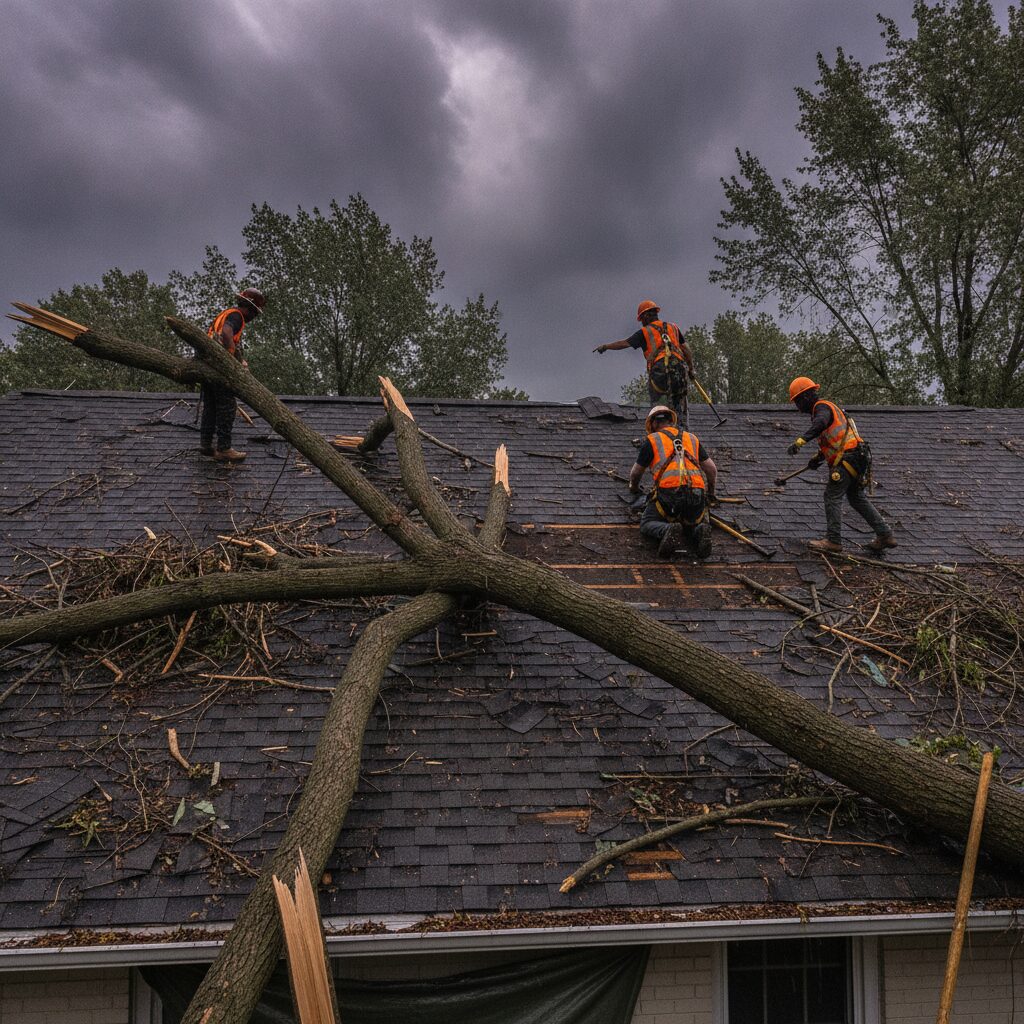
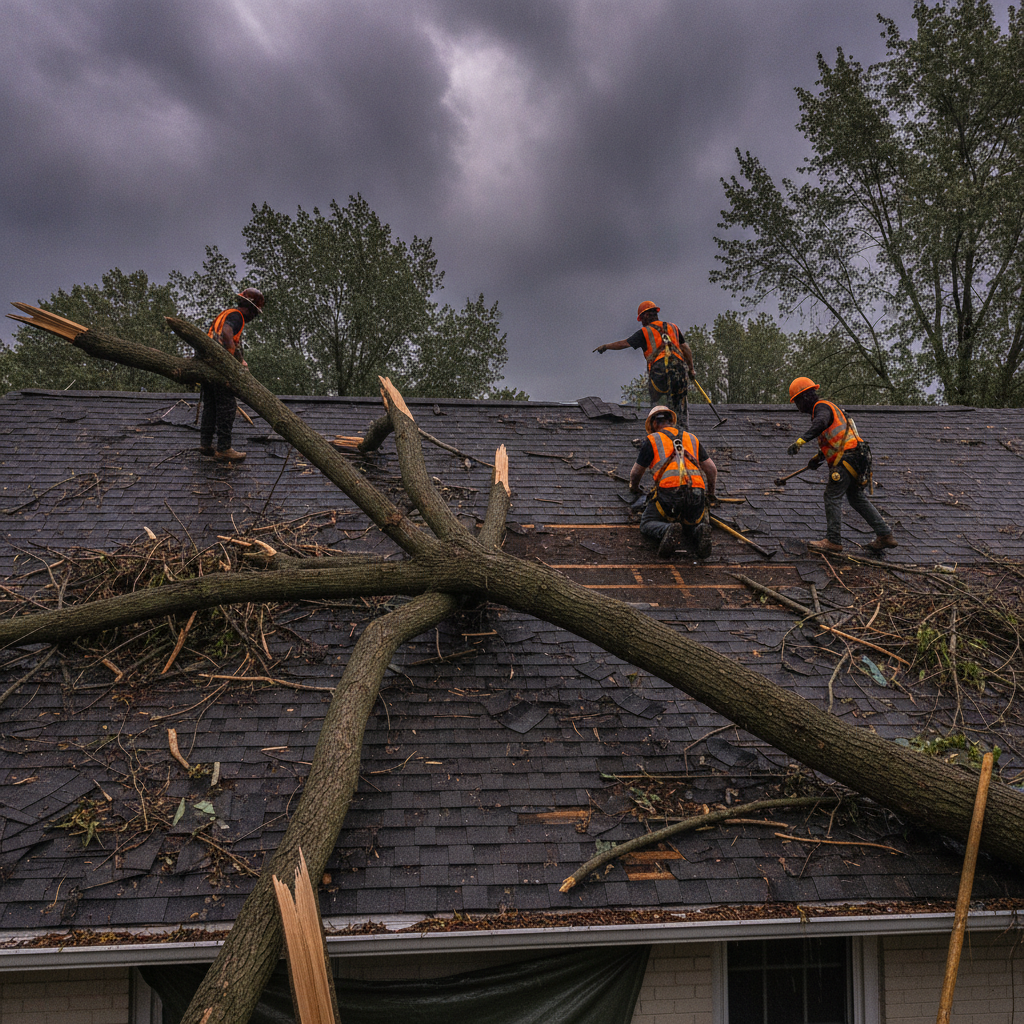
Storms can inflict several types of damage on residential roofs, each with its own set of challenges. High winds may rip off shingles or even sections of roofing material, while hail can puncture or crack shingles, leaving the underlying structure exposed. Heavy rain can exploit even the smallest vulnerabilities, leading to leaks and water intrusion. In some cases, falling branches or debris can cause direct impact damage, compromising the roof’s integrity. Recognizing the full extent of storm damage is not always straightforward, as some issues, like minor leaks or weakened flashing, may not be immediately visible. This is why it’s crucial to have a professional inspection after severe weather events, ensuring that all problems are identified and addressed before they escalate. For those seeking expert help, Bloomfield Construction is a trusted name in the area, offering thorough assessments and repairs tailored to the unique needs of local homes.
First Steps After a Storm Hits
The moments following a storm are critical for minimizing further damage to your property. Start by visually inspecting your roof from the ground, looking for obvious signs like missing shingles, sagging areas, or debris accumulation. Avoid climbing onto the roof yourself, as storm damage can create unsafe conditions. Instead, document any visible issues with photos or videos, which will be helpful for insurance claims. Next, check your attic and ceilings for leaks or water stains, as these can indicate hidden problems. If you notice any immediate threats, such as active leaks or exposed areas, use tarps or plastic sheeting to temporarily cover them until professional help arrives. Contact your insurance company as soon as possible to report the damage and begin the claims process. For a more detailed look at how to protect your roof year-round, see How to Choose the Right Roofing Material for Bloomfield Hills Weather.
Why Timely Roof Repairs Matter
Delaying roof repairs after a storm can have serious consequences for your home or business. Even minor damage can allow water to seep in, leading to mold growth, rotting wood, and compromised insulation. Over time, what starts as a small leak can cause significant structural issues, resulting in more extensive and expensive repairs. Timely action helps preserve the value of your property and ensures the safety of its occupants. In addition to preventing further deterioration, prompt repairs may also be required by your insurance policy to maintain coverage. For those dealing with the aftermath of fire or water damage as well, consider reading How Fire Damage Restoration in Bloomfield Hills Helps Save Your Property for additional insights on property protection.
Common Signs of Storm Damage on Your Roof
Not all storm damage is immediately obvious. While missing shingles and broken tiles are clear indicators, other signs are more subtle. Look for granule loss on asphalt shingles, which can appear as bald spots or excessive granules in gutters. Curling, cracking, or blistering shingles may also signal underlying issues. Water stains on ceilings or walls, musty odors in the attic, and peeling paint near rooflines can all point to hidden leaks. Damaged flashing around chimneys, vents, and skylights is another common problem area. If you notice any of these warning signs, it’s essential to schedule a professional inspection. Experienced contractors have the tools and expertise to detect issues that might otherwise go unnoticed, ensuring your roof remains secure and weather-resistant.
How Roofing Contractors Assess Storm Damage
A thorough roof inspection by a qualified contractor goes beyond a simple visual check. Professionals use a combination of ground-level observations and up-close assessments to identify both obvious and hidden damage. They’ll examine shingles, flashing, gutters, and roof decking for signs of impact, water intrusion, and structural weakness. Moisture meters and infrared imaging may be used to detect leaks not visible to the naked eye. Contractors also evaluate the roof’s overall condition, checking for pre-existing issues that could affect repair strategies. After the inspection, you’ll receive a detailed report outlining the findings, recommended repairs, and an estimated timeline. This documentation is invaluable for insurance claims and ensures that all necessary work is completed to restore your roof’s integrity.
The Roof Repair Process Explained
Once storm damage has been assessed, the repair process typically begins with removing any debris and securing the affected area to prevent further exposure. Damaged shingles or tiles are replaced, and any compromised underlayment or decking is repaired or reinforced. Flashing and sealants are inspected and replaced as needed to ensure a watertight barrier. In cases of extensive damage, partial or full roof replacement may be necessary. Throughout the process, reputable contractors maintain clear communication, providing updates on progress and addressing any concerns you may have. The goal is to restore your roof to its pre-storm condition, or better, while minimizing disruption to your daily life. Choosing a contractor with experience in storm restoration ensures that all repairs meet local building codes and manufacturer specifications.
Navigating Insurance Claims for Roof Repairs
Dealing with insurance after storm damage can be a complex process. Start by reviewing your policy to understand what types of damage are covered and what documentation is required. Most insurers require prompt reporting and may send an adjuster to inspect the damage. It’s helpful to have your contractor’s inspection report, photos, and repair estimates ready to support your claim. Keep detailed records of all communication with your insurer and contractor. Some policies may have specific requirements for temporary repairs, so check before making any changes. If your claim is denied or you disagree with the assessment, you have the right to request a re-evaluation or seek a second opinion. Working with a contractor experienced in insurance restoration can streamline the process and help you secure the compensation you need for a full repair.
Choosing the Right Contractor for Storm Repairs
Selecting a trustworthy roofing contractor is one of the most important decisions you’ll make after a storm. Look for companies with a proven track record in the community, proper licensing, and insurance. Ask for references and check online reviews to gauge customer satisfaction. It’s also wise to get multiple estimates to compare pricing and scope of work. Beware of “storm chasers” who appear after major weather events, offering quick fixes at suspiciously low prices. A reputable contractor will provide a detailed written contract, outline the repair process, and answer all your questions. They should also be familiar with local building codes and manufacturer requirements for warranty compliance. Investing time in finding the right professional ensures your roof is repaired correctly and will stand up to future storms.
Preventing Future Storm Damage
While no roof is completely storm-proof, there are steps you can take to minimize future damage. Regular maintenance, such as cleaning gutters and trimming overhanging branches, helps prevent water buildup and impact damage. Scheduling annual roof inspections allows you to catch small problems before they become major issues. Upgrading to impact-resistant shingles or reinforced underlayment can provide added protection in storm-prone areas. Ensuring proper attic ventilation and insulation also reduces the risk of ice dams and moisture-related problems. By investing in preventative measures, you extend the lifespan of your roof and reduce the likelihood of emergency repairs after severe weather.
Comparing Roof Repair Materials and Methods
The materials and methods used for storm damage roof repairs can vary widely depending on the type of roof and extent of the damage. Asphalt shingles are common and relatively easy to replace, while tile and slate roofs require specialized skills. Metal roofing offers excellent durability but may need panel replacement after severe hail. Flat roofs often involve membrane repairs or recoating. The choice of materials can affect both the cost and longevity of the repair. Discuss options with your contractor to find the best fit for your home’s style, local climate, and budget. Below is a table summarizing common repair materials and their typical uses after storm damage.
| Material | Best For | Storm Damage Type |
|---|---|---|
| Asphalt Shingles | Most residential roofs | Wind, hail, minor impact |
| Metal Panels | Durability, commercial roofs | Hail, wind, debris |
| Clay/Slate Tiles | High-end homes | Impact, heavy rain |
| Synthetic Shingles | Weather resistance | Wind, hail |
| Membrane Roofing | Flat/low-slope roofs | Water intrusion |
Roof Maintenance Tips for Homeowners
Routine maintenance is your first line of defense against storm damage. Inspect your roof at least twice a year, preferably in spring and fall, to catch issues before they worsen. Clear leaves and debris from gutters and downspouts to ensure proper drainage. Check for loose or damaged shingles, especially after high winds. Trim trees and remove branches that could fall during storms. Inside, look for signs of water intrusion such as stains or peeling paint. Address minor repairs promptly to avoid bigger problems. Partnering with a reputable local contractor for annual inspections can provide peace of mind and help you budget for future repairs. Taking these proactive steps keeps your home protected and reduces the risk of emergency repairs after severe weather.
The Bottom Line
Storm damage to your roof can be stressful, but with the right knowledge and resources, you can navigate repairs confidently. Understanding the types of damage, acting quickly, and working with experienced professionals are key to protecting your property. Regular maintenance and choosing the right materials further strengthen your home against future storms. Whether you’re dealing with immediate damage or planning ahead, being informed helps you make the best decisions for your home or business. When the next storm rolls through, you’ll be ready to respond, repair, and restore your peace of mind.