When it comes to maintaining the longevity and comfort of your home, few features are as overlooked as proper roof ventilation. For homeowners and small business owners alike, understanding the critical role ventilation plays is essential for protecting your property investment. Whether you’re a developer planning new construction or a resident looking to extend the life of your roof, partnering with a knowledgeable roofing contractor Bloomfield Hills trusts can make all the difference. In this article, we’ll explore why roof ventilation isn’t just a technical detail, it’s a fundamental part of your building’s health, energy efficiency, and resistance to costly damage. From how ventilation works to its impact on indoor air quality and utility bills, we’ll break down everything you need to know, including practical tips and insights tailored to our local climate. Let’s dive into the world of roof ventilation and discover how it can save you money, prevent headaches, and keep your property comfortable year-round.
Why Roof Ventilation Matters for Homes and Businesses
Roof ventilation is more than just a technicality in building design, it’s a vital system that affects the entire structure. Proper ventilation allows fresh air to circulate through the attic or roof space, which helps regulate temperature, control moisture, and prevent a host of problems that can impact both homes and commercial buildings. Without adequate airflow, heat and humidity can become trapped, leading to premature aging of roofing materials, increased energy costs, and even structural damage over time.
In climates with hot summers and cold winters, like ours, temperature swings can be especially hard on roofs. During summer, a poorly ventilated attic can reach extreme temperatures, causing shingles to deteriorate faster and making air conditioning work overtime. In winter, trapped moisture can condense and lead to mold growth, wood rot, and ice dam formation, all of which can compromise the integrity of your property. That’s why working with an experienced team like Bloomfield Construction is so important, they understand the unique needs of local buildings and can recommend the best solutions for your specific situation.
Roof ventilation isn’t just about comfort; it’s about protecting your investment. When done right, it extends the life of your roofing system, reduces repair costs, and creates a healthier environment inside your building. For business owners, this means fewer disruptions and lower maintenance expenses. For homeowners, it means peace of mind and better resale value. In both cases, prioritizing proper ventilation pays off in the long run.
How Roof Ventilation Works: The Science Behind Airflow
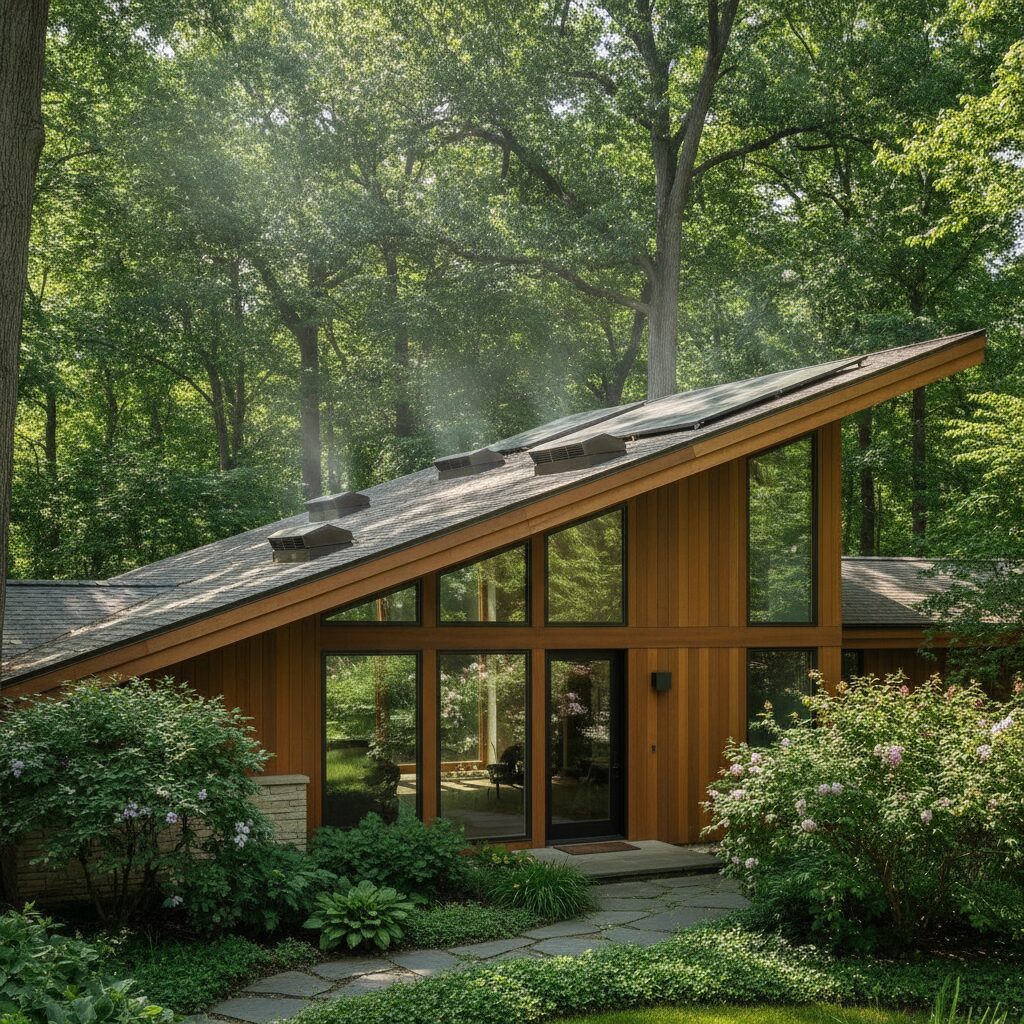
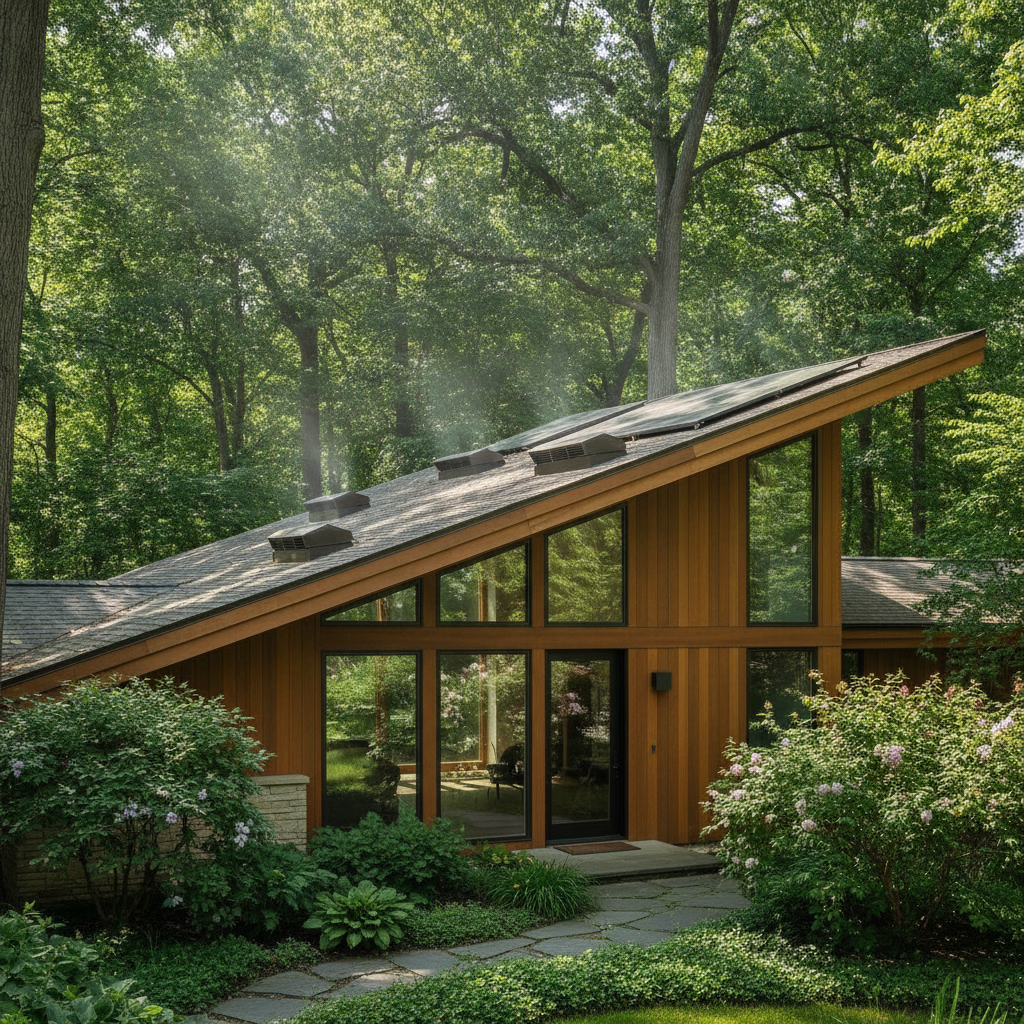
Understanding the science behind roof ventilation helps clarify why it’s so essential. At its core, roof ventilation relies on the natural movement of air, warm air rises, and cool air sinks. By strategically placing intake vents (usually at the eaves or soffits) and exhaust vents (typically at the ridge or roof peak), a flow of air is established that allows hot, moist air to escape while drawing in cooler, drier air from outside.
This continuous exchange of air helps maintain balanced attic temperatures and keeps humidity in check. Without it, heat and moisture accumulate, creating an environment ripe for damage. In addition to protecting your roof, proper airflow can also help regulate indoor temperatures, reducing the strain on your HVAC system and lowering energy bills.
There are several types of ventilation systems, including passive options like ridge and soffit vents, as well as active systems that use fans or turbines to enhance airflow. The right system for your property depends on factors like roof size, pitch, and local climate. For a deeper dive into how ventilation interacts with other aspects of property restoration, check out How Smoke Odor Is Eliminated During Fire Restoration in Bloomfield Hills.
Ultimately, the goal is to create a balanced system where air enters and exits efficiently, keeping your attic dry and your roof in top shape. This balance is key to preventing many common roofing issues and ensuring your property remains comfortable and efficient year-round.
Common Signs of Poor Roof Ventilation
Recognizing the signs of inadequate roof ventilation can save you from expensive repairs down the line. Some symptoms are obvious, while others are more subtle and require a keen eye. Here are a few red flags to watch for:
- Excessive heat in the attic, especially during summer months
- Noticeable moisture, condensation, or frost buildup on rafters or insulation
- Warped or deteriorating shingles
- Peeling paint or water stains on ceilings and walls
- Mold or mildew growth in the attic or upper floors
- Ice dams forming along the roof edge in winter
If you notice any of these issues, it’s time to consult a professional. Sometimes, the signs are subtle, like a musty odor or a spike in energy bills. In other cases, the damage is more visible, such as sagging roof decking or cracked shingles. For more detailed indicators, see Signs Your Bloomfield Hills Property Needs Professional Water Damage Repair.
Don’t wait until minor problems become major headaches. Regular inspections and prompt attention to warning signs can help you avoid costly repairs and maintain a healthy, efficient building. A trusted local expert can assess your ventilation system and recommend targeted improvements tailored to your property’s unique needs.
The Impact of Roof Ventilation on Energy Efficiency
Energy efficiency is a top priority for property owners, and roof ventilation plays a surprisingly large role in keeping utility costs under control. When your attic is properly ventilated, it helps regulate indoor temperatures by allowing excess heat to escape in summer and reducing moisture buildup in winter. This means your heating and cooling systems don’t have to work as hard, resulting in lower energy bills throughout the year.
During hot weather, an overheated attic can radiate heat downward, making living and working spaces uncomfortable and forcing air conditioners to run longer. In cold weather, trapped moisture can reduce the effectiveness of insulation, causing heat loss and higher heating costs. By maintaining balanced airflow, you not only protect your roof but also create a more comfortable and cost-effective environment inside your property.
For businesses, these savings can add up quickly, improving the bottom line. For homeowners, it means more predictable utility bills and a smaller carbon footprint. Investing in proper ventilation is a smart move for anyone looking to maximize their property’s efficiency and value.
Preventing Moisture Damage and Mold Growth
Moisture is one of the most destructive forces a building can face. Without adequate roof ventilation, warm, humid air becomes trapped in the attic, condensing on cooler surfaces and leading to water damage, wood rot, and mold growth. Over time, this can weaken structural elements and create unhealthy indoor air conditions.
Mold thrives in damp, stagnant environments, and once it takes hold, remediation can be costly and disruptive. Proper ventilation helps keep humidity levels in check, preventing condensation and discouraging mold spores from multiplying. This is especially important in the region, where seasonal humidity and temperature swings are common.
Regular inspections and maintenance are key to catching moisture problems early. If you notice musty smells, discoloration, or visible mold in your attic or upper floors, it’s crucial to address the underlying ventilation issues before they escalate. Protecting your property from moisture damage not only preserves its value but also ensures a healthier environment for everyone inside.
Types of Roof Ventilation Systems Explained
There are several types of roof ventilation systems, each with its own benefits and ideal applications. The most common options include:
- Ridge vents: Installed along the peak of the roof, allowing hot air to escape naturally.
- Soffit vents: Located under the eaves, these bring in cool, fresh air from outside.
- Gable vents: Placed on the exterior walls of the attic, providing cross-ventilation.
- Turbine vents: Wind-powered units that actively draw air out of the attic.
- Powered attic fans: Electrically operated fans that enhance airflow when natural ventilation isn’t sufficient.
The best system for your property depends on factors like roof design, attic size, and local climate. Often, a combination of intake and exhaust vents works best to ensure balanced airflow. Consulting with a qualified professional can help you choose the right setup and ensure it’s installed correctly for maximum effectiveness.
Roof Ventilation and Indoor Air Quality
Indoor air quality is a growing concern for both homeowners and business operators. Poor roof ventilation can contribute to stuffy, stale air inside your property, as well as increased levels of allergens, dust, and even harmful gases like radon. By promoting continuous airflow, a well-designed ventilation system helps remove these contaminants and ensures a steady supply of fresh air.
This is especially important for families with young children, elderly residents, or anyone with respiratory issues. Improved air quality can lead to fewer health complaints, better sleep, and a more pleasant living or working environment. For businesses, it can also mean happier, more productive employees and fewer sick days.
Regular maintenance and inspection of your ventilation system are crucial to keeping indoor air clean and healthy. If you notice persistent odors, increased dust, or unexplained health symptoms, it may be time to evaluate your roof ventilation and make necessary improvements.
Choosing the Right Roofing Contractor in Bloomfield Hills
Selecting the right professional for your roof ventilation project is just as important as choosing the right system. Look for a roofing contractor with experience in the area, a strong reputation, and a deep understanding of local building codes and climate challenges. The best contractors will take the time to assess your property, explain your options, and provide a detailed plan tailored to your needs.
Ask about their experience with different ventilation systems, their approach to balancing intake and exhaust, and whether they offer maintenance services after installation. A reputable contractor will also stand behind their work with warranties and clear communication throughout the process.
Remember, proper ventilation is an investment in your property’s longevity and comfort. Don’t be afraid to ask questions and seek out references from other local property owners. A trustworthy contractor will be happy to share their expertise and help you make the best decision for your home or business.
Roof Ventilation Maintenance Tips for Year-Round Performance
Maintaining your roof ventilation system is key to ensuring it continues to perform effectively year after year. Here are some practical tips to keep your system in top shape:
- Inspect vents regularly for blockages from debris, nests, or insulation.
- Check for signs of moisture, mold, or condensation in the attic.
- Ensure intake and exhaust vents are balanced and unobstructed.
- Schedule professional inspections annually, especially before extreme weather seasons.
- Replace damaged or aging vent components promptly to prevent leaks or inefficiency.
By staying proactive with maintenance, you can extend the life of your roof, improve energy efficiency, and avoid costly repairs. If you’re unsure about the condition of your ventilation system, a local expert can provide a thorough assessment and recommend any necessary upgrades or repairs.
Comparing Roof Ventilation Options: A Quick Reference Table
| Ventilation Type | How It Works | Best For |
|---|---|---|
| Ridge Vents | Installed along roof peak, allows hot air to escape naturally | Most residential roofs |
| Soffit Vents | Located under eaves, brings in cool air from outside | Homes with wide eaves |
| Gable Vents | Mounted on attic walls for cross-ventilation | Older homes or gabled roofs |
| Turbine Vents | Wind-powered, spins to draw air out | Areas with frequent breezes |
| Powered Attic Fans | Uses electricity to force air movement | Large attics or complex roofs |
This table offers a quick comparison of popular roof ventilation options. Choosing the right combination for your property ensures optimal airflow and long-term protection.
Why Local Climate Influences Ventilation Needs
The climate in this community plays a significant role in determining the best approach to roof ventilation. Seasonal temperature swings, humidity, and precipitation patterns all impact how your ventilation system should be designed and maintained. For example, cold winters increase the risk of ice dams, while humid summers can lead to moisture buildup and mold growth if airflow is inadequate.
A ventilation system that works well in one region may not be suitable for another. That’s why it’s important to work with professionals who understand local weather patterns and building codes. They can recommend solutions that address the specific challenges faced by properties in this area, ensuring your roof stays protected year-round.
By tailoring your ventilation system to local conditions, you can prevent common issues and maximize the lifespan of your roof. This proactive approach helps avoid unnecessary repairs and keeps your property comfortable and efficient, no matter the season.
Final Thoughts
Proper roof ventilation is a cornerstone of property health, comfort, and efficiency. Whether you’re a homeowner, business owner, or developer, understanding the importance of balanced airflow can help you avoid costly repairs, improve indoor air quality, and extend the life of your roof. By working with a qualified roofing contractor and staying proactive with maintenance, you can ensure your property remains protected against the challenges posed by our local climate. Don’t overlook this critical aspect of building care, invest in quality ventilation today for lasting peace of mind and value.