Water damage can strike unexpectedly, leaving property owners scrambling to protect their investments. Whether you own a small business, manage commercial real estate, or simply care about the health and value of your property, understanding the warning signs of water damage is essential. Acting quickly can mean the difference between a straightforward repair and a costly, long-term restoration. For those in need of Water Damage Restoration Bloomfield Hills services, knowing when to call in the professionals is crucial. This article will guide you through the subtle and obvious indicators that your property may be at risk, why timely intervention matters, and how to make informed decisions to safeguard your building and its occupants. We’ll explore unique scenarios that impact both businesses and homes, providing actionable insights to help you respond effectively. Read on to discover the signs you shouldn’t ignore and how to ensure your property remains safe, healthy, and resilient.
Recognizing Early Water Damage Clues
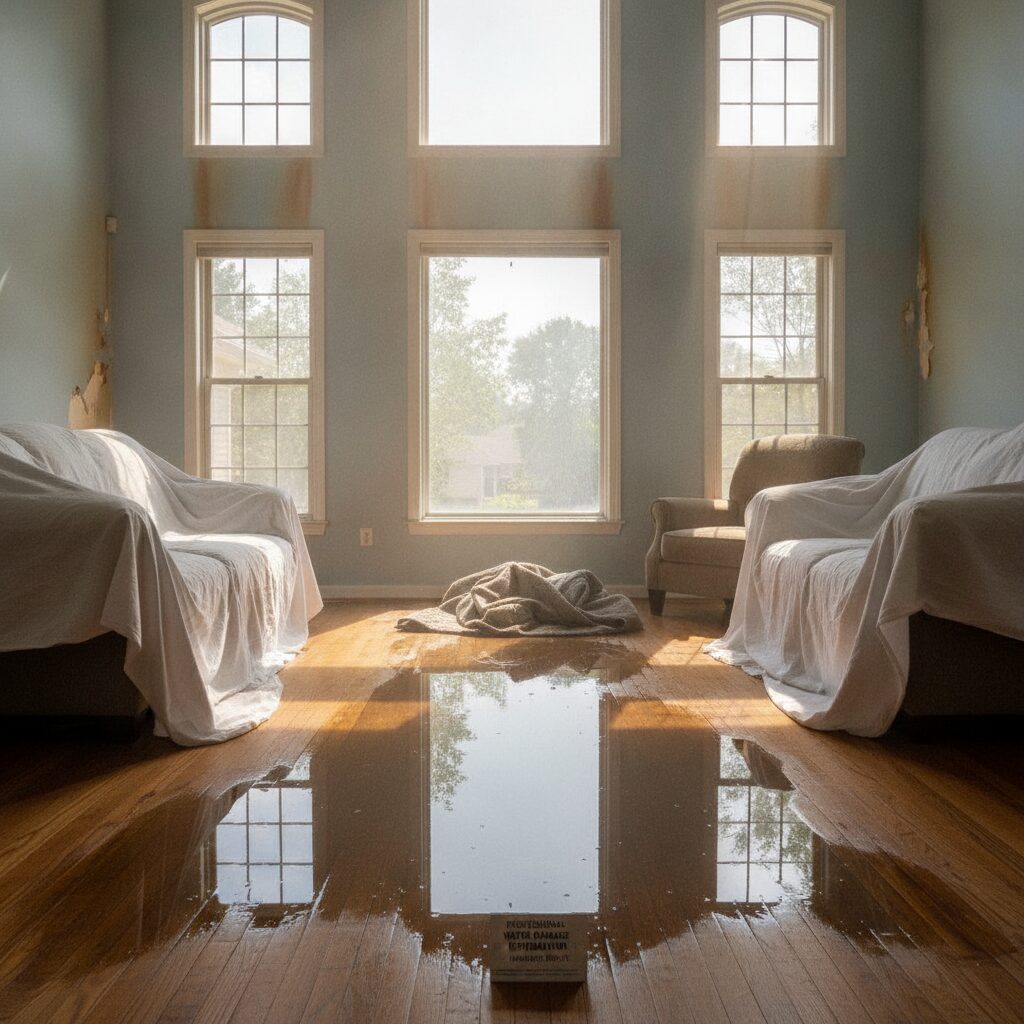
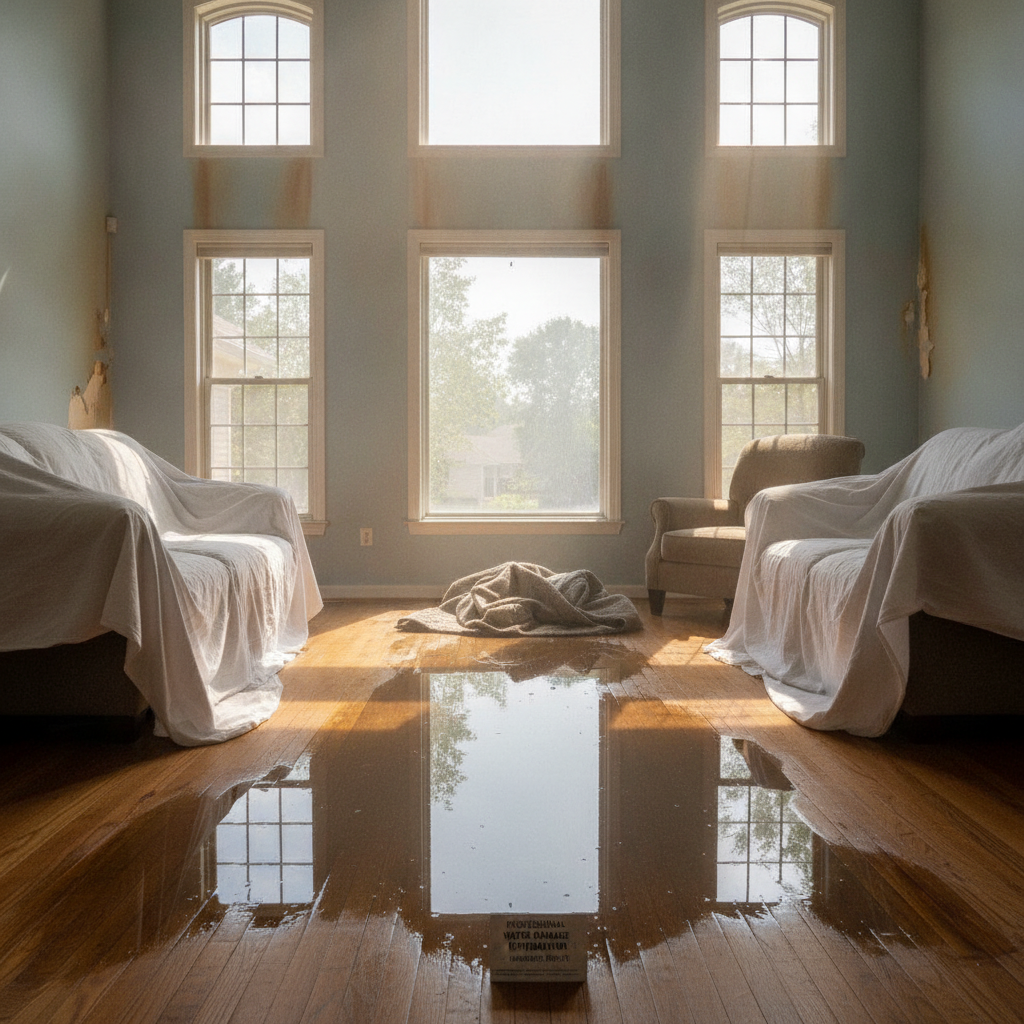
The earliest signs of water damage are often subtle, making them easy to overlook until the problem becomes serious. Business owners and property managers should be vigilant for changes in their environment that might indicate moisture intrusion. One of the most common clues is a persistent musty odor, even after cleaning. This scent is typically a result of hidden moisture, which can encourage mold growth behind walls or under flooring. Discoloration or staining on ceilings and walls, especially if it appears as yellowish or brownish rings, is another telltale sign. These spots often indicate water is seeping from above, possibly from a roof leak or plumbing issue.
Another early warning is the appearance of bubbling, peeling, or cracking paint and wallpaper. When moisture gets trapped behind these surfaces, it causes them to lose adhesion. In commercial spaces, you might notice warped baseboards, soft drywall, or even unexplained puddles after heavy rain. If you run a business with sensitive inventory or equipment, even minor water issues can escalate quickly, leading to costly downtime or damage.
Ignoring these subtle signs can allow water to infiltrate deeper into building materials, increasing the risk of structural problems and mold growth. That’s why it’s wise to have a trusted local partner like Bloomfield Construction on call. Their expertise can help you identify and address water damage before it spirals out of control, saving you time and money in the long run.
When to Suspect Hidden Water Intrusion
Not all water damage is visible. In fact, some of the most destructive moisture issues lurk out of sight. Hidden water intrusion can occur behind walls, under floors, or in ceiling cavities, often going undetected until significant damage has occurred. Common scenarios include slow leaks from plumbing pipes, malfunctioning HVAC systems, or poor drainage near the building’s foundation. Over time, these issues can compromise insulation, weaken structural supports, and create a breeding ground for mold and bacteria.
To spot hidden water problems, pay attention to unexplained increases in your water bill, which may indicate a leak. Listen for the sound of dripping or running water when all fixtures are turned off. In some cases, you might notice areas of the floor that feel unusually soft or spongy, or detect cold spots on walls that suggest trapped moisture. For business owners, unexplained humidity or condensation inside the building can point to a concealed water source.
Professional restoration teams use advanced tools like thermal imaging cameras and moisture meters to detect hidden water. If you suspect your property may have concealed moisture, reading resources such as How Water Damage Restoration Works in Bloomfield Hills Homes can help you understand the process and what to expect from a thorough inspection.
The Impact of Delayed Water Damage Repairs
Delaying water damage repairs can have far-reaching consequences for both commercial and residential properties. What starts as a small leak or damp spot can quickly escalate into major structural issues, especially if water seeps into load-bearing walls, floors, or the foundation. Over time, this can lead to sagging ceilings, warped flooring, and compromised electrical systems. For businesses, prolonged moisture exposure can damage inventory, disrupt operations, and even pose health risks to employees and customers.
One of the most serious risks of delayed repairs is mold growth. Mold can begin to develop within 24 to 48 hours of water exposure, spreading rapidly throughout a building. Once established, mold remediation becomes much more complex and expensive. Additionally, water can corrode metal components, deteriorate insulation, and attract pests like termites and rodents, all of which can further undermine your property’s integrity.
In some cases, water damage may be compounded by other disasters, such as fire. To learn how restoration professionals handle these complex situations, see How Fire Damage Restoration in Bloomfield Hills Helps Save Your Property. Acting quickly is always the best strategy to minimize costs and protect your investment.
How Water Damage Affects Building Materials
Water damage doesn’t affect all building materials equally. Some materials, like drywall and insulation, absorb moisture rapidly and can deteriorate within hours. Others, such as hardwood flooring and cabinetry, may warp or swell over several days, leading to permanent deformation. In commercial properties, water can corrode metal studs, damage electrical wiring, and compromise fireproofing materials. The effects of water on concrete and masonry are slower but can still result in cracks, spalling, and weakened structural integrity over time.
Understanding how different materials respond to moisture is essential for effective restoration. Professionals assess the extent of damage and determine which components can be salvaged and which must be replaced. For example, carpet and padding often require removal after significant exposure, while tile flooring may be cleaned and dried if the subfloor is unaffected. Timely intervention can make the difference between a partial repair and a full-scale rebuild.
If you notice signs like buckling floors, crumbling drywall, or rusting metal fixtures, it’s a clear indication that water has penetrated your building materials. Don’t wait for the problem to worsen, prompt action is key to minimizing losses and restoring your property efficiently.
Health Risks Linked to Unaddressed Water Damage
Beyond structural concerns, unaddressed water damage can pose significant health risks to occupants. Damp environments are ideal breeding grounds for mold, bacteria, and dust mites, all of which can trigger allergies, asthma, and other respiratory issues. For businesses, this can lead to increased employee sick days, reduced productivity, and potential liability if customers or staff are affected.
Mold spores can become airborne, spreading throughout the building and contaminating HVAC systems. In severe cases, certain types of mold produce mycotoxins, which may cause more serious health problems. Standing water can also attract pests like mosquitoes and rodents, further increasing health hazards. Additionally, water-damaged materials may harbor bacteria that can contribute to unpleasant odors and unsanitary conditions.
Regular inspections and prompt repairs are essential to maintain a healthy indoor environment. If you notice unexplained health symptoms among building occupants, consider a professional assessment to rule out hidden water damage as a contributing factor. Protecting the well-being of everyone who enters your property is just as important as preserving its physical structure.
Common Causes of Water Damage in Local Properties
Understanding the most frequent sources of water damage can help property owners take proactive steps to prevent issues. In this community, heavy rainfall, rapid snowmelt, and seasonal storms are common culprits. Poorly maintained roofs, clogged gutters, and inadequate drainage systems can allow water to infiltrate buildings during inclement weather. Plumbing failures, such as burst pipes, leaking appliances, or faulty water heaters, are also leading causes of interior water damage.
Commercial properties may face additional risks from sprinkler system malfunctions, HVAC leaks, or equipment failures. In older buildings, aging infrastructure increases the likelihood of leaks and moisture problems. Regular maintenance, timely repairs, and periodic inspections are the best defenses against unexpected water intrusion.
By identifying and addressing these common causes, property owners can reduce the risk of costly repairs and ensure their buildings remain safe and functional year-round.
Comparing DIY and Professional Water Damage Repair
When faced with water damage, some property owners may be tempted to tackle repairs themselves. While minor issues like small leaks or surface stains can sometimes be handled with household tools and cleaning products, more serious or widespread damage requires professional intervention. DIY repairs often fail to address hidden moisture, leading to recurring problems and increased costs down the line.
Professional restoration teams bring specialized equipment, such as industrial dehumidifiers, moisture meters, and thermal imaging cameras, to ensure all affected areas are thoroughly dried and treated. They also have the expertise to identify structural issues, assess the safety of electrical systems, and prevent mold growth. In commercial settings, professional repairs are essential to minimize business interruption and comply with health and safety regulations.
Ultimately, investing in professional water damage repair provides peace of mind, knowing that your property is restored to a safe and healthy condition. For complex or large-scale incidents, always consult a certified restoration company to ensure the job is done right.
Table: Visible vs. Hidden Signs of Water Damage
| Visible Signs | Hidden Signs |
|---|---|
| Stains on ceilings or walls | Musty odors with no clear source |
| Peeling paint or wallpaper | Unexplained humidity or condensation |
| Warped or buckled flooring | Soft or spongy areas underfoot |
| Visible mold growth | Sudden increase in water bills |
| Puddles or standing water | Sounds of dripping or running water |
This table highlights the difference between visible and hidden signs of water damage. Property owners should be alert to both, as hidden signs often indicate a more advanced or widespread problem that requires professional assessment and remediation.
Why Timely Restoration Saves Money
Acting quickly when water damage is discovered can significantly reduce repair costs and prevent further complications. The longer moisture remains in building materials, the more extensive the damage becomes. Early intervention allows for targeted repairs, minimizing the need to replace large sections of drywall, flooring, or insulation. It also reduces the likelihood of mold growth, which can be expensive and time-consuming to remediate.
For business owners, timely restoration means less disruption to operations and a faster return to normal. Insurance claims are often easier to process when you can demonstrate that you took prompt action to mitigate damage. In some cases, waiting too long may even result in denied claims or reduced coverage. By addressing water issues as soon as they arise, you protect both your property and your bottom line.
Remember, the cost of professional restoration is often far less than the expense of major structural repairs or lost business revenue. Don’t hesitate to seek expert help at the first sign of trouble.
Choosing the Right Restoration Partner
Selecting a qualified restoration company is a critical step in recovering from water damage. Look for providers with certified technicians, proven experience, and a reputation for reliability in the region. Ask about their response times, equipment, and the scope of services they offer. A reputable company will provide a detailed assessment, transparent pricing, and a clear plan for restoration.
For business owners, it’s important to choose a partner who understands the unique needs of commercial properties, including compliance with local regulations and the importance of minimizing downtime. Check for references, read reviews, and verify insurance and licensing before making a decision. The right restoration partner will not only repair the damage but also help you implement strategies to prevent future incidents.
Building a relationship with a trusted local company ensures you have expert support whenever water issues arise. This peace of mind is invaluable for protecting your property and your business.
Key Takeaways
Water damage can threaten the value, safety, and health of any property, whether it’s a bustling business or a cherished home. Recognizing the early and hidden signs of trouble is the first step toward effective prevention and recovery. Delayed repairs can lead to escalating costs and health risks, making timely intervention essential. Professional restoration services offer the expertise, equipment, and peace of mind needed to address water damage thoroughly and efficiently. By staying vigilant, acting quickly, and partnering with experienced professionals, property owners in this area can protect their investments and ensure a safe, welcoming environment for everyone who enters. Don’t let water damage go unchecked, know the signs, take action, and keep your property resilient for the long term.