When fire strikes, the aftermath can feel overwhelming for any property owner. In the midst of dealing with structural repairs and insurance claims, one crucial aspect often gets overlooked: the cleaning and restoration of your belongings. Contents cleaning is a specialized process that plays a vital role in fire damage restoration Bloomfield Hills residents rely on to reclaim their homes and businesses. Whether you’re a small business owner, a developer, or simply a concerned neighbor, understanding how contents cleaning works, and why it matters, can make a world of difference in your recovery journey. From salvaging cherished items to ensuring a safe and healthy environment, this guide explores the ins and outs of contents cleaning and how it supports a full recovery after a fire event in this community.
What Is Contents Cleaning and Why Does It Matter?
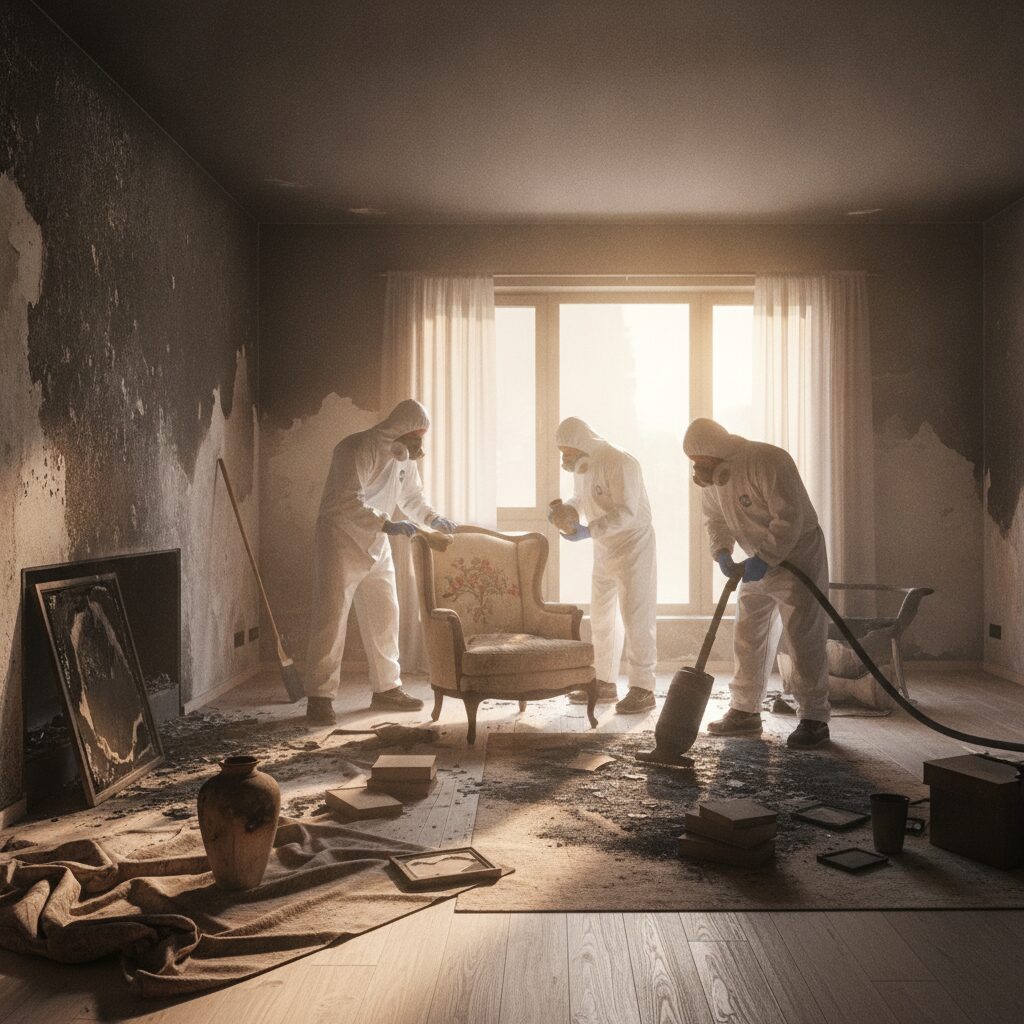
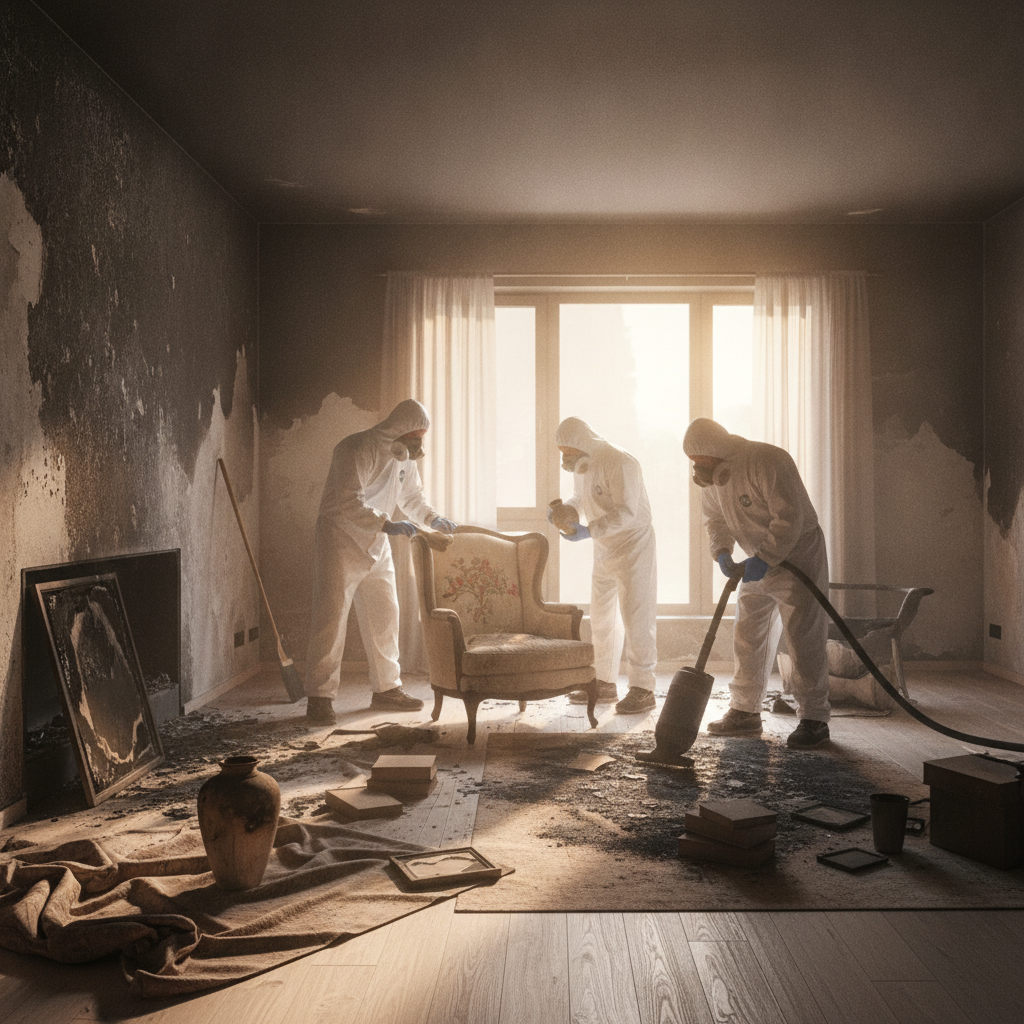
Contents cleaning refers to the professional process of restoring personal property and business assets that have been affected by fire, smoke, and soot. Unlike basic surface cleaning, this service involves specialized techniques to remove contaminants, neutralize odors, and bring items back to a usable state whenever possible. The goal is to save as much as possible, from furniture and electronics to sentimental keepsakes and important documents.
The importance of contents cleaning in fire damage recovery cannot be overstated. Soot and smoke residues are not just unsightly, they can be toxic and corrosive, causing further deterioration if not addressed promptly and correctly. Professional cleaning helps prevent secondary damage, reduces replacement costs, and supports a faster, more complete restoration process. For local business owners, this means less downtime and a quicker return to normal operations. For families, it can mean the difference between losing treasured possessions and seeing them restored to their former glory.
Choosing a reputable restoration company like Bloomfield Construction ensures that your contents are handled with care, expertise, and the right technology. This step is a cornerstone of comprehensive fire damage recovery, making it essential for anyone facing the aftermath of a fire.
The Contents Cleaning Process Explained
Understanding the steps involved in contents cleaning can help demystify the process and set realistic expectations. The journey begins with a thorough assessment, where restoration professionals inventory all affected items, documenting their condition and determining what can be salvaged. This is followed by careful packing and transport to a secure cleaning facility, if needed, where advanced cleaning methods are employed.
Techniques may include ultrasonic cleaning for delicate items, ozone treatment for odor removal, and specialized washing systems for textiles. Each item is treated according to its material and level of contamination. After cleaning, items are dried, deodorized, and carefully stored until the property is ready for their return. Throughout the process, detailed records are kept to support insurance claims and ensure accountability.
For those dealing with fire recovery, understanding this process offers peace of mind and clarity. If your property has also suffered from storm-related issues, you may find it helpful to read Storm Damage Roof Repair: What Bloomfield Hills Homeowners Should Know for additional insights into restoration challenges.
Common Challenges in Salvaging Fire-Damaged Belongings
Recovering items after a fire is rarely straightforward. One of the primary challenges is the diverse nature of contents, different materials react uniquely to heat, smoke, and moisture. For example, electronics may suffer from internal corrosion, while fabrics can absorb odors deeply. Paper documents are especially vulnerable to both fire and water used during firefighting efforts.
Another major hurdle is the presence of toxic residues. Soot can be acidic, damaging surfaces over time, and smoke particles may embed themselves in porous materials. Time is of the essence, as delays in cleaning can make restoration more difficult or even impossible. Additionally, the emotional value of certain items can complicate decisions about what to restore versus replace.
Water damage is also a frequent companion to fire incidents, adding another layer of complexity. If you suspect water damage in your property, check out Signs Your Bloomfield Hills Property Needs Professional Water Damage Repair for guidance on recognizing and addressing these issues promptly.
How Smoke and Soot Impact Your Possessions
Smoke and soot are among the most damaging byproducts of a fire. Even if flames never touch certain items, smoke can infiltrate every nook and cranny, leaving behind stubborn odors and residues. Soot particles, which are tiny and acidic, can corrode metals, discolor plastics, and stain fabrics. Without prompt and proper cleaning, these residues may cause permanent damage.
The impact of smoke and soot varies based on the type of fire and materials involved. Protein fires (often from kitchen incidents) leave a greasy residue, while synthetic materials can produce sticky, hard-to-remove soot. Restoration professionals use specialized cleaning agents and equipment to address these challenges, ensuring that items are not only visually clean but also safe for use.
Understanding the science behind smoke and soot damage underscores the need for expert intervention. DIY cleaning methods are often ineffective and may even worsen the problem, making professional contents cleaning a wise investment for complete recovery.
Specialized Techniques Used in Contents Restoration
Contents cleaning is not a one-size-fits-all service. Restoration professionals employ a range of techniques tailored to the type and extent of damage. Ultrasonic cleaning, for example, uses high-frequency sound waves in a liquid bath to gently clean delicate items like jewelry, glassware, and electronics. Ozone generators are used to neutralize persistent odors, especially in fabrics and porous materials.
For textiles, advanced washing systems can remove soot and smoke particles without damaging fibers. Freeze-drying is sometimes used to restore important documents and books that have been exposed to water. Additionally, HEPA-filtered vacuums and air scrubbers help remove airborne contaminants, improving overall indoor air quality during the cleaning process.
These specialized methods require both expertise and the right equipment, highlighting the value of working with experienced restoration teams. The goal is always to maximize recovery, minimize loss, and ensure the safety of all restored items.
The Role of Inventory and Documentation in Recovery
A meticulous inventory is the backbone of effective contents cleaning. Restoration professionals start by cataloging every item affected by fire, smoke, or water. This documentation serves several critical purposes: it helps track the cleaning process, supports insurance claims, and provides peace of mind to property owners who want to know the status of their belongings.
Digital tools are often used to create detailed inventories, including photographs, descriptions, and notes on the condition of each item. This transparency ensures that nothing is overlooked and that owners can make informed decisions about what to restore, replace, or discard. Accurate records also streamline communication with insurance adjusters, making the claims process smoother and more efficient.
By prioritizing thorough documentation, restoration teams help clients regain control during a stressful time. This organized approach is especially valuable for businesses with extensive inventories or homeowners with irreplaceable keepsakes.
Protecting Sensitive and High-Value Items
Not all contents are created equal. Some items, such as antiques, artwork, electronics, and important documents, require extra care during the restoration process. Specialized handling, climate-controlled storage, and custom cleaning protocols are often necessary to prevent further damage and preserve value.
Restoration professionals assess the unique needs of each high-value item, consulting with conservators or technical experts when needed. For example, artwork may be cleaned using gentle, non-abrasive techniques, while electronics might be disassembled and treated with anti-corrosive solutions. Sensitive documents can be freeze-dried to halt water damage and then carefully restored.
This attention to detail ensures that even the most delicate possessions have the best chance of recovery. For property owners, knowing that cherished or valuable items are in expert hands can provide significant reassurance during the restoration process.
Table: Typical Contents Cleaning Methods and Their Applications
| Method | Best For | Description |
|---|---|---|
| Ultrasonic Cleaning | Jewelry, Glassware, Electronics | Uses sound waves in water to gently remove soot and debris from delicate items. |
| Ozone Treatment | Fabrics, Upholstery, Porous Items | Neutralizes smoke odors by breaking down odor molecules. |
| HEPA Vacuuming | Hard Surfaces, Carpets | Removes fine soot particles from surfaces and improves air quality. |
| Freeze Drying | Documents, Books, Photos | Stops water damage and preserves paper materials by removing moisture in a frozen state. |
| Textile Washing Systems | Clothing, Linens, Drapes | Cleans and deodorizes fabrics using specialized detergents and equipment. |
How Contents Cleaning Supports Business Continuity
For small business owners, fire damage can threaten not just property but also livelihoods. Contents cleaning is a critical part of business continuity planning, as it enables faster recovery of essential equipment, inventory, and records. By salvaging and restoring key assets, businesses can reduce downtime, maintain customer trust, and avoid costly replacements.
Professional restoration teams work closely with business owners to prioritize items that are crucial for operations. This might include point-of-sale systems, computers, or specialized machinery. By documenting and cleaning these assets efficiently, restoration experts help businesses get back on their feet sooner, minimizing the financial and reputational impact of a fire event.
Investing in contents cleaning is not just about saving money, it’s about preserving the continuity and resilience of local businesses in the face of unexpected challenges.
The Human Side of Contents Restoration
Beyond the technical aspects, contents cleaning is deeply personal. For many, the items affected by fire carry memories and emotional significance that go far beyond their monetary value. Restoration professionals understand this, approaching each project with empathy and respect for what clients have lost, and what can be saved.
Open communication is key throughout the process. Property owners are kept informed about the status of their belongings, and sensitive items are handled with extra care. In some cases, families are reunited with cherished heirlooms or photographs that seemed beyond hope, providing comfort and a sense of continuity during a difficult time.
This human-centered approach is what sets professional contents cleaning apart. It’s not just about restoring objects, it’s about helping people reclaim a sense of normalcy and move forward after a traumatic event.
Working with Insurance During Contents Cleaning
Navigating insurance claims can be one of the most stressful parts of fire recovery. Fortunately, professional contents cleaning services are well-versed in working with insurance adjusters to ensure a smooth process. Detailed inventories, before-and-after photos, and clear documentation make it easier to justify restoration costs and demonstrate the value of salvaged items.
Restoration teams often coordinate directly with insurance providers, streamlining communication and reducing the burden on property owners. This collaboration helps ensure that claims are processed efficiently and that clients receive the support they need to recover fully.
By choosing a restoration company with experience in insurance coordination, property owners can focus on what matters most, rebuilding and moving forward, while experts handle the paperwork and logistics.
Final Thoughts
Contents cleaning is a critical, often underestimated part of fire damage restoration in this area. It combines technical expertise with compassion, offering hope and tangible results to those facing loss. By understanding the process, challenges, and benefits of professional contents cleaning, property owners and businesses can make informed decisions that support a full and healthy recovery.
Whether you’re dealing with the aftermath of a fire or planning ahead for disaster preparedness, remember that the right restoration team can make all the difference. With skilled professionals, advanced technology, and a commitment to customer care, contents cleaning helps transform chaos into comfort, and loss into renewal.