When a fire strikes a property, the aftermath can feel overwhelming. For small business owners, developers, and residents in the area, the immediate priority is safety and security. Fire damage leaves structures exposed, vulnerable to weather, theft, and further deterioration. That’s where emergency board-up and property securing services become essential. Fire Damage Restoration Bloomfield Hills is more than just cleaning up soot and debris; it’s about protecting what remains, preventing additional loss, and laying the groundwork for a smooth recovery. In this guide, we’ll explore why board-up and securing are critical, what steps professionals take, and how to navigate the aftermath with confidence. Whether you’re facing a recent fire or planning ahead, understanding these processes ensures you’re prepared to act quickly and effectively when it matters most.
Why Immediate Board-Up Is Critical After Fire Damage
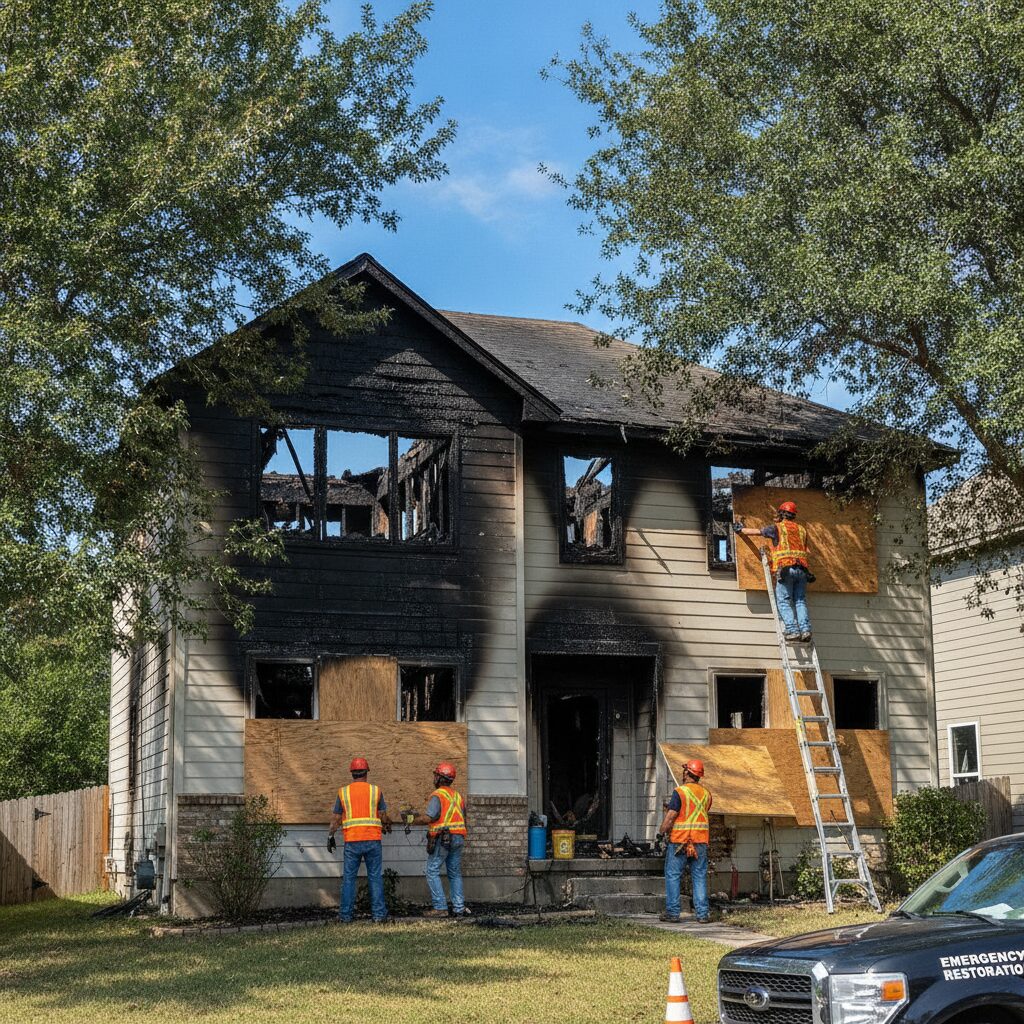
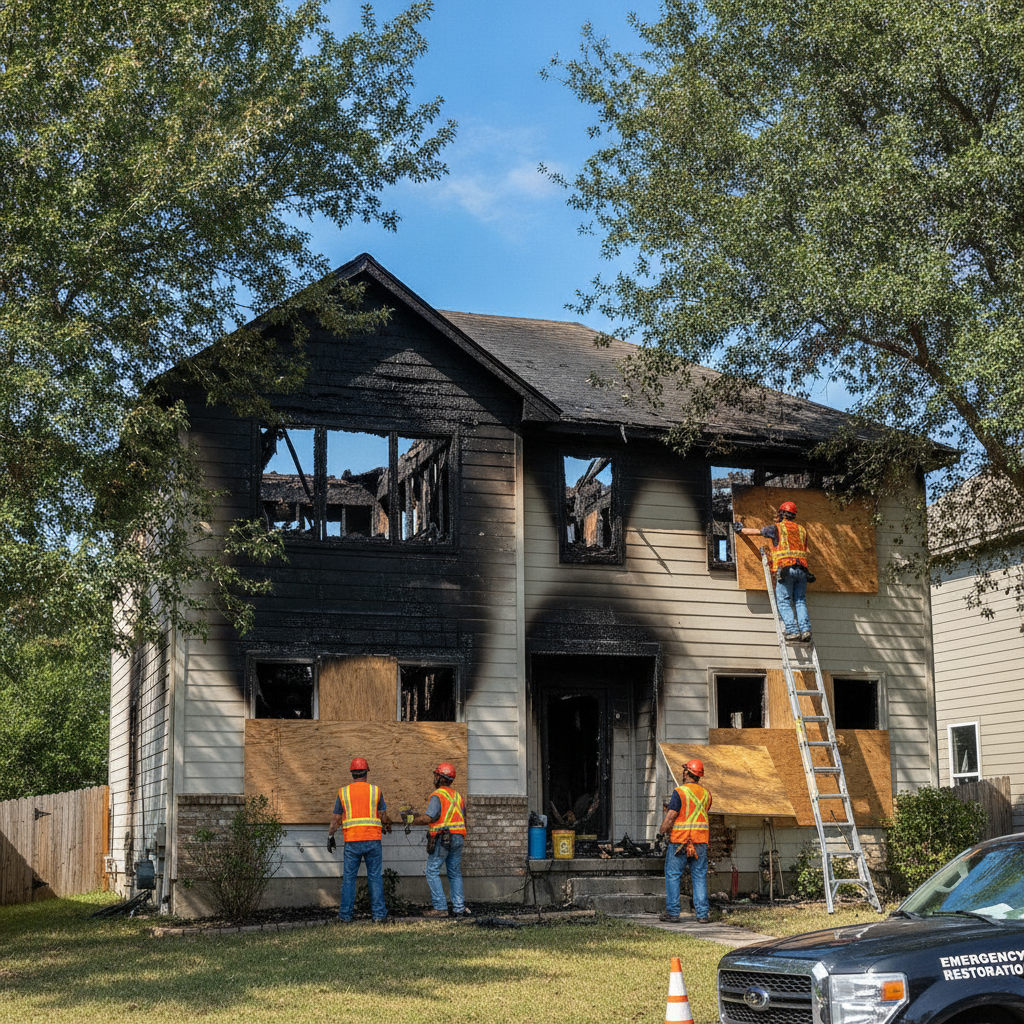
After a fire, the structure’s integrity is often compromised, leaving windows shattered, doors broken, and roofs exposed. Immediate board-up is crucial to shield the property from the elements, rain, wind, and snow can cause further damage, especially when the building envelope is breached. Additionally, an unsecured site can attract trespassers or vandals, leading to theft or liability issues. Insurance companies frequently require prompt action to prevent secondary losses, making swift board-up not just a best practice but a necessity for claim compliance. Professional board-up teams use specialized materials and techniques to create a strong barrier, ensuring the site remains safe until restoration can begin. For business owners, this step can mean the difference between a manageable setback and a prolonged, costly recovery. Partnering with experienced restoration professionals like Bloomfield Construction ensures that your property is protected from day one, giving peace of mind during a stressful time.
Understanding the Board-Up Process for Local Businesses
The board-up process is more than simply nailing plywood over broken windows. For commercial properties, professionals begin with a thorough assessment, identifying all points of vulnerability, doors, windows, skylights, and even roof openings. Safety is paramount, so teams wear protective gear and check for structural hazards before work begins. Next, they measure and custom-cut boards to fit each opening, securing them with heavy-duty fasteners that withstand wind and tampering. In some cases, clear polycarbonate panels are used to maintain visibility for security cameras or allow light into the space. Fire-damaged properties may also require temporary fencing or signage to keep unauthorized individuals away. Throughout the process, documentation is key, photos and notes are taken to support insurance claims and track progress. By entrusting this work to specialists, business owners in the region can minimize downtime and focus on recovery, knowing their property is in good hands. For more insight into protecting your investment, see The Importance of Proper Roof Ventilation for Bloomfield Hills Homes.
Securing Contents and Preventing Further Loss
Securing a fire-damaged property goes beyond the exterior. Inside, valuable contents, furniture, electronics, inventory, and personal items, are often at risk from exposure, theft, or water used during firefighting. Restoration professionals prioritize the removal or protection of salvageable items. This may involve relocating contents to a secure off-site facility or sealing them within the property using plastic sheeting and moisture barriers. Detailed inventories are created to track what is saved and what is lost, supporting both insurance claims and future restoration planning. Special attention is given to sensitive materials like documents, artwork, or electronics, which may require climate-controlled storage or specialized cleaning. By acting quickly, property owners can often recover more than expected, reducing overall losses. For a deeper look at how restoration experts handle contents, check out How Water Damage Restoration Helps Save Salvageable Contents in Bloomfield Hills.
Coordinating With Insurance and Local Authorities
Navigating the aftermath of a fire involves more than physical repairs. Property owners must coordinate with insurance adjusters, fire marshals, and sometimes law enforcement. Prompt board-up and securing demonstrate due diligence, which is often required by insurance policies to validate claims. Restoration professionals can assist by providing documentation, photographs, and detailed reports of the damage and the steps taken to protect the site. This transparency streamlines the claims process, reducing delays and disputes. In addition, local authorities may need to inspect the property for safety or investigation purposes. Working with a restoration company familiar with local protocols ensures compliance with regulations and helps avoid unnecessary complications. Clear communication between all parties supports a faster, smoother recovery, allowing business owners and residents to focus on rebuilding rather than red tape.
Weatherproofing Strategies for Exposed Structures
Weather is unpredictable, and fire-damaged buildings are especially vulnerable. Rain, snow, and wind can quickly turn minor damage into a major disaster if not addressed. Restoration teams use a variety of weatherproofing strategies to protect exposed structures. Heavy-duty tarps are often deployed over damaged roofs, secured tightly to prevent leaks. Windows and doors are not just boarded up but also sealed around the edges to keep moisture out. In some cases, temporary roof structures or enclosures are built to shield large openings. These measures are not only about preventing water intrusion but also about maintaining the building’s temperature and humidity, which is crucial for preserving what remains inside. By investing in thorough weatherproofing, property owners can avoid costly secondary repairs and ensure a safer environment for restoration crews and future occupants.
Safety Hazards and How Professionals Mitigate Risks
Fire-damaged properties present a host of safety hazards, from weakened floors and falling debris to lingering smoke and hazardous materials. Professional restoration teams are trained to identify and mitigate these risks before beginning any board-up or securing work. They conduct a thorough site assessment, looking for signs of structural instability, electrical hazards, and the presence of hazardous substances like asbestos or chemicals. Personal protective equipment (PPE) is mandatory, and specialized tools are used to minimize exposure. In some cases, temporary shoring or bracing is installed to support compromised walls or ceilings. Access is strictly controlled, with clear signage and barriers to keep unauthorized individuals out. By following strict safety protocols, professionals protect not only themselves but also property owners and the broader community from unnecessary harm.
Choosing the Right Materials for Board-Up and Securing
The effectiveness of a board-up job depends largely on the materials used. While plywood is the most common choice, not all plywood is created equal, thicker, exterior-grade boards provide better protection against weather and forced entry. For high-visibility locations or longer-term securing, polycarbonate panels offer a clear, impact-resistant alternative that maintains aesthetics and allows light inside. Heavy-duty screws and bolts are preferred over nails for added strength and security. Weatherproof sealants are applied around boards and tarps to prevent moisture intrusion. In some cases, temporary metal doors or fencing may be installed for added protection. Restoration professionals select materials based on the property’s unique needs, balancing security, durability, and cost. Using the right materials from the start ensures the site remains safe and secure throughout the restoration process.
Common Mistakes to Avoid During Emergency Board-Up
In the rush to secure a fire-damaged property, it’s easy to make mistakes that can lead to further problems. One common error is using inadequate materials, thin plywood or makeshift boards are easily breached by weather or intruders. Another mistake is failing to seal the edges of boards, allowing water to seep in and cause mold or structural damage. Some property owners attempt DIY board-up without proper tools or knowledge, risking injury or incomplete protection. Overlooking the importance of documenting the process can also create headaches during insurance claims. Finally, neglecting to secure interior contents leaves valuable items exposed to theft or further deterioration. By working with experienced professionals, property owners can avoid these pitfalls and ensure their site is truly protected.
Temporary Security Measures for Peace of Mind
Boarding up a property is just one aspect of securing it after a fire. Temporary security measures can provide additional peace of mind during the vulnerable recovery period. Restoration teams may install motion-activated lighting or portable security cameras to deter trespassers. Temporary fencing or barricades can keep unauthorized individuals at a safe distance. For businesses, maintaining a visible presence, such as regular site checks or on-call security, can further reduce risks. In some cases, alarm systems or remote monitoring services are used to provide real-time alerts. These measures not only protect the property but also reassure owners, employees, and neighbors that safety is a top priority. By combining physical barriers with modern technology, restoration professionals create a comprehensive security plan tailored to each site’s needs.
The Role of Professional Restoration Teams in Recovery
Professional restoration teams play a pivotal role in the recovery process after fire damage. Their expertise goes beyond board-up, they assess structural integrity, salvage valuable contents, and coordinate with insurance and local authorities. These teams bring specialized equipment, from moisture meters to air scrubbers, ensuring that every aspect of the property is addressed. Their experience allows them to anticipate challenges and implement solutions quickly, minimizing downtime and preventing costly mistakes. For business owners and residents, working with a trusted restoration partner means having an advocate throughout the journey, from the initial emergency response to the final stages of rebuilding. This comprehensive approach accelerates recovery, reduces stress, and helps restore normalcy faster than going it alone.
| Step | Purpose | Key Materials Used |
|---|---|---|
| Initial Assessment | Identify hazards and vulnerabilities | Safety gear, inspection tools |
| Board-Up | Secure openings and prevent intrusion | Plywood, polycarbonate panels, screws, bolts |
| Weatherproofing | Protect from rain, wind, and snow | Tarps, sealants, temporary enclosures |
| Securing Contents | Prevent theft and further damage | Plastic sheeting, moisture barriers, inventory lists |
| Temporary Security | Deter trespassers and monitor site | Fencing, cameras, lighting |
Final Thoughts
Recovering from fire damage is never easy, but taking the right steps in the critical hours and days afterward can make all the difference. Emergency board-up and property securing are foundational to protecting your investment and setting the stage for a successful restoration. By understanding the process, working with experienced professionals, and avoiding common mistakes, business owners and residents in this community can move forward with confidence. Remember, the goal isn’t just to repair what was lost but to build back stronger and safer. With the right support and a proactive approach, the path to recovery becomes clearer, and the future looks brighter for everyone impacted by fire damage.