Water intrusion can be a silent enemy for property owners, often causing damage long before any visible signs appear. For small business owners, developers, and residents in the area, identifying hidden water issues quickly is essential to prevent costly repairs and maintain property value. Water Damage Restoration Bloomfield Hills services have evolved dramatically in recent years, thanks in large part to advanced technologies like thermal imaging. This non-invasive tool gives restoration professionals a powerful edge in detecting moisture that would otherwise go unnoticed behind walls, under floors, or above ceilings. In this article, we’ll explore how thermal imaging works, why it’s become indispensable for property restoration, and what local property owners should know about leveraging this technology to protect their investments. Whether you’re a business owner, a builder, or a homeowner, understanding the role of thermal imaging can help you make smarter decisions when water damage threatens your property.
Why Hidden Water Intrusion Is So Difficult to Detect
Water intrusion rarely announces itself with a dramatic flood. More often, it creeps in quietly through small leaks, condensation, or minor breaches in a building’s envelope. These subtle sources can be just as destructive as a major event, but they’re much harder to spot. Water may travel along pipes, beams, or wiring, showing up far from its original entry point. By the time stains, odors, or mold appear, significant damage may have already occurred. Traditional inspection methods, like visual checks or moisture meters, have their limits. They can miss moisture trapped deep within walls or beneath layers of flooring. This is where advanced technology, such as thermal imaging, becomes a game changer for property owners and restoration professionals alike. For those seeking reliable detection and repair, working with experts like Bloomfield Construction ensures that even the most elusive water issues are found and addressed before they escalate.
How Thermal Imaging Technology Finds Moisture Where You Can’t See
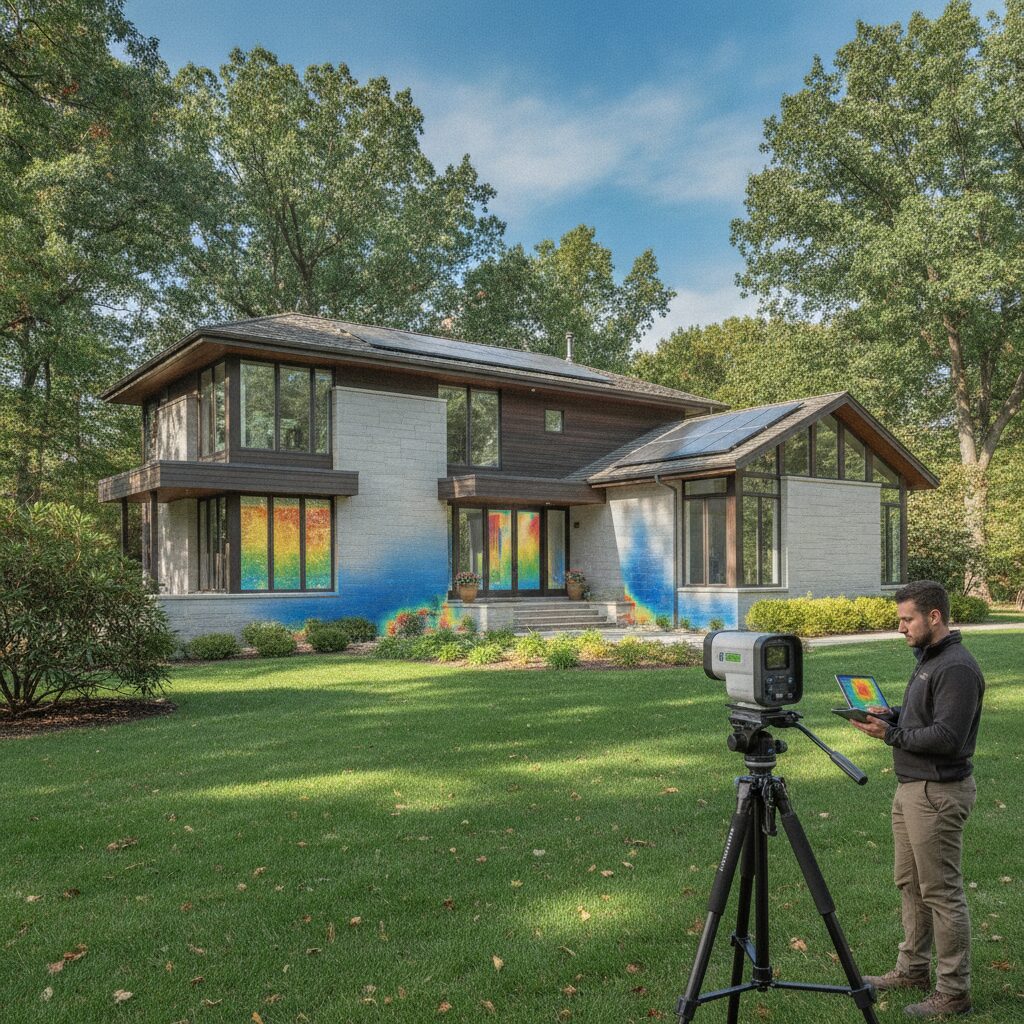
Thermal imaging, also known as infrared thermography, uses specialized cameras to detect temperature differences on surfaces. When water is present inside a wall, ceiling, or floor, it changes the way heat moves through that material. Moisture often makes surfaces cooler than their dry surroundings. A thermal camera translates these subtle temperature variations into a visual map, highlighting cooler, potentially damp areas in real time. This allows restoration teams to pinpoint hidden leaks, wet insulation, or saturated framing without tearing into the structure. Unlike invasive methods, thermal imaging is fast, non-destructive, and highly accurate when used by trained professionals. It’s especially valuable in commercial settings, where downtime and disruption must be minimized. For those interested in building resilience against the region’s unpredictable weather, the article How to Choose the Right Roofing Material for Bloomfield Hills Weather offers insights on preventative measures that complement advanced detection tools like thermal imaging.
The Science Behind Infrared Moisture Detection
Thermal imaging works by capturing infrared radiation, which all objects emit based on their temperature. When water seeps into building materials, it alters their thermal properties. Wet areas tend to retain coolness longer than dry areas, especially after environmental changes like air conditioning or sunlight exposure. A skilled technician can interpret these thermal patterns to distinguish between normal temperature variations and those caused by hidden moisture. However, interpreting thermal images requires expertise, false positives can occur due to airflow, insulation gaps, or even electrical wiring. That’s why professionals combine thermal imaging with other diagnostic tools, such as moisture meters and visual inspections, to confirm their findings. This multi-layered approach ensures that restoration efforts are targeted and effective, reducing unnecessary demolition and repair costs. For property owners, understanding the science behind these tools provides confidence that their building is being assessed with the most advanced methods available.
Common Sources of Hidden Water Intrusion in Local Properties
In this community, properties face a range of water intrusion risks due to climate, aging infrastructure, and building design. Some of the most frequent sources include roof leaks, poorly sealed windows, compromised foundations, and plumbing failures. In commercial buildings, HVAC systems and flat roofs can be particularly vulnerable. Even minor construction flaws or deferred maintenance can allow moisture to enter and accumulate over time. Seasonal weather swings, from heavy rains to rapid freeze-thaw cycles, further challenge the integrity of building envelopes. Because these issues often remain hidden until significant damage has occurred, proactive inspection using thermal imaging is a smart move for anyone responsible for property upkeep. By identifying moisture early, owners can address the root cause and avoid secondary problems like mold growth, wood rot, or structural weakening.
Comparing Thermal Imaging to Traditional Moisture Detection Methods
Traditional moisture detection relies heavily on visual inspections and handheld moisture meters. While these methods are useful, they have notable limitations. Visual checks can only reveal what’s on the surface, and moisture meters require physical contact with the material, which isn’t always possible or practical. In contrast, thermal imaging provides a broader, non-invasive view, scanning large areas quickly and revealing hidden patterns that might otherwise be missed. It’s particularly effective for detecting moisture behind finished surfaces, under floors, or above ceilings, areas that are difficult to access without causing damage. The table below highlights key differences between these approaches, helping property owners understand the value of incorporating thermal imaging into their water damage prevention and restoration strategies.
| Detection Method | Advantages | Limitations |
|---|---|---|
| Visual Inspection | Simple, low cost, immediate feedback | Misses hidden moisture, subjective, surface only |
| Moisture Meter | Quantifies moisture, portable, targeted | Requires contact, slow for large areas, limited depth |
| Thermal Imaging | Non-invasive, covers large areas, reveals hidden moisture | Requires expertise, may need confirmation, equipment cost |
Benefits of Early Water Intrusion Detection for Businesses
For small business owners, the impact of hidden water intrusion goes beyond repair costs. Undetected moisture can disrupt operations, damage inventory, and create health hazards for employees and customers. Early detection with thermal imaging helps businesses avoid these pitfalls by enabling prompt, targeted repairs. This minimizes downtime and preserves the reputation of the business. Additionally, catching water issues early can prevent secondary damage, such as mold growth or structural decay, which are often much more expensive to address. Insurance claims are also more likely to be approved when there’s clear, documented evidence of the source and extent of damage. By investing in advanced detection methods, business owners demonstrate proactive stewardship of their property, which can pay dividends in both the short and long term.
Thermal Imaging in Action: Real-World Scenarios
Imagine a local retail store that suddenly develops a musty odor, but no visible leaks or stains. A thermal imaging scan reveals a cold, damp patch behind a display wall, evidence of a slow plumbing leak. By identifying the exact location, the repair team can open only the affected section, fix the leak, and dry out the area before mold sets in. In another scenario, a commercial office building experiences ceiling discoloration after a heavy rainstorm. Thermal imaging quickly pinpoints the wet insulation above, allowing for targeted drying and repairs without disrupting the entire workspace. These real-world examples highlight the technology’s ability to save time, money, and hassle. For homeowners, the article How to Spot Secondary Water Damage Before It Spreads in Bloomfield Hills Homes offers practical advice on what to watch for after an initial water event.
What to Expect During a Professional Thermal Imaging Inspection
A professional thermal imaging inspection typically begins with a walkthrough to identify potential problem areas based on the building’s history and current symptoms. The technician then uses a handheld infrared camera to scan walls, ceilings, floors, and other surfaces. Images are analyzed on the spot to identify temperature anomalies that may indicate hidden moisture. If suspicious areas are found, the technician may use a moisture meter to confirm the presence of water. The results are documented in a detailed report, often including annotated thermal images and recommendations for next steps. This process is quick, non-invasive, and causes minimal disruption to daily activities. Property owners receive valuable insights into the health of their building, empowering them to make informed decisions about repairs or further investigation.
How Local Conditions Influence Water Intrusion Risks
Properties in the region face unique water intrusion challenges due to local weather patterns, soil conditions, and construction styles. Heavy spring rains, rapid snowmelt, and high humidity can all contribute to increased moisture levels in buildings. Older properties may lack modern waterproofing measures, making them more susceptible to leaks and seepage. Even new construction can be at risk if materials are not properly sealed or if drainage systems are inadequate. Understanding these local factors helps property owners prioritize inspections and maintenance, especially during seasons when water intrusion risks are highest. By staying proactive and leveraging advanced detection tools, residents and businesses can reduce the likelihood of costly surprises.
Choosing the Right Restoration Partner for Your Property
Selecting a restoration company with expertise in thermal imaging is crucial for effective water damage mitigation. Look for providers who invest in up-to-date technology and ongoing training for their technicians. Ask about their inspection process, the equipment they use, and how they confirm their findings. A reputable company will provide clear documentation and explain their recommendations in understandable terms. They should also be familiar with local building codes and insurance requirements, ensuring that all work is compliant and properly documented. By choosing a partner who prioritizes accuracy and transparency, property owners can feel confident that their water intrusion issues will be resolved quickly and thoroughly.
Key Takeaways
Thermal imaging has transformed the way property owners and restoration professionals detect and address hidden water intrusion. By providing a non-invasive, accurate view of moisture inside building materials, this technology helps prevent minor leaks from turning into major disasters. For small business owners, developers, and residents in the area, investing in regular thermal imaging inspections can mean the difference between routine maintenance and costly repairs. Understanding the science, benefits, and practical applications of thermal imaging empowers you to protect your property and make informed decisions. As water intrusion risks continue to evolve with changing weather and building practices, staying ahead with advanced detection methods is more important than ever. If you suspect hidden water issues or simply want peace of mind, consider scheduling a professional inspection to safeguard your investment for years to come.