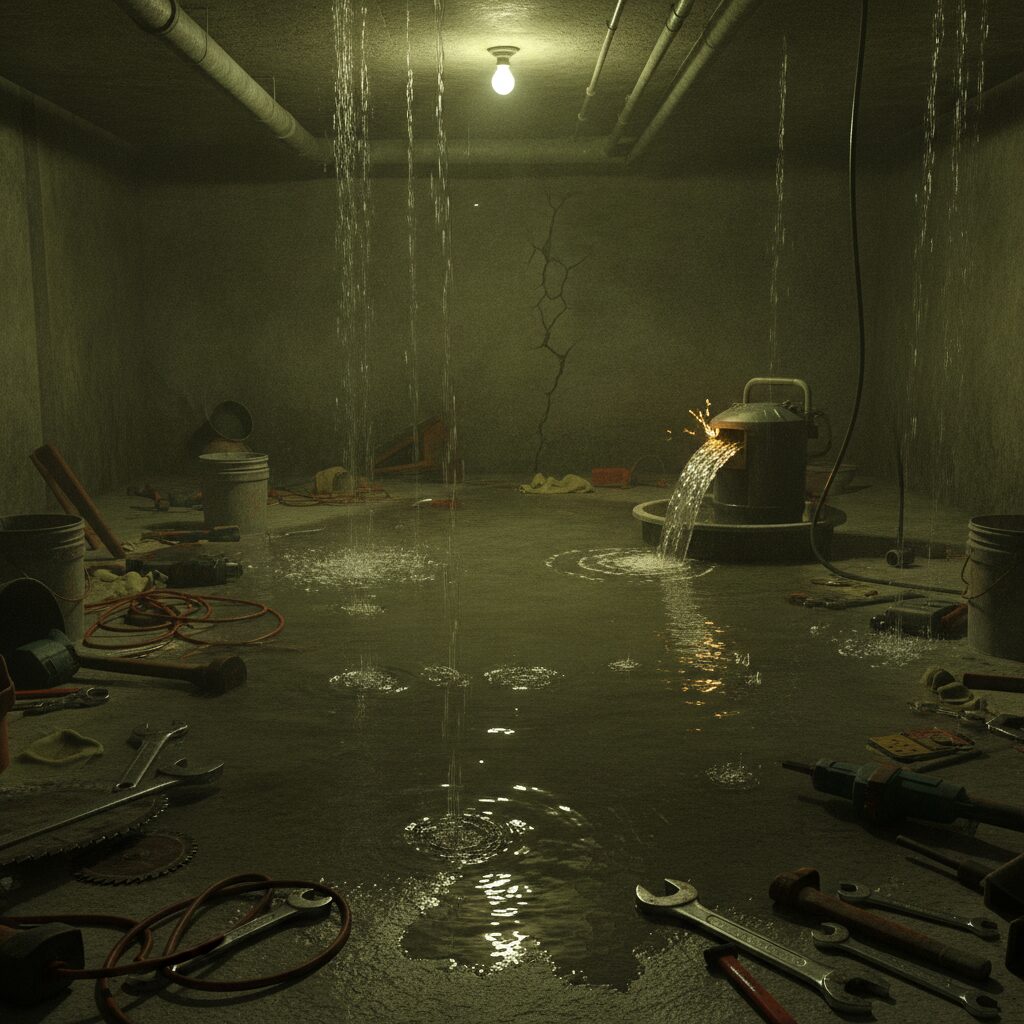
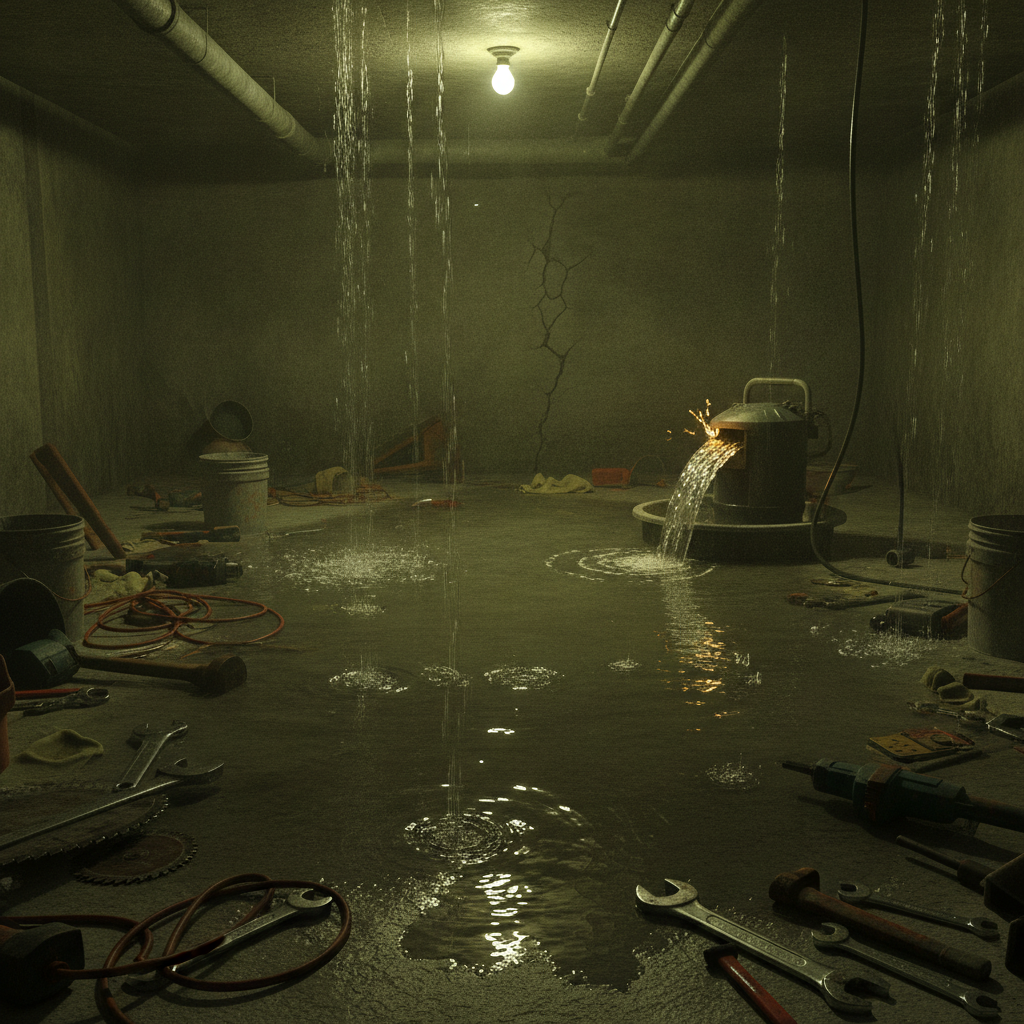
Basement flooding is a nightmare for property owners, especially when it strikes unexpectedly. For small business owners, developers, and residents in the area, the consequences of sump pump failure can be devastating. Water seeps into foundations, damages inventory, disrupts business operations, and creates a host of long-term issues. Acting quickly is crucial, and understanding the risks and restoration process can make all the difference. Water Damage Restoration Bloomfield Hills professionals are often called in to help recover from these emergencies, but knowing what leads to sump pump failure and how to prevent it is just as important as knowing who to call when disaster strikes. In this article, we’ll explore the causes of sump pump failure, the warning signs to watch for, and the best steps to take when your basement is at risk. Whether you’re a business owner concerned about downtime or a homeowner looking to protect your investment, this guide will help you navigate the challenges of basement flooding and restoration.
How Sump Pumps Work and Why They Fail
Sump pumps are essential for keeping basements dry by collecting and removing excess groundwater before it can seep inside. Installed in a pit at the lowest point of a basement, these devices activate automatically when water levels rise, pumping water out and away from the foundation. However, sump pumps are not infallible. Common causes of failure include power outages, mechanical breakdowns, clogged discharge lines, or improper installation. Sometimes, a pump simply can’t keep up with the volume of water during heavy storms. When any of these issues arise, water can quickly accumulate, leading to significant flooding. For property owners, understanding the mechanics of their sump pump and scheduling regular maintenance is the first line of defense. If you do experience flooding, Bloomfield Hills water damage restoration experts can help assess the damage and restore your property efficiently.
Recognizing the Early Signs of Sump Pump Trouble
Spotting the warning signs of a failing sump pump can save you from a costly disaster. Listen for unusual noises, such as grinding or rattling, which may indicate a jammed impeller or failing motor. If the pump runs continuously or not at all, it could be a sign of a stuck switch or faulty float. Water pooling around the sump pit or a musty odor in the basement are also red flags. Regularly testing your pump by pouring water into the pit and observing its operation is a simple but effective preventive measure. If you notice any of these symptoms, don’t wait for a flood to occur. Professional Water Damage Restoration Bloomfield Hills teams can inspect your system, identify issues, and recommend repairs or replacements before a crisis hits.
Immediate Actions to Take When Flooding Begins
When water starts rising in your basement, quick action is essential to minimize damage. First, ensure your safety by turning off electricity to the affected area. Avoid wading into standing water if electrical outlets or appliances are submerged. Next, try to identify the source of the water, if it’s a sump pump failure, check for clogs or power loss. Remove valuables and sensitive equipment from the area as soon as possible. If the flooding is severe, don’t attempt to handle it alone. Contact local flood clean up services who can respond rapidly with specialized equipment to extract water and prevent further damage. Acting fast can help salvage property, reduce repair costs, and protect your health from mold and bacteria growth.
Long-Term Effects of Basement Water Damage
Basement flooding can have far-reaching consequences beyond the initial cleanup. Water can weaken structural elements, damage insulation, and ruin drywall or flooring. Persistent moisture creates the perfect environment for mold and mildew, which can trigger respiratory problems and further degrade building materials. Electronics, appliances, and inventory stored in the basement may be permanently damaged. Over time, lingering moisture can also attract pests and cause unpleasant odors that are difficult to eliminate. To avoid these issues, it’s essential to address not just the visible water but also hidden dampness behind walls and under floors. Restoration professionals understand the full scope of water damage and can implement solutions that prevent recurring problems. For more insight on related risks, see What Roof Age Reveals About Replacement Timelines in Bloomfield Hills.
Understanding Insurance Coverage for Basement Floods
Navigating insurance after a basement flood can be confusing. Standard property insurance policies typically do not cover water damage from sump pump failure or groundwater intrusion. Instead, owners often need additional riders or separate flood insurance to be fully protected. It’s important to review your policy details and speak with your agent to clarify what is and isn’t covered. Documenting the damage thoroughly with photos and keeping records of repairs will help streamline any claims process. Restoration companies are familiar with insurance requirements and can assist with documentation and communication. Being proactive about your coverage can save significant time, money, and stress when disaster strikes. For more on hidden risks, see The Hidden Dangers of Appliance Leaks in Bloomfield Hills Properties.
Comparing Sump Pump Types and Backup Options
Choosing the right sump pump for your property is a critical preventive measure. There are two main types: pedestal and submersible. Pedestal pumps are mounted above the pit and are easier to service, but they can be noisier and less powerful. Submersible pumps sit inside the pit and handle higher water volumes quietly, making them ideal for larger basements. Backup systems, such as battery-powered or water-powered pumps, provide extra protection during power outages or pump failures. Investing in a reliable backup can mean the difference between a dry basement and a costly flood. Consult with a restoration professional to determine the best setup for your property’s needs and local conditions.
The Role of Regular Maintenance in Preventing Floods
Routine maintenance is essential for keeping sump pumps in top working order. Schedule inspections at least twice a year, especially before the rainy season. Clean the sump pit to remove debris that could clog the pump or its discharge lines. Test the float switch and backup systems to ensure they activate properly. Replace worn-out parts, such as check valves and batteries, before they fail. Maintenance visits from a professional can catch small problems before they escalate, saving you from unexpected breakdowns and water damage. For business owners, setting up a maintenance calendar and assigning responsibility can help avoid costly interruptions.
Health Risks Associated With Basement Flooding
Flooded basements are more than just an inconvenience, they can pose serious health risks. Standing water and damp conditions encourage the growth of mold, mildew, and bacteria, which can cause respiratory issues, allergies, and skin irritation. Floodwater may also carry contaminants from soil, sewage, or chemicals, increasing the risk of infection. It’s important to wear protective gear when entering a flooded area and to address water removal and drying as quickly as possible. Professional restoration teams use specialized equipment to ensure thorough cleaning and sanitization, protecting both property and health. Don’t underestimate the potential hazards of even minor flooding events.
Restoration Process: What to Expect After a Flood
After the water is removed, the restoration process begins. Professionals assess the extent of the damage, including hidden moisture behind walls and under floors. Industrial-grade dehumidifiers and air movers are used to dry the area thoroughly. Damaged materials like drywall, carpet, and insulation may need to be removed and replaced. The team will also clean and disinfect surfaces to prevent mold growth. Throughout the process, restoration experts document progress for insurance purposes and communicate with property owners about timelines and expectations. Transparency and attention to detail are key to restoring your property safely and efficiently.
Investing in Prevention: Smart Upgrades for Your Property
Proactive upgrades can significantly reduce the risk of future basement flooding. Installing a high-capacity sump pump with a backup power source is a wise investment. Consider adding water alarms that alert you to rising levels before a flood occurs. Improving exterior drainage, such as extending downspouts and grading soil away from the foundation, helps keep water out. Sealing cracks in basement walls and floors provides an extra layer of protection. For commercial properties, integrating sump pump monitoring into building management systems can offer real-time alerts and peace of mind. These upgrades not only protect your property but can also lower insurance premiums and increase overall value.
Comparing Common Causes of Basement Flooding
| Cause | Description | Prevention |
|---|---|---|
| Sump Pump Failure | Pump stops working due to power loss, mechanical issues, or clogs. | Regular maintenance, backup systems |
| Heavy Rainfall | Excess water overwhelms drainage and pump capacity. | Upgrade pump, improve drainage |
| Foundation Cracks | Water seeps through gaps in basement walls or floors. | Seal cracks, waterproofing |
| Blocked Gutters | Overflow directs water toward the foundation. | Clean gutters regularly |
| Plumbing Leaks | Burst pipes or faulty appliances cause internal flooding. | Inspect plumbing, install leak detectors |
Final Thoughts
Basement flooding and sump pump failure can disrupt lives and businesses, but with the right knowledge and preparation, you can minimize the risks. Understanding how your sump pump works, recognizing early warning signs, and investing in preventive maintenance are all crucial steps. When flooding does occur, acting quickly and relying on professional restoration services ensures the best possible outcome for your property. Don’t wait until disaster strikes, review your insurance, upgrade your systems, and stay proactive about property care. By taking these measures, you’ll protect your investment, maintain a safe environment, and recover faster if the unexpected happens. Stay informed, stay prepared, and rest easier knowing you’re ready for whatever comes your way.