Every roof tells a story about the climate it lives in. In southeastern Michigan, that story includes heavy lake-effect snow, sharp freeze and thaw cycles, spring storms, and humid summers that test every layer of a roofing system. When you start looking for a roofing company Bloomfield Hills homeowners can rely on, one question quietly outweighs most others: does this crew actually understand how roofs behave in this specific place? Experience with local conditions is not a marketing slogan. It shapes which materials get chosen, how ventilation is designed, how flashing is detailed, and how well the finished roof holds up ten or twenty years later.
A roofer who has spent years working on homes in this region has seen the same failures repeat: ice dams forming at poorly insulated eaves, valleys clogged by leaves from mature trees, and older homes with layered roofs hiding rotted decking. That pattern recognition is hard to fake and impossible to learn from a brochure. It saves time during inspections, prevents surprises during tear-off, and leads to better recommendations for your budget.
This guide walks through what local experience really means, why it affects your outcome, and how to spot it when you are comparing contractors. Whether you manage a small commercial property or own a family home, the same principles apply. Let us look at the details that separate a seasoned local crew from a generalist who happens to own a truck and a ladder.
Understanding the Climate Your Roof Has to Survive
Roofing is a battle against weather, and local weather has its own personality. Michigan roofs endure wide temperature swings, which cause materials to expand and contract again and again. Over time, that movement loosens fasteners, cracks sealants, and stresses seams. Snow load adds weight, while trapped meltwater refreezes at the eaves and works its way under shingles.
An experienced local contractor designs for these realities instead of treating them as afterthoughts. They know that underlayment should extend further up from the eave in snowy regions, that attic airflow matters as much as the shingles on top, and that fastener placement affects wind resistance during seasonal storms. Many restoration specialists, such as Bloomfield Construction, see the downstream results of poor roofing choices when water finds its way into living spaces. Understanding that chain of cause and effect is what separates a patch job from a lasting solution.
What Local Experience Looks Like on the Job Site
You can often tell how seasoned a crew is within the first twenty minutes of an inspection. Experienced roofers ask about the history of the home, not just the visible damage. They want to know when the roof was last replaced, whether you have noticed ceiling stains after thaws, and how the attic feels in summer and winter. Those questions point toward the real cause of a problem rather than only its symptoms.
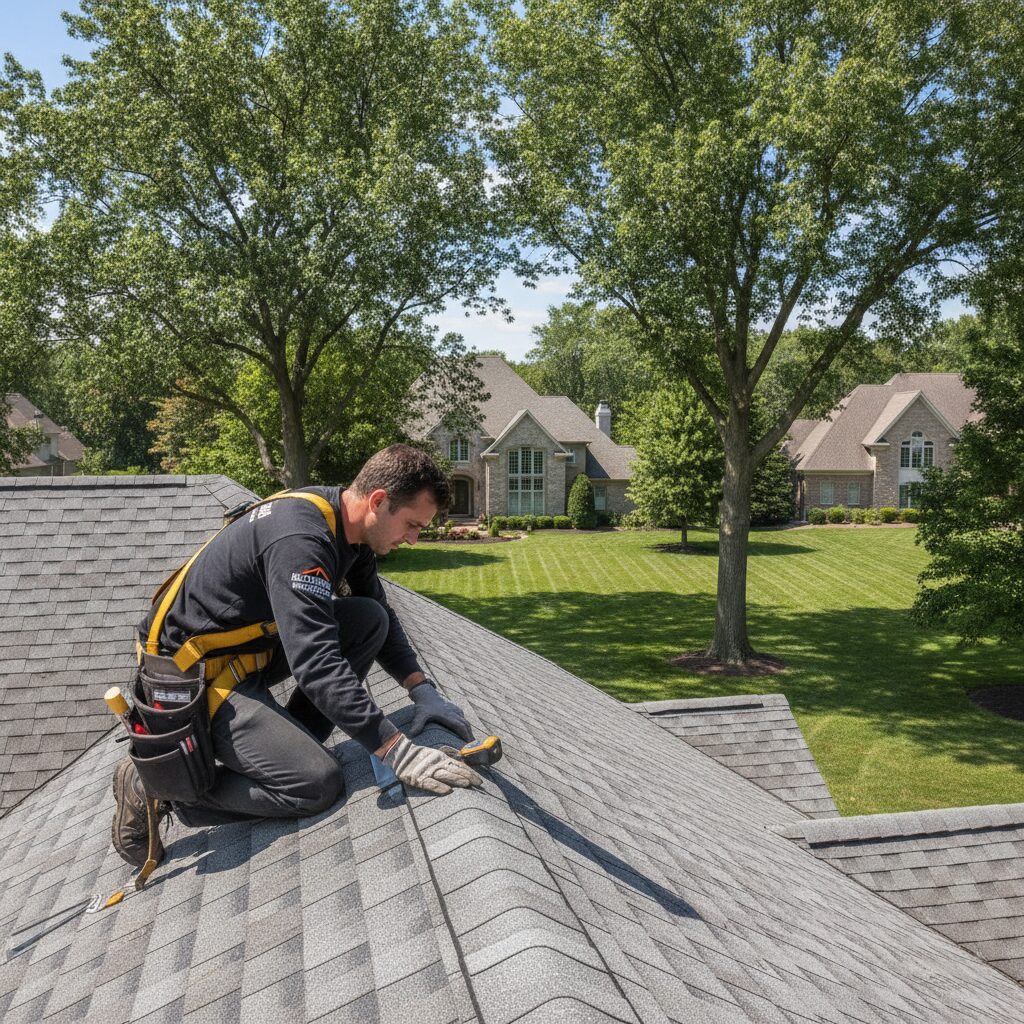
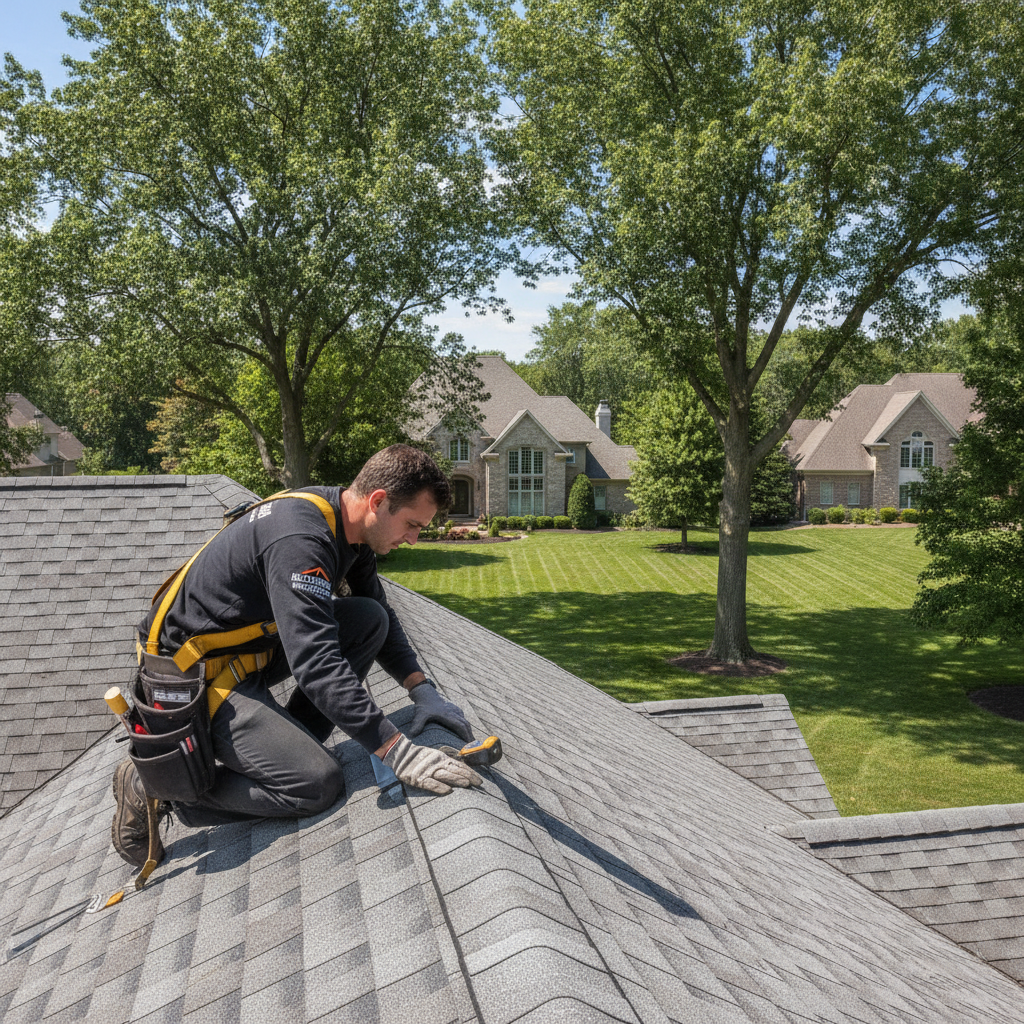
On the roof itself, a veteran notices details a newcomer misses. They check the condition of chimney flashing, look closely at plumbing boots that crack under sun exposure, and examine valleys where debris collects. They also understand how different home styles in the area, from mid-century ranches to large custom builds with complex rooflines, create different risks. Complex rooflines mean more valleys, dormers, and transitions, and every transition is a potential leak point. Familiarity with these layouts allows a contractor to plan material quantities accurately and avoid mid-project delays.
Why Small Repairs Need Big-Picture Thinking
A single missing shingle looks like a minor annoyance, but it can be the visible end of a larger issue. Wind may have been lifting shingles across a whole slope, or aging adhesive strips may be failing everywhere at once. A contractor with strong regional knowledge evaluates the entire roof before deciding how much work is truly necessary.
That judgment matters most when you are weighing roof repair against a full replacement. An honest local pro will tell you when a targeted fix makes sense and when it would only delay an expensive problem. They will explain the remaining lifespan of the roof, show you photos of what they found, and give you realistic expectations. A less experienced company may push a replacement you do not need, or patch a roof that is clearly past saving. Good advice comes from having seen hundreds of similar roofs age over time, which is something only years of local work can provide.
Choosing Materials That Suit the Region
Not every roofing material performs equally in every climate. Asphalt shingles remain popular because they balance cost and durability, but their quality tiers vary widely. Impact-resistant options can handle hail better, while algae-resistant granules help in humid summers. Metal roofing sheds snow efficiently, and slate or synthetic slate suits premium homes where appearance and longevity are priorities.
A locally experienced contractor helps you match material to both budget and environment. They know which products have held up well on nearby homes and which have disappointed. If you are planning residential roof replacement Oakland County homeowners often consider, ask the contractor to show you completed projects using the same materials. Seeing a roof that has weathered several winters tells you far more than a sample board. Also ask about color choices and how they interact with neighborhood aesthetics, since some communities have design expectations or association guidelines worth respecting.
When Roof Problems Become Water Problems
A roof leak rarely stays a roof problem. Water travels along rafters, soaks insulation, and drips into wall cavities long before a stain appears on the ceiling. Eventually it can reach lower levels of the home, including foundations and crawl spaces, where moisture lingers and invites mold. Reading about Restoring Crawl Spaces After Water Intrusion in Bloomfield Hills shows how far water damage can travel from its original entry point.
Local roofers who understand this relationship take leak diagnosis seriously. They look for the true entry point, which is often several feet from the visible stain. They also know when to recommend a moisture inspection or bring in restoration professionals before new roofing goes on. Closing up a roof over wet decking or damp insulation simply traps the problem. A thorough contractor treats the whole building as a system, not just the shingles, and that mindset protects your home from hidden, costly consequences.
The Hidden Value of Local Reputation
Contractors who have operated in one community for years cannot hide from their work. Their jobs sit in plain view of neighbors, and word travels quickly in tight-knit areas. That accountability encourages careful workmanship, clean job sites, and honest communication. A company that disappears after a storm season and reappears under a new name offers none of that protection.
One practical way to gauge reputation is to look for consistency. Do reviews mention the same strengths over many years? Do past customers describe how the crew handled surprises, such as rotted decking discovered mid-project? Reputation also shows in relationships with suppliers, inspectors, and other trades. A locally established roofer often has strong supplier ties, which can mean better material availability and quicker scheduling. Those behind-the-scenes advantages rarely appear in an estimate, yet they make a noticeable difference in how smoothly a project runs from start to finish.
Local Experience Versus Out-of-Area Crews
After major storms, crews from other regions often arrive offering quick, low-priced work. Some are skilled and honest, but many are unfamiliar with local conditions and are gone before problems surface. The table below compares what you can generally expect from each type of contractor.
| Factor | Established Local Contractor | Out-of-Area Storm Crew |
|---|---|---|
| Climate knowledge | Designs for snow, ice, and freeze-thaw cycles | May apply generic methods |
| Warranty follow-up | Easy to reach and visible in the community | Often difficult to contact later |
| Permit familiarity | Knows local inspection processes | May need to learn requirements |
| Scheduling | Planned around local weather patterns | Driven by where storms hit |
| Accountability | Reputation tied to the community | Limited local reputation at stake |
Permits, Codes, and Inspections Made Simpler
Roofing projects often require permits, and requirements can differ from one municipality to the next. A contractor who regularly works in the area already knows what paperwork is needed, how long approvals tend to take, and what inspectors typically look for. That familiarity prevents delays and reduces the chance of failed inspections.
It also keeps you protected. Work that skips required steps can create headaches when you sell your home or file an insurance claim. Rather than assuming every place follows the same rules, ask any contractor you interview how they handle permitting and who is responsible for it. A confident local professional will answer clearly and without hesitation. If someone is vague, or suggests skipping permits to save money, treat that as a warning sign. Proper documentation is part of a quality job, and it protects the value of your property long after the crew has packed up.
Questions Worth Asking Before You Hire
A good interview reveals more than a polished estimate ever will. Come prepared with questions that test genuine familiarity with the community and the craft. Here are several that tend to separate experienced professionals from the rest:
- How long have you been roofing homes in this region, and can you show nearby projects?
- How do you handle ice dam prevention and attic ventilation on homes like mine?
- What do you do when you find damaged decking after tear-off, and how is that priced?
- Who actually performs the work, your own crew or subcontractors?
- What does your warranty cover, and who do I call if something goes wrong?
Listen for specific, confident answers. A seasoned roofer will mention real situations they have handled and explain their reasoning plainly. Vague or rehearsed responses suggest limited depth.
How Neglected Roofs Invite Bigger Damage
Deferred roof maintenance rarely stays cheap. A small crack in flashing can become a leak, a leak can become rotted framing, and rotted framing can compromise insulation, drywall, and electrical systems. In more severe cases, building damage compounds when other hazards enter the picture. Learning Why Soot Can Permanently Stain Bloomfield Hills Homes If Ignored illustrates a similar principle: waiting rarely makes any kind of property damage easier or less expensive to fix.
Routine inspections, ideally once a year and after major storms, catch small issues early. An experienced local roofer will know the typical weak points for homes in the area and check them first. They can also advise on gutter condition, nearby tree limbs, and attic moisture, all of which influence how long your roof lasts. Treating the roof as an ongoing responsibility rather than a one-time purchase is one of the most reliable ways to protect your investment.
Reading an Estimate With a Critical Eye
A good estimate is more than a number. It should describe the scope of work, the materials by brand and type, the treatment of flashing and underlayment, cleanup procedures, and how unexpected conditions will be handled. When an estimate is thin on detail, it leaves room for misunderstandings and surprise charges later.
Local experience shows up here too. A contractor who knows the area will usually account for details like ice and water barrier placement, proper drip edge, and ventilation upgrades without being prompted. Compare several written proposals side by side and look beyond price. The lowest bid sometimes omits steps that others include, which makes the comparison misleading. Ask each contractor to explain differences openly. Honest professionals welcome these questions because they want you to understand exactly what you are paying for and why it matters for the long-term health of your roof.
Final Thoughts
Choosing a roofer is one of the more consequential decisions a property owner makes. The roof protects everything beneath it, and its performance depends heavily on how well it was designed and installed for the conditions it faces. Local experience brings practical advantages that are hard to replace: climate awareness, familiarity with housing styles, smoother permitting, accountable reputations, and honest guidance about repair versus replacement.
As you compare options, look past flashy promises and focus on evidence. Ask to see nearby completed work, request detailed written estimates, and pay attention to how thoughtfully each contractor answers your questions. The right roofing company Bloomfield Hills residents trust will welcome that scrutiny, because their track record speaks for itself. Take your time, gather a few proposals, and choose the team that demonstrates real knowledge of the community rather than simply offering the quickest or cheapest route. A roof installed with local insight, proper materials, and careful craftsmanship can quietly protect your home for decades, and that peace of mind is worth far more than any short-term savings.