

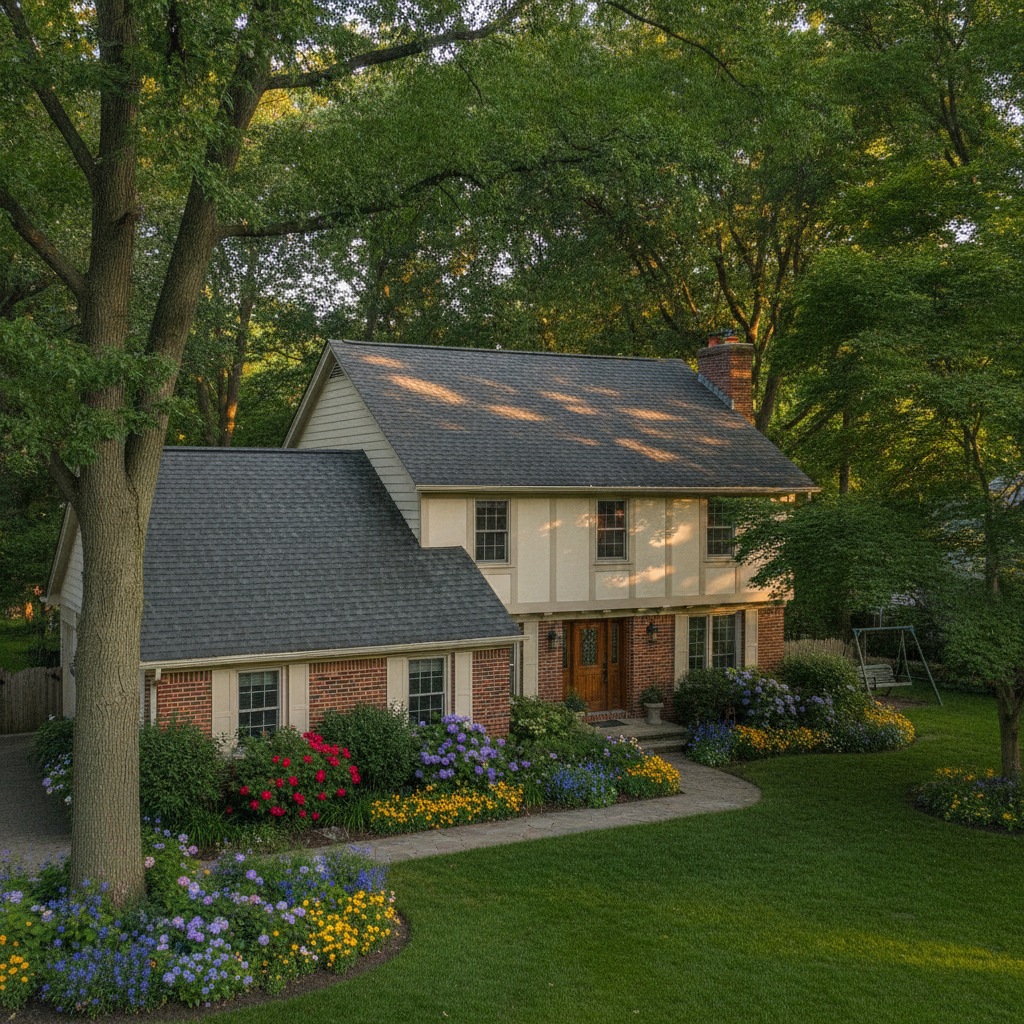
A roof rarely fails overnight. More often, it loses ground slowly: a few granules wash into the gutter, a flashing seam loosens, a shaded patch of shingles stays damp a little too long. By the time a stain shows up on a bedroom ceiling, the real damage has usually been building for years. The good news is that most of that decline is preventable, and the habits that slow it down are not complicated or expensive when you start early.
Southeast Michigan is demanding on any roofing system. Freeze and thaw cycles, heavy snow loads, spring storms, humid summers, and mature tree cover all take a toll. Whether you own a large estate, a small commercial building, or a modest family home, the goal is the same: get every possible year out of the materials you already paid for before a full replacement becomes unavoidable.
This guide walks through the practical steps that make the biggest difference. You will learn what to check each season, which small repairs save the most money, how ventilation and moisture quietly decide a roof’s lifespan, and how to work with a professional so you are not guessing. Think of it as a maintenance playbook you can actually follow, whether you plan to do the easy tasks yourself or hand the whole job to an expert.
Why Roof Lifespan Is Mostly Decided by Habits
Manufacturers publish estimated lifespans for asphalt shingles, metal panels, slate, and other materials, but those numbers assume decent installation and reasonable care. In practice, two identical roofs installed the same week can end up with very different outcomes because of how they were treated afterward. One gets an annual look and quick fixes; the other gets ignored until something drips.
The difference comes down to compounding. A single lifted shingle lets wind-driven rain reach the underlayment. Damp underlayment holds moisture against the decking. Soft decking loses its grip on fasteners, which makes the next shingle more likely to lift. Each small failure feeds the next one, so catching the first problem early interrupts the whole chain. That is why a consistent routine beats an occasional big repair.
Working with a dependable roofing company bloomfield hills property owners can call for an annual look gives you a baseline, a written record, and a trained eye that spots trouble you would walk right past from the driveway.
Build a Simple Seasonal Inspection Routine
You do not need to climb onto the roof to learn a lot. Two checkups a year, one in spring and one in fall, cover the seasons that matter most. Start from the ground with binoculars and walk the full perimeter. Look for missing, curled, cracked, or discolored shingles, sagging lines along the ridge, and anything that looks out of place compared with last season.
Then check the places where roofs usually fail first: around chimneys, skylights, vent pipes, valleys, and where the roof meets a wall. These transitions rely on sealant and metal flashing, both of which age faster than the shingles around them. Inside, step into the attic with a flashlight and look for daylight, dark stains on the underside of the decking, or damp insulation.
Keep a small log with dates and phone photos. Over several years, those images make slow changes obvious. A bare patch that looked minor in April may clearly be growing by October, and that kind of evidence helps you decide when a spot repair stops being enough.
Keep Gutters, Valleys, and Debris Under Control
Clogged gutters are one of the most common and most avoidable causes of early roof wear. When water cannot drain, it backs up under the lower shingle edges, soaks the fascia, and in winter feeds ice dams that pry shingles upward. Clearing gutters at least twice a year, and again after heavy leaf drop, keeps water moving the way the system was designed.
Valleys deserve special attention because they carry the concentrated flow of two roof planes. Wet leaves and pine needles packed into a valley hold moisture against the surface for days and encourage moss and algae. A soft brush or a gentle leaf blower works well; avoid scraping with metal tools that gouge the protective surface.
Overhanging branches rub shingles raw in the wind and drop twigs and acorns that collect in low spots. Trimming limbs back several feet from the roofline is cheap insurance. It also lets sunlight dry the roof faster after rain, which discourages the organic growth that slowly eats away at shingle surfaces.
Attic Ventilation and Moisture Control
Many roofs are shortened from the inside, not the outside. A poorly ventilated attic traps heat in summer, which bakes shingles from below and accelerates aging. In winter, warm moist air from the living space condenses on cold decking, leading to mold, rot, and frost that melts and refreezes. Balanced intake and exhaust ventilation keeps air flowing and temperatures closer to the outdoors.
Check that soffit vents are not blocked by insulation, and that ridge or gable vents are clear of nests and debris. Bathroom fans and dryer vents should exhaust outdoors, never into the attic. Even a small leak of humid air into that space can quietly deposit gallons of moisture over a season.
Pairing airflow with consistent roof maintenance helps catch ventilation problems early, because a pro can spot warped decking, rusted nail tips, or stained rafters that point to a moisture issue long before it reaches the ceiling below. Fixing the airflow often adds years to a roof that otherwise looked fine from the street.
Respect the Role of Summer Heat and UV
Cold weather gets most of the blame in Michigan, but sunlight and heat do steady, cumulative harm. Ultraviolet exposure breaks down the asphalt binder in shingles, which lets protective granules loosen and wash away. Surface temperatures on a dark roof can climb far above the air temperature, and the daily swing between hot afternoons and cool nights makes materials expand and contract again and again.
You can reduce that stress by keeping the attic cooler, choosing lighter or reflective materials when it is time to replace, and avoiding foot traffic on hot days when shingles are soft and easily scuffed. Understanding Why Summer Heat Still Matters for Bloomfield Hills Roofing Performance is a useful reminder that a roof is working hard even on cloudless days.
Watch for the telltale signs of heat aging: granules collecting in gutters, shingle edges that look rounded or blistered, and a dull, chalky surface. Those clues tell you the clock is running faster than the calendar suggests, and they are good reasons to schedule an inspection sooner.
Small Repairs That Save the Most Money
The cheapest repair is almost always the one made first. Resealing a cracked vent boot, replacing a handful of damaged shingles, or re-securing loose flashing typically costs a small fraction of what a leak-driven repair does. Once water reaches insulation, drywall, and framing, the bill grows quickly and the scope widens well beyond the roof.
Prioritize repairs by how directly they let water in. Open penetrations and failed flashing come first, then missing shingles, then cosmetic issues. Sealants have limits, so treat them as a short-term measure and not a permanent answer where metal flashing has pulled away or corroded.
When water does find its way inside, the consequences can travel. Moisture that drips into walls or floors can spread to low areas of the structure, which is why guidance such as Restoring Crawl Spaces After Water Intrusion in Bloomfield Hills shows how far a single missed leak can ripple through a property. Fixing the source quickly keeps the problem contained.
Match Your Care Plan to Your Roofing Material
Different materials age in different ways, so the same routine does not fit every roof. Asphalt shingles lose granules and curl at the edges. Metal roofs can loosen at fasteners and show scratches that expose bare steel. Slate and tile are durable but crack under impact, and the underlayment beneath them often wears out long before the surface does.
The table below gives a quick snapshot of what to prioritize for each common type. Treat the lifespans as rough ranges, since installation quality, ventilation, and climate all shift the real number.
| Roof Type | Typical Wear Pattern | Best Habit to Adopt |
|---|---|---|
| Asphalt shingles | Granule loss, curling, cracking | Check gutters for granules each season |
| Metal panels | Loose fasteners, scratched coating | Tighten fasteners and touch up scratches |
| Slate or tile | Cracked or slipped pieces, aging underlayment | Limit foot traffic and replace broken pieces |
| Flat or low-slope | Ponding water, seam separation | Keep drains clear and reseal seams early |
Handle Winter Ice and Snow the Smart Way
Winter is where careless fixes do the most harm. Ice dams form when heat escaping from the attic melts snow on the upper roof, and the meltwater refreezes at the cold eaves. The ridge of ice that builds up forces water back under shingles. The lasting solution is better insulation and air sealing, not hacking at the ice.
Avoid chipping ice with hammers, shovels, or sharp tools, since these methods tear shingles and gouge the surface. If snow load worries you, a long-handled roof rake used from the ground can clear the first few feet above the gutter without risking a fall or damaging the roofing.
Heavy accumulation is worth taking seriously on older structures, particularly those with low-pitched sections or valleys where snow drifts and sits. After a big storm or a stretch of freeze-thaw cycles, take a quick walk around and look for sagging gutters, new stains on ceilings, or icicles that cluster unusually thick in one spot, since that pattern often marks a heat-loss problem above.
Choose Safe DIY Tasks and Know When to Call a Pro
Plenty of upkeep is safe to do yourself: clearing gutters from a stable ladder, trimming back low branches, checking the attic, and photographing the roof from the ground. These tasks cost little and keep you familiar with the roof’s condition. The line is crossed whenever the job requires walking on a steep or wet surface, working near edges, or handling flashing and structural repairs.
Falls from roofs cause serious injuries every year, and a clumsy repair can create a worse leak than the one it was meant to fix. Professionals bring fall protection, the right sealants and fasteners, and the experience to diagnose the real source of a leak, which is often far from the stain that revealed it.
Call a specialist after any major storm, when you find widespread granule loss, when shingles are curling across a whole slope, or when a leak keeps returning after a patch. Getting a written assessment also gives you leverage later, since it documents condition and shows you made reasonable efforts to maintain the roof.
Document Everything for Warranties and Resale
Good records quietly protect the value of your roof. Many warranties require evidence of reasonable upkeep, and an insurer or future buyer may ask for proof of the roof’s age and history. Keep installation paperwork, material specifications, inspection reports, and receipts for every repair in one folder, digital or paper.
Date-stamped photos are especially useful after storms. If a claim is ever needed, before-and-after images show what changed and when. They also help you spot patterns, such as a particular slope that repeatedly needs attention, which may point to a structural or ventilation issue.
When it is time to sell, a documented maintenance history reassures buyers and can shorten negotiations. A roof with a clear paper trail looks like a managed asset instead of an unknown risk, and that distinction often shows up in inspection results and in how confidently a buyer moves forward.
Plan the Budget Before You Need It
Even a well-kept roof eventually reaches the end of its service life, and the smoothest transitions happen when owners plan ahead. Setting aside a small amount each year turns a painful lump-sum expense into a manageable line item, and it frees you to choose the right time and the right materials instead of reacting to an emergency.
Costs for repairs and replacement vary widely depending on size, pitch, material, access, and the condition of the decking underneath, so treat any number you hear as a starting point and get several written estimates. Look for scope, material brands, warranty terms, and cleanup details, not only the bottom-line price.
Timing matters as well. Scheduling work in the calmer shoulder seasons often gives you more flexibility than the rush after a major storm. Treat the roof as a long-term investment, and each smaller decision, from a resealed vent to a cleared gutter, becomes part of a bigger strategy to stretch your return.
Bringing It Together
Extending the life of a roof is less about dramatic projects and more about steady, modest attention. Inspect it twice a year, keep water flowing off the surface, ventilate the attic so heat and moisture do not build up, and fix small problems before they invite bigger ones. Match your habits to the material overhead, respect the effects of both summer sun and winter ice, and keep clear records of everything you do.
The payoff is real. A roof that is looked after tends to leak less, last longer, protect the structure beneath it, and hold its value when you sell. A neglected one tends to cost more at every stage, often arriving as an unwelcome surprise right after a storm. You do not have to handle every task yourself, and you should not take risks on a steep or slippery surface, but you can stay engaged, ask good questions, and insist on written findings.
Start with a simple walk around your property this week. Note what you see, snap a few photos, clear the gutters, and book a professional inspection if anything looks off. Those small first steps cost very little, and they set up the habits that keep a roof protecting your home or business for as many years as its materials will allow.