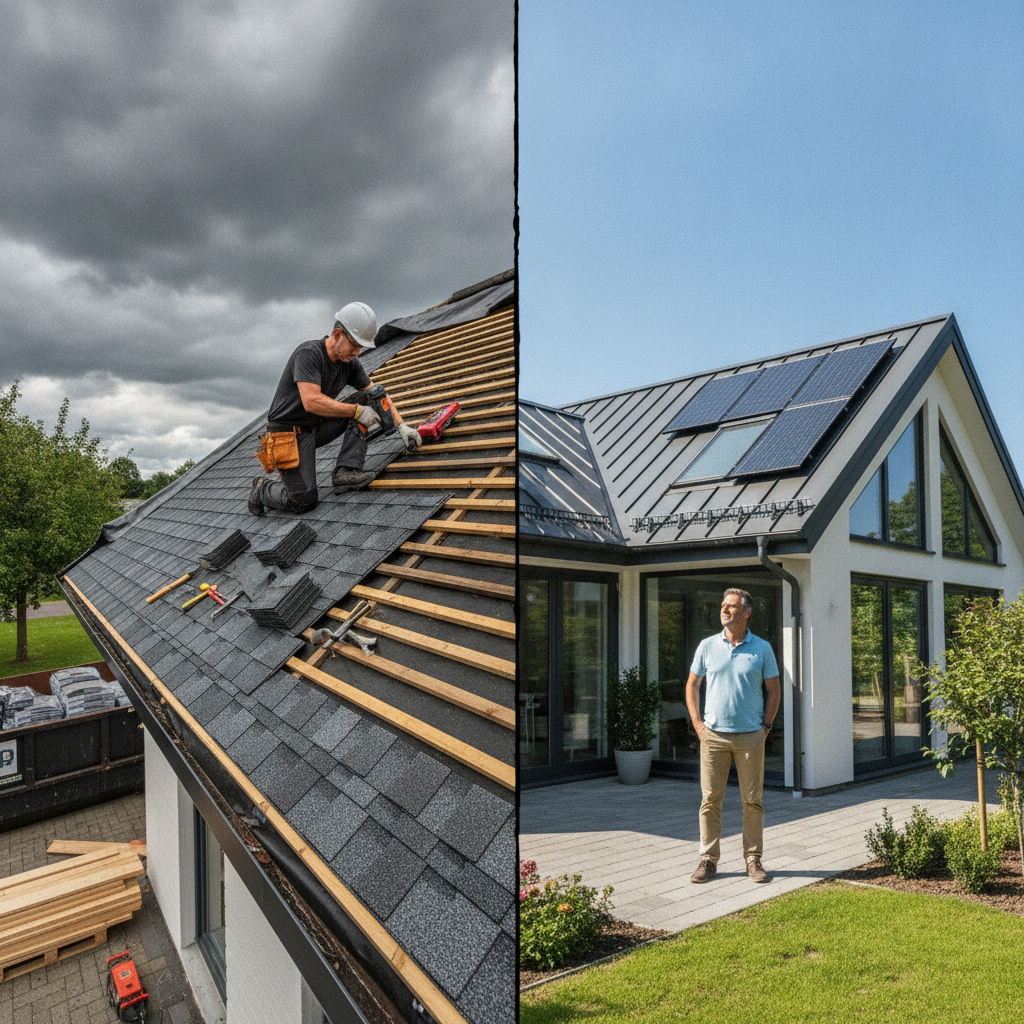
When a major storm hits, the aftermath can be overwhelming for business owners, property developers, and residents alike. Roofs, siding, windows, and even structural elements may suffer damage, leaving you with a crucial decision: should you repair the affected areas or opt for a full replacement? Making the right choice is vital, not only for the safety and longevity of your property but also for your financial well-being. Understanding the nuances of repair vs replacement is essential, as each option comes with its own set of benefits, challenges, and long-term implications. In this article, we’ll walk you through everything you need to know about evaluating storm damage, weighing your options, and making an informed decision that protects your investment. Whether you’re navigating insurance claims, considering the age of your building, or simply want to ensure the best outcome for your property, this guide will help you confidently choose between repair and replacement after storm damage.
Repair vs Replacement After Storm Damage in Bloomfield Hills
After a severe storm, property owners in the area are often faced with the daunting decision of repair vs replacement. This choice can significantly impact your property’s safety, value, and your peace of mind. The first step is to assess the extent of the damage. Minor issues, such as a few missing shingles or small leaks, may only require repairs. However, widespread or structural damage could mean replacement is the safer, more cost-effective route in the long run.
It’s important to consider the age and condition of your existing materials. For example, if your roof or siding is nearing the end of its lifespan, replacement may offer better protection and improved energy efficiency. On the other hand, if the affected areas are relatively new and the damage is isolated, a targeted repair can restore functionality without the expense of a full replacement.
Consulting with a trusted local contractor, such as Bloomfield Construction, can help you determine the best course of action. They can provide a thorough inspection and offer expert advice based on your property’s unique needs. Remember, making the right choice between repair vs replacement is about balancing immediate costs with long-term value and safety.
Repair vs Replacement: Storm Damage Decisions in Bloomfield Hills, MI
When storm damage strikes, business owners and residents in this community must quickly decide between repair vs replacement. The decision often hinges on several factors, including the severity of the damage, the type of materials involved, and the potential for future issues. For instance, if your roof has suffered only minor wind or hail damage, a professional repair may be sufficient to restore its integrity and prevent leaks.
However, if the storm has exposed underlying issues, such as water intrusion or structural weaknesses, replacement may be necessary to ensure the long-term safety of your property. It’s also crucial to consider building codes and insurance requirements, as these can influence whether a repair or replacement is the best solution. In some cases, insurance policies may cover the full cost of replacement if the damage meets certain criteria.
For more information on navigating these decisions and understanding your options, check out the home repair FAQ section from local experts. Making an informed choice can save you money, protect your investment, and provide peace of mind after a storm.
Repair vs Replacement Guidance for Storm Damage in Bloomfield Hills Michigan
Deciding between repair vs replacement after storm damage is never straightforward, especially in regions prone to severe weather. The key is to conduct a comprehensive assessment of the affected areas. Look for signs of hidden damage, such as water stains, mold growth, or compromised insulation. These issues can worsen over time if not addressed properly, leading to more costly repairs or even health hazards.
Another important consideration is the long-term performance of your building materials. Modern roofing, siding, and windows are designed to withstand harsh conditions, but older materials may not offer the same level of protection. If your property has outdated components, replacement can enhance energy efficiency, curb appeal, and overall value. On the other hand, high-quality repairs performed by experienced professionals can extend the life of your existing materials and prevent future problems.
If you’re weighing your options and want to learn more about choosing repair vs replacement, explore the latest insights from local construction experts. Their guidance can help you make a decision that aligns with your goals, budget, and the unique challenges posed by storm damage in this region.
Key Factors Influencing Repair vs Replacement Choices
Several critical factors influence whether repair vs replacement is the right choice after storm damage. First, the extent and type of damage play a significant role. Superficial damage, like a few broken shingles or minor dents in siding, can often be addressed with repairs. However, if the underlying structure is compromised or if there is widespread damage, replacement may be necessary for safety and compliance with building codes.
Another factor is the age and condition of the affected materials. If your roof, windows, or siding are nearing the end of their expected lifespan, investing in replacement can prevent recurring issues and improve your property’s energy efficiency. Additionally, consider the cost implications. While repairs are typically less expensive upfront, repeated repairs can add up over time, making replacement the more economical option in the long run.
Local expertise is invaluable when making these decisions. For a trusted assessment and to find your nearest professionals, view Bloomfield Construction on the map. Their experience can help you navigate the repair vs replacement dilemma with confidence.
Understanding the Insurance Process for Storm Damage
Insurance plays a pivotal role in the repair vs replacement decision after storm damage. Most property insurance policies cover storm-related incidents, but the extent of coverage can vary. It’s essential to document all damage thoroughly with photos and written descriptions before making any repairs. This documentation will support your claim and ensure you receive the compensation you deserve.
When filing a claim, work closely with your insurance adjuster to determine what is covered under your policy. Some policies may only cover repairs, while others might pay for a full replacement if the damage is extensive or if local codes require upgrades. Be prepared to provide estimates from licensed contractors to support your claim. Remember, insurance companies are more likely to approve claims that are well-documented and justified by professional assessments.
If you’re unsure about your coverage or how to proceed, consult with a local contractor who has experience dealing with insurance claims. Their insights can help you navigate the process efficiently and ensure you make the best choice between repair vs replacement.
Comparing Costs: Repair vs Replacement After Storm Damage
Cost is often the deciding factor when choosing between repair vs replacement after storm damage. Repairs generally offer a lower upfront cost, making them attractive for minor issues or when budgets are tight. However, repeated repairs can add up, especially if the underlying problem isn’t fully addressed. Replacement, while more expensive initially, can provide a longer-term solution and may even increase your property’s value.
To help you compare, here’s a table outlining typical costs for common storm damage scenarios:
| Damage Type | Average Repair Cost | Average Replacement Cost |
|---|---|---|
| Roof (per 100 sq ft) | $350 – $700 | $1,200 – $2,500 |
| Siding (per 100 sq ft) | $300 – $600 | $1,500 – $3,000 |
| Windows (per window) | $150 – $400 | $600 – $1,200 |
| Gutters (per linear foot) | $4 – $8 | $10 – $20 |
Keep in mind that these are average estimates and actual costs can vary based on materials, labor, and the scope of the damage. Always request detailed quotes from reputable contractors before making your decision.
Long-Term Benefits of Replacement vs Short-Term Repairs
While repairs may seem like the quickest and most cost-effective solution after storm damage, it’s important to weigh the long-term benefits of replacement. New roofing, siding, or windows can significantly improve your property’s energy efficiency, reduce maintenance costs, and enhance curb appeal. In many cases, replacement materials come with extended warranties, offering added peace of mind.
Short-term repairs, while less expensive initially, may not address underlying issues or prevent future damage. If your property is located in a region prone to frequent storms, investing in replacement can provide better protection and reduce the risk of recurring problems. Additionally, modern materials often offer improved resistance to wind, hail, and water intrusion, further safeguarding your investment.
Ultimately, the decision between repair vs replacement should be based on a careful evaluation of your property’s needs, your budget, and your long-term goals. Consulting with experienced professionals can help you make a choice that delivers lasting value and security.
How to Assess Storm Damage: Step-by-Step Guide
A thorough assessment is crucial before deciding on repair vs replacement after storm damage. Start by conducting a visual inspection of your property’s exterior, looking for obvious signs of damage such as missing shingles, cracked siding, or broken windows. Pay close attention to less visible areas, including attics, basements, and crawl spaces, where water intrusion or structural issues may not be immediately apparent.
Next, document all damage with clear photos and detailed notes. This information will be invaluable when working with insurance adjusters and contractors. If you’re unsure about the extent of the damage, consider hiring a professional inspector to provide a comprehensive evaluation. They can identify hidden issues and recommend the most appropriate course of action.
- Inspect roofing, siding, windows, and gutters for visible damage.
- Check for water stains, mold, or soft spots inside your property.
- Photograph all affected areas for insurance documentation.
- Consult with a licensed contractor for a professional assessment.
By following these steps, you’ll be better equipped to make an informed decision about repair vs replacement and ensure your property is restored to its pre-storm condition.
Common Mistakes to Avoid When Deciding on Repair vs Replacement
Choosing between repair vs replacement after storm damage is a significant decision, and it’s easy to make mistakes that can lead to unnecessary expenses or future headaches. One common error is underestimating the extent of the damage. Superficial repairs may not address hidden issues, resulting in recurring problems and additional costs down the line.
Another mistake is delaying action, which can allow minor damage to worsen and compromise your property’s structural integrity. It’s also important to avoid choosing the cheapest option without considering long-term implications. While repairs may be less expensive upfront, they may not provide the durability or protection needed if your materials are old or severely damaged.
Finally, failing to consult with experienced professionals can lead to poor decision-making. Always seek expert advice and obtain multiple quotes before committing to a repair or replacement. This approach ensures you make a choice that protects your property and your investment.
How to Choose the Right Contractor for Storm Damage Repairs or Replacement
Selecting the right contractor is essential when deciding between repair vs replacement after storm damage. Start by researching local companies with a strong reputation for quality workmanship and customer service. Look for contractors who are licensed, insured, and experienced in handling storm-related repairs and replacements.
Ask for references and read online reviews to gauge the contractor’s reliability and expertise. Request detailed written estimates that outline the scope of work, materials to be used, and project timelines. A reputable contractor will be transparent about costs and will answer your questions clearly.
It’s also important to verify that the contractor is familiar with local building codes and insurance requirements. This knowledge ensures your project will meet all necessary standards and that you’ll receive the maximum benefit from your insurance claim. By taking the time to choose the right professional, you’ll have confidence that your repair vs replacement decision is executed correctly and efficiently.
Bringing It Together
Deciding on repair vs replacement after storm damage is a complex process that requires careful consideration of your property’s condition, your budget, and your long-term goals. By understanding the key factors involved, such as the extent of the damage, the age of your materials, insurance coverage, and the expertise of your contractor, you can make a decision that protects your investment and ensures the safety of your property.
Remember to thoroughly assess all damage, document everything for insurance purposes, and consult with trusted professionals before making your choice. Whether you opt for targeted repairs or a full replacement, prioritizing quality workmanship and long-term value will yield the best results. Stay proactive, informed, and prepared, and you’ll be well-equipped to handle whatever storms come your way in the future.