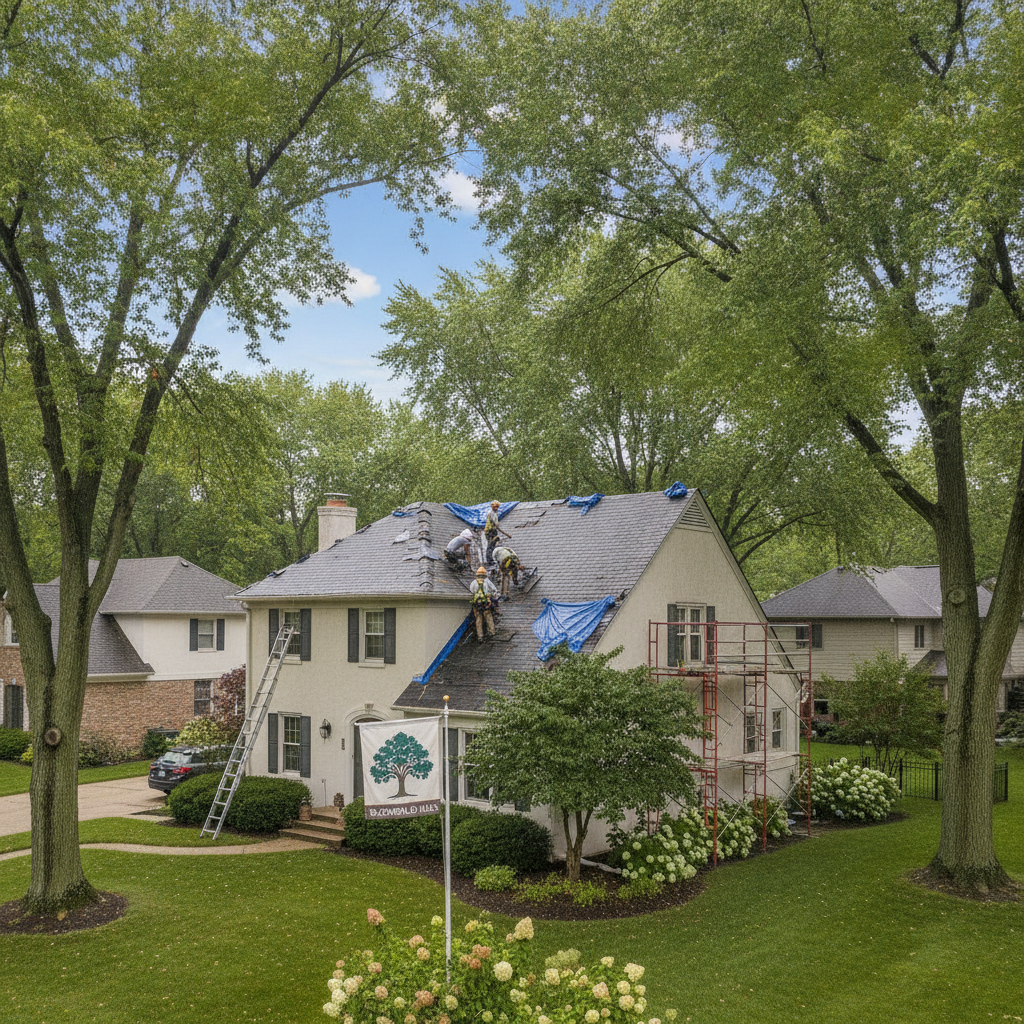
Storms can strike unexpectedly, leaving local homes and businesses with significant roof damage. Whether you’re a small business owner, property developer, or a homeowner, understanding building codes roof repairs is essential for protecting your investment and ensuring a smooth restoration process. Navigating the maze of local regulations, insurance requirements, and contractor qualifications can be overwhelming, especially when urgent repairs are needed. In this guide, we’ll break down everything you need to know about building codes roof repairs after storm damage, including why codes matter, what’s required, and how to ensure your project is compliant from start to finish. By the end, you’ll have the confidence to make informed decisions, avoid costly mistakes, and restore your property safely and efficiently.
Building Codes Roof Repairs in the Area
When severe weather hits, roof damage can range from missing shingles to major structural issues. In the area, building codes roof repairs are enforced to ensure that all work meets safety, durability, and energy efficiency standards. These codes are set by state and local authorities to protect property owners and the wider community from hazards like leaks, collapses, and fire risks. For anyone planning roof repairs after a storm, it’s vital to understand which codes apply and how they affect your project timeline and budget.
Building codes roof repairs cover everything from materials and installation methods to ventilation and insulation requirements. For example, local codes may mandate the use of impact-resistant shingles or specify the minimum slope for certain roofing types. Contractors must obtain the proper permits before starting work, and inspections are usually required at multiple stages. Failing to follow these rules can lead to fines, delays, or even the need to redo completed work.
If you’re unsure where to start, reaching out to a trusted local contractor like Bloomfield Construction can help you navigate the permitting process and ensure your repairs are fully code-compliant. They’ll also be familiar with the latest updates to building codes roof repairs, which can change frequently in response to new technologies or weather patterns.
Ultimately, adhering to building codes roof repairs protects your property, your investment, and the safety of everyone under your roof. It’s the foundation for a successful restoration, whether you’re fixing a few shingles or replacing an entire roof system.
Building Codes Roof Repairs in Bloomfield Hills, MI
After a major storm, property owners in this community must act quickly to assess damage and begin repairs. However, before any work can start, it’s important to understand how building codes roof repairs are enforced locally. The city’s building department follows the Michigan Residential Code and the International Building Code, both of which set strict standards for storm-damaged roofs.
Key elements of these codes include requirements for wind resistance, fire ratings, and proper flashing installation. For example, if your roof deck is exposed or damaged, it may need to be fully replaced instead of patched. Additionally, certain materials, like underlayment and ice/water barriers, must meet specific performance standards to pass inspection. These rules are designed to ensure that repairs not only restore your roof but also improve its ability to withstand future storms.
Permits are mandatory for most roof repairs, especially those involving structural changes or large-scale replacements. The inspection process typically includes a review of materials, installation methods, and compliance with energy efficiency standards. If you’re working with an insurance company, they’ll likely require proof that all repairs meet local codes before approving your claim.
For a deeper dive into how these regulations affect storm recovery projects, check out the latest storm damage restoration regulations and consult with local experts to ensure you’re fully prepared.
Building Codes Roof Repairs in Bloomfield Hills, Michigan
In Bloomfield Hills, Michigan, building codes roof repairs are taken seriously to protect both property values and public safety. The region is known for its upscale neighborhoods and diverse architecture, which means that roof repairs must often blend strict code compliance with aesthetic considerations. Whether you own a commercial property or a historic home, you’ll need to work with contractors who understand the unique requirements of this city’s building codes roof repairs.
Common code requirements in this area include minimum roof pitch for certain materials, enhanced attic ventilation, and the use of approved fasteners and adhesives. Additionally, repairs must address not only visible storm damage but also hidden issues like compromised decking or insulation. Inspections are thorough, and passing them is essential for closing out permits and maintaining insurance coverage.
Local authorities may also require documentation of previous repairs, especially if your property has a history of storm-related claims. This helps ensure that all work is up to date and compliant with the latest standards. For business owners and developers, staying ahead of these requirements can prevent costly delays and protect your bottom line.
To learn more about how building codes roof repairs are applied in Bloomfield Hills, Michigan, consider consulting with professionals who specialize in storm recovery and code compliance.
Why Building Codes Roof Repairs Matter
Building codes roof repairs are more than just red tape, they’re designed to protect lives and property. After a storm, roofs are especially vulnerable to leaks, mold, and structural failure. When repairs are made according to code, you can be confident that your roof will stand up to future weather events, reduce energy loss, and meet insurance requirements. For business owners, code-compliant repairs can also prevent liability issues and support long-term property value.
Ignoring or cutting corners on building codes roof repairs can result in failed inspections, denied insurance claims, or even legal trouble. In the worst cases, substandard repairs can lead to catastrophic roof failures, putting occupants at risk. That’s why it’s essential to work with licensed contractors who understand the specifics of local codes and stay current with industry best practices.
For those new to the area or anyone unsure about compliance, visiting the Bloomfield Construction location can provide valuable insights and resources for navigating the building codes roof repairs process.
Understanding Permit Requirements for Roof Repairs
Obtaining the proper permits is one of the first steps in any building codes roof repairs project. Permits ensure that all work is inspected and meets the standards set by local authorities. In most cases, permits are required for roof replacements, structural repairs, or any work that alters the roof’s design. The process typically involves submitting detailed plans, specifying materials, and scheduling inspections at key stages.
Failing to secure the right permits can lead to serious consequences, including fines, stop-work orders, and potential legal action. Moreover, unpermitted work may not be covered by insurance, leaving property owners exposed to additional costs if problems arise later. It’s always best to check with your local building department before starting any roof repairs, especially after a storm.
Permitting requirements may vary depending on the scope of the project and the type of property involved. For example, commercial buildings often have stricter standards than residential homes, and historic properties may require additional approvals. Working with a knowledgeable contractor can streamline the permitting process and help avoid costly delays.
Remember, building codes roof repairs are designed to ensure safety and quality. Taking the time to secure the right permits is a crucial part of any successful restoration project.
Common Code Violations in Roof Repairs
Even experienced contractors can sometimes overlook critical code requirements during roof repairs. Some of the most common violations include improper flashing installation, inadequate ventilation, and the use of unapproved materials. These issues can compromise the integrity of your roof and lead to failed inspections or insurance disputes.
Another frequent problem is the failure to replace damaged roof decking or insulation. Building codes roof repairs often require that all compromised materials be removed and replaced, not just covered up. Skipping this step can result in hidden moisture problems, mold growth, and reduced energy efficiency.
To avoid these pitfalls, property owners should insist on thorough inspections and demand documentation of all repairs. Working with licensed, experienced contractors who prioritize code compliance is the best way to ensure your roof repairs are done right the first time.
Types of Roof Damage and Code Responses
Storms can cause a wide range of roof damage, from minor leaks to total structural failure. Building codes roof repairs address each type of damage differently, with specific requirements for materials, installation methods, and inspections. For example, replacing missing shingles may require only basic repairs, while repairing a collapsed roof section could involve structural engineering and special permits.
In cases of severe wind or hail damage, codes may mandate the use of impact-resistant materials or enhanced fastening systems. Water damage often requires the installation of new underlayment and moisture barriers to prevent future leaks. Fire damage, meanwhile, may necessitate the use of fire-rated materials and additional insulation.
Understanding the specific code requirements for each type of damage is essential for a successful restoration. Property owners should work closely with their contractor and local building officials to ensure all repairs meet or exceed code standards.
Selecting Materials That Meet Building Codes
Choosing the right materials is a critical part of building codes roof repairs. Not all roofing products are approved for use in every area, and some may not meet the latest performance standards. Local codes often specify minimum requirements for wind resistance, fire ratings, and energy efficiency.
For example, asphalt shingles must meet certain impact and wind resistance ratings, while flat roofs may require specific types of membranes or coatings. Metal roofs, increasingly popular for their durability, must be installed with approved fasteners and underlayment to pass inspection. Using unapproved materials can result in failed inspections and costly rework.
It’s important to consult with your contractor and local building department before selecting materials. They can provide a list of approved products and help you choose options that balance durability, appearance, and code compliance.
Inspection Process for Roof Repairs
Inspections are a key part of building codes roof repairs. They ensure that all work is performed according to approved plans and meets safety and quality standards. The inspection process typically includes several stages, starting with a review of the existing roof structure and ending with a final sign-off once repairs are complete.
During inspections, officials will check for proper installation of materials, compliance with ventilation and insulation requirements, and adherence to fire and wind resistance standards. Any deficiencies must be corrected before the project can move forward. In some cases, additional inspections may be required for complex or large-scale repairs.
Passing all required inspections is essential for closing out permits and ensuring your repairs are covered by insurance. Property owners should keep detailed records of all inspections and approvals for future reference.
| Code Requirement | Purpose | Typical Inspection Point |
|---|---|---|
| Wind Resistance | Protects against future storm damage | Material selection & fastening |
| Fire Rating | Reduces fire risk | Material certification |
| Ventilation | Prevents moisture and mold | Attic inspection |
| Insulation | Improves energy efficiency | Thermal inspection |
| Flashing | Prevents leaks | Roof edge & penetration check |
Working With Insurance and Building Codes
Dealing with insurance claims after storm damage can be stressful, especially when building codes roof repairs are involved. Most insurance policies require that all repairs meet current codes, and failure to comply can result in denied claims or reduced payouts. It’s important to document all damage, obtain detailed repair estimates, and keep records of permits and inspections.
Insurance adjusters will often inspect your property to verify that repairs are necessary and that all work is code-compliant. Providing clear documentation and working with reputable contractors can help streamline the claims process and ensure you receive the coverage you’re entitled to.
Some policies include code upgrade coverage, which pays for additional repairs needed to bring your property up to current standards. Be sure to review your policy and discuss any questions with your agent before starting repairs.
Choosing the Right Contractor for Code-Compliant Repairs
Selecting a qualified contractor is one of the most important decisions you’ll make when tackling building codes roof repairs. Look for companies with a proven track record of code-compliant work, proper licensing, and strong local references. Experienced contractors will handle permitting, inspections, and material selection, ensuring your project meets all requirements.
Ask potential contractors about their experience with storm damage repairs, their familiarity with local codes, and their process for handling inspections and documentation. Don’t hesitate to request proof of insurance, licenses, and recent project photos. A reputable contractor will be transparent and willing to answer all your questions.
Remember, the lowest bid isn’t always the best choice. Quality workmanship and code compliance are worth the investment, protecting your property and ensuring peace of mind for years to come.
What to Expect During Roof Repair Projects
Understanding the typical steps in a building codes roof repairs project can help property owners plan ahead and avoid surprises. The process usually begins with a thorough inspection and damage assessment, followed by permit applications and material selection. Once work begins, contractors will remove damaged materials, make necessary structural repairs, and install new roofing according to code.
Throughout the project, multiple inspections may be required to verify compliance at each stage. Delays can occur if issues are found, so it’s important to work with contractors who are proactive about scheduling and communication. After final approval, you’ll receive documentation certifying that all work meets current building codes roof repairs standards.
By understanding what to expect, property owners can play an active role in ensuring a smooth, successful restoration after storm damage.
Key Takeaways
Navigating building codes roof repairs after storm damage can seem daunting, but with the right knowledge and support, it’s entirely manageable. Start by understanding the specific codes and permit requirements in your area, and always work with licensed, experienced contractors who prioritize compliance and quality. Remember to document every step of the process, from initial inspections to final approvals, and communicate regularly with your insurance provider to ensure your claim is processed smoothly.
By prioritizing code compliance, you’re not just meeting legal requirements, you’re protecting your property, your investment, and the safety of everyone who lives or works under your roof. Whether you’re a business owner, developer, or homeowner, staying informed about building codes roof repairs is the best way to ensure a successful recovery after any storm.