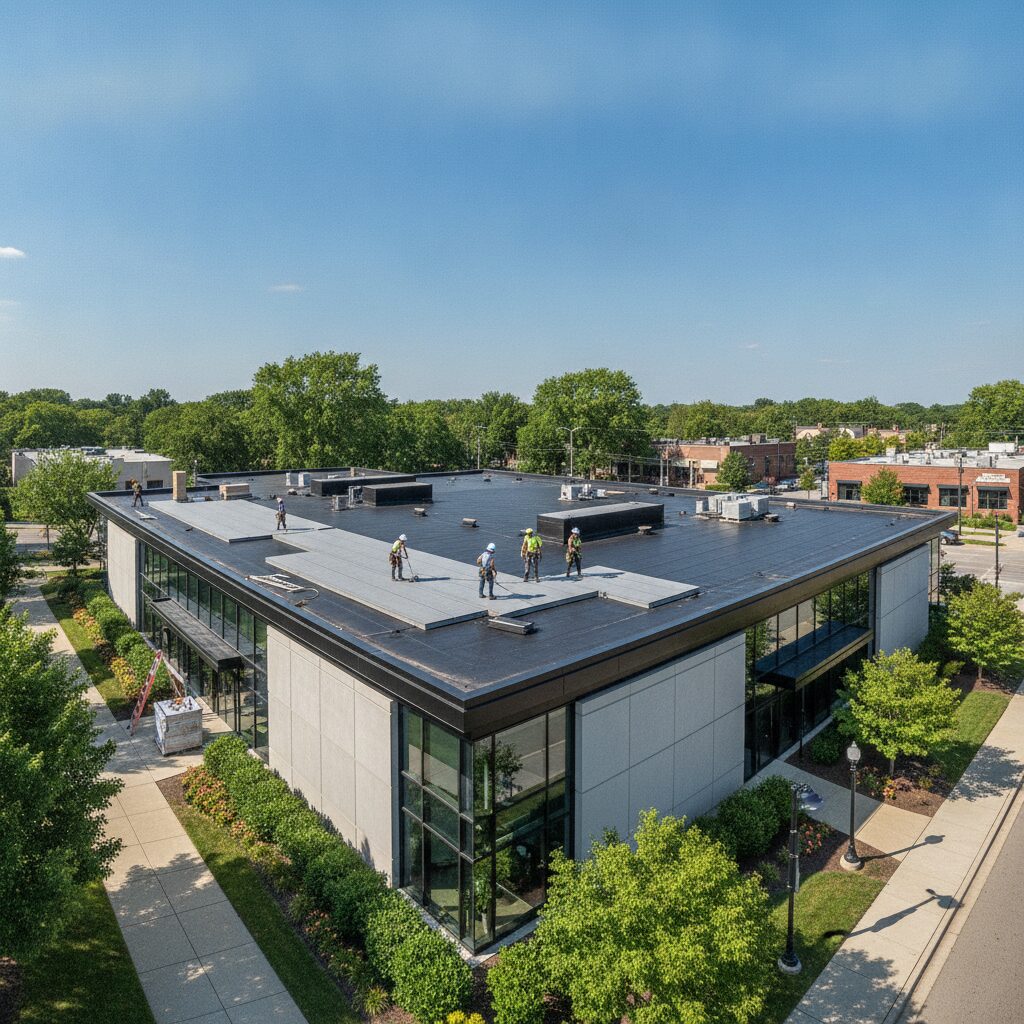
For businesses in need of a reliable roofing contractor Bloomfield Hills offers a wealth of options, but finding the right solution for your property is essential. Whether you own a retail space, manage an office building, or oversee a warehouse, your roof is more than just a protective layer, it’s a vital investment in your business’s longevity and success. Commercial roofs face unique challenges compared to residential ones, from heavy foot traffic and HVAC equipment to strict building codes and energy efficiency demands. In this guide, we’ll explore the key commercial roofing solutions available to local businesses, what sets them apart, and how to make informed choices that safeguard your investment for years to come. If you’re a business owner, developer, or simply curious about what goes into keeping commercial properties safe and dry, read on for practical advice and actionable insights tailored to this community.
Understanding Commercial Roofing Systems
Commercial roofing systems are engineered to meet the demands of larger buildings and more complex usage patterns than residential roofs. Unlike the pitched roofs commonly seen on homes, commercial roofs are often flat or low-sloped, which means they require specialized materials and installation techniques to prevent leaks and withstand the elements. The most common types of commercial roofing include single-ply membranes (such as TPO, EPDM, and PVC), built-up roofing (BUR), modified bitumen, and metal roofing systems.
Each system has its own strengths. Single-ply membranes are lightweight, energy-efficient, and easy to install, making them a popular choice for many businesses. Built-up roofing, with its multiple layers of bitumen and reinforcing fabrics, offers excellent durability and weather resistance. Modified bitumen combines the benefits of BUR with modern polymer technology for added flexibility and strength. Metal roofing stands out for its longevity and ability to reflect heat, reducing cooling costs in the summer.
Choosing the right system depends on your building’s size, shape, usage, and budget. Consulting with a reputable local expert like Bloomfield Construction can help you navigate these options and select a system that meets your needs while complying with local codes and industry standards.
Key Factors in Selecting a Roofing Contractor
Selecting a roofing contractor for your commercial property is a decision that can impact your business for decades. Beyond just price, you should evaluate a contractor based on their experience with commercial projects, licensing, insurance, and reputation in the area. Look for contractors who are familiar with the unique challenges of commercial roofing, such as managing large-scale installations, coordinating with other trades, and adhering to strict safety protocols.
Ask potential contractors about their previous projects, request references from other business owners, and verify their credentials. A reputable contractor will be transparent about their process, provide detailed estimates, and offer warranties on both materials and workmanship. It’s also important to ensure they are knowledgeable about local building codes and can help you navigate any permitting requirements.
Beyond installation, the best contractors provide ongoing support, including routine inspections and maintenance plans. This proactive approach can extend the life of your roof and prevent costly repairs down the line. For more insights into maintaining a healthy roof, check out The Importance of Proper Roof Ventilation for Bloomfield Hills Homes.
Maintenance Strategies for Long-Lasting Commercial Roofs
A well-maintained commercial roof can last decades, but neglect can lead to premature failure and unexpected expenses. Routine maintenance is the key to maximizing your investment and minimizing disruptions to your business. This includes regular inspections, prompt repairs of minor issues, and preventive measures such as clearing debris from drains and gutters.
Establishing a maintenance schedule with your roofing contractor ensures that small problems are caught before they escalate. Inspections should be conducted at least twice a year, ideally in the spring and fall, as well as after severe weather events. Maintenance tasks may include resealing seams, replacing damaged flashing, and checking for signs of ponding water or membrane deterioration.
Proactive maintenance not only extends the lifespan of your roof but can also help you plan for future expenses. Many contractors offer maintenance programs tailored to the specific needs of commercial properties, providing peace of mind and helping you budget for repairs and eventual replacement. If water damage does occur, timely action is crucial. Learn more about restoration strategies in How Water Damage Restoration Helps Save Salvageable Contents in Bloomfield Hills.
Energy Efficiency and Green Roofing Options
Energy efficiency is a top priority for many businesses looking to reduce operating costs and meet sustainability goals. Modern commercial roofing systems offer a range of options to help control indoor temperatures, lower utility bills, and even contribute to environmental certifications. Reflective single-ply membranes, such as TPO and PVC, are designed to reflect sunlight and reduce heat absorption, making them ideal for businesses seeking to minimize cooling expenses.
Green roofing solutions, such as vegetative roofs or “living roofs,” are gaining popularity in urban areas. These systems feature a layer of soil and plants installed over a waterproof membrane, providing natural insulation, reducing stormwater runoff, and improving air quality. While the initial investment may be higher, the long-term benefits can include increased property value and a positive public image for your business.
Even if a full green roof isn’t feasible, cool roof coatings and improved insulation can make a significant difference in energy performance. Discuss your sustainability goals with your roofing contractor to explore which energy-efficient options are best suited for your property and budget.
Comparing Commercial Roofing Materials
Choosing the right material for your commercial roof is a balance of performance, longevity, and cost. Each material offers unique benefits and considerations. Below is a comparison of some of the most common commercial roofing materials used in the region:
| Material | Typical Lifespan | Key Benefits | Considerations |
|---|---|---|---|
| TPO (Thermoplastic Polyolefin) | 15-25 years | Energy efficient, UV resistant, cost-effective | May be less durable in extreme cold |
| EPDM (Ethylene Propylene Diene Monomer) | 20-30 years | Flexible, easy repairs, good for variable climates | Black color absorbs heat unless coated |
| PVC (Polyvinyl Chloride) | 20-30 years | Chemical resistant, strong seams, reflective | Higher cost than TPO or EPDM |
| Built-Up Roofing (BUR) | 20-30 years | Multi-layer protection, proven durability | Heavier, longer installation time |
| Metal Roofing | 30-50 years | Extremely durable, recyclable, energy efficient | Higher upfront cost, noise during rain |
Discuss your building’s needs with your contractor to determine which material aligns best with your goals, climate, and budget.
Addressing Common Commercial Roofing Challenges
Commercial roofs in this community face a unique set of challenges, from heavy snowfall and ice dams in winter to intense sun and storms in summer. Flat and low-slope roofs are particularly susceptible to ponding water, membrane punctures, and leaks around penetrations such as HVAC units and skylights. Regular inspections and prompt repairs are essential to prevent minor issues from escalating into major disruptions for your business.
Another common challenge is managing rooftop equipment. HVAC units, satellite dishes, and other installations can compromise the integrity of your roof if not properly supported and flashed. Work with your contractor to ensure that all equipment is installed with appropriate curbs and seals, and that any modifications to the roof are documented and inspected.
Finally, be vigilant about drainage. Clogged drains and gutters can lead to standing water, which accelerates membrane deterioration and increases the risk of leaks. Schedule regular cleanings and consider installing protective screens to keep debris out of your drainage system.
The Role of Roof Inspections and Preventive Care
Preventive care is the cornerstone of a long-lasting commercial roof. Professional inspections identify vulnerabilities before they result in costly repairs or interior damage. During an inspection, a qualified contractor will assess the condition of the membrane, flashing, seams, and penetrations, as well as check for signs of moisture intrusion or structural movement.
Inspections should be performed at least twice a year and after any significant weather event. Early detection of issues such as blistering, cracking, or loose flashing allows for timely repairs that can extend the life of your roof and protect your building’s contents. Many contractors offer inspection reports with photos and recommendations, making it easier to plan and budget for necessary work.
In addition to professional inspections, encourage your facilities team to conduct visual checks and report any signs of leaks or damage. Addressing even small problems quickly can save thousands in potential water damage and business interruption.
Roof Replacement vs. Restoration
When a commercial roof reaches the end of its service life, business owners face a critical decision: replace the roof entirely or restore it with coatings or overlays. Roof restoration can be a cost-effective solution for roofs that are structurally sound but showing signs of wear. Restoration methods, such as applying elastomeric coatings, can extend the life of your roof by sealing cracks, improving reflectivity, and enhancing waterproofing.
Replacement, on the other hand, is necessary when the roof has widespread damage, saturated insulation, or structural issues. While more expensive upfront, a new roof offers the opportunity to upgrade materials, improve energy efficiency, and ensure compliance with the latest building codes.
Consult with your roofing contractor to assess the condition of your roof and determine which option is best. They can provide a detailed evaluation and help you weigh the costs and benefits of restoration versus replacement, keeping your business’s long-term needs in mind.
Navigating Warranties and Insurance for Commercial Roofs
Understanding warranties and insurance coverage is crucial for protecting your investment in a commercial roof. Manufacturer warranties typically cover defects in roofing materials for a specified period, while workmanship warranties from your contractor cover installation errors. Be sure to read the fine print and clarify what is included, such as coverage for leaks, wind damage, or premature deterioration.
Insurance policies for commercial properties often include coverage for roof damage caused by storms, fire, or vandalism. However, claims may be denied if the damage is due to neglect or lack of maintenance. Keep detailed records of inspections, repairs, and maintenance to support any future claims and ensure your coverage remains valid.
If your property experiences significant damage, work with your contractor and insurance provider to document the loss and expedite repairs. Prompt action can minimize business interruption and help you recover more quickly from unexpected events.
Why Local Expertise Matters for Commercial Roofing
Partnering with a local roofing contractor offers distinct advantages for commercial property owners. Local experts understand the specific weather patterns, building codes, and common challenges faced by businesses in this region. They are also more accessible for routine maintenance, emergency repairs, and warranty service, ensuring that your roof receives prompt attention when needed.
A contractor with a strong reputation in the area is invested in maintaining high standards and building long-term relationships with clients. They can provide personalized recommendations based on your building’s age, usage, and location, helping you make informed decisions that protect your investment and support your business goals.
When evaluating contractors, prioritize those who are established in the community and have a proven track record with commercial projects similar to yours. Their local knowledge and commitment to quality can make all the difference in the performance and longevity of your roof.
Final Thoughts
Investing in the right commercial roofing solution is one of the most important decisions you can make for your business. From selecting the best materials and contractor to implementing a proactive maintenance plan, each step plays a crucial role in protecting your property, minimizing costs, and ensuring business continuity. By understanding your options and working with experienced local professionals, you can create a roofing system that stands up to the demands of this community’s climate and supports your long-term success. Whether you’re planning a new installation, considering restoration, or simply want to extend the life of your existing roof, take the time to make informed choices that will benefit your business for years to come.