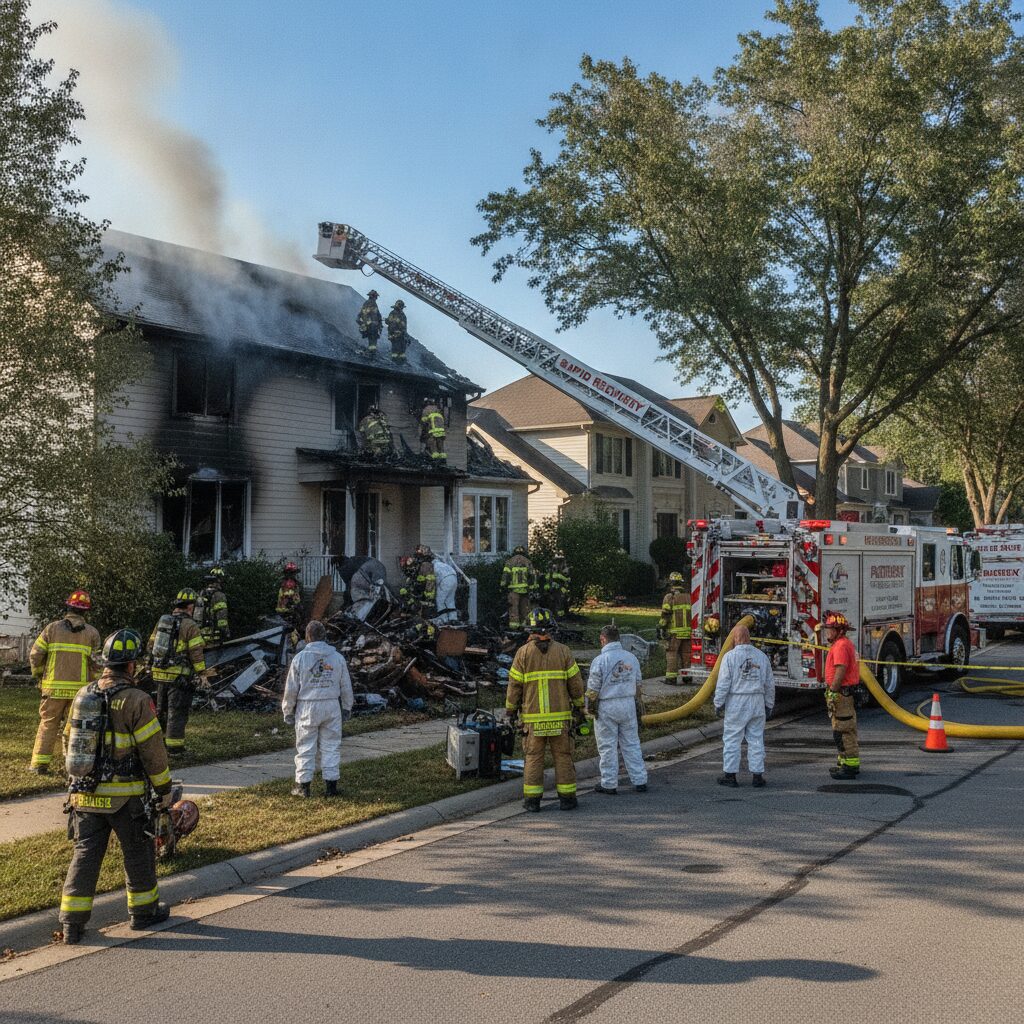
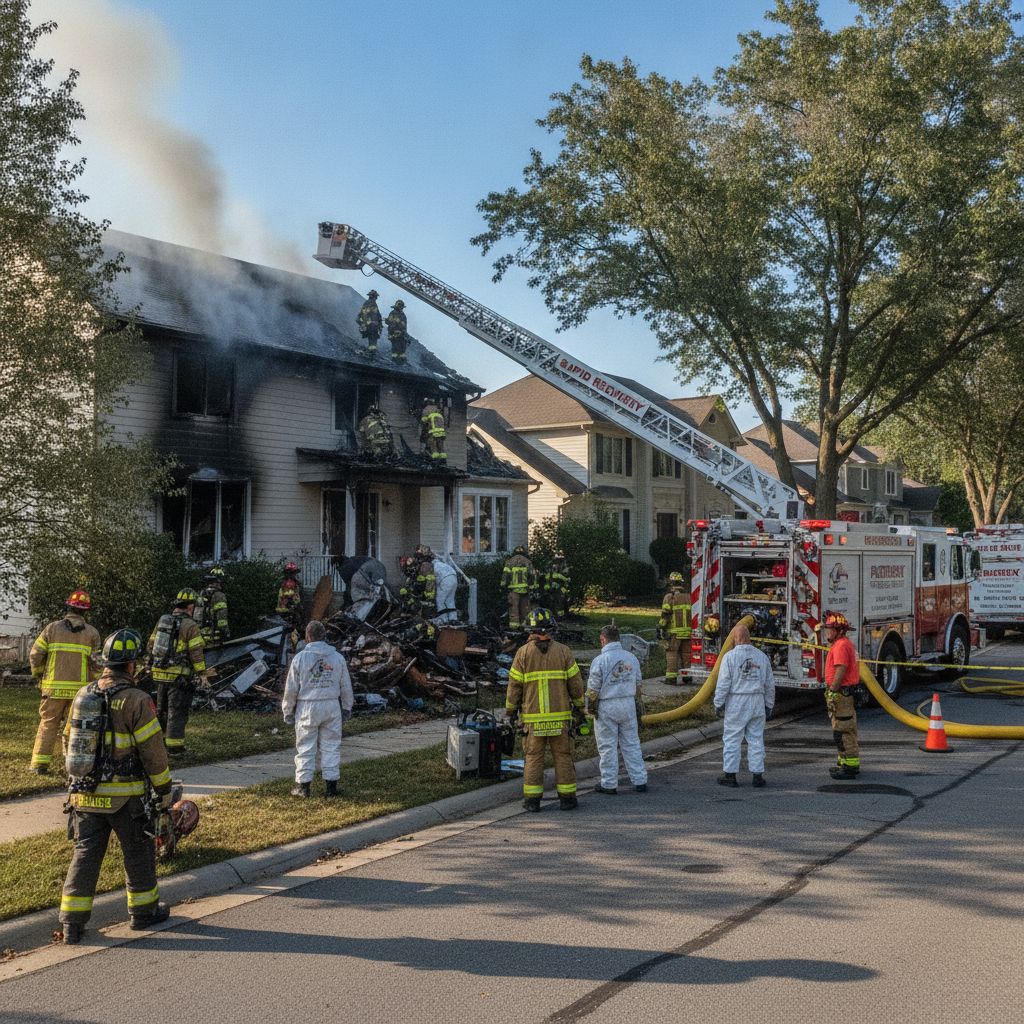
Fire can strike without warning, leaving devastation in its wake for businesses and property owners alike. When disaster hits, the speed and quality of your response can make all the difference between a manageable recovery and long-term setbacks. Fire damage restoration Bloomfield Hills professionals provide a crucial service, ensuring that both visible and hidden damage is addressed quickly and thoroughly. For small business owners, developers, and local residents, understanding what happens in those critical first hours and days after a fire is essential. This article explores the unique challenges of fire recovery, why fast action matters, and what to expect from a comprehensive restoration process in this community.
Why Fast Response Is Critical After a Fire
The aftermath of a fire is a race against time. The longer smoke, soot, and water from firefighting efforts linger, the more extensive the damage becomes. Immediate action is vital to stabilize the property, prevent secondary issues, and protect valuable assets. Quick intervention helps to minimize structural damage, reduce the risk of mold growth, and save salvageable contents. For business owners, every hour lost can mean missed revenue and mounting costs. That’s why working with a trusted local expert like Bloomfield Construction can be the difference between a smooth recovery and a prolonged crisis. Their rapid response teams are trained to assess hazards, secure the site, and begin mitigation steps right away, setting the stage for a successful restoration.
Assessing the Scope of Fire Damage
A thorough assessment is the foundation of any effective fire damage restoration plan. Restoration professionals conduct a detailed inspection to identify not only the obvious destruction but also the hidden threats that can compromise safety and property value. This includes evaluating structural integrity, checking for smoke infiltration in walls and HVAC systems, and determining the extent of water damage from suppression efforts. The assessment also considers the impact on electrical systems, plumbing, and sensitive business equipment. Understanding the full scope of the damage allows restoration teams to prioritize actions, allocate resources efficiently, and communicate clearly with property owners about timelines and expectations. For those considering repairs or upgrades after a fire, resources like How to Choose the Right Roofing Material for Bloomfield Hills Weather can provide valuable guidance on building back better and more resilient than before.
Understanding the Restoration Process Step by Step
Restoring a property after fire damage is a complex, multi-stage process that requires specialized skills and equipment. The journey typically begins with emergency board-up and tarping to secure the site and prevent further exposure to the elements. Next, water extraction and drying tackle the moisture left behind by firefighting efforts, which is crucial to prevent mold and structural deterioration. Soot and smoke residue removal follows, using advanced cleaning agents and techniques to address both visible and invisible contamination. Odor elimination is another key step, as smoke can permeate building materials and linger long after the fire is out. Throughout the process, restoration experts monitor air quality, moisture levels, and safety hazards to ensure a healthy environment for future occupants. For a deeper look at how professionals track and resolve hidden moisture issues, see What Happens During Professional Moisture Mapping in Bloomfield Hills Water Restoration.
The Hidden Dangers of Smoke and Soot Residue
Smoke and soot are more than just cosmetic problems. These byproducts of fire can infiltrate every nook and cranny of a building, causing ongoing health risks and structural issues if not properly addressed. Soot particles are acidic and can corrode metal, discolor surfaces, and degrade electronics. Smoke odor can persist for months, especially if it seeps into porous materials like drywall, insulation, and upholstery. Inhalation of soot and smoke residue can aggravate respiratory conditions and pose serious health concerns for occupants. Professional restoration teams use specialized equipment such as HEPA vacuums, air scrubbers, and ozone generators to remove contaminants and restore indoor air quality. Their expertise ensures that your property is not only visually restored but also safe for employees, customers, and residents.
Salvaging Contents and Inventory After a Fire
One of the most challenging aspects of fire recovery is determining what can be saved and what must be replaced. Restoration professionals use a combination of cleaning, deodorizing, and specialized drying techniques to salvage as much as possible. This includes furniture, documents, electronics, and inventory. For businesses, the ability to recover key assets can mean the difference between reopening quickly and facing significant financial losses. An organized approach to inventory management, including detailed documentation and photographic records, streamlines the insurance claims process and provides peace of mind. Restoration experts also advise on best practices for storing and protecting salvaged items during the recovery phase, reducing the risk of secondary damage.
Navigating Insurance Claims and Documentation
Dealing with insurance after a fire can be overwhelming, especially when emotions are running high and the stakes are significant. Restoration companies often assist property owners by providing detailed reports, photographs, and itemized lists of damages and repairs. This documentation is critical for substantiating claims and ensuring fair compensation. Understanding your policy, including coverage limits, exclusions, and required steps, helps avoid delays and disputes. Many restoration providers offer to work directly with insurance adjusters, advocating for their clients and clarifying technical aspects of the restoration process. For small business owners, this support can be invaluable in reducing downtime and financial uncertainty while focusing on getting back to normal operations.
Restoring Structural Integrity and Safety
Fires can compromise the structural integrity of a building, making professional assessment and repair essential. Restoration teams collaborate with engineers and contractors to evaluate load-bearing walls, foundations, roofs, and other critical components. Repairs may involve replacing damaged framing, reinforcing weakened structures, and ensuring compliance with local building codes. Safety is always the top priority, and no area is left unchecked. In addition to visible repairs, experts address hidden issues such as compromised electrical wiring or plumbing. By restoring both form and function, these efforts help property owners regain confidence in the safety and longevity of their buildings.
Preventing Future Fire Risks During Restoration
Restoration is not just about returning a property to its pre-loss condition; it’s also an opportunity to enhance safety and resilience. Professionals often recommend upgrades such as fire-resistant materials, improved alarm and sprinkler systems, and better emergency exits. Reviewing and updating fire prevention plans, conducting staff training, and installing modern detection technology can reduce the risk of future incidents. For business owners, investing in these improvements can lower insurance premiums and provide peace of mind. Restoration experts can also advise on best practices for ongoing maintenance and compliance with fire safety regulations, ensuring that lessons learned from the fire translate into lasting protection.
Coordinating with Local Authorities and Community Resources
Effective fire damage restoration often requires close collaboration with local fire departments, building inspectors, and community organizations. These partnerships help streamline the recovery process, facilitate necessary permits and inspections, and connect property owners with additional support services. Community resources may include temporary housing, business continuity programs, and counseling for those affected by the trauma of a fire. Restoration professionals act as liaisons, ensuring clear communication and compliance with all local requirements. This coordinated approach not only speeds up recovery but also fosters a sense of solidarity and resilience within the neighborhood.
Key Differences Between Residential and Commercial Fire Restoration
While the principles of fire damage restoration are similar for homes and businesses, there are important differences in scope, complexity, and priorities. Commercial properties often have larger footprints, specialized equipment, and regulatory requirements that demand tailored solutions. Business continuity is a major concern, with restoration teams working to minimize downtime and protect sensitive data or inventory. Residential projects, on the other hand, may focus more on personal belongings and family safety. Understanding these distinctions ensures that restoration plans are customized to the unique needs of each property type, delivering efficient and effective results for all stakeholders.
| Restoration Step | Purpose | Typical Timeline |
|---|---|---|
| Emergency Board-Up | Secure property, prevent further damage | Within hours |
| Damage Assessment | Identify all affected areas and hazards | First 24 hours |
| Water Extraction & Drying | Remove moisture, prevent mold | 1–3 days |
| Soot & Smoke Removal | Clean surfaces, improve air quality | 2–7 days |
| Structural Repairs | Restore integrity, ensure safety | Varies by extent |
| Final Cleaning & Restoration | Prepare for re-occupancy | Final stage |
Final Thoughts
Recovering from a fire is a daunting experience, but with the right support and a clear understanding of the restoration process, property owners in the area can move forward with confidence. Fast response is the key to minimizing damage, protecting assets, and restoring normalcy as quickly as possible. By partnering with experienced professionals, staying proactive about safety, and leveraging community resources, business owners and residents alike can turn a crisis into an opportunity for renewal and resilience. Remember, the choices made in the first hours after a fire can shape the outcome for years to come, choose wisely, act quickly, and prioritize comprehensive restoration for the best results.