Water damage can strike unexpectedly, leaving business owners and residents scrambling to restore their property and minimize disruption. Understanding the speed and cost factors involved in water damage restoration is crucial for making informed decisions and ensuring a smooth recovery process. Whether you’re a small business owner, a property developer, or simply someone interested in protecting your assets, knowing what influences restoration timelines and expenses can help you plan ahead and avoid unnecessary stress. In this article, we’ll break down the key elements that affect both how quickly restoration can be completed and what it might cost, with practical insights tailored for the local community. By the end, you’ll have a clear roadmap for navigating water damage emergencies efficiently and cost-effectively, ensuring your property and peace of mind are protected.
Speed and Cost Factors in Water Damage Restoration for Bloomfield Hills
When facing water damage, understanding the speed and cost factors is essential for anyone in this area. The timeline for restoration can vary based on the extent of the damage, the type of water involved, and how quickly professional help is engaged. Local businesses and homeowners often experience delays if the damage is not addressed immediately, leading to higher costs and more extensive repairs. Engaging a reputable company like Bloomfield Construction early can significantly improve response times and control expenses. Factors such as the availability of drying equipment, the size of the affected area, and the presence of mold or contaminants can all impact both the speed and cost of restoration. By being proactive and understanding these elements, residents and business owners can minimize downtime and financial impact, ensuring a faster return to normal operations. For additional details, see Bloomfield Construction.
Speed and Cost Factors for Water Damage Restoration in Bloomfield Hills, MI
The speed and cost factors for water damage restoration in Bloomfield Hills, MI, are influenced by several variables unique to the region. Weather conditions, such as heavy rains or rapid snowmelt, can increase the frequency and severity of water damage incidents, affecting both the urgency and complexity of restoration. Local regulations and building codes may also play a role in determining the methods and materials used, potentially impacting costs. To get a tailored quote or learn more about specific restoration options, you can visit our site. Additionally, the availability of skilled technicians and specialized equipment in the region can affect how quickly restoration work can begin and be completed. By understanding these local nuances, property owners can better anticipate potential challenges and budget accordingly for restoration services. For additional details, visit our site.
Speed and Cost Factors for Water Damage Restoration in Bloomfield Hills Michigan
For those in Bloomfield Hills Michigan, the speed and cost factors associated with water damage restoration are shaped by both environmental and logistical considerations. Seasonal weather patterns, such as spring floods or winter pipe bursts, can lead to higher demand for restoration services, potentially increasing wait times and costs. The proximity to suppliers and the density of restoration professionals in the community also influence how quickly help can arrive. If you’d like to see where local experts are based, check out Bloomfield Construction. Understanding these factors allows property owners to make informed decisions, ensuring that restoration proceeds efficiently and within budget, no matter the season or situation.
Assessing the Extent of Water Damage
One of the most significant speed and cost factors in water damage restoration is the extent of the damage itself. Restoration professionals begin by conducting a thorough assessment to determine how far the water has spread and which materials have been affected. Minor leaks may only impact a small area, requiring minimal intervention, while larger floods can saturate walls, floors, and even structural elements. The more extensive the damage, the longer the restoration process will take and the higher the overall cost. Early detection and prompt action are key to limiting the spread of water, reducing both repair time and expenses. Using moisture meters and infrared cameras, experts can accurately map out the affected zones, ensuring that no hidden moisture is left behind to cause future problems.
Type of Water Involved
The type of water involved in a damage event is a critical speed and cost factor. Restoration professionals classify water into three categories: clean water from broken pipes or rain, gray water from appliances, and black water from sewage or flooding. Clean water incidents are typically easier and less expensive to address, often requiring only drying and minor repairs. Gray and black water, however, pose health risks and require specialized cleaning, disinfection, and sometimes even removal of contaminated materials. The presence of hazardous contaminants increases both the time needed for restoration and the associated costs. Understanding the water source helps property owners and restoration teams develop the right plan, ensuring safety and compliance with health regulations while controlling expenses and minimizing downtime.
Response Time and Emergency Services
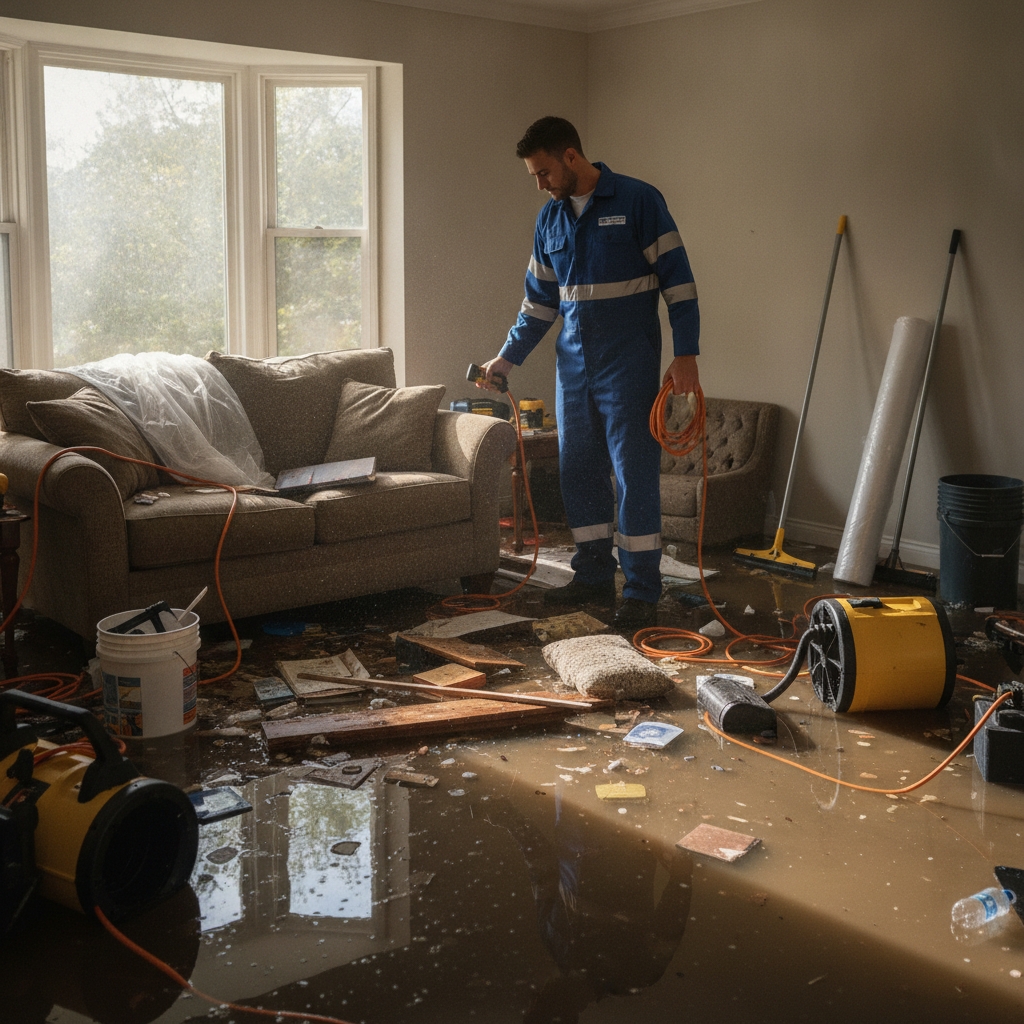
How quickly restoration begins after water damage occurs is one of the most important speed and cost factors. Immediate action can prevent secondary damage such as mold growth, wood rot, and structural weakening. Many restoration companies offer 24/7 emergency services to address urgent situations, helping to minimize both downtime and repair costs. Delays in response often lead to more extensive damage, requiring longer restoration times and higher expenses. For business owners, a fast response is critical to resuming operations and avoiding revenue loss. Establishing a relationship with a trusted local restoration provider ensures that help is just a call away, allowing for rapid deployment of drying equipment, containment barriers, and skilled technicians when time is of the essence.
Availability of Restoration Equipment and Technology
The availability and quality of restoration equipment play a major role in the speed and cost factors of water damage restoration. Modern drying technologies, such as high-powered air movers, dehumidifiers, and moisture detection tools, enable professionals to work more efficiently and effectively. Companies with a robust inventory of state-of-the-art equipment can often complete projects faster, reducing both labor costs and the risk of lingering moisture issues. Conversely, limited access to necessary tools can slow down the process and increase expenses due to prolonged drying times or repeated visits. Staying informed about the latest advancements in restoration technology helps property owners choose service providers equipped to deliver timely, cost-effective solutions.
Impact of Mold and Secondary Damage
Mold growth and secondary damage are significant speed and cost factors in water damage restoration projects. If water is not removed and the area dried promptly, mold can begin to develop within 24-48 hours, complicating the restoration process and increasing costs. Mold remediation involves additional steps such as containment, removal of contaminated materials, and specialized cleaning, all of which extend the timeline and raise expenses. Secondary damage, including warped flooring, damaged drywall, and compromised insulation, may require more extensive repairs or replacements. By addressing water damage quickly and thoroughly, property owners can reduce the risk of these complications, ensuring a faster, more affordable restoration process and a healthier indoor environment.
Insurance Coverage and Claims Process
Insurance coverage is a crucial speed and cost factor for water damage restoration. The type of policy, coverage limits, and exclusions all influence how much of the restoration cost will be out-of-pocket for property owners. Navigating the claims process can also affect the timeline, as delays in approval or disputes over coverage can slow down restoration work. Working with a restoration company experienced in insurance coordination can streamline the process, ensuring that documentation is completed accurately and promptly. Being proactive about understanding your policy and maintaining detailed records of the damage can help expedite claims, minimize financial surprises, and keep the restoration project on track.
Cost Breakdown Table for Water Damage Restoration
| Factor | Typical Impact on Speed | Typical Impact on Cost |
|---|---|---|
| Extent of Damage | Minor damage is resolved quickly, major damage takes longer | Greater damage increases overall cost |
| Type of Water | Clean water is faster to remediate | Contaminated water increases costs |
| Response Time | Faster response reduces restoration time | Delays increase costs due to secondary damage |
| Equipment Availability | Modern equipment speeds up drying | Advanced tools may cost more but save on labor |
| Insurance Coverage | Efficient claims speed up restoration | Coverage reduces out-of-pocket expenses |
Choosing the Right Restoration Partner
Selecting a qualified restoration partner is another key speed and cost factor. Not all restoration companies offer the same level of expertise, equipment, or responsiveness. Look for providers with strong reputations, transparent pricing, and a track record of successful projects in the area. A reliable partner will conduct a thorough assessment, provide a detailed estimate, and communicate clearly throughout the process. They will also be familiar with local building codes and insurance requirements, ensuring a smooth and compliant restoration. Taking the time to choose the right team can save property owners both time and money, resulting in a faster recovery and better long-term outcomes.
Preventive Measures and Maintenance
Prevention is always better than cure when it comes to water damage. Regular property maintenance and proactive measures can significantly reduce the risk of costly restoration projects. Inspecting roofs, gutters, plumbing, and drainage systems helps identify vulnerabilities before they lead to major issues. Installing water detection alarms, maintaining sump pumps, and sealing foundation cracks are practical steps that can prevent or minimize water intrusion. By investing in routine inspections and timely repairs, property owners can avoid many common causes of water damage, keeping both restoration speed and costs under control. Education and preparedness are invaluable tools for protecting your property and your bottom line.
The Bottom Line
Understanding the speed and cost factors in water damage restoration empowers property owners to act quickly and make informed choices. From the initial assessment to the final touches, each stage of the process is influenced by variables such as the extent of damage, water type, response time, equipment, and insurance. Choosing a skilled restoration partner and investing in preventive maintenance can further streamline recovery and control expenses. By staying proactive and knowledgeable, business owners and residents in this community can protect their investments and ensure a swift return to normalcy after water damage events. Remember, preparation and timely action are your best defenses against the unexpected.