Water damage is a costly and stressful problem for homeowners, small business owners, and developers alike. In the region, unpredictable weather and seasonal changes can quickly turn a beautiful yard into a source of headaches. The good news? With the right approach to landscape water damage prevention, you can protect your property, boost curb appeal, and even increase its value. This guide dives deep into practical, proven strategies for keeping your home or business dry and safe, no matter what the weather brings. From grading and drainage to plant selection and maintenance, we’ll explore how smart landscaping choices can be your first line of defense against water intrusion. Whether you’re a longtime resident or new to this community, these tips will help you create a resilient landscape that stands up to the elements and preserves your investment for years to come.
Landscape Water Damage Prevention in the Area
Landscape water damage prevention is essential for protecting both homes and businesses from costly repairs. The area’s rolling terrain and seasonal rainfall can lead to water pooling near foundations, causing long-term structural issues if left unchecked. One of the first steps is to assess your property’s grading. Make sure the soil slopes away from all buildings, directing water toward safe drainage points. Installing French drains or dry creek beds can also help channel excess water away from vulnerable areas. Additionally, using mulch and ground covers helps absorb rainfall and reduce surface runoff. Don’t overlook the importance of regular gutter cleaning and downspout extensions, as clogged systems can quickly overwhelm your landscape. For more detailed solutions, check out Landscape Water Damage Prevention in Bloomfield Hills for expert advice tailored to local needs. For additional details, see Landscape Water Damage Prevention in Bloomfield Hills.
Landscape Water Damage Prevention in Bloomfield Hills, MI
When it comes to landscape water damage prevention in Bloomfield Hills, MI, understanding local soil and climate patterns is crucial. Heavy clay soils, common in the region, tend to retain water, increasing the risk of pooling and seepage. To combat this, consider amending soil with organic matter to improve drainage. Installing rain gardens in low-lying spots can capture runoff and filter pollutants before they reach storm drains. Raised beds and retaining walls can also help manage water flow, especially on sloped lots. Remember to inspect hardscaping features like patios and walkways for cracks or uneven surfaces where water might collect. For a full breakdown of the most effective strategies, see the Bloomfield Hills landscape water damage prevention tips that address the unique challenges of this region. For additional details, see Bloomfield Hills landscape water damage prevention tips.
Landscape Water Damage Prevention in Bloomfield Hills Michigan
Landscape water damage prevention in Bloomfield Hills Michigan requires a proactive approach, especially given the area’s variable precipitation and freeze-thaw cycles. One effective method is to use permeable paving materials for driveways and walkways. These allow water to infiltrate the ground, reducing surface runoff and minimizing erosion. Strategic planting is another key element, selecting native trees and shrubs with deep root systems helps stabilize soil and absorb excess moisture. Regularly aerating your lawn also promotes better drainage and healthier turf. For those dealing with persistent wet spots, installing a sump pump or catch basin may be necessary. Explore more detailed advice and real-world examples by visiting the Bloomfield Construction blog, which covers advanced landscape solutions for local conditions. For additional details, see Bloomfield Construction.
Professional Assessment and Local Expertise
Sometimes, the best way to ensure effective landscape water damage prevention is to consult with local experts who understand the unique challenges of this city. A professional assessment can identify hidden vulnerabilities, such as underground springs, improper grading, or outdated drainage systems. Specialists use tools like soil moisture meters and infrared cameras to pinpoint problem areas before they escalate. They can also recommend custom solutions tailored to your property’s specific needs, from advanced drainage installations to eco-friendly landscaping upgrades. If you’re unsure where to begin, consider reaching out to Bloomfield Construction for a thorough evaluation and actionable recommendations based on years of local experience.
Grading and Slope Management
Proper grading is the foundation of landscape water damage prevention. The goal is to ensure that water flows away from structures, not toward them. Start by checking the slope around your home or business, ideally, the ground should drop at least six inches within the first ten feet from the foundation. If you notice dips or depressions where water collects, fill them with topsoil and reseed as needed. For larger properties, terracing or contouring the land can help slow water movement and prevent erosion. Retaining walls are effective for managing steep slopes, while swales (shallow ditches) can direct runoff safely away. Regularly inspect your property after heavy rains to identify any new problem spots and address them promptly. Remember, even small grading adjustments can make a big difference in keeping water at bay.
Drainage Solutions for Every Property
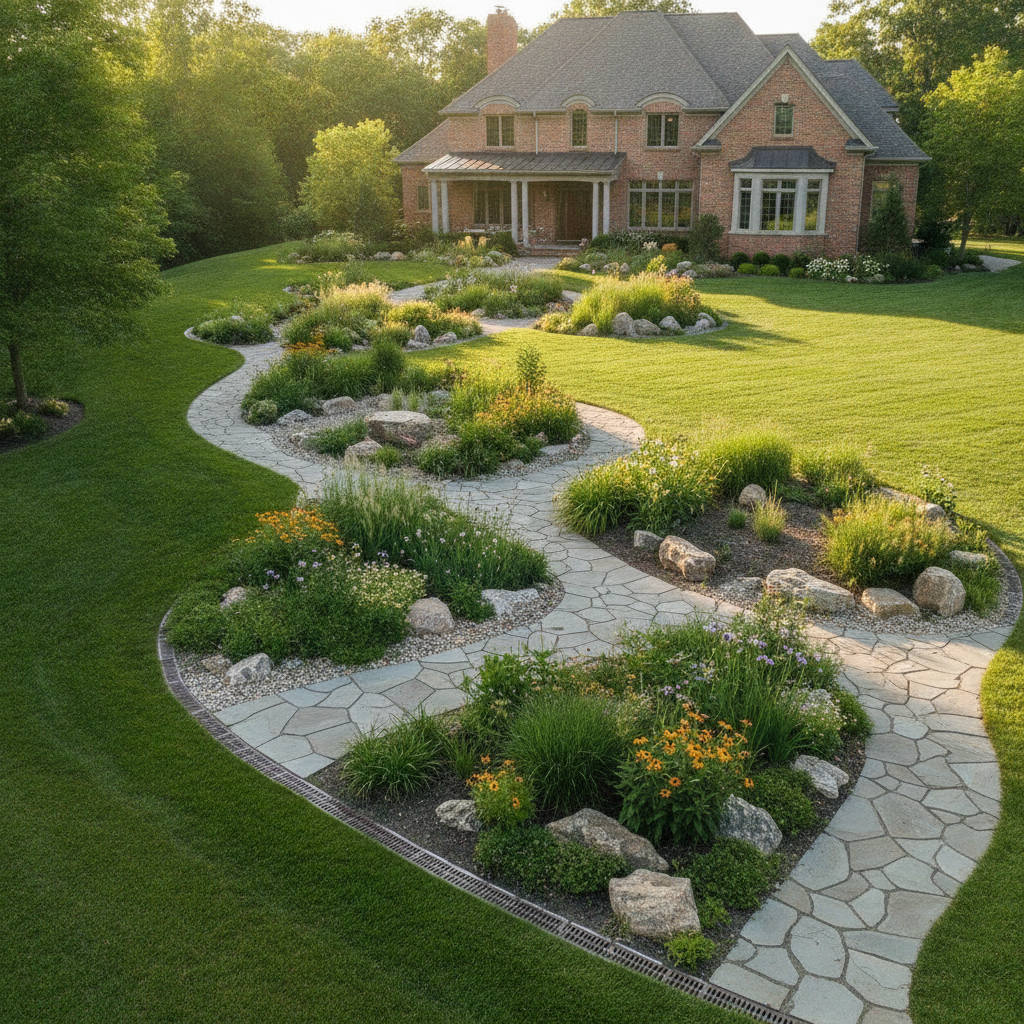
Effective drainage systems are vital for landscape water damage prevention. French drains, which consist of perforated pipes buried in gravel trenches, are excellent for redirecting water away from foundations and low-lying areas. Dry wells can collect and disperse excess runoff underground, preventing surface pooling. Surface drains and channel drains are ideal for paved areas like driveways and patios. For properties with significant elevation changes, consider installing a combination of drainage solutions to handle varying water flow rates. Don’t forget to maintain these systems by clearing debris and checking for blockages at least twice a year. Investing in the right drainage infrastructure not only protects your property but also supports healthy landscaping and prevents soil erosion over time.
Smart Plant Selection and Placement
Choosing the right plants is a powerful tool for landscape water damage prevention. Native species are adapted to local rainfall patterns and soil types, making them more resilient during wet or dry periods. Deep-rooted trees and shrubs help stabilize soil and absorb excess moisture, while ground covers and ornamental grasses reduce surface runoff. When planting near structures, maintain a safe distance to prevent roots from interfering with foundations or underground utilities. Grouping plants with similar water needs together (a practice called hydrozoning) ensures efficient irrigation and reduces the risk of overwatering. Mulching around plants conserves soil moisture and prevents erosion. By carefully planning your landscape, you can create a beautiful, functional outdoor space that actively protects your property from water damage.
Rain Gardens and Permeable Surfaces
Rain gardens are shallow, planted depressions designed to capture and filter stormwater runoff. By integrating rain gardens into your landscape, you not only reduce the risk of water damage but also support local biodiversity and improve water quality. Choose native plants that thrive in both wet and dry conditions for best results. Permeable surfaces, such as gravel, permeable pavers, or porous concrete, allow water to seep into the ground instead of running off into storm drains. These surfaces are ideal for driveways, walkways, and patios. Combining rain gardens with permeable materials creates a synergistic effect, maximizing infiltration and minimizing erosion. Regular maintenance, such as removing debris and replenishing mulch, keeps these features functioning optimally year after year.
Gutter Systems and Downspout Management
A well-maintained gutter system is a critical component of landscape water damage prevention. Gutters collect rainwater from the roof and channel it safely away from the foundation. Regularly clean gutters to remove leaves, twigs, and debris that can cause clogs and overflows. Downspouts should extend at least five feet from the building, ideally discharging onto splash blocks or into drainage pipes. Consider installing gutter guards to reduce maintenance and prevent blockages. If you notice water pooling near downspout outlets, use extensions or underground piping to direct the flow further away. Inspect your gutter system every spring and fall, and after major storms, to ensure it’s functioning properly. Proactive gutter care is a simple yet highly effective way to protect your landscape and structure from water intrusion.
Seasonal Maintenance and Inspection Checklist
Consistent seasonal maintenance is key to successful landscape water damage prevention. Begin each spring by inspecting your grading, drainage systems, and plant health. Look for signs of erosion, pooling water, or compacted soil. In summer, monitor irrigation practices to avoid overwatering, and check for clogged gutters after storms. Fall is the time to clear leaves from drainage paths and prepare your landscape for winter by mulching vulnerable plants. Winter brings freeze-thaw cycles that can shift soil and damage drainage infrastructure, inspect for cracks or movement after each thaw. By following a regular inspection routine, you’ll catch small issues before they become major problems, ensuring your property remains protected year-round.
Comparing Landscape Water Damage Prevention Methods
| Method | Best For | Maintenance Level |
|---|---|---|
| French Drains | Redirecting water from low areas | Moderate |
| Rain Gardens | Capturing runoff, eco-friendly yards | Low |
| Permeable Pavers | Driveways, walkways | Low |
| Gutter Extensions | Directing roof runoff | Low |
| Retaining Walls | Sloped properties | Moderate |
This table compares some of the most effective landscape water damage prevention techniques. Each method offers unique benefits depending on your property’s layout and needs. By combining several approaches, you can maximize protection and maintain a healthy, attractive landscape throughout the year.
Final Thoughts
Investing in landscape water damage prevention is one of the smartest moves you can make as a property owner in this community. By taking a proactive approach, whether through grading, drainage, plant selection, or regular maintenance, you not only safeguard your home or business but also enhance its beauty and value. Remember, every property is unique, so tailor your strategy to fit your specific needs and conditions. Don’t hesitate to seek professional guidance for complex challenges or if you’re unsure where to start. With the right combination of knowledge, planning, and ongoing care, you can enjoy peace of mind knowing your landscape is ready to weather any storm. Start today and build a resilient outdoor space that serves you for years to come.