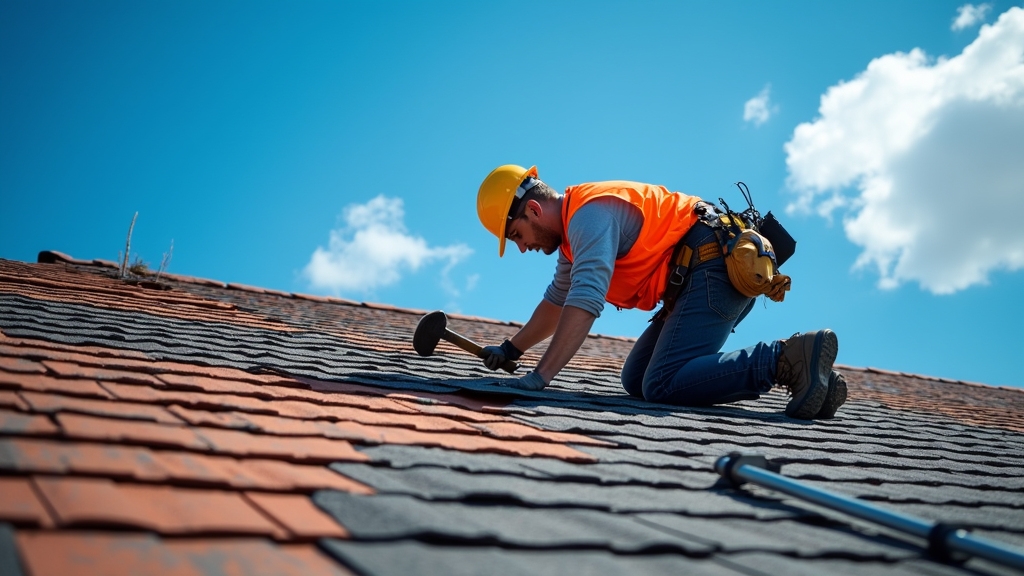
You need a fast roof repair when a storm hits or a leak springs up, and getting it done quickly is vital to preventing further damage. You’ll want to identify the issue quickly and choose the right contractor. It’s important to understand what to expect from emergency services and how to maintain your roof after repair. You’re taking the first step towards a secure home, and there’s more to discover about keeping it that way.
Key Takeaways
- Prioritize roof repairs to prevent further damage.
- Regular checks help identify issues before escalation.
- Prompt assessments evaluate situations quickly.
- Temporary solutions prevent further issues.
- Emergency kits stabilize roofs immediately.
Why Fast Roof Repair Is Crucial
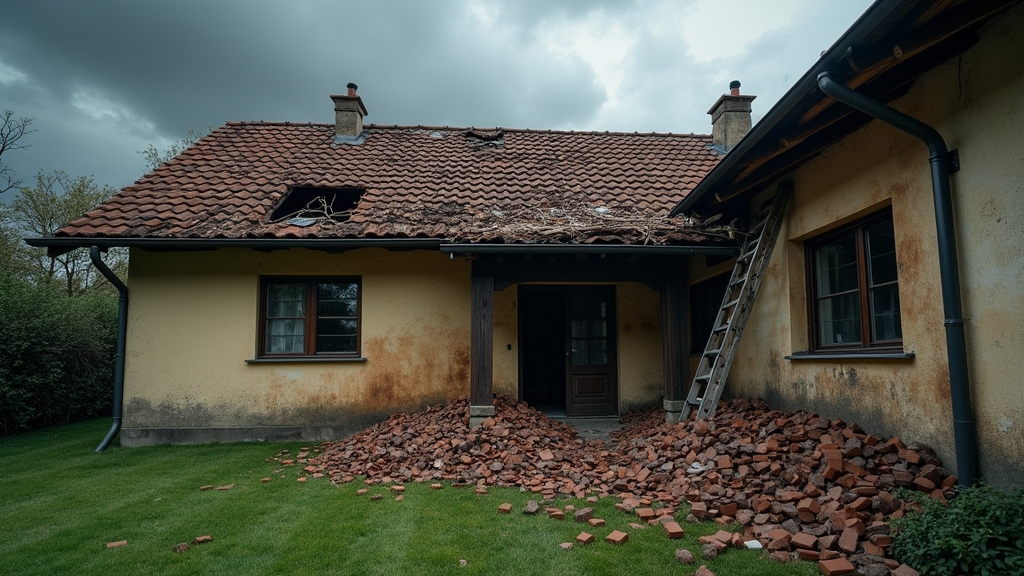
Because a damaged roof can quickly lead to more extensive and expensive problems, you’ll want to prioritize repairs.
You’re taking a smart approach by considering emergency preparedness, which includes roof maintenance. Regular checks can help you identify issues before they become major.
By addressing problems promptly, you’ll prevent further damage and avoid costly repairs down the line. Don’t wait for a leak to turn into a disaster – take control of your roof’s condition.
Address problems promptly to prevent further damage and avoid costly repairs.
Stay on top of roof maintenance to guarantee your home remains secure and protected. This proactive approach will give you peace of mind, knowing you’re prepared for any situation that may arise.
It’s vital to be proactive, as a well-maintained roof is fundamental for your home’s integrity and your financial security.
Understanding Leaks And Their Causes
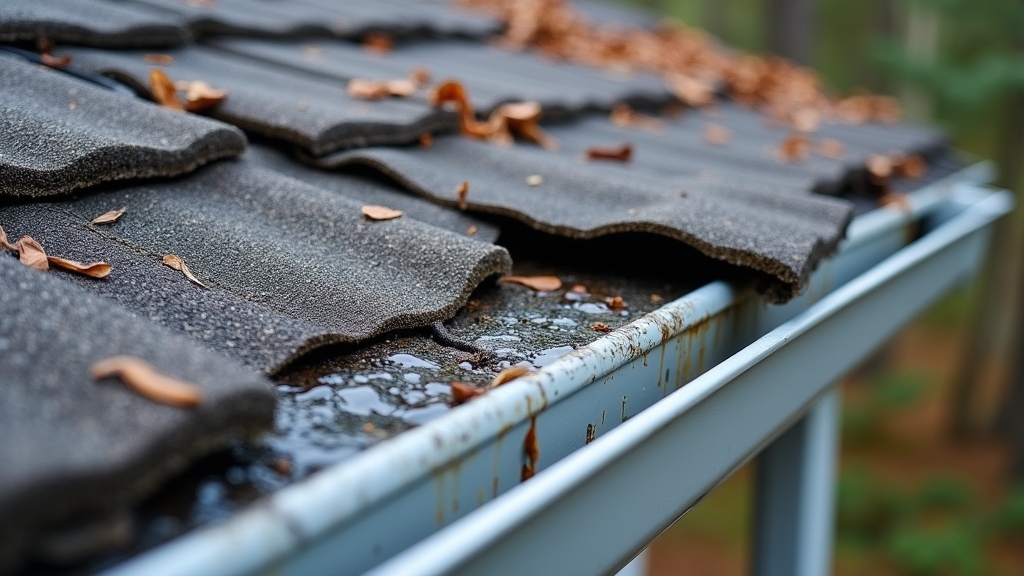
When you notice water stains on your ceiling or walls, it’s likely that you’re dealing with a leaky roof. You’re probably wondering what’s causing it and how to prevent further damage.
Understanding the common causes of leaks is key to leak prevention. You’ll find that most leaks are caused by damaged or missing shingles, cracked flashing, or clogged gutters.
You can take steps to prevent leaks by inspecting your roof regularly and addressing any issues promptly. By doing so, you’ll reduce the risk of costly repairs down the line.
It’s important to be proactive in your approach to leak prevention, as a small leak can quickly turn into a big problem if you don’t catch it early.
You can avoid this by being aware of the common causes and taking preventive measures. This will help you prevent leaks and protect your home.
How To Identify Roof Damage Quickly
You’ll need to check your roof regularly to catch damage before it becomes a major issue.
As you inspect, look closely for signs of wear and tear, such as missing or damaged shingles, and don’t forget to check the roof’s edges.
You’re looking for vulnerabilities, so inspect edges carefully, where roof damage often starts, and make a note of any areas that need repair.
Check Roof
As you inspect your roof, it’s important to know what signs of damage to look for, so you can identify potential issues quickly.
You’re taking a vital step in roof maintenance by checking for damage. Regular seasonal inspections can help you catch problems early, saving you time and money.
Look for missing or loose shingles, cracks, and worn-out seals. Check for signs of wear around chimneys, vents, and skylights.
Look Closely
How closely are you inspecting your roof? You’re checking for signs of damage, but it’s easy to overlook issues.
During a roof inspection, you’re looking for worn-out or missing shingles, cracks, and dents. You’re evaluating the condition of your roof to identify potential problems. A thorough damage evaluation helps you detect leaks, water damage, or structural issues early on.
Take your time, and don’t rush the process. Look for discoloration, sagging, or unevenness. By doing so, you’ll be able to pinpoint areas that need repair, ensuring a successful roof inspection and prompt repair when you need it.
Inspect Edges
Inspecting your roof’s edges is where you’re most likely to find signs of wear and tear, and it’s a key area to focus on after evaluating the overall condition of your roof.
You’ll want to check for edge deterioration, which can lead to leaks and further damage. Look for gaps or cracks where the roof meets the wall or chimney.
Verify edge sealing is intact to prevent water from seeping in. By inspecting these areas, you can identify potential issues before they become major problems, allowing you to take action and prevent costly repairs down the line, quickly.
What To Expect From Emergency Repair Services
When you call emergency repair services, you expect a fast response to minimize damage to your property.
You’re looking for a team that’ll show up quickly and get to work right away, so you can get back to normal.
You’ll want to know what kind of quick fix they can provide to temporarily or permanently repair your roof, depending on the extent of the damage.
Fast Response
As you’re dealing with roof damage, you’ll want a repair service that can respond quickly to prevent further issues.
You need an emergency response to minimize damage. A quick assessment of the situation is essential. You expect the repair team to arrive promptly, evaluate the damage, and start working on a solution.
They should provide a clear plan and timeline for the repair. With a fast response, you can prevent further damage and get back to normal quickly.
This quick assessment and emergency response will give you peace of mind, knowing your roof is being repaired efficiently.
Quick Fix
You’ve got a repair team on site, and now you’re expecting a quick fix to get your roof back in shape.
They’ll assess the damage and provide temporary solutions to prevent further issues. The team will use emergency kits to patch up holes and secure loose materials.
You can expect them to work efficiently, prioritize the most critical repairs, and guarantee your safety. They’ll also discuss permanent repair options with you, but for now, their focus is on stabilizing your roof.
With their expertise, you’ll have a secure and protected home until a full repair can be done.
Choosing The Right Roofing Contractor
Because your roof’s integrity is essential, it’s important that you hire a reliable roofing contractor who can get the job done efficiently.
You’re looking for someone with the right contractor credentials, including licenses and certifications. Check their roofing experience, too, as it’s significant for handling different types of roofs and materials.
You want a contractor who can assess and fix your roof quickly. When searching, look for contractors with extensive roofing experience and a proven track record.
Verify their credentials and experience to guarantee you’re hiring a qualified professional. By doing so, you’ll be able to trust that your roof is in good hands, and the repair will be done correctly and efficiently, giving you peace of mind.
This helps you make an informed decision when choosing a roofing contractor.
Assessing The Extent Of Roof Damage
You’ll start by conducting a thorough roof check to identify potential issues.
As you assess the damage, you’ll need to determine the types of damage that have occurred, such as cracks, holes, or worn-out materials.
You’re also looking for signs of leaks, and you’ll use leak detection methods to pinpoint the sources of any water damage or moisture issues.
Roof Check
As you inspect your roof, it’s vital to assess the extent of the damage to determine the best course of action.
You’re taking an important step in roof maintenance by checking for issues. Regular seasonal inspections can help identify problems early on. By doing so, you can address them before they become major concerns.
You’ll want to look for signs of wear and tear, checking for missing or damaged shingles, and ensuring all flashings are secure.
This proactive approach to roof maintenance will help you catch potential issues before they lead to costly repairs, giving you peace of mind.
Damage Types
When inspecting your roof, damaged areas can be obvious or subtle, and it’s essential that you identify them correctly to assess the extent of the damage.
You’re looking for signs of shingle damage, such as missing or loose shingles. Water damage is another concern, as it can lead to more severe issues if not addressed promptly.
Check for water stains, warping, or rotting wood. It’s vital that you document all damage to determine the best course of action for repair.
Leak Detection
Since your roof’s damaged areas have been identified, it’s time to pinpoint the source of any leaks.
You’re looking to implement leak prevention strategies to avoid further damage. To do this, you’ll use moisture detection tools to assess the extent of the damage.
These tools help you locate the source of the leak, allowing you to address it quickly. By using these tools, you can identify areas where water may be entering your roof and take steps to prevent further leaks.
This helps you develop effective leak prevention strategies and guarantee your roof is secure. You can then repair the leaks.
Getting A Professional Roof Inspection
You’ll typically need a professional roof inspection after a severe storm or if you’ve noticed signs of damage, such as missing shingles or water stains on your ceiling.
This inspection will provide you with a professional assessment of your roof’s condition. The roof inspection benefits are numerous, including identifying potential issues before they become major problems.
A professional will check for damaged or loose shingles, cracked chimneys, and sagging gutters. They’ll also look for signs of wear and tear, such as curled or buckled shingles.
By getting a professional roof inspection, you’ll get a clear understanding of your roof’s condition and what repairs are needed. This assessment will help you prioritize repairs and make informed decisions about your roof’s maintenance.
It’s an essential step in ensuring your roof remains safe and secure. You’ll be able to address issues promptly.
Understanding Roof Repair Costs And Estimates
You’ll need to contemplate several factors that affect repair costs, including the type and extent of damage, materials needed, and labor costs.
As you gather estimates, you’re comparing not just the total costs, but also the process used to calculate them.
You’re looking for a clear breakdown of the total costs, so you can make an informed decision about your roof repair.
Repair Cost Factors
When budgeting for a roof repair, it’s essential to take into account the factors that affect the cost, as they can vary widely depending on the type and extent of the damage.
You’re looking at repair materials, which can range from inexpensive to very costly. Labor costs are another significant factor, as they can add up quickly.
You’ll need to weigh the complexity of the job and the roofer’s expertise. Additionally, the location and size of your roof will also impact the overall cost.
Estimate Process
As you prepare to tackle your roof repair, understanding the estimate process is crucial to getting a fair deal.
You’ll receive an estimate breakdown that outlines the costs of materials and labor. This document provides cost transparency, helping you make informed decisions.
You should review it carefully, asking questions if you don’t understand something. A clear estimate breakdown guarantees you know what you’re paying for, allowing you to compare prices and services.
With cost transparency, you can trust that you’re getting a fair price for your roof repair. This helps you budget and plan effectively.
Total Costs
Since your roof repair needs are unique, it’s essential to understand what factors influence total costs.
You’ll get a total cost breakdown, which includes materials and labor. This breakdown helps you plan and budget for the repair.
You can explore repair financing options if you can’t pay upfront. These options can help you cover the costs and get your roof fixed quickly.
By understanding the total cost breakdown and financing options, you can make informed decisions about your roof repair and get back to normal life as soon as possible.
This helps you manage the overall cost effectively.
Factors Affecting The Cost Of Roof Repair
You’ll find that the cost of roof repair varies considerably depending on several key factors.
When calculating the total cost, you consider repair material costs and labor expense factors.
- Type of roof material
- Extent of damage
- Roof size and complexity
- Location and accessibility.
You evaluate these factors to determine the overall cost.
Repair material costs include the price of replacement materials, while labor expense factors include the cost of hiring professionals to complete the job.
How Weather Conditions Impact Repair Needs
You’re likely aware that weather conditions can greatly impact your roof’s condition, and you’ll need to take into account how heavy rain, strong winds, and extreme heat affect it.
As you assess your roof’s repair needs, you’ll notice that these weather conditions can cause distinct types of damage.
You’ll want to inspect your roof for signs of damage from heavy rain, strong winds, and extreme heat to determine what repairs you need to make.
Heavy Rain
Heavy rain can greatly impact your roof’s condition, and it’s crucial to evaluate the damage as soon as the storm passes.
You’ll want to check for signs of rain impact, including moisture retention. Consider the following:
- Leaks in the ceiling
- Water stains on walls
- Damaged shingles
- Clogged gutters.
These signs indicate your roof needs repair. You must act quickly to prevent further damage from heavy rain.
Evaluating your roof’s condition after a storm helps you address issues before they become major problems, reducing the risk of costly repairs and ensuring your home remains safe and secure.
Strong Winds
As strong winds hit your area, they can greatly impact your roof’s stability, causing damage that’s just as severe as that caused by heavy rain.
You’ll need to assess the wind damage to determine the extent of the repairs needed. Strong winds can test your roof’s resilience, causing tiles or shingles to loosen or fly off.
It’s crucial to inspect your roof after a strong windstorm to identify any potential issues. By doing so, you can address them quickly, ensuring your roof remains secure and reducing the risk of further damage.
Regular checks will help maintain your roof’s resilience.
Extreme Heat
While evaluating wind damage, it’s important to take into account that extreme heat can further exacerbate the issues you’ve identified, so it’s essential to factor it into your repair plans.
You’ll need to take into account heat effects, such as thermal expansion, which can cause materials to contract and expand.
Key considerations include:
- Roof material durability
- Sealant integrity
- Thermal expansion effects
- Ventilation needs.
You must assess these factors to guarantee your repairs withstand extreme heat and prevent further damage.
Safety Precautions During Roof Repair
When you’re repairing a roof, safety should be your top priority, because a single mistake can lead to serious injury or even death. You must take necessary precautions to avoid accidents.
Wearing safety gear is vital, including a harness, gloves, and a hard hat. You should also guarantee fall protection by installing guardrails or safety nets around the roof.
It’s important to inspect your equipment regularly to confirm it’s in good condition. You don’t want to risk a fall or equipment failure while you’re on the roof.
By taking these precautions, you can minimize risks and complete the repair job safely and efficiently.
DIY Vs Professional Roof Repair
You’re faced with a decision: tackle your roof repair yourself or hire a professional. When evaluating DIY techniques, you’ll need to assess your skills and experience. If you’re unsure, it’s best to hire a pro.
Here are some key points to ponder:
- Cost savings
- Time commitment
- Safety risks
- Quality of work
Hiring a professional with the right qualifications guarantees a job well done. They’ve the necessary training and experience to complete the repair efficiently and effectively.
Professional qualifications are essential for a successful roof repair. You can’t compromise on quality, so weigh your options carefully and make an informed decision.
Materials Needed For Common Roof Repairs
Roof repair projects require specific materials to make certain they’re done right. You’ll need to gather the necessary roofing materials, such as shingles, flashing, and underlayment.
Additionally, you’ll require repair tools like a hammer, tape measure, and utility knife. It’s crucial to choose the right materials for your specific repair job, as this will ensure a durable and long-lasting fix.
Choosing the right materials ensures a durable and long-lasting roof repair fix
You’re taking on the repair, so make sure you have all the required materials and tools before starting. This will save you time and reduce the risk of errors.
By having the right roofing materials and repair tools, you’ll be able to complete the job efficiently and effectively, getting your roof back in good condition quickly.
You can then rest assured that your roof is secure and protected from further damage.
Steps To Take Before Calling A Roofing Contractor
Before calling a roofing contractor, it’s vital that you’ve taken steps to assess the situation and gather necessary information, because this will help you make an informed decision.
You’re looking for roof inspection tips to guide you through this process. Consider following an emergency roofing checklist to guarantee you don’t miss anything important.
Here’s what to do:
- Check for visible damage
- Look for water stains or leaks
- Inspect your roof’s condition
- Document the damage for reference.
By doing so, you’ll be well-prepared to discuss your needs with a contractor, saving time and potential miscommunication.
This preparation will also help you prioritize repairs and make the most of the contractor’s visit.
Questions To Ask Your Roofing Contractor
Now that you’ve assessed the situation and gathered necessary information, it’s time to find the right professional to handle your roof repair.
You’re looking for a reliable contractor with the necessary skills. When searching, you’ll want to ask questions to guarantee you’re hiring the best.
What’re the contractor’s qualifications? You should verify their license, insurance, and certifications.
Don’t forget to ask about their experience with similar repairs. What’s their process for handling roof repairs, and what kind of materials will they use?
You should also ask for references and check online reviews.
Understanding Roofing Warranties And Guarantees
When you’re hiring a contractor, it’s essential that you understand what kind of protection you’ll have in case something goes wrong – that’s where warranties and guarantees come in.
You’ll want to review the warranty coverage and guarantee terms before signing a contract.
- Check the length of the warranty
- Review what’s covered and what’s not
- Understand the process for filing a claim
- Know how long guarantee terms last.
This information will help you make an informed decision and guarantee you’re protected in case something goes wrong.
Preventing Future Roof Leaks And Damage
As you take steps to repair your roof, it’s essential that you’re also taking measures to prevent future leaks and damage, which can save you time, money, and stress in the long run.
You’re investing time and resources into repairs, so it’s vital to protect that investment. By prioritizing preventive maintenance, you can identify potential issues before they become major problems.
Routine inspections are key to catching issues early, allowing you to address them quickly and efficiently. You should inspect your roof regularly, checking for damaged or missing shingles, loose flashing, and other signs of wear.
By staying on top of maintenance, you can prevent future leaks and damage, ensuring your roof remains secure and durable for years to come.
This proactive approach will give you peace of mind and help you avoid costly repairs down the line.
Maintaining Your Roof After Repair
Because you’ve invested time and money in repairing your roof, it’s essential that you maintain it properly to ensure the repairs last.
You’ll want to follow these roof maintenance tips to guarantee your roof remains in good condition.
- Schedule routine inspections
- Clean your gutters regularly
- Trim nearby trees
- Check for loose shingles.
By doing so, you’ll be able to identify potential issues before they become major problems. Routine inspections will help you catch any damage or wear and tear, allowing you to address it quickly and prevent further damage.
This will save you time and money in the long run, and give you peace of mind knowing your roof is secure.
What To Do In Case Of A Roofing Emergency?
In the event of a roofing emergency, you’ll need to act quickly to minimize damage and guarantee your safety.
You should have an emergency checklist to refer to, which includes contacting a roofing professional and evaluating the situation. It’s essential to prioritize your safety above all else.
If you can’t get a professional to your location right away, you’ll need to find temporary solutions to prevent further damage. This might include covering damaged areas with tarps or patching holes with roofing cement.
Remember to document any damage for insurance purposes. By acting swiftly and having a plan in place, you can reduce the risk of further damage and get back to normal as soon as possible.
Your emergency checklist will guide you through the process, ensuring you take the right steps during a roofing emergency.
Frequently Asked Questions
Can I File Insurance for Roof Damage?
You can file insurance for roof damage, but you’ll need to document it, get roof inspections done, and submit insurance claims to your provider to process your request quickly.
How Long Does Repair Take?
You’ll typically complete repairs within 1-5 days, depending on damage, but you can expect emergency repairs to finish sooner, often in under 24 hours, to prevent further issues.
Do I Need Permit for Repair?
You’ll likely need a permit, depending on local permit requirements and repair regulations, so you’re checking with your city to determine specific rules and ascertain you’re complying with them properly.
Can I Repair Roof Myself?
You can repair your roof yourself with DIY roofing, but you’re taking risks, so you’ll need to take essential safety precautions to avoid accidents and guarantee it’s done correctly.
Is Repair Covered by Warranty?
You’ll need to check your warranty terms, as they’ll outline repair exclusions, determining what’s covered and what you’re responsible for, to see if it’s included under the warranty agreement you have.
Final Thoughts
Fast roof repair is all about protecting your home before a small problem turns into major interior damage. When leaks or storm impacts show up, quick action—an accurate inspection, temporary stabilization if needed, and professional repairs—can reduce repair costs and help preserve your roof’s lifespan. If you’re comparing providers, it also helps to know what separates dependable crews from risky shortcuts—this guide on choosing top roofing contractors in Bloomfield Hills is a helpful place to start, along with our overview of reliable roofing contractors you can trust.
When you need repairs handled quickly and correctly, Bloomfield Construction & Restoration is ready to help—whether you’re dealing with storm-related issues, active leaks, or urgent damage that can’t wait. Explore our Roofing services and visit our FAQ to understand what to expect during the process. For immediate assistance or to request an on-site assessment, contact our team directly through the contact form.