Severe weather can strike at any time, leaving homes and businesses vulnerable to the elements. For property owners, understanding how to assess storm damage is essential for protecting your investment and ensuring the safety of everyone inside. Whether you’re a small business owner, a developer managing multiple properties, or a homeowner concerned about your roof’s integrity, knowing what to look for after a storm can mean the difference between a quick fix and a costly repair. In this guide, we’ll walk you through the steps to assess storm damage, highlight the signs that indicate trouble, and explain why a thorough inspection is crucial. By the end, you’ll be equipped with practical knowledge to make informed decisions about your roof’s health, minimize risks, and get the help you need when it matters most. Let’s dive into the essentials of storm damage assessment and empower you to take control after the next big storm.
How to Assess Storm Damage on Your Roof in Bloomfield Hills
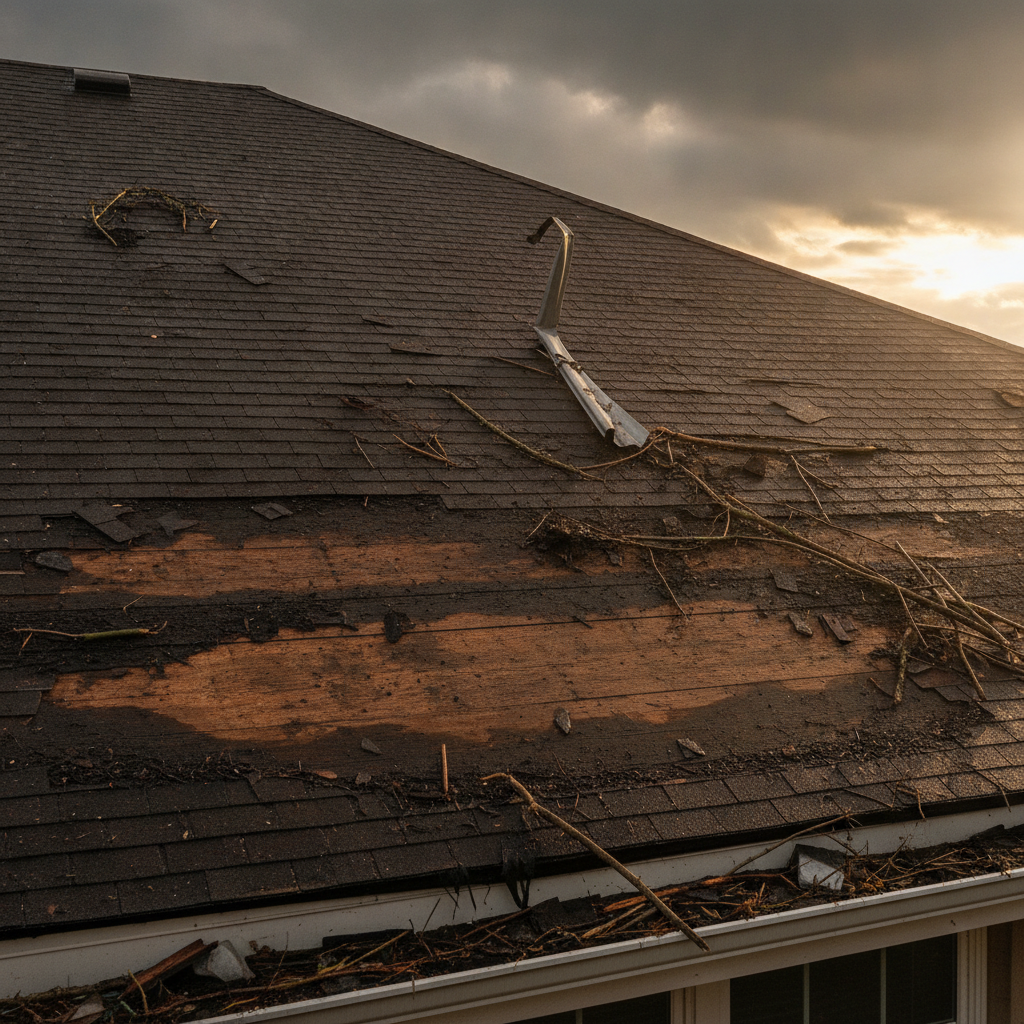
After a powerful storm, one of the first priorities for property owners in this community is to assess storm damage on your roof. This process is critical for identifying potential hazards and preventing further deterioration. Start by visually inspecting your property from the ground. Look for obvious signs such as missing shingles, dented metal, or debris scattered across your roof. Pay close attention to areas where shingles may appear curled, cracked, or completely torn away. These are often the first indicators that your roof has suffered storm damage.
Next, check for granule loss on asphalt shingles. Granules protect shingles from UV rays and water intrusion, so their absence can signal underlying issues. Walk around your property and inspect gutters and downspouts for accumulated granules, as this can be a telltale sign of shingle wear caused by hail or wind. Don’t forget to examine any skylights, vents, and flashing, as these components are particularly vulnerable during severe weather events.
If you notice water stains on your ceilings or walls inside your building, this could indicate a roof leak caused by storm damage. Promptly addressing these signs can help you avoid more extensive repairs later. For a comprehensive storm damage assessment, consider contacting a professional who can safely access your roof and identify less obvious issues, such as compromised underlayment or hidden punctures. Remember, timely action is key to safeguarding your property and maintaining its value.
Assess Storm Damage on Your Roof in Bloomfield Hills, MI
Understanding how to assess storm damage on your roof in the region is crucial for every property owner. Begin your evaluation after ensuring it is safe to do so. Wait until the storm has completely passed and there are no immediate dangers such as downed power lines or unstable structures. Once it’s safe, use binoculars to scan your roof from the ground, looking for displaced or broken shingles, exposed nails, and any visible holes.
Pay special attention to the roof’s edges and ridges, as these are often the most affected by high winds. Inspect chimneys and vent pipes for cracks or dislodged flashing, which can allow water to seep into your building. Check for signs of hail damage, such as small dents in metal components or pockmarks on shingles. Even minor hail impacts can compromise your roof’s protective barrier, making it susceptible to leaks.
It’s also important to examine the attic for signs of moisture or daylight peeking through the roof boards. This can indicate a breach that needs immediate attention. For business owners, documenting all visible damage with photos and notes will be invaluable when filing insurance claims or working with contractors. Reviewing local projects completed by Bloomfield Construction can provide insight into common storm-related issues and effective repair solutions in the area.
How to Assess Storm Damage on Your Roof in Bloomfield Hills Michigan
When you need to assess storm damage on your roof in the neighborhood, it’s important to follow a systematic approach. Start by checking the exterior for any signs of impact from tree branches or debris. Look for broken tiles, cracked shingles, or areas where roofing materials have been displaced. Inspect soffits and fascia boards for water stains or rot, which can result from wind-driven rain penetrating vulnerable spots.
Inside your property, examine ceilings and walls for bubbling paint, discoloration, or damp patches. These symptoms often point to leaks originating from roof damage. If you have access to the attic, look for wet insulation, mold growth, or visible water trails. These are clear indicators that your roof’s integrity has been compromised.
If you’re unsure about the extent of the damage, consider reaching out to a trusted local contractor. Bloomfield Construction has a strong reputation for helping residents in this city navigate storm recovery and roof repairs. Their expertise can ensure that even subtle issues are identified and addressed before they escalate into major problems.
Common Types of Storm Damage
Storms can inflict a wide range of damage on roofs, each requiring a different approach for repair. The most common types include wind damage, hail damage, water intrusion, and impact from falling debris. Wind can lift or tear shingles, leaving the underlying decking exposed to the elements. Hailstones can bruise or crack shingles, causing granule loss and reducing the roof’s lifespan. Water intrusion often results from damaged flashing or missing shingles, leading to leaks and potential mold growth.
Debris, such as tree limbs or flying objects, can puncture roofing materials or clog gutters, exacerbating water damage. In severe cases, structural damage may occur, compromising the safety of the entire building. Recognizing these types of storm damage is the first step toward effective assessment and repair. By staying vigilant and knowing what to look for, property owners can act quickly to mitigate risks and protect their investments.
Step-by-Step Guide to Assessing Storm Damage
A methodical approach is essential when you assess storm damage on your roof. Here’s a step-by-step guide to help you through the process:
- Wait until the storm has completely passed and ensure it’s safe to inspect your property.
- Walk around the exterior, looking for visible damage such as missing shingles, dented gutters, or fallen branches.
- Use binoculars to examine hard-to-reach areas from the ground.
- Check for granule accumulation in gutters and downspouts.
- Inspect the attic and upper floors for water stains, leaks, or mold.
- Document all findings with photos and detailed notes.
- Contact a professional for a thorough inspection if you notice any signs of damage.
Following these steps will help ensure that all potential issues are identified and addressed promptly, minimizing the risk of further complications.
Signs of Roof Damage to Watch For
Knowing the warning signs of storm damage is key to early detection and repair. Some of the most common indicators include:
- Missing, cracked, or curled shingles
- Dented or bent metal flashing
- Granules collecting in gutters
- Water stains on ceilings or walls
- Mold or mildew in the attic
- Sagging rooflines or soft spots
- Debris accumulation on the roof
If you spot any of these issues, it’s a strong indication that you need to assess storm damage on your roof more thoroughly. Early intervention can prevent minor problems from becoming major headaches.
Table: Quick Reference for Storm Damage Signs
| Damage Type | What to Look For | Potential Risk |
|---|---|---|
| Wind Damage | Missing or lifted shingles, exposed nails | Leaks, structural weakening |
| Hail Damage | Dented shingles, bruised surfaces, granule loss | Premature aging, leaks |
| Water Intrusion | Water stains, mold, wet insulation | Mold growth, interior damage |
| Debris Impact | Broken tiles, punctures, blocked gutters | Leaks, drainage issues |
Use this table as a quick reference when you assess storm damage on your roof. It highlights the most common problems and the risks they pose if left unaddressed.
The Importance of Timely Storm Damage Assessment
Timely action is crucial when it comes to storm damage. Delaying your assessment can lead to escalating repair costs, compromised structural integrity, and even health hazards due to mold and mildew. Insurance companies may also require prompt documentation of damage to process claims efficiently. By making it a priority to assess storm damage on your roof immediately following a storm, you can protect your property, your finances, and the well-being of everyone who depends on your building.
Many issues may not be visible right away, so it’s wise to schedule a professional inspection even if your initial review doesn’t reveal obvious damage. This proactive approach ensures that hidden problems are caught early, saving you time and money in the long run. Remember, a quick response is your best defense against the long-term effects of storm damage.
When to Call a Professional for Storm Damage
While many property owners are comfortable performing a basic visual inspection, there are times when professional help is essential. If you notice significant structural damage, extensive leaks, or if your roof is difficult to access safely, contact a licensed roofing contractor immediately. Professionals have the training, tools, and experience to safely assess storm damage on your roof and recommend the most effective repairs.
Contractors can also assist with insurance claims by providing detailed reports and photographic evidence. This documentation is invaluable when negotiating with adjusters and ensuring you receive the compensation you deserve. Additionally, a professional assessment can uncover hidden issues that might otherwise go unnoticed, preventing costly surprises down the road.
For business owners and developers, partnering with a trusted local contractor can streamline the recovery process and minimize downtime. Don’t hesitate to seek expert assistance when the scope of storm damage exceeds your comfort level or expertise.
Insurance Tips for Storm Damage Claims
Navigating insurance claims after a storm can be overwhelming, but preparation and documentation are key. As soon as it’s safe, document all damage with clear photos and detailed notes. Keep records of all communication with your insurance company and contractors. Review your policy to understand what is covered and what exclusions may apply.
Contact your insurance provider promptly to report the damage and initiate the claims process. Be prepared to provide evidence of the storm’s impact, including weather reports and before-and-after photos if available. Work closely with adjusters and provide any additional information they request. If your claim is denied or the settlement is insufficient, consider seeking advice from a public adjuster or legal professional.
Remember, a thorough storm damage assessment not only helps you identify necessary repairs but also strengthens your case with insurers. The more organized and proactive you are, the smoother the claims process will be.
Preventative Measures for Future Storms
While you can’t control the weather, you can take steps to minimize the risk of storm damage in the future. Regular roof maintenance is essential. Schedule annual inspections, clear debris from gutters, and trim overhanging branches that could fall during a storm. Reinforce vulnerable areas such as flashing, vents, and skylights to prevent water intrusion.
Consider upgrading to impact-resistant roofing materials if your property is frequently exposed to severe weather. These products are designed to withstand hail and high winds, providing an extra layer of protection. Ensure that your insurance policy is up to date and provides adequate coverage for storm-related events.
By investing in preventative measures, you can reduce the likelihood of significant damage and make the process to assess storm damage on your roof easier and less stressful when storms do occur.
Final Thoughts
Assessing storm damage on your roof is a vital responsibility for every property owner. By following the steps outlined in this guide, you can identify damage early, take prompt action, and protect your investment. Remember to prioritize safety, document everything, and seek professional help when needed. Staying proactive not only helps you recover faster after a storm but also prepares you for future challenges. Make storm damage assessment a regular part of your property maintenance routine, and you’ll enjoy greater peace of mind, no matter what the weather brings.