When a major storm hits, your roof is often the first line of defense for your home or business. High winds, hail, and heavy rain can leave behind hidden damage that, if left unchecked, leads to expensive repairs or even structural issues. That’s why post-storm roof maintenance is so important for every property owner. Whether you’re a small business owner, a developer, or a homeowner in this community, knowing how to assess, repair, and protect your roof after a storm can save you money and stress down the road. In this comprehensive guide, we’ll walk you through the most effective post-storm roof maintenance strategies, explain what to look for after severe weather, and share expert tips to keep your property safe and dry. With the right knowledge and a proactive approach, you can extend the life of your roof and avoid costly surprises. Let’s dive into the essential steps for post-storm roof maintenance and help you regain peace of mind after the next big storm.
Post-Storm Roof Maintenance in Bloomfield Hills
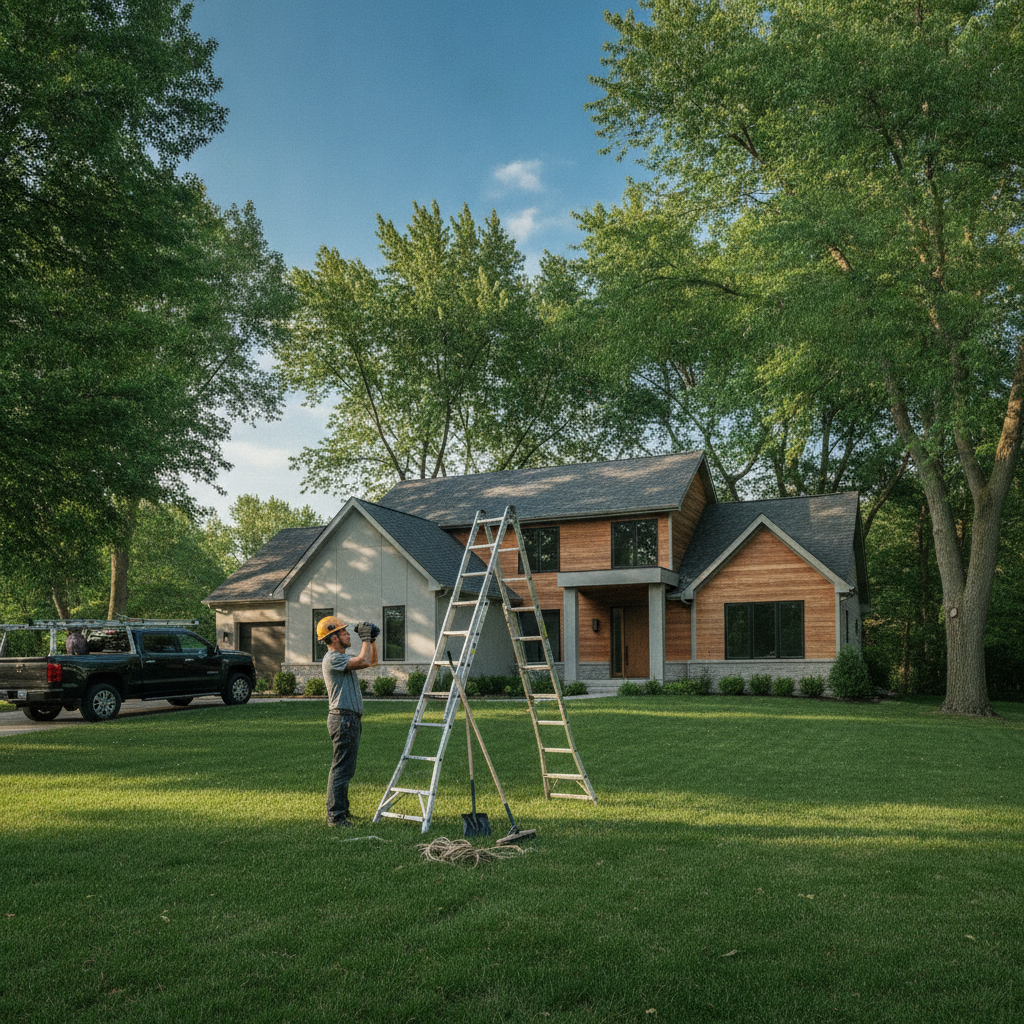
After a storm passes through the area, the first priority is to ensure everyone’s safety. Once it’s safe to venture outside, it’s time to begin your post-storm roof maintenance. Start by visually inspecting your property from the ground. Look for missing or damaged shingles, dented gutters, and debris scattered on the roof. Even if your roof appears intact, hidden issues can lurk beneath the surface. Water infiltration, for example, may not be immediately visible but can lead to mold, rot, and interior damage over time.
For small business owners and developers, the stakes are even higher. A compromised roof can disrupt operations, damage inventory, and impact your bottom line. That’s why it’s crucial to act quickly and methodically. Document any visible damage with photos or videos, which can be invaluable for insurance claims. If you’re unsure about the extent of the damage, consider scheduling a professional inspection. Local roofing experts have the tools and experience to identify issues that might go unnoticed by the untrained eye.
It’s also wise to familiarize yourself with your insurance policy before a storm hits. Knowing what’s covered can help you respond more effectively in the aftermath. If you need more information about how to protect your property and manage repairs, visit our site for detailed resources and expert advice.
Post-Storm Roof Maintenance in Bloomfield Hills, MI
When severe weather hits the region, it’s important to understand the specific threats that roofs face in this part of the country. Heavy snow, ice, and wind-driven rain can all cause distinct types of damage. For example, ice dams can form along the eaves, leading to water backing up under shingles. High winds may lift or tear off shingles entirely, exposing the roof deck to the elements. Hail can bruise or crack roofing materials, reducing their effectiveness and lifespan.
The first step in post-storm roof maintenance is to clear any debris from the roof and gutters. Clogged gutters can cause water to pool and seep under roofing materials, while branches or other debris can puncture or scratch the surface. Always use caution when working on or near your roof. If you’re not comfortable climbing a ladder or walking on the roof, hire a professional to handle the cleanup and inspection.
Regular roof maintenance is the best way to prevent minor issues from becoming major headaches. Schedule periodic inspections, especially after severe weather events, to catch problems early. For more information on roof maintenance and how to keep your property in top shape, explore our recommended services.
Post-Storm Roof Maintenance in Bloomfield Hills, Michigan
Residents in this city know that Michigan’s weather can be unpredictable. Sudden storms can bring heavy downpours, hail, and strong winds that test the limits of any roof. That’s why post-storm roof maintenance is a critical part of property ownership here. After a storm, check your attic for signs of leaks or water stains. Even a small drip can signal a larger problem that requires immediate attention.
Don’t forget to inspect flashing around chimneys, vents, and skylights. Damaged or missing flashing is a common entry point for water. Also, look for granules from asphalt shingles collecting in gutters or on the ground, as this can indicate shingle wear or hail damage. If you notice any of these warning signs, it’s time to take action before the next storm hits.
For a complete checklist and expert post-storm roof maintenance tips Bloomfield Hills, turn to trusted local professionals who understand the unique challenges of maintaining roofs in this region.
Choosing the Right Roofing Professional After a Storm
Selecting a reliable roofing contractor is essential for effective post-storm roof maintenance. Not all contractors have the experience or credentials to handle storm-related repairs. Look for companies with a strong local reputation, proper licensing, and insurance. Ask for references and check online reviews to ensure you’re working with a trustworthy provider.
It’s also important to avoid so-called “storm chasers”, contractors who show up in the area after severe weather, offering quick fixes at low prices. These companies often lack the expertise and commitment to stand behind their work. Instead, choose a roofer with roots in the community and a proven track record of quality service. For a reputable local option, consider Bloomfield Construction, known for their expertise and customer satisfaction in the region.
Before signing any contracts, request a written estimate and a detailed scope of work. Make sure you understand the materials, timeline, and warranty coverage. A reputable contractor will be transparent about costs and answer all your questions. This careful approach ensures your post-storm roof maintenance is handled professionally and efficiently.
Common Types of Storm Damage and How to Spot Them
Storms can cause a wide range of roof damage, some obvious and some subtle. Understanding the most common issues helps you know what to look for during your post-storm roof maintenance routine. Wind damage often results in missing, curled, or lifted shingles. Hail can leave behind dents, cracks, or missing granules, especially on asphalt shingles. Heavy rain may cause leaks or water stains on ceilings and walls inside your property.
Other signs of storm damage include bent or detached gutters, damaged soffits or fascia, and debris accumulation on the roof. Even small punctures or cracks can allow water to seep in, leading to long-term issues like mold or wood rot. Pay close attention to areas around chimneys, skylights, and roof valleys, as these are common trouble spots. If you notice any of these problems, act quickly to prevent further deterioration.
If you’re unsure about the extent of the damage, bring in a professional for a thorough inspection. Early detection and prompt repairs are the foundation of effective post-storm roof maintenance.
Step-by-Step Guide to Post-Storm Roof Maintenance
A systematic approach to post-storm roof maintenance can help you catch issues early and avoid costly repairs. Here’s a step-by-step guide to follow after severe weather:
- Ensure safety first. Wait until the storm has fully passed and check for hazards like downed power lines or unstable trees.
- Perform a ground-level inspection. Look for visible damage to shingles, gutters, and flashing.
- Document all damage with photos or video for insurance purposes.
- Clear debris from the roof and gutters to prevent water buildup.
- Check the attic for leaks, water stains, or damp insulation.
- Schedule a professional inspection if you suspect hidden damage.
- Make temporary repairs, such as covering holes with tarps, to prevent further water intrusion.
- Contact your insurance company to start the claims process if needed.
By following these steps, you’ll ensure your post-storm roof maintenance is thorough and effective, protecting your property for the long term.
Insurance Considerations for Post-Storm Roof Maintenance
Navigating insurance claims after a storm can be challenging. Understanding your policy and documenting damage are key steps in the process. Most policies cover storm-related roof damage, but coverage details vary. Review your policy to know what’s included and what documentation is required.
When filing a claim, provide clear evidence of the damage, including photos, videos, and a written description. Keep receipts for any emergency repairs or materials purchased. If your insurer requires an inspection, be present to ensure all issues are noted. Don’t hesitate to ask questions about deductibles, timelines, and what to expect during the claims process.
Staying organized and proactive will help your post-storm roof maintenance go smoothly and maximize your chances of a successful claim.
Preventative Measures to Minimize Future Storm Damage
The best way to reduce the impact of future storms is to invest in preventative roof maintenance. Regular inspections, timely repairs, and quality materials all play a role in keeping your roof resilient. Trim overhanging branches to prevent them from falling during storms. Clean gutters and downspouts regularly to ensure proper drainage.
Consider upgrading to impact-resistant shingles or adding waterproof underlayment for extra protection. Reinforce flashing and sealant around roof penetrations. Schedule professional inspections at least once a year and after major storms. These steps will help you identify vulnerabilities and address them before they become serious problems.
A proactive approach to post-storm roof maintenance not only safeguards your property but can also lower insurance premiums and extend the lifespan of your roof.
Table: Common Post-Storm Roof Issues and Solutions
| Issue | How to Spot | Recommended Solution |
|---|---|---|
| Missing Shingles | Visible gaps or patches on roof | Replace shingles promptly |
| Hail Damage | Dents, cracks, or granule loss | Inspect and replace damaged areas |
| Leaks | Water stains in attic or ceilings | Seal leaks, repair flashing |
| Debris Accumulation | Branches, leaves on roof/gutters | Remove debris, clear gutters |
| Damaged Flashing | Loose or missing metal around penetrations | Repair or replace flashing |
Use this table as a quick reference during your post-storm roof maintenance checks. Addressing these issues early can prevent more serious problems down the line.
Long-Term Benefits of Consistent Post-Storm Roof Maintenance
Consistent post-storm roof maintenance offers significant long-term advantages for property owners. By addressing minor issues before they escalate, you can avoid expensive repairs and extend the lifespan of your roof. Regular inspections and timely repairs help maintain your property’s value and curb appeal. For businesses, a well-maintained roof minimizes the risk of operational disruptions and protects your investment.
Moreover, proactive maintenance can lead to lower insurance premiums and increased peace of mind. Insurance companies often reward policyholders who take steps to mitigate risk. Over time, the savings from preventive care can far outweigh the costs of emergency repairs. Make post-storm roof maintenance a regular part of your property management routine to enjoy these benefits year after year.
Key Takeaways
Storms are an inevitable part of life in this region, but with the right approach to post-storm roof maintenance, you can protect your property and avoid costly surprises. Start with a thorough inspection, document any damage, and act quickly to address issues. Choose reputable local professionals for repairs and stay proactive with regular maintenance and preventative measures. Remember, a little effort after each storm goes a long way in preserving the integrity of your roof and the safety of your home or business. Make post-storm roof maintenance a priority, and you’ll enjoy peace of mind, lower repair costs, and a roof that stands the test of time.