
Water damage is a challenge that no property owner wants to face, but when it strikes, its effects can be more complex than they first appear. For small business owners, developers, and residents in the area, understanding how to spot secondary water damage before it spreads is crucial for protecting both property and investment. While a puddle or stain may seem like the main problem, hidden moisture can trigger a cascade of issues, mold, structural decay, and even air quality problems, if not addressed early. That’s why Water Damage Restoration Bloomfield Hills is not just about drying out what’s visible, but also about detecting and stopping secondary damage in its tracks. In this guide, we’ll break down what secondary water damage is, why it’s so insidious, and how you can recognize early warning signs before they become costly headaches. Whether you’re a homeowner concerned about your family’s safety or a business owner safeguarding your assets, these insights will help you take proactive steps to keep your property healthy, safe, and resilient.
What Is Secondary Water Damage and Why Does It Matter?
When people think of water damage, they often picture soaked carpets, dripping ceilings, or visible stains. However, the real threat often lurks beneath the surface. Secondary water damage refers to the indirect effects that occur after the initial water intrusion has been addressed, or, more accurately, when it hasn’t been addressed thoroughly enough. This type of damage includes things like warped wood, peeling paint, corroded wiring, and, most alarmingly, the growth of mold and bacteria.
The reason secondary water damage matters so much is that it can escalate quickly and quietly. While primary damage is usually addressed right away, secondary effects may not become visible for days or even weeks. By then, repair costs can skyrocket, and the health risks to occupants can increase. For business owners, this can mean lost revenue and potential liability. For homeowners, it can mean compromised safety and comfort.
The key to preventing these outcomes is understanding how moisture migrates through building materials and how quickly it can create new problems. That’s where professional help from experts like Bloomfield Construction comes in. They use advanced tools to detect hidden moisture and ensure all affected areas are thoroughly dried and restored.
Recognizing the Early Signs in Bloomfield Hills Homes
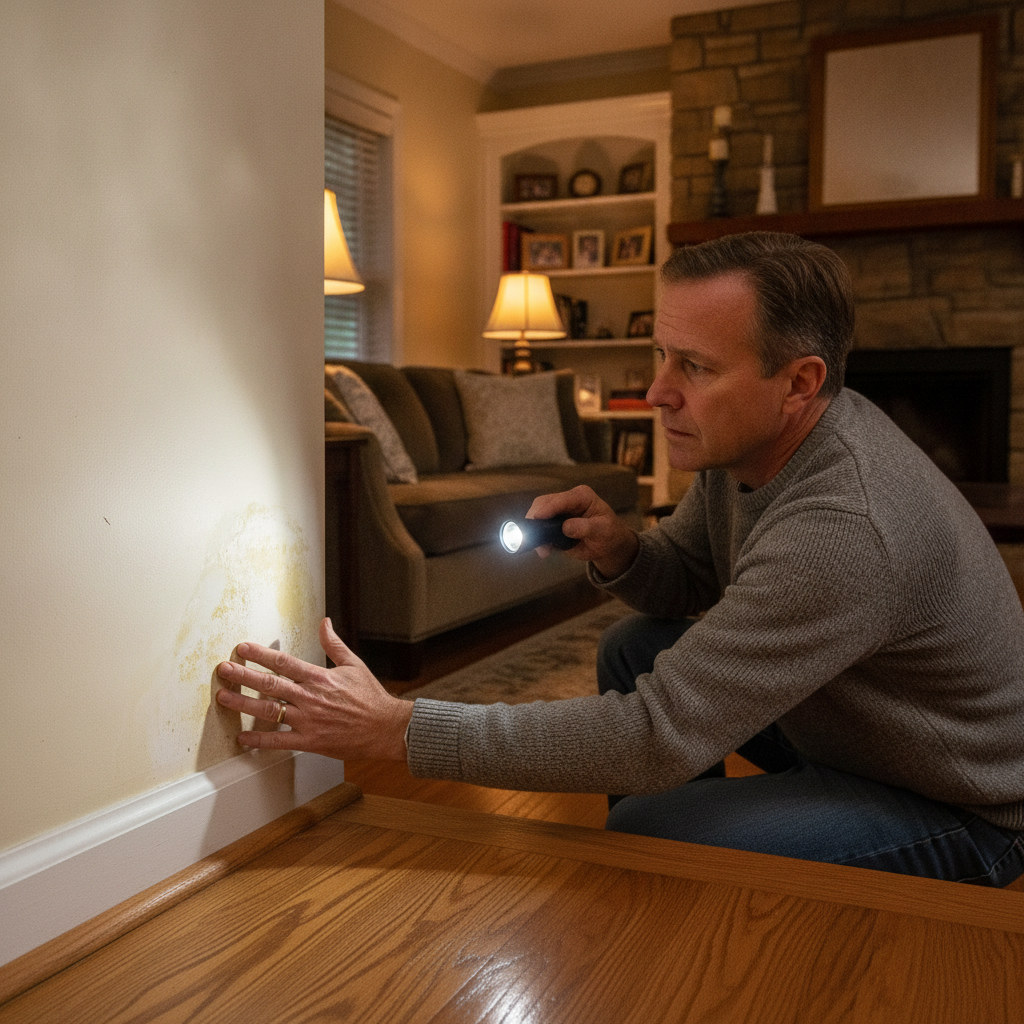
Spotting secondary water damage early is essential for residents and business owners in this city. While the initial water event might be obvious, secondary damage often starts subtly. Look for warping or buckling in hardwood floors, which can indicate moisture has seeped below the surface. Discoloration or bubbling on walls and ceilings is another telltale sign, as is a persistent musty odor that lingers even after visible water is gone.
Mold growth is perhaps the most notorious indicator of secondary damage. It can appear as fuzzy spots or streaks in corners, behind furniture, or inside closets. Even small patches should be taken seriously, as they signal ongoing moisture issues. Peeling paint or wallpaper, rust on metal fixtures, and unexplained increases in allergy symptoms among occupants can also point to hidden water problems.
If you notice any of these symptoms, it’s important to act quickly. The sooner you address the underlying moisture, the easier and less expensive the restoration process will be. For more details on the urgency of response, check out Why Fast Water Extraction Matters After a Flood in Bloomfield Hills.
How Secondary Water Damage Spreads Through Structures
Secondary water damage doesn’t just stay put, it travels. Once water seeps into porous materials like drywall, insulation, and wood framing, it can migrate far from the original leak or flood. Moisture wicks upward through walls, spreads horizontally under flooring, and infiltrates hidden cavities. This migration can be especially problematic in older buildings, where construction methods may allow for more rapid movement of water.
As moisture spreads, it creates the perfect environment for mold and bacteria to thrive. Over time, this can weaken structural elements, degrade indoor air quality, and even compromise electrical systems if wiring becomes corroded. The interconnected nature of building materials means that a small, localized leak can have far-reaching consequences if left unchecked.
Understanding how water moves through a structure is crucial for effective remediation. Professionals use moisture meters, thermal imaging, and other diagnostic tools to trace the path of water and identify all affected areas. For a broader perspective on restoration services, see Top Fire Damage Restoration Services in Bloomfield Hills: What Homeowners Need to Know.
Common Hidden Areas Where Moisture Lingers
One of the most challenging aspects of secondary water damage is that it often develops in places you can’t easily see. Moisture can become trapped behind baseboards, inside wall cavities, under flooring, or within ceiling voids. Attics and crawl spaces are also notorious for harboring hidden dampness, especially after a roof leak or plumbing failure. Even HVAC systems can become breeding grounds for mold if condensation is not properly managed.
In commercial properties, moisture may collect behind built-in shelving, under raised floors, or within storage areas that aren’t regularly inspected. Over time, this hidden moisture can cause wood rot, rust, and even pest infestations. Regular inspections and moisture monitoring are essential for catching these issues before they escalate.
Property owners should pay special attention to areas that have previously experienced water intrusion, as these are more likely to develop recurring problems. Using dehumidifiers and ensuring proper ventilation can help, but professional assessment is often necessary to find and address all hidden moisture sources.
The Role of Humidity and Indoor Climate
Humidity plays a significant role in the development and spread of secondary water damage. Even after visible water is removed, elevated indoor humidity can continue to feed mold growth and prevent building materials from drying completely. In the region’s variable climate, fluctuations in temperature and humidity can exacerbate these problems, especially during the spring thaw or after heavy storms.
Maintaining indoor humidity levels below 60% is generally recommended to reduce the risk of secondary damage. This can be achieved with the use of dehumidifiers, proper ventilation, and air conditioning. Monitoring devices can alert property owners to rising humidity, allowing for quick intervention before problems develop.
It’s also important to recognize that humidity can migrate from one area of a building to another, so a damp basement can eventually affect upper floors. Regularly checking for condensation on windows, pipes, and cold surfaces can help identify trouble spots early.
Comparing Primary vs. Secondary Water Damage
| Aspect | Primary Water Damage | Secondary Water Damage |
|---|---|---|
| Timing | Immediate, visible after incident | Develops days or weeks later |
| Examples | Wet carpets, standing water, soaked walls | Mold, warped wood, peeling paint, odors |
| Detection | Obvious, requires little equipment | Often hidden, requires specialized tools |
| Risks | Immediate property damage | Long-term health and structural risks |
Understanding the difference between primary and secondary water damage is vital for effective restoration. While primary damage is usually addressed quickly, secondary issues can be overlooked, leading to greater long-term expenses and risks. This comparison helps property owners prioritize both immediate and follow-up actions after a water event.
The Dangers of Ignoring Subtle Warning Signs
It’s easy to dismiss minor changes in your property as harmless, but ignoring subtle warning signs of secondary water damage can have serious consequences. Mold and mildew not only cause unpleasant odors but can also trigger respiratory issues, especially in children and those with allergies. Structural components like joists and beams may weaken over time, compromising the integrity of your building.
Electrical systems are particularly vulnerable. Water that seeps into outlets, wiring, or breaker panels can cause shorts, corrosion, and even fire hazards. In commercial settings, this can lead to business interruptions and costly repairs. Additionally, insurance claims may be denied if it’s determined that the damage resulted from neglect or delayed action.
The bottom line is that what you can’t see can hurt you. Regularly inspecting your property and responding promptly to any changes is the best defense against the escalating costs and risks of secondary water damage.
Professional Tools and Techniques for Detection
Detecting secondary water damage requires more than a keen eye. Professionals rely on a suite of advanced tools to uncover hidden moisture and assess the full extent of the problem. Moisture meters are used to measure the water content in walls, floors, and ceilings, helping to pinpoint wet areas that aren’t visible on the surface. Infrared cameras can detect temperature variations caused by dampness, revealing leaks behind walls or under floors.
Hygrometers are used to monitor indoor humidity, while borescopes allow technicians to look inside wall cavities without causing extensive damage. These tools, combined with years of experience, enable restoration experts to develop targeted drying and remediation plans. For property owners, hiring a professional means peace of mind that all sources of moisture have been identified and addressed.
DIY methods can help with surface-level issues, but secondary damage is often too complex to handle without specialized equipment. Investing in a professional inspection after any water event is a smart move for long-term property health.
Steps to Take Immediately After Suspecting Water Damage
If you suspect water damage, swift action is critical to minimizing secondary effects. Start by identifying and stopping the source of water, whether it’s a burst pipe, roof leak, or appliance failure. Remove standing water using pumps or wet vacuums, and move furniture or valuables to a dry area to prevent further loss.
Increase ventilation by opening windows and using fans to promote air circulation. Deploy dehumidifiers to lower indoor humidity and accelerate drying. Document all visible damage with photos and notes, as this will be useful for insurance claims and professional assessments.
Most importantly, contact a qualified restoration specialist as soon as possible. They can perform a thorough inspection, use moisture detection tools, and recommend a comprehensive drying and remediation plan. The faster you act, the less likely secondary damage will take hold.
Preventive Maintenance Tips for Homeowners and Businesses
Prevention is always better than cure when it comes to water damage. Regularly inspect your property for signs of leaks, especially around plumbing fixtures, appliances, and the roof. Clean gutters and downspouts to ensure proper drainage, and check that landscaping slopes away from the foundation to prevent water intrusion.
Install water alarms in vulnerable areas like basements, laundry rooms, and under sinks. These devices can provide early warnings of leaks before they cause significant damage. In commercial settings, consider implementing a routine maintenance schedule that includes moisture checks and HVAC system inspections.
Educate employees or family members about the signs of water damage and encourage prompt reporting of any issues. By fostering a culture of vigilance and proactive maintenance, you can greatly reduce the risk of both primary and secondary water damage.
When to Call in the Experts
While some minor water issues can be handled with DIY solutions, secondary water damage is rarely one of them. If you notice persistent odors, recurring mold, or unexplained deterioration in building materials, it’s time to bring in professionals. Restoration experts have the tools, training, and experience to assess the full scope of the problem and implement effective solutions.
Attempting to address secondary damage without proper knowledge can lead to incomplete drying, missed moisture pockets, and ongoing problems. Professionals will not only remediate existing damage but also provide recommendations for preventing future incidents. For business owners, timely intervention can mean the difference between a quick recovery and prolonged disruption.
Don’t wait until small issues become major headaches. If in doubt, schedule an inspection to ensure your property is truly dry and safe.
Final Thoughts
Secondary water damage is a hidden threat that can undermine the safety, value, and comfort of any property. By understanding how it develops, recognizing early warning signs, and taking swift, informed action, you can protect your investment and avoid costly repairs down the line. Whether you’re a homeowner, business owner, or developer in this community, vigilance and proactive maintenance are your best defenses against the silent spread of water damage. Remember, it’s not just about cleaning up the obvious mess, it’s about ensuring your property remains healthy and resilient for years to come.