
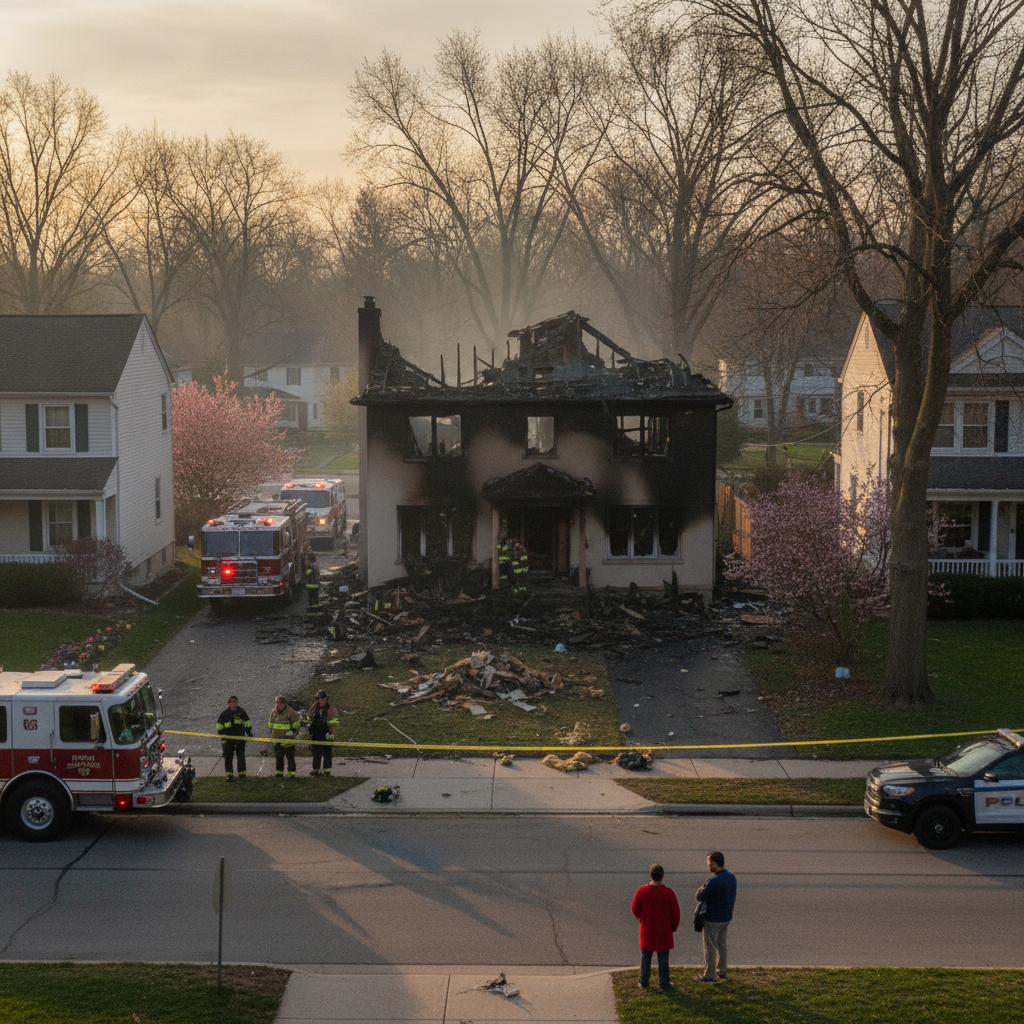
When a fire strikes a property, the visible destruction is only part of the story. For small business owners, developers, and residents in the area, understanding the full scope of hazards that linger after the flames are out is critical. Fire damage restoration in Bloomfield Hills involves more than just cleaning up soot and repairing charred walls. Unseen dangers can persist long after the fire trucks leave, threatening health, structural integrity, and even business continuity. In this article, we’ll explore the hidden hazards that follow fire events, what makes them so challenging, and how professional restoration can help safeguard your property and well-being. Whether you’re a property manager, a business owner, or simply curious about the restoration process, knowing what lurks beneath the surface can make all the difference in a successful recovery.
The Unseen Dangers Lurking After a Fire
After a fire, it’s natural to focus on the visible damage: blackened walls, melted fixtures, and piles of debris. However, the real dangers often lie hidden beneath the surface. Toxic residues from burned materials, microscopic soot particles, and chemical byproducts can settle deep into building materials, furnishings, and HVAC systems. These contaminants aren’t just unsightly, they can cause ongoing health problems and degrade indoor air quality for weeks or months after the event. For business owners, this means that simply cleaning up the mess isn’t enough to ensure a safe environment for employees and customers. Specialized testing and remediation are often required to identify and neutralize these hidden threats, which is why working with a professional like Bloomfield Construction is so important.
In addition to chemical residues, fires can also compromise the structural integrity of a building in ways that aren’t immediately obvious. Heat can weaken steel supports, warp wooden beams, and cause concrete to crack. Water used to extinguish the flames can seep into walls and floors, creating the perfect breeding ground for mold and bacteria. Without a comprehensive assessment, these issues may go unnoticed until they lead to more serious (and costly) problems down the line. Understanding and addressing these hidden dangers is a crucial part of any effective fire damage restoration plan.
How Smoke Residue and Soot Impact Indoor Environments
Smoke and soot are more than just cosmetic concerns. When materials like plastics, fabrics, and synthetic compounds burn, they release a complex mix of chemicals into the air. These particles can travel far from the original fire site, infiltrating ductwork, insulation, and even electronic devices. Once inside, they may continue to off-gas hazardous substances, contributing to respiratory irritation, headaches, and other health issues for anyone who spends time in the building. In commercial settings, lingering odors and poor air quality can deter customers and reduce employee productivity.
Soot is particularly insidious because it’s made up of extremely fine particles that can penetrate porous materials and settle deep within carpets, upholstery, and drywall. Standard cleaning methods often fail to remove these contaminants completely, and disturbing them can actually make the problem worse by redistributing particles back into the air. Professional fire damage restoration teams use specialized equipment and techniques to capture and remove soot safely, restoring air quality and preventing long-term exposure risks. To learn more about the importance of rapid mitigation, check out Why Fast Water Extraction Matters After a Flood in Bloomfield Hills.
Moisture Intrusion and the Risk of Secondary Water Damage
One of the most overlooked hazards following a fire is water damage. Firefighters often use thousands of gallons of water to suppress flames, and that moisture doesn’t simply evaporate. Instead, it can seep into walls, floors, ceilings, and hidden cavities, where it creates the perfect environment for mold growth, wood rot, and corrosion. These secondary effects can be just as destructive as the fire itself, especially if left untreated for even a short period of time.
Mold can begin to develop within 24 to 48 hours after water exposure, and it spreads quickly in the warm, humid conditions that often follow a fire. If not promptly addressed, mold can compromise indoor air quality, trigger allergies, and even damage the structural integrity of the building. Professional restoration teams use advanced moisture detection tools and industrial-grade drying equipment to track down and eliminate hidden pockets of water. For a deeper dive into the restoration process, see How Water Damage Restoration Works in Bloomfield Hills Homes.
Why Airborne Contaminants Persist After Cleanup
Even after the visible debris has been removed, airborne contaminants often linger in the form of microscopic particles and volatile organic compounds (VOCs). These substances can be released from burned materials, cleaning agents, and even from the restoration process itself. Because they are so small, these particles can remain suspended in the air for extended periods, making them easy to inhale and difficult to filter out with standard HVAC systems.
Persistent airborne contaminants can cause a range of health problems, from mild irritation to more serious respiratory conditions. Sensitive groups like children, the elderly, and those with pre-existing health issues are especially at risk. To address this, restoration professionals use air scrubbers, HEPA filtration, and negative air machines to capture and remove harmful particles. Additionally, thorough cleaning of ductwork and ventilation systems is essential to prevent recontamination of indoor spaces.
Structural Weaknesses Hidden Beneath the Surface
Fires can cause significant structural damage that isn’t always visible to the naked eye. While charred beams and collapsed ceilings are obvious, heat can also weaken steel, warp wood, and compromise the integrity of load-bearing walls in subtle ways. Water used during firefighting efforts can further exacerbate these issues, leading to swelling, warping, and even hidden rot within walls and floors.
For business owners and developers, this means that a building may appear safe while actually harboring serious risks. Over time, these weaknesses can lead to sagging floors, cracked foundations, or even partial collapse. A thorough post-fire inspection by restoration experts is crucial to identify and address these issues before reopening a property or resuming construction. Advanced tools like moisture meters, infrared cameras, and structural load assessments help ensure that all hidden damage is discovered and repaired.
The Health Impact of Residual Fire Byproducts
The byproducts of fire, such as ash, soot, and chemical residues, can pose serious health risks long after the flames are extinguished. These substances may contain carcinogens, heavy metals, and other toxic compounds that can be absorbed through the skin, inhaled, or ingested. For businesses that handle food, healthcare, or sensitive products, this contamination can have far-reaching consequences, including regulatory violations and liability issues.
Even in homes and offices, residual byproducts can trigger allergies, asthma, and other respiratory conditions. Children and pets are particularly vulnerable due to their smaller size and increased contact with contaminated surfaces. Proper decontamination requires more than just surface cleaning; it involves deep cleaning, air purification, and sometimes the removal and replacement of affected materials. Restoration professionals are trained to identify and safely remove these hazards, ensuring a safe environment for everyone who enters the building.
Electrical System Hazards Following Fire Events
Fire and water can wreak havoc on a building’s electrical systems. Heat can melt insulation, damage wiring, and compromise circuit panels, while water can cause short circuits, corrosion, and hidden faults. Even if the power appears to be working, unseen damage can create a ticking time bomb of electrical hazards, including the risk of shock, fire, or equipment failure.
For businesses, this can mean unexpected downtime, equipment loss, or even liability if an employee or customer is injured. A post-fire electrical inspection is essential to identify and repair damaged components. Restoration professionals work closely with licensed electricians to test circuits, replace compromised wiring, and ensure that all repairs meet current safety standards. This proactive approach helps prevent future incidents and supports a smooth return to normal operations.
Table: Common Hidden Hazards After Fire Damage
| Hazard | Description | Potential Impact |
|---|---|---|
| Soot and Smoke Residue | Fine particles that settle into surfaces and air ducts | Respiratory issues, lingering odors, poor air quality |
| Water Intrusion | Moisture left from firefighting efforts | Mold growth, structural weakening, rot |
| Chemical Residues | Toxins from burned plastics, synthetics, and chemicals | Health hazards, contamination, regulatory issues |
| Structural Damage | Heat and water weaken building materials | Collapse risk, costly repairs, unsafe occupancy |
| Electrical System Faults | Compromised wiring and panels | Shock, fire, equipment failure |
Why DIY Cleanup Can Make Hazards Worse
It’s tempting for property owners to tackle fire cleanup themselves, especially when faced with the urgency of reopening a business or returning home. However, DIY efforts can unintentionally spread contaminants, miss hidden damage, or even create new hazards. For example, vacuuming soot with a household vacuum can blow fine particles back into the air, while using the wrong cleaning agents can cause chemical reactions or set stains permanently.
Without the right protective equipment and training, property owners risk exposure to toxic substances and injury from unstable structures or electrical systems. Professional restoration teams follow strict safety protocols and use specialized tools to contain, remove, and neutralize hazards. This not only protects the health of occupants but also ensures that repairs are thorough and compliant with industry standards.
Insurance Gaps and Unexpected Restoration Costs
Navigating insurance claims after a fire can be a complex and stressful process. Many business owners and property managers assume that their policy will cover all restoration costs, only to discover exclusions or limitations related to secondary damage, mold remediation, or code upgrades. Hidden hazards, such as chemical contamination or structural weaknesses, may require specialized remediation that isn’t always included in standard policies.
It’s important to document all damage thoroughly and work with restoration professionals who understand the nuances of insurance claims. Detailed reports, photographic evidence, and expert assessments can help ensure that you receive fair compensation for both visible and hidden damage. Proactive communication with your insurer and restoration team can also help prevent costly surprises and delays during the recovery process.
Restoring Confidence and Safety in Your Property
Recovering from a fire is about more than repairing physical damage, it’s about restoring trust in the safety and usability of your property. For small business owners and developers, the stakes are high, as lingering hazards can impact reputation, employee morale, and customer loyalty. Comprehensive fire damage restoration addresses both the obvious and hidden dangers, ensuring that your building is not only aesthetically restored but also truly safe for occupancy.
This process involves collaboration between property owners, insurance providers, and restoration experts. By prioritizing thorough inspections, professional remediation, and clear communication, you can confidently reopen your doors and move forward. Investing in expert restoration today helps protect your property, your people, and your peace of mind for years to come.
Key Takeaways
The aftermath of a fire is a challenging time, filled with uncertainty and hidden risks. While the visible signs of damage are distressing, it’s the unseen hazards, like toxic residues, mold growth, and compromised structures, that pose the greatest long-term threats. For business owners, developers, and residents in this community, understanding these dangers is the first step toward a safe and successful recovery. Professional fire damage restoration in Bloomfield Hills goes beyond surface cleaning, addressing the root causes of contamination and structural weakness. By working with experienced professionals and staying informed about the restoration process, you can protect your investment and ensure a healthier, safer future for everyone who enters your property.