Water damage is one of the most significant threats to property value water damage in any community. Whether you own a small business, manage real estate investments, or simply call this area home, understanding how water damage can impact your property value is essential. Water-related issues can strike unexpectedly, from burst pipes to severe storms, and the aftermath can be costly and far-reaching. For property owners, the financial implications extend beyond immediate repairs, affecting long-term value, marketability, and even insurance premiums. In this article, we’ll explore the many ways water damage affects property value, what local property owners need to know, and how to protect your investment. You’ll learn why prompt action is crucial, what buyers and appraisers look for, and practical steps to safeguard your property’s worth. Whether you’re planning to sell, maintain, or develop property in this community, these insights will help you make informed decisions and avoid costly mistakes.
How Water Damage Impacts Property Value Locally
For residents and business owners in the area, property value water damage is a pressing concern. Even minor leaks or undetected moisture issues can quickly escalate, causing structural problems and reducing the appeal of a property. When water infiltrates walls, floors, or foundations, it can lead to mold growth, wood rot, and even compromised electrical systems. These issues not only threaten the safety and comfort of occupants but also diminish the property’s market value.
Buyers are increasingly vigilant about signs of water damage. During inspections, evidence of past leaks, water stains, or musty odors can be red flags that deter potential buyers or lead to lower offers. In competitive real estate markets, properties with a history of water issues may linger unsold or require significant price reductions. For business owners, water damage can disrupt operations, cause inventory loss, and result in costly downtime.
The impact on property value water damage is not just immediate. Over time, unresolved water issues can worsen, leading to more extensive repairs and greater loss of value. Insurance companies may also raise premiums or deny coverage if a property has a documented history of water damage. This can further erode the investment value and make it harder to secure financing for future projects.
If you suspect water damage or want to safeguard your property’s value, Bloomfield Construction offers expert assessments and solutions tailored to local needs.
Property Value Water Damage in Bloomfield Hills, MI
In this region, property value water damage is a topic every property owner should understand. The local climate, with its seasonal rains and occasional harsh winters, increases the risk of water intrusion. Properties here often feature basements, which are particularly vulnerable to flooding and seepage. When water enters a basement, it can damage foundations, ruin finished spaces, and create persistent humidity problems.
Real estate professionals in the area note that homes or commercial buildings with a history of water damage often appraise for less than comparable properties without such issues. Appraisers take into account not only visible damage but also the potential for hidden problems, such as mold or weakened structural elements. This can translate to lower loan amounts for buyers and reduced equity for sellers.
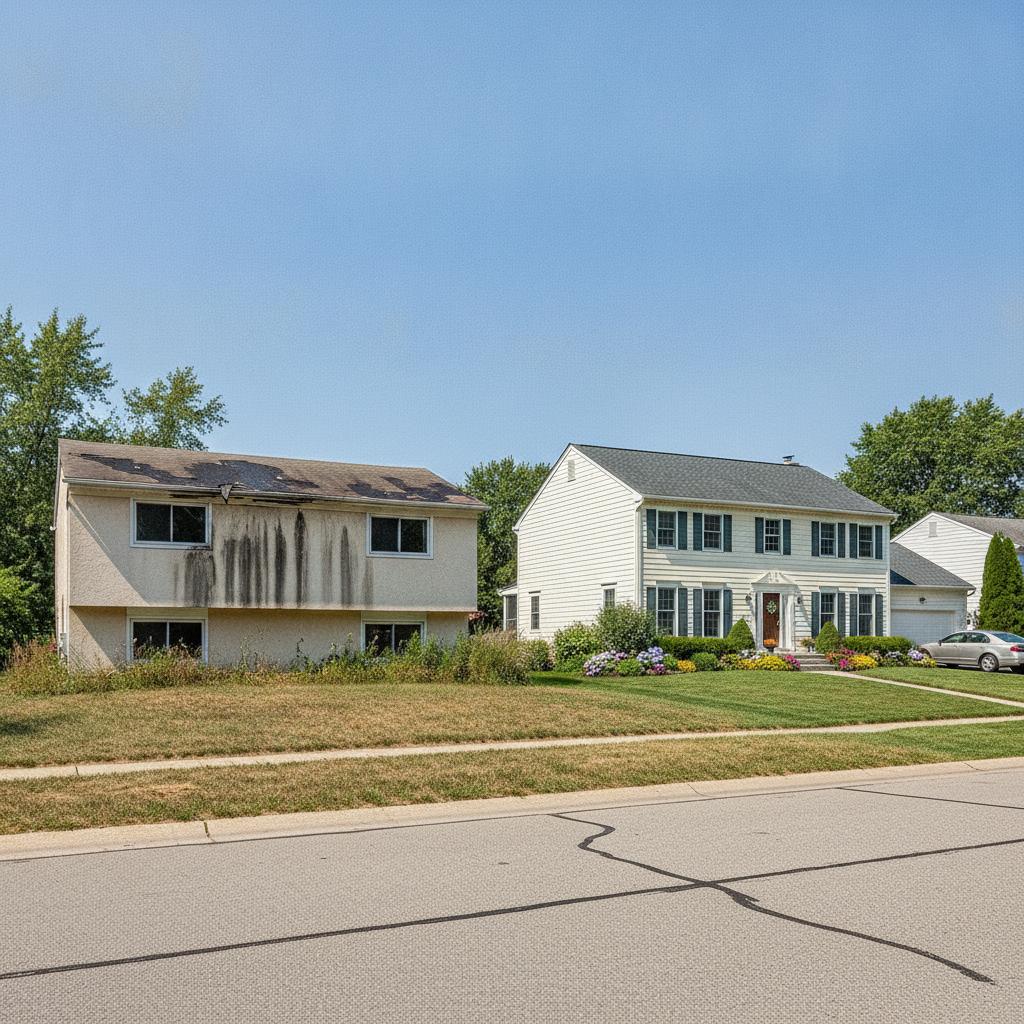
Moreover, property value water damage can influence neighborhood perceptions. If several properties in a block show signs of water-related deterioration, it can affect the desirability of the entire area. This ripple effect may lower values for neighboring properties, even if they have not experienced direct damage themselves.
For a comprehensive overview of how water damage restoration can protect your investment, check out the Bloomfield Hills property value water damage resources available from local experts.
Understanding Water Damage and Property Value in Bloomfield Hills, Michigan
Water damage can take many forms, from sudden flooding due to storms to slow leaks that go unnoticed for months. In this city, property value water damage is a concern for both residential and commercial owners. The impact is not always immediately visible, which makes regular inspections and maintenance crucial. Water can seep into crawl spaces, behind walls, or under floors, causing gradual deterioration that only becomes apparent when it’s too late.
One of the most significant ways water damage affects property value is through the cost of repairs. Even minor leaks can require extensive remediation, including mold removal, structural repairs, and replacement of damaged materials. These expenses can quickly add up, reducing the net value of your property. Additionally, properties with a documented history of water damage may be subject to disclosure requirements during sale, which can deter buyers or result in lower offers.
Another factor is the impact on insurance. Properties with water damage claims may face higher premiums or even difficulty obtaining coverage. This can further reduce property value, as potential buyers factor in the increased cost of ownership. For developers and investors, this can influence decisions about where to build or buy, shaping the long-term value of real estate in the neighborhood.
To learn more about protecting your investment and for detailed guidance, visit our site for expert tips and resources.
Common Causes of Water Damage That Lower Property Value
Understanding the root causes of water damage is key to preventing a decline in property value. In many communities, the most common sources include roof leaks, plumbing failures, foundation cracks, and poor drainage systems. Seasonal weather patterns can exacerbate these risks, especially during heavy rains or rapid snowmelt. Even seemingly minor issues, like clogged gutters or improperly graded landscaping, can direct water toward a building’s foundation, leading to long-term problems.
Roof leaks are particularly insidious because they often go unnoticed until significant damage has occurred. Water can travel along rafters and joists, damaging insulation, drywall, and electrical systems. Plumbing failures, such as burst pipes or leaking fixtures, can cause extensive flooding in a short period. Foundation cracks allow groundwater to seep into basements and crawl spaces, promoting mold growth and weakening structural elements.
The cumulative effect of these issues is a steady erosion of property value water damage. Regular inspections and prompt repairs are essential to maintain the integrity and worth of your property. If you need professional assistance identifying or addressing water damage, Bloomfield Construction provides trusted local expertise.
Table: Water Damage Impact on Property Value
| Type of Water Damage | Immediate Impact | Long-Term Effect on Value |
|---|---|---|
| Minor Leaks | Stains, odors, minor repairs | Reduced buyer interest, lower appraisals |
| Flooding | Structural damage, ruined finishes | Significant value loss, high repair costs |
| Mold Growth | Health risks, remediation needed | Major devaluation, insurance issues |
| Foundation Issues | Cracks, uneven floors | Reduced structural integrity, decreased market value |
This table highlights how different types of water damage can have both immediate and lasting impacts on property value water damage. Addressing these issues promptly can help preserve your investment and prevent long-term losses.
Signs of Water Damage That Affect Value
Recognizing the early signs of water damage is crucial for maintaining property value water damage. Some indicators are obvious, such as water stains on ceilings or walls, peeling paint, and warped flooring. Others, like musty odors or unexplained increases in utility bills, may be more subtle. Regular inspections, especially after heavy rainfall or plumbing incidents, can help catch problems before they escalate.
Mold growth is a particularly serious sign, as it not only damages property but also poses health risks to occupants. Persistent dampness or humidity in basements and crawl spaces can signal hidden leaks or poor drainage. Cracks in foundations or exterior walls may indicate that water is seeping into the structure. Addressing these signs promptly can prevent further damage and protect your property’s value.
For business owners, water damage can also manifest as damaged inventory, equipment failures, or disruptions to daily operations. Keeping detailed maintenance records and responding quickly to any signs of water intrusion are key strategies for preserving property value water damage.
How Water Damage Influences Real Estate Appraisals
When it comes to determining property value water damage plays a significant role in real estate appraisals. Appraisers are trained to look for evidence of water-related issues, both past and present. Visible damage, such as stains or warped materials, is easy to spot, but experienced appraisers also check for less obvious signs, like elevated moisture levels or the presence of mold.
If water damage is found, appraisers may adjust the property’s value downward to account for the cost of repairs and the potential for future problems. In some cases, they may recommend further inspections or require that repairs be completed before the property can be sold or refinanced. This can delay transactions and reduce the overall value of the property.
For sellers, it’s important to address any water damage before listing a property. Completing repairs and providing documentation of remediation efforts can help reassure buyers and appraisers, supporting a higher property value water damage assessment. For buyers, understanding the appraisal process can help you negotiate better terms and avoid unexpected expenses.
The Role of Insurance in Property Value Water Damage
Insurance plays a pivotal role in how water damage affects property value water damage. Most standard property insurance policies cover sudden and accidental water damage, such as from a burst pipe or appliance failure. However, gradual damage caused by ongoing leaks or poor maintenance is often excluded. This means property owners must be vigilant about regular upkeep and prompt repairs to avoid denied claims.
When a property has a history of water damage claims, insurers may raise premiums or impose higher deductibles. In some cases, they may refuse to renew coverage altogether. This can make a property less attractive to buyers, who may be concerned about future insurability and increased costs. For investors and developers, understanding insurance requirements is crucial for protecting property value water damage and ensuring long-term profitability.
To minimize insurance risks, keep detailed records of maintenance and repairs, address issues promptly, and consider additional coverage for flood or sewer backup if your property is in a high-risk area. These steps can help preserve property value water damage and provide peace of mind for owners and buyers alike.
Restoration and Remediation Strategies to Protect Value
Effective restoration and remediation are essential for maintaining property value water damage. The first step is to identify the source of water intrusion and stop it immediately. This may involve repairing leaks, improving drainage, or installing sump pumps. Once the source is addressed, it’s important to thoroughly dry affected areas to prevent mold growth and further deterioration.
Professional remediation services can assess the extent of the damage and recommend appropriate repairs. This may include removing and replacing damaged materials, treating surfaces for mold, and restoring structural integrity. In some cases, advanced techniques like infrared scanning or moisture mapping may be used to detect hidden problems.
Investing in high-quality restoration not only repairs the immediate damage but also helps restore buyer confidence and support a higher property value water damage. Documenting all repairs and providing this information to potential buyers or appraisers can further enhance your property’s marketability and value.
Preventative Measures to Safeguard Property Value
Prevention is the most effective way to protect property value water damage. Regular maintenance, including roof inspections, gutter cleaning, and plumbing checks, can help catch issues before they escalate. Ensuring proper grading around your property directs water away from foundations, reducing the risk of seepage and basement flooding.
Installing sump pumps, backflow valves, and moisture barriers can provide additional protection, especially in areas prone to heavy rainfall or high groundwater. For commercial properties, regular inspections of HVAC systems and fire suppression equipment can help prevent leaks and water-related damage.
Educating tenants or employees about the signs of water damage and encouraging prompt reporting can also help address problems early. By taking a proactive approach, property owners can minimize the risk of costly repairs and maintain a strong property value water damage over time.
What Buyers and Sellers Need to Know
For both buyers and sellers, understanding the implications of property value water damage is crucial. Sellers should be prepared to disclose any known water damage and provide documentation of repairs or remediation. This transparency can build trust with buyers and help avoid legal issues down the road.
Buyers, on the other hand, should conduct thorough inspections and ask specific questions about the property’s history. Look for signs of past water issues, review maintenance records, and consider hiring a qualified inspector with experience in detecting moisture problems. Negotiating for repairs or price adjustments based on inspection findings is common and can help protect your investment.
Both parties should be aware that unresolved water damage can delay transactions, reduce financing options, and lower overall property value water damage. Being proactive and informed can lead to smoother transactions and better outcomes for everyone involved.
Final Thoughts
Protecting property value water damage should be a top priority for every property owner, whether you’re a small business, developer, or homeowner. Water damage can have far-reaching effects, from immediate repair costs to long-term declines in value and marketability. By understanding the causes, recognizing the signs, and taking proactive steps to prevent and address issues, you can safeguard your investment and ensure your property remains a valuable asset for years to come. Don’t wait until problems become severe, regular maintenance, prompt repairs, and expert guidance can make all the difference in preserving your property’s worth in this vibrant community.