Water damage can sneak up on any property owner, whether you run a small business, manage developments, or simply care for your home or office. The consequences of unchecked moisture can be severe, ranging from costly repairs to health hazards. Learning how to identify water damage early is crucial for protecting your investment and ensuring safety. In this guide, we’ll explore practical tips, warning signs, and expert advice to help you spot water issues before they escalate. Whether you’re a seasoned developer or a first-time property owner, understanding the nuances of water damage detection can save you time, money, and stress. Let’s dive into the essential steps for keeping your property dry, secure, and free from hidden leaks or moisture problems.
How to Identify Water Damage in the Area
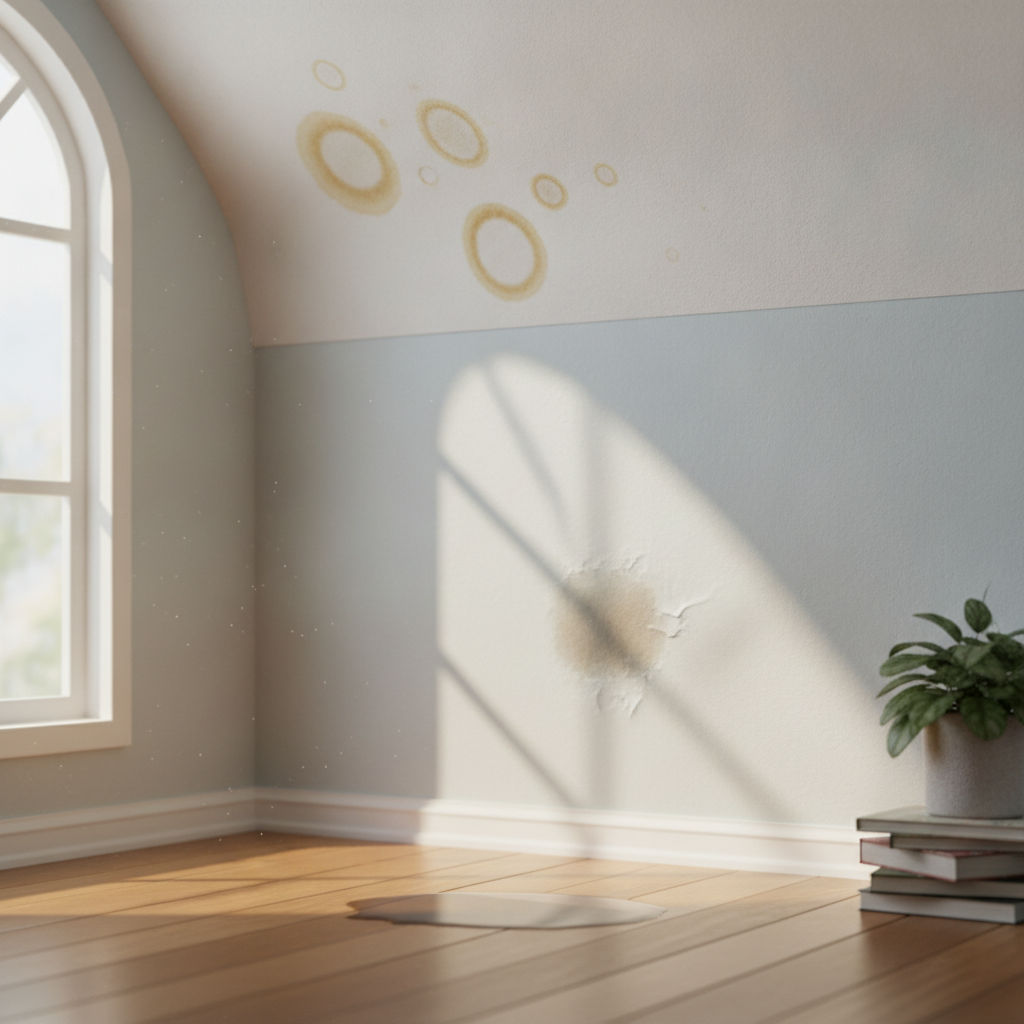
Recognizing the signs of water damage before it becomes severe is a vital skill for anyone responsible for a property. In the area, changing weather patterns and seasonal storms can increase the risk of leaks and flooding. To identify water damage effectively, start by inspecting common trouble spots such as basements, attics, and around windows or doors. Look for discoloration on walls or ceilings, as even faint stains can indicate moisture intrusion. Warped flooring, peeling paint, or bubbling wallpaper are additional red flags. Musty odors often signal hidden mold growth, which thrives in damp environments. Don’t overlook exterior clues, cracked foundations, pooling water near the building, or gutters overflowing can all point to potential water issues inside. By recognizing water damage early, you can address problems before they escalate into major repairs. Regularly check plumbing fixtures, appliances, and HVAC systems for leaks, and keep an eye on your water bills for unexplained spikes. Early detection is the key to minimizing damage and maintaining a healthy, safe environment for everyone in this community.
Identify Water Damage in Bloomfield Hills, MI
Small business owners and developers know that water damage can disrupt operations and lead to unexpected expenses. To identify water damage in Bloomfield Hills, MI, pay close attention to subtle changes within your property. Listen for dripping sounds even when all taps are off, and check for soft spots in drywall or flooring. Water stains that appear after heavy rain or snowmelt are a strong indicator of leaks. In commercial spaces, inspect storage areas, utility rooms, and behind large equipment where moisture can accumulate unnoticed. Mold growth, often appearing as black, green, or white patches, signals persistent dampness. If you notice condensation on windows or pipes, it may be a sign of poor ventilation or hidden leaks. For those unsure about what to look for, the Bloomfield Construction FAQ section offers valuable insights into common water damage scenarios and prevention tips. Staying vigilant and conducting routine inspections can help you catch problems early, protecting both your property and your bottom line.
Identify Water Damage in Bloomfield Hills Michigan
For residents and property managers in Bloomfield Hills Michigan, understanding how to identify water damage is essential for long-term property health. Start by examining less-frequented spaces like crawl spaces and storage closets, where leaks can go unnoticed. Look for sagging ceilings, rust on metal fixtures, or mineral deposits around pipes, these are all signs of ongoing moisture issues. If you detect a persistent musty smell, investigate further, as hidden mold can be harmful to indoor air quality. Pay attention to your landscaping as well; improper grading or clogged drains can direct water toward your building, increasing the risk of foundation damage. For those seeking local expertise, Bloomfield Construction is a trusted resource for inspections and repairs in the neighborhood. By staying proactive and informed, you can prevent minor leaks from turning into extensive, costly damage.
Common Causes of Water Damage
Understanding the root causes of water damage is the first step toward prevention. The most common sources include leaking roofs, burst or aging pipes, faulty appliances, and poor drainage systems. Heavy rainfall or melting snow can overwhelm gutters, leading to water intrusion around foundations. In commercial buildings, HVAC malfunctions or sprinkler system failures can also contribute to moisture issues. Blocked drains and sewer backups are frequent culprits, especially in older properties. Sometimes, water damage results from gradual wear and tear, such as deteriorating caulking around windows or missing roof shingles. By identifying these risks, property owners can implement targeted maintenance strategies. Regularly inspect roofing materials, replace worn seals, and ensure that drainage systems are clear and functional. Taking these steps can significantly reduce the likelihood of water damage and help maintain the integrity of your property for years to come.
Warning Signs You Should Never Ignore
Certain warning signs of water damage require immediate attention to avoid costly repairs. Persistent damp spots on walls or ceilings, even if small, can signal a slow leak or condensation issue. Warping or buckling of floors often indicates water has penetrated subflooring. A sudden, unexplained increase in your water bill may point to a hidden leak in your plumbing system. Mold or mildew growth, especially in corners or behind furniture, is a clear sign of excess moisture. Listen for sounds of dripping or running water when all fixtures are off. If you notice peeling paint, bubbling wallpaper, or rust on pipes and fixtures, investigate further. Ignoring these symptoms can lead to structural damage, electrical hazards, and health risks from mold exposure. Early intervention is key to minimizing the impact of water damage and preserving your property’s value.
How to Perform a DIY Water Damage Inspection
Conducting a thorough inspection of your property can help you identify water damage before it becomes severe. Begin by walking through each room, checking for visible stains, discoloration, or soft spots on walls, ceilings, and floors. Use a flashlight to examine dark corners and behind appliances. Test for moisture by pressing gently on suspect areas, if they feel spongy or damp, further investigation is needed. Inspect under sinks, around toilets, and near water heaters for leaks or corrosion. Don’t forget to check exterior walls, especially after storms. Examine your basement or crawl space for standing water, efflorescence (white mineral deposits), or mold. If you have access to your attic, look for signs of roof leaks, such as water stains or damp insulation. Document any findings with photos and notes, and address minor issues promptly to prevent escalation. If you’re unsure about the extent of damage, consider hiring a professional for a comprehensive assessment.
The Role of Professional Water Damage Assessments
While DIY inspections are valuable, professional water damage assessments offer a higher level of accuracy and peace of mind. Certified inspectors use specialized tools such as moisture meters, infrared cameras, and hygrometers to detect hidden leaks and assess the extent of damage. They can identify issues that may not be visible to the untrained eye, such as moisture behind walls or under flooring. Professionals also evaluate the structural integrity of affected areas and provide detailed reports outlining necessary repairs. For business owners and developers, a professional assessment is often required for insurance claims or property transactions. Investing in expert evaluations can help you avoid future headaches, ensure compliance with local regulations, and protect your investment. If you suspect water damage but can’t pinpoint the source, don’t hesitate to contact a reputable local specialist for assistance.
Preventative Maintenance Tips for Property Owners
Prevention is the best defense against water damage. Establish a regular maintenance routine that includes inspecting your roof, gutters, and downspouts for debris or damage. Ensure that landscaping slopes away from your building to direct water away from the foundation. Seal cracks in walls and foundations promptly, and replace worn weatherstripping around doors and windows. Test sump pumps and backflow valves regularly to ensure they are functioning correctly. Insulate pipes to prevent freezing and bursting during cold weather. Schedule annual plumbing inspections to catch leaks or corrosion early. For commercial properties, train staff to recognize and report signs of water damage. By staying proactive, you can significantly reduce the risk of costly repairs and maintain a safe, dry environment for occupants and visitors alike.
Table: Quick Reference Guide to Identifying Water Damage
| Sign | Possible Cause | Recommended Action |
|---|---|---|
| Stained ceilings/walls | Leaky roof or pipe | Inspect and repair source |
| Musty odor | Hidden mold or moisture | Dry area, remove mold |
| Warped floors | Water seepage | Check subfloor, fix leak |
| Peeling paint | Moisture behind wall | Investigate, repair wall |
| High water bill | Hidden plumbing leak | Call plumber |
Health Risks Associated with Water Damage
Water damage doesn’t just threaten your property, it can also pose significant health risks. Damp environments are breeding grounds for mold, mildew, and bacteria, all of which can affect indoor air quality. Exposure to mold spores may cause allergic reactions, respiratory issues, and aggravate conditions like asthma. Prolonged moisture can also attract pests such as termites and rodents, introducing additional hazards. Standing water increases the risk of slip-and-fall accidents and may compromise electrical systems, creating shock or fire dangers. For businesses, these risks can impact employee health and lead to liability concerns. Promptly addressing water damage and maintaining proper ventilation are essential steps in safeguarding the well-being of everyone who uses your property.
Insurance and Documentation Tips
Proper documentation is critical when dealing with water damage and filing insurance claims. Start by taking clear, date-stamped photographs of all affected areas, including close-ups of visible damage and wide shots for context. Keep detailed notes about when you first noticed the problem, steps taken to mitigate damage, and any repairs performed. Save receipts for materials, professional assessments, and repairs. Notify your insurance provider as soon as possible, providing all documentation to support your claim. Review your policy to understand coverage limits, exclusions, and required procedures. For business owners, maintaining up-to-date records can streamline the claims process and help secure reimbursement for lost inventory or business interruption. Being organized and thorough increases your chances of a successful claim and a swift recovery.
Final Thoughts
Learning to identify water damage before it becomes severe is one of the most important skills for property owners, business operators, and developers. By staying alert to early warning signs, conducting regular inspections, and investing in preventative maintenance, you can protect your investment and avoid costly repairs. Remember, the key is to act quickly, minor leaks and moisture issues can escalate rapidly if left unchecked. Rely on local experts when needed, document everything thoroughly, and prioritize the health and safety of everyone who uses your property. With these tips in mind, you’ll be well-equipped to keep your property dry, secure, and resilient against water damage for years to come.