Water damage can strike unexpectedly, leaving business owners and residents in the area facing more than just wet floors and ruined belongings. One of the most significant risks following water damage is the rapid growth of mold, which can threaten health, property value, and business operations. Mold prevention is not just a matter of cleaning up visible water; it requires a strategic, informed approach to ensure that hidden moisture does not become a breeding ground for mold spores. In this guide, we’ll break down the science of mold growth after water damage, why quick action is critical, and how you can protect your property from costly and hazardous infestations. Whether you’re a small business owner, developer, or a concerned resident, understanding the essentials of mold prevention can save you time, money, and stress. Let’s dive into what you need to know to keep your property safe and mold-free after water damage.
Mold Prevention After Water Damage in Bloomfield Hills
Mold prevention after water damage in this community is a top concern for property owners and business operators. The region’s climate, with its humid summers and wet springs, creates an environment where mold can thrive if water damage is not addressed quickly. Mold spores are always present in the air, but they require moisture to grow and spread. After a flood, burst pipe, or even a minor leak, the clock starts ticking. If water is not removed and affected materials are not dried within 24 to 48 hours, mold can begin to colonize surfaces such as drywall, carpeting, and wood.
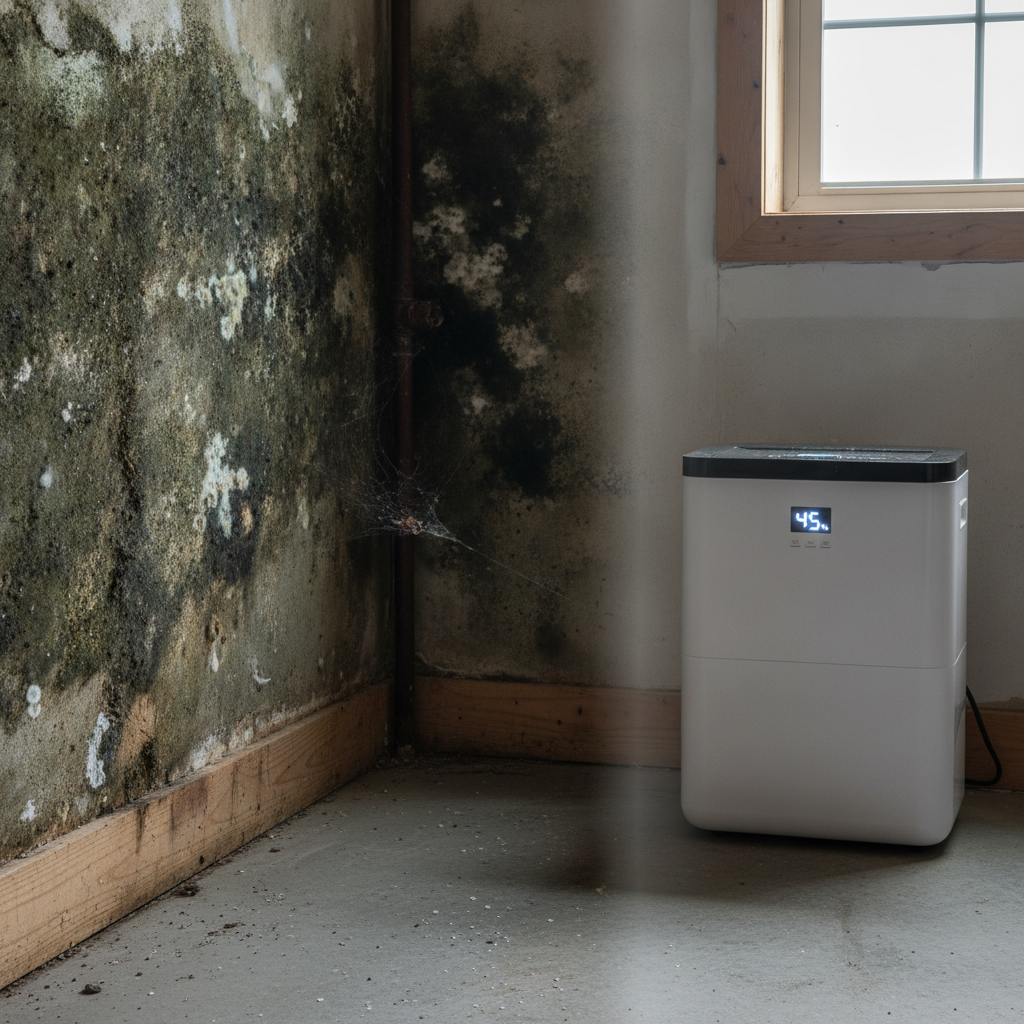
The first step in effective mold prevention is to act quickly. Remove standing water, use fans and dehumidifiers to dry the area, and discard any materials that cannot be thoroughly dried. Pay special attention to hidden spaces, behind walls, under floors, and inside HVAC systems, where moisture can linger undetected. Regular inspections and moisture readings can help ensure that your property is truly dry before repairs begin.
If you’re unsure how to proceed or need professional help, learn more about local restoration services that specialize in rapid water removal and mold prevention. Acting fast and seeking expert guidance can make all the difference in protecting your property and health.
Mold Prevention After Water Damage in Bloomfield Hills, MI
Understanding the specific challenges of mold prevention after water damage in Bloomfield Hills, MI, is essential for anyone responsible for a property. The area’s seasonal temperature swings and precipitation patterns can create ideal conditions for mold growth following water intrusion events. Even after visible water is removed, moisture can remain trapped in building materials, providing a perfect environment for mold spores to germinate.
To reduce the risk of mold, it’s vital to monitor humidity levels indoors. Aim to keep relative humidity below 60%, and ideally closer to 40-50%. Use high-quality dehumidifiers and ensure that ventilation systems are functioning properly. In commercial buildings, regular HVAC maintenance can prevent condensation and moisture buildup in ducts and vents.
For those seeking comprehensive support, Mold prevention in Bloomfield Hills services can provide tailored solutions, from moisture mapping to advanced drying techniques. These experts use industry-standard equipment to detect hidden moisture and ensure that your property is fully protected against mold growth after water damage.
Mold Prevention After Water Damage in Bloomfield Hills, Michigan
When it comes to mold prevention after water damage in Bloomfield Hills, Michigan, knowledge is your best defense. Mold can cause a range of health issues, from mild allergic reactions to severe respiratory problems, especially in sensitive individuals. Business owners must also consider the impact on employees and customers, as well as potential liability if mold is not properly remediated.
A thorough inspection following any water event is crucial. Look for signs of moisture in walls, ceilings, and floors. Use moisture meters to check areas that appear dry but may still harbor dampness. Remove and replace any materials that show signs of mold or cannot be completely dried within 48 hours. Remember, mold can grow behind walls and under flooring, so it’s important to investigate beyond what is visible.
If you need guidance on the best practices for water damage mitigation, local professionals can provide assessments, emergency drying, and mold prevention strategies tailored to your property’s unique needs. Don’t wait until mold becomes a visible problem, proactive steps can save you significant costs and headaches down the line.
Why Mold Grows After Water Damage
Mold is a type of fungus that thrives in moist, warm environments. After water damage, even a small amount of lingering moisture can create the perfect breeding ground for mold spores to multiply. Mold prevention after water damage is so important because spores are microscopic and can settle anywhere, especially in porous materials like drywall, insulation, and carpeting.
The process begins when water saturates building materials, raising the moisture content above safe levels. Within 24 to 48 hours, mold can begin to grow and spread, often out of sight. Once established, mold is difficult to remove and can cause structural damage, unpleasant odors, and health problems for occupants.
To prevent mold after water damage, it’s essential to remove water quickly, dry affected areas thoroughly, and monitor for any signs of mold growth. If you suspect mold or need help identifying risks, connect with trusted local experts such as Bloomfield Construction for an assessment and tailored remediation plan.
The Health Risks of Mold Exposure
Mold prevention after water damage is not only about protecting your property, it’s also about safeguarding the health of everyone who enters your building. Mold releases spores and volatile organic compounds (VOCs) into the air, which can cause a range of health issues. Common symptoms include nasal congestion, coughing, wheezing, eye irritation, and skin rashes. For individuals with allergies, asthma, or compromised immune systems, exposure to mold can trigger severe reactions or worsen chronic conditions.
Prolonged mold exposure has been linked to respiratory infections and, in rare cases, neurological symptoms. Children and the elderly are especially vulnerable. Business owners should be aware that mold in a workplace can lead to employee absenteeism, decreased productivity, and even legal claims if health is compromised.
The best way to prevent health risks is to take mold prevention after water damage seriously. Address all water issues promptly, maintain low indoor humidity, and schedule regular inspections, especially after leaks or flooding. If you notice musty odors, visible mold, or unexplained health symptoms among occupants, seek professional assessment immediately.
Immediate Steps to Take After Water Damage
The first 24 to 48 hours after water damage are critical for mold prevention after water damage. Immediate action can dramatically reduce the risk of mold growth and minimize property loss. Here’s what you should do as soon as you discover water intrusion:
- Stop the source of water if possible (shut off valves, patch leaks, etc.).
- Remove standing water using pumps, wet vacuums, or mops.
- Move furniture, electronics, and valuables to a dry area.
- Open windows and doors to improve air circulation.
- Use fans and dehumidifiers to accelerate drying.
- Remove and discard items that cannot be thoroughly dried (carpets, insulation, etc.).
- Document the damage with photos for insurance claims.
Once the immediate threat is contained, contact a professional restoration service for a thorough assessment and to ensure that all moisture is eliminated. Mold prevention after water damage starts with fast, decisive action and continues with careful monitoring in the days and weeks that follow.
How Mold Spreads and Why Speed Matters
Mold spreads rapidly after water damage because spores are light and easily carried by air currents. Once they find a moist surface, they begin to colonize and reproduce. Within days, a small patch of mold can become a widespread infestation, affecting walls, ceilings, floors, and even furnishings.
Speed is essential for mold prevention after water damage. The longer moisture remains, the greater the risk that mold will take hold. Even if the surface appears dry, moisture can remain trapped inside materials, providing an invisible breeding ground. That’s why professional restoration teams use moisture meters and infrared cameras to detect hidden dampness.
If you act quickly, you can often prevent mold from gaining a foothold. Remove water, dry all affected areas, and monitor humidity levels. If you notice musty odors or discoloration, don’t wait, address the issue immediately to avoid larger, more expensive problems later. Mold prevention after water damage is a race against time, and every hour counts.
Professional Mold Remediation vs. DIY
After water damage, property owners often wonder whether they should tackle mold prevention and cleanup themselves or hire professionals. Mold prevention after water damage is possible with DIY methods for small, contained incidents, but there are significant risks if the damage is extensive or if mold has already begun to grow.
DIY approaches may include removing wet materials, cleaning surfaces with detergent and water, and using household dehumidifiers. However, without specialized equipment, it’s easy to miss hidden moisture or underestimate the extent of contamination. Professionals use advanced drying technology, HEPA filtration, and antimicrobial treatments to ensure thorough mold prevention and remediation.
When in doubt, consult with experts who can assess the situation and recommend the best course of action. For large-scale water damage, persistent moisture, or visible mold growth, professional remediation is the safest and most effective option. Remember, incomplete cleanup can lead to recurring mold problems and ongoing health risks.
Common Mistakes That Lead to Mold Growth
Even with the best intentions, property owners sometimes make mistakes that increase the risk of mold after water damage. Mold prevention after water damage requires attention to detail and a thorough approach. Here are some common missteps to avoid:
- Delaying water removal or drying efforts.
- Assuming surfaces are dry without using moisture meters.
- Reinstalling flooring or drywall before materials are fully dry.
- Neglecting hidden spaces such as wall cavities and crawlspaces.
- Failing to monitor humidity levels after cleanup.
- Using bleach on porous materials (it does not penetrate deeply enough to kill mold roots).
Avoid these pitfalls by following best practices and consulting with professionals when needed. Mold prevention after water damage is an investment in your property’s long-term health and value.
Table: Mold Prevention Checklist After Water Damage
| Step | Action |
|---|---|
| 1 | Stop water source and ensure safety |
| 2 | Remove standing water immediately |
| 3 | Use fans and dehumidifiers to dry all areas |
| 4 | Remove and discard unsalvageable materials |
| 5 | Monitor humidity and moisture levels |
| 6 | Inspect hidden spaces for moisture |
| 7 | Consult professionals if unsure |
Use this checklist to guide your response after water damage. Mold prevention after water damage is most effective when each step is followed diligently and promptly.
Long-Term Strategies for Mold Prevention
While immediate response is critical, long-term mold prevention after water damage requires ongoing vigilance. Regular property maintenance, prompt repairs, and proactive monitoring can all help prevent future mold problems. Here are some strategies to keep your property safe over the long haul:
- Inspect roofs, gutters, and downspouts regularly for leaks and blockages.
- Seal windows and doors to prevent water intrusion during storms.
- Maintain HVAC systems and ensure proper drainage around the foundation.
- Monitor indoor humidity and use dehumidifiers as needed.
- Train staff or household members to recognize signs of water damage and mold.
By incorporating these practices into your regular maintenance routine, you can minimize the risk of mold growth and protect your investment for years to come. Mold prevention after water damage is not a one-time event, it’s an ongoing commitment to property health.
Insurance and Documentation Tips
Navigating insurance claims after water damage can be complex, but proper documentation is essential for both financial recovery and mold prevention after water damage. Immediately after the incident, take detailed photographs of all affected areas and keep records of repairs, expenses, and communications with contractors. This documentation can support your claim and provide a timeline of your efforts to prevent mold.
Contact your insurance provider as soon as possible to report the damage and begin the claims process. Ask about coverage for mold remediation and preventive measures. Some policies may have exclusions or limits for mold-related claims, so understanding your policy is crucial.
Working with experienced restoration professionals can also help ensure that all necessary steps are taken and properly documented. Their reports and receipts can serve as valuable evidence if disputes arise. Remember, thorough documentation and prompt action are your best allies in both mold prevention after water damage and successful insurance resolution.
Final Thoughts
Mold prevention after water damage is a critical responsibility for property owners and business operators in the region. Acting quickly, following best practices, and seeking professional guidance when needed can make all the difference in avoiding costly repairs and health risks. Remember, mold can begin to grow in as little as 24 hours, so time is of the essence. By understanding the risks, responding promptly, and maintaining vigilance, you can protect your property, your health, and your peace of mind. Stay proactive, keep learning, and don’t hesitate to reach out to local experts for support when water damage strikes.