Water damage can strike without warning, leaving property owners scrambling to protect their investment and minimize loss. Whether it’s a burst pipe, a sudden storm, or an appliance failure, the aftermath can be overwhelming. Immediate water damage response is crucial for homeowners, business owners, and developers alike, as quick actions can make the difference between a manageable cleanup and a costly disaster. In this guide, we’ll walk you through the essential steps to take in the critical hours and days following water damage, helping you safeguard your property, limit expenses, and restore normalcy as swiftly as possible. You’ll learn how to assess the situation, protect your health, document damage for insurance, and select the right professionals for the job. With the right knowledge and a clear plan, you’ll be empowered to act decisively and recover more quickly from even the most unexpected water emergencies.
Immediate Water Damage Response in Bloomfield Hills
When water damage occurs, time is of the essence. The first few hours are critical in preventing further destruction and minimizing long-term costs. Immediate water damage response is not just about cleaning up water; it’s about protecting your property, your health, and your financial future. In the area, property owners should first ensure everyone’s safety. Shut off the main water supply if the source is internal, such as a burst pipe or malfunctioning appliance. If the damage is due to external factors like heavy rain or flooding, avoid entering waterlogged areas until you are certain the electricity is off and the structure is safe.
Once safety is confirmed, begin documenting the scene. Take photos and videos from multiple angles, capturing the extent of the water intrusion and any visibly damaged items. This documentation will be invaluable for insurance claims and for restoration professionals assessing the situation. Next, contact your insurance company to report the incident and begin the claims process. Many policies require prompt notification, and some insurers may recommend approved local contractors for emergency services.
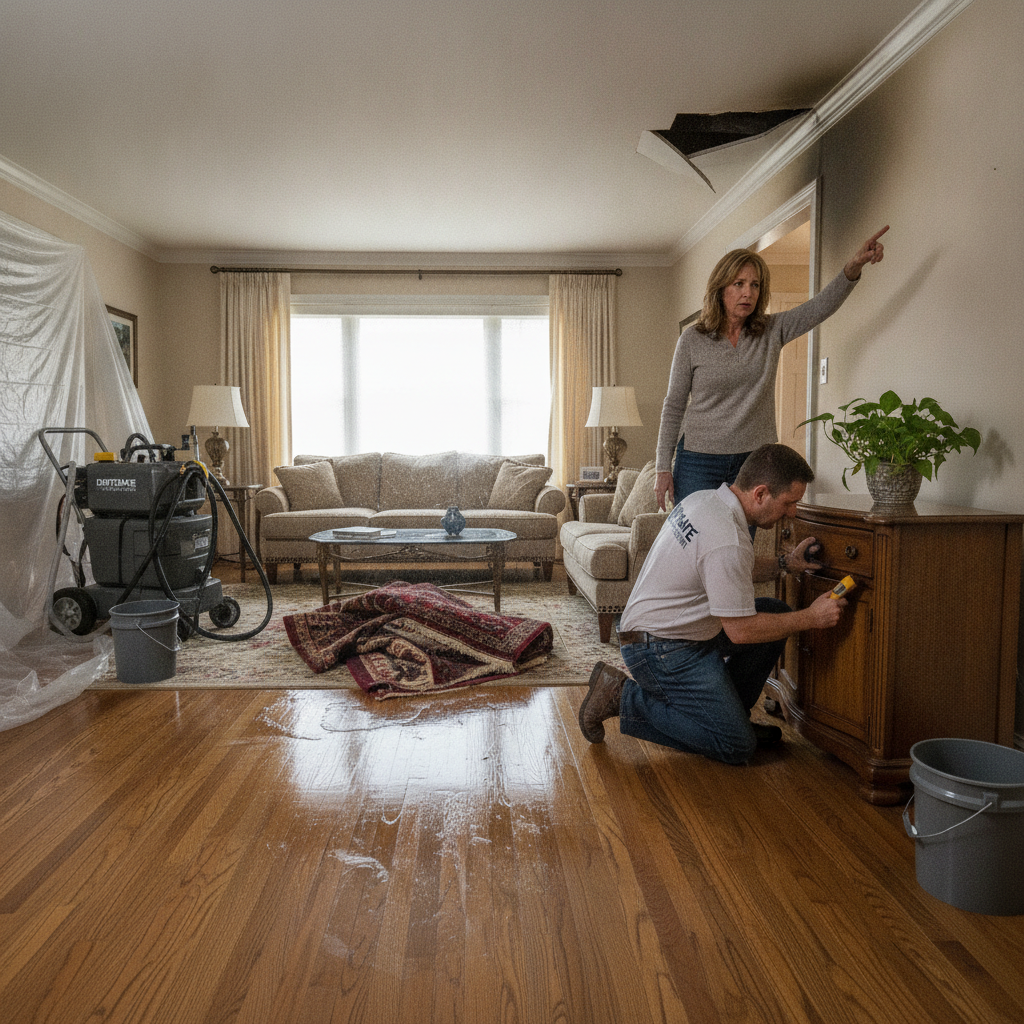
It’s also important to initiate water removal as soon as possible. Use mops, towels, or a wet/dry vacuum to extract standing water if it’s safe to do so. Remove rugs, furniture, and other items from affected areas to prevent further absorption and staining. Remember, the longer water sits, the greater the risk of mold growth and structural damage. For significant incidents, professional help is essential. Services specializing in Bloomfield Hills immediate water damage response can arrive quickly, bringing industrial-grade equipment and expertise to stabilize the situation and begin the drying process.
Acting swiftly and methodically in these first moments can dramatically reduce the impact of water damage, helping you restore your property and peace of mind more efficiently.
Immediate Water Damage Response in Bloomfield Hills, MI
Understanding the specific risks and resources available in this region is essential for effective immediate water damage response. The local climate, with its seasonal storms and freezing winters, increases the likelihood of both sudden flooding and burst pipes. Residents and business owners should be prepared for these scenarios by having an emergency plan and knowing who to call when disaster strikes.
The first step after discovering water damage is to assess the source and stop it, if possible. For example, if a pipe bursts during a cold snap, shutting off the main water valve can prevent additional flooding. If the source is external, such as from a storm, wait until conditions are safe before entering the affected area. Once the immediate threat is contained, focus on protecting valuable items. Move electronics, important documents, and irreplaceable belongings to a dry, secure location.
Next, contact local professionals who are experienced with immediate water damage response in this region. Their familiarity with the area’s building codes, insurance requirements, and common water damage scenarios ensures a faster, more effective recovery. Many reputable companies maintain 24/7 emergency lines and can dispatch crews quickly to begin water extraction and drying. Reviewing their Immediate water damage response Bloomfield Hills projects can also provide peace of mind about their expertise and reliability.
Finally, communicate with your insurance provider about the incident, providing them with the documentation you’ve gathered. They may send an adjuster to evaluate the damage and guide you through the claims process. By leveraging local resources and following a clear action plan, property owners in this city can recover more quickly and with less stress.
Immediate Water Damage Response in Bloomfield Hills, Michigan
Effective immediate water damage response in Bloomfield Hills, Michigan, requires a combination of quick thinking, local expertise, and the right tools. Once you’ve ensured safety and notified your insurance, the next step is to prevent further damage. Begin by ventilating the affected area, opening windows and doors if weather permits. This helps reduce humidity and speeds up the drying process. If you have access to fans or dehumidifiers, set them up to circulate air and draw moisture out of walls, floors, and furniture.
Be vigilant for hidden pockets of moisture. Water can seep under flooring, behind baseboards, and into wall cavities, leading to mold growth and structural issues if left unchecked. Restoration professionals use specialized equipment like moisture meters and thermal imaging cameras to detect and address these hidden threats. Attempting to handle significant water damage without professional help can result in incomplete drying and long-term problems.
For minor incidents, you may be able to manage some cleanup yourself. Remove soaked carpets and padding, wipe down surfaces, and dispose of items that cannot be salvaged. However, for more severe cases, especially those involving contaminated water, always rely on experts. Trusted companies offer comprehensive water damage repair services, ensuring your property is thoroughly dried, cleaned, and restored to its pre-loss condition.
By acting quickly and leveraging professional resources, you can minimize the disruption caused by water damage and protect your investment for the long term.
Choosing the Right Water Damage Professionals
Selecting a qualified restoration company is a critical step in the immediate water damage response process. Not all contractors are created equal, and the quality of the response can have lasting effects on your property’s recovery. Start by researching local companies with strong reputations, verified credentials, and positive customer reviews. Look for firms that are certified by organizations such as the Institute of Inspection, Cleaning and Restoration Certification (IICRC), which sets industry standards for water damage restoration.
Ask about their response times, availability, and the services they offer. A reputable provider should offer 24/7 emergency response, transparent pricing, and comprehensive solutions from water extraction to full restoration. It’s also wise to inquire about their experience with insurance claims, as navigating the claims process can be complex and time-consuming. Local companies like Bloomfield Construction are familiar with the unique challenges of the region and can coordinate seamlessly with insurers and adjusters.
Before signing any contracts, request a detailed estimate and a clear scope of work. Make sure you understand what is included in the service, the expected timeline, and any guarantees or warranties offered. A trustworthy contractor will be transparent about their process, communicate regularly, and prioritize your satisfaction throughout the restoration journey.
By choosing the right professionals, you set the stage for a smoother, more effective recovery, reducing stress and ensuring your property is restored to its best possible condition.
Assessing and Documenting Water Damage
Accurate assessment and thorough documentation are essential components of immediate water damage response. The first step is to walk through the affected property, making note of all visible damage. Pay close attention to flooring, walls, ceilings, and any personal belongings that have been exposed to water. Use your smartphone or camera to take clear, detailed photos and videos of every impacted area. Capture both wide shots and close-ups to provide a comprehensive record.
In addition to visual documentation, create a written inventory of damaged items. Include descriptions, approximate values, and the extent of the damage for each item. This information will be crucial when filing your insurance claim and working with restoration professionals. Don’t forget to document hidden or less obvious damage, such as warped baseboards, bubbling paint, or musty odors, which can indicate moisture behind walls or under floors.
If possible, gather receipts, appraisals, or other proof of ownership for valuable items. Keep all documentation organized and readily accessible, as insurance adjusters may request additional information during the claims process. By being thorough and proactive, you increase the likelihood of a fair settlement and a smoother restoration experience.
Remember, the more detailed your documentation, the easier it will be to demonstrate the full extent of your loss and ensure that nothing is overlooked during repairs.
Protecting Health and Safety After Water Damage
Water damage can create hazardous conditions that threaten the health and safety of occupants. Standing water, especially from floods or sewage backups, may contain bacteria, chemicals, or other contaminants. Even clean water can become a breeding ground for mold and mildew within 24 to 48 hours. As part of your immediate water damage response, prioritize safety above all else.
Before entering affected areas, wear protective gear such as waterproof boots, gloves, and masks. Avoid contact with standing water whenever possible, and never attempt to use electrical appliances or outlets in wet conditions. If you suspect structural damage or notice sagging ceilings, buckling floors, or other warning signs, evacuate the area and wait for professional assessment.
Proper ventilation is key to reducing humidity and preventing mold growth. Open windows and doors, and use fans or dehumidifiers if available. Discard porous materials like carpets, insulation, and upholstered furniture that have been saturated, as they can harbor mold and bacteria even after drying. Clean and disinfect all surfaces with appropriate solutions to eliminate pathogens.
By taking these precautions, you protect yourself and others from the hidden dangers associated with water damage, ensuring a safer and healthier recovery process.
Understanding the Water Damage Restoration Process
A successful immediate water damage response relies on a clear understanding of the restoration process. Restoration typically unfolds in several stages, each designed to address specific challenges and return your property to its pre-damage condition. The process begins with emergency mitigation, which includes water extraction, removal of unsalvageable materials, and the application of antimicrobial treatments to prevent mold growth.
Once the bulk of the water has been removed, the focus shifts to drying and dehumidification. Restoration professionals use industrial-grade equipment to draw moisture from the air and building materials, monitoring progress with moisture meters to ensure complete drying. This phase can take several days, depending on the extent of the damage and the materials involved.
After drying is complete, repairs and reconstruction begin. This may involve replacing drywall, flooring, insulation, and other structural elements. Restoration teams also clean and sanitize all affected areas, removing odors and ensuring a safe environment for occupants. The final step is a thorough inspection to confirm that all damage has been addressed and that the property is ready for use.
By understanding each stage, property owners can better communicate with restoration professionals and set realistic expectations for the recovery timeline.
Common Causes of Water Damage and How to Prevent Them
While immediate water damage response is essential after an incident, prevention is always preferable. Understanding the most common causes of water damage can help property owners take proactive steps to reduce risk. In the region, frequent culprits include burst pipes (especially during winter), roof leaks, faulty appliances, clogged gutters, and foundation cracks.
To prevent burst pipes, insulate exposed plumbing and maintain a consistent indoor temperature during cold weather. Regularly inspect your roof for missing shingles, damaged flashing, and other vulnerabilities that could allow water intrusion. Clean gutters and downspouts at least twice a year to ensure proper drainage away from your foundation. Inspect appliances like water heaters, washing machines, and dishwashers for leaks or worn hoses, and replace them as needed.
Seal any visible cracks in your foundation and ensure landscaping slopes away from your building to direct water away from the structure. Install water leak detectors and automatic shutoff valves for added protection. By addressing these common risks, you can significantly reduce the likelihood of needing emergency water damage repair in the future.
Proactive maintenance and regular inspections are your best defense against unexpected water emergencies.
Table: Immediate Water Damage Response Checklist
| Step | Action | Purpose |
|---|---|---|
| 1 | Ensure safety and turn off electricity/water | Prevent injury and further damage |
| 2 | Document damage with photos/videos | Support insurance claims |
| 3 | Contact insurance provider | Begin claims process |
| 4 | Remove standing water and affected items | Limit further damage |
| 5 | Call professional restoration service | Ensure thorough drying and repair |
| 6 | Monitor for mold and hidden moisture | Prevent health risks and future issues |
Keep this checklist handy to ensure you don’t miss any critical steps during a water emergency. Following a structured plan can help you stay calm and organized in a stressful situation.
The Importance of Acting Fast
Speed is the most important factor in minimizing the impact of water damage. The longer water remains in contact with building materials, the greater the risk of structural deterioration, mold growth, and secondary damage. Immediate water damage response can save thousands of dollars in repairs and reduce the time your property is out of commission.
Mold can begin to develop within 24 to 48 hours of water exposure, posing significant health risks and complicating the restoration process. Prompt action not only protects your property but also safeguards the health of occupants. Insurance companies may also look more favorably on claims where the property owner took swift, responsible action to mitigate damage.
By acting quickly, you demonstrate diligence and responsibility, increasing the likelihood of a successful insurance claim and a faster return to normalcy. Make immediate water damage response a top priority whenever disaster strikes.
Restoring Your Property After Water Damage
Once the initial emergency has been addressed, the focus shifts to restoring your property to its pre-damage state. This involves not only repairing visible damage but also addressing hidden issues such as compromised insulation, warped flooring, or weakened structural components. Restoration professionals conduct thorough inspections to identify all affected areas, ensuring nothing is overlooked.
The restoration process may include replacing drywall, refinishing hardwood floors, repainting walls, and deep cleaning carpets and upholstery. In some cases, extensive repairs or reconstruction may be necessary. Throughout this process, maintain open communication with your restoration team and insurance adjuster to ensure all work is completed to your satisfaction and in compliance with policy requirements.
By investing in professional restoration, you protect your property’s value and ensure a safe, comfortable environment for all occupants. Don’t cut corners, thorough restoration is the key to a full recovery after water damage.
Key Takeaways
Water damage is a stressful and potentially costly event, but with the right knowledge and immediate water damage response, you can minimize its impact and recover more quickly. Remember to prioritize safety, document everything, and contact your insurance provider as soon as possible. Don’t hesitate to call in experienced professionals who can guide you through the restoration process and ensure your property is thoroughly dried and repaired. By acting fast, staying organized, and following a clear plan, you protect your investment and restore peace of mind for yourself, your family, or your business. Keep these steps and resources in mind to be prepared for any water emergency that may arise in the future.