A leaky roof is more than a nuisance, it can threaten the comfort, safety, and value of your property. Whether you’re a small business owner, a developer, or a homeowner, knowing where leaks most often start is crucial for timely intervention. If you’re searching for a trusted roofing contractor Bloomfield Hills residents rely on, it helps to know what areas to inspect first before calling in the pros. Early detection can prevent major water damage, mold growth, and expensive repairs. In this guide, we’ll walk you through the most common roof leak hotspots, why they’re vulnerable, and how you can spot trouble before it escalates. By understanding these key areas, you’ll be better equipped to maintain your property and protect your investment for years to come.
Why Roof Leaks Happen Most Often at Certain Spots
Roof leaks rarely occur at random. Instead, they tend to develop at specific weak points where water can find its way inside. These vulnerabilities are often due to design features, aging materials, or improper installation. For example, areas where different parts of the roof meet, like valleys, chimneys, or skylights, are naturally more exposed to water intrusion. Weather events, such as heavy rain or wind, can also accelerate wear at these spots. Understanding why leaks concentrate in these areas helps you prioritize inspections and maintenance. If you notice recurring issues, it may be time to consult a Roofing contractor Bloomfield Hills MI trusts for a thorough evaluation.
Chimneys and Their Surrounding Flashing
Chimneys are a classic source of roof leaks because of the number of seams and materials involved. The flashing, the metal that seals the gap between the chimney and the roof, can deteriorate, rust, or pull away over time. Even a small gap can allow water to seep in, causing damage to the attic or interior walls. Regularly inspect the flashing for signs of rust, cracks, or separation from the masonry. If you spot water stains or dampness near your chimney, it’s a sign that repairs are needed. Professional roof leak repair services can address these issues before they escalate into major structural concerns.
Valleys Where Roof Planes Intersect
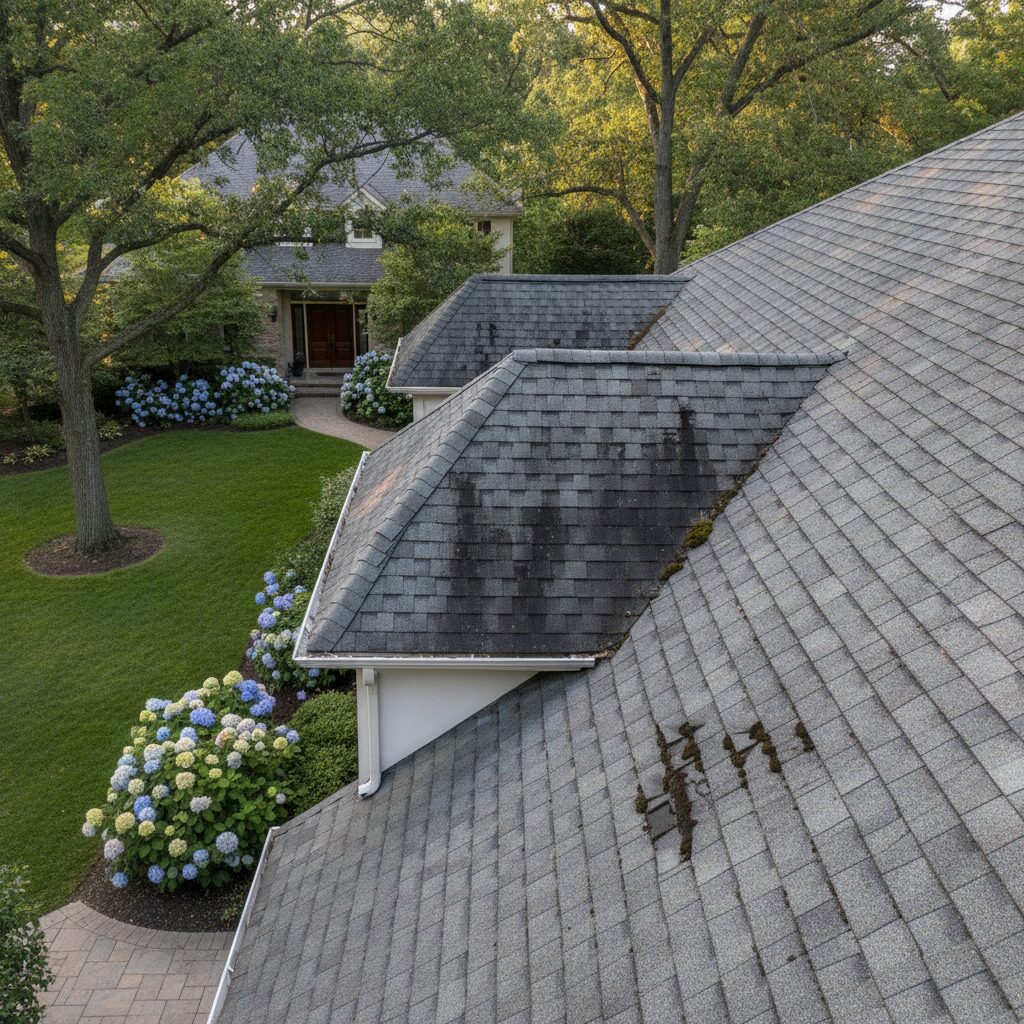
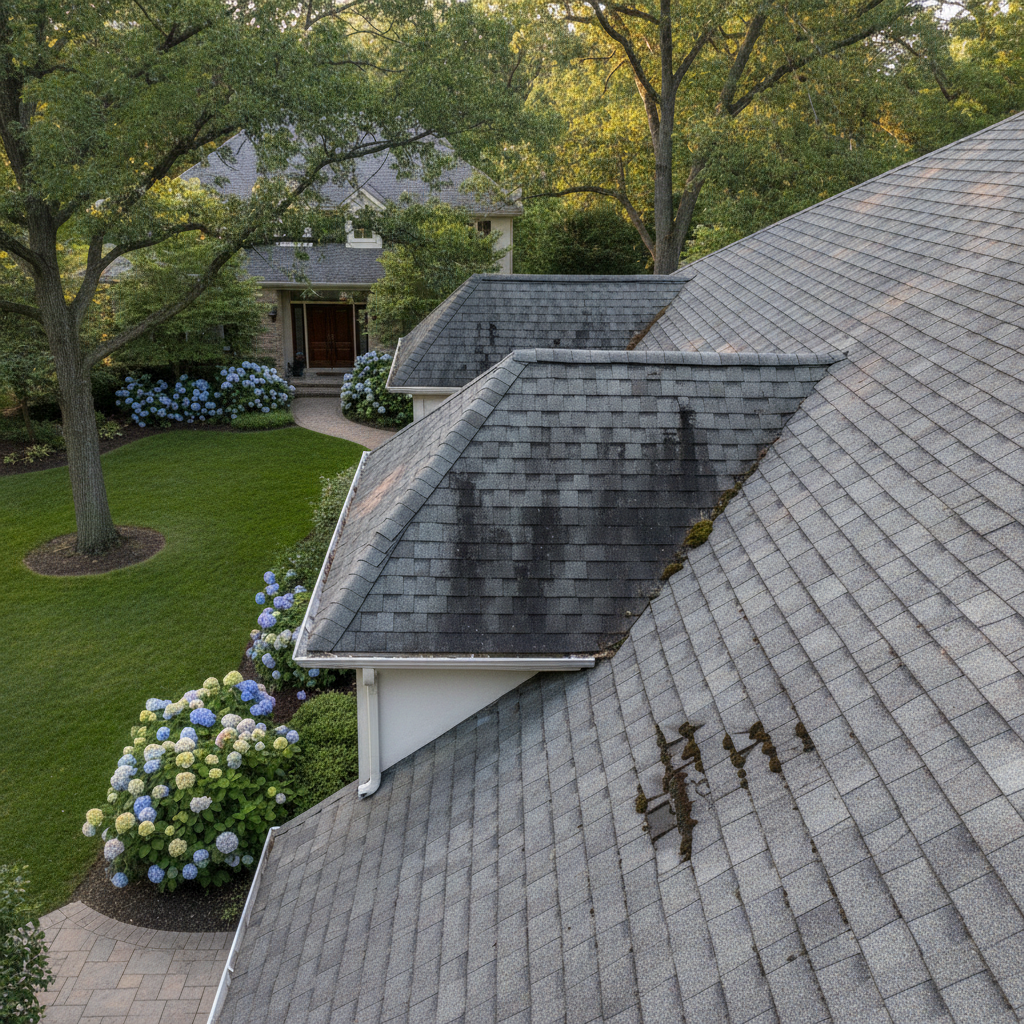
Roof valleys are the lines where two roof slopes meet, channeling water down to the gutters. Because they handle large volumes of runoff, valleys are especially prone to leaks if not properly installed or maintained. Overlapping shingles, flashing, and sealants can wear out or shift, exposing the underlying decking. Debris buildup, such as leaves or twigs, can also trap moisture and accelerate deterioration. It’s important to keep valleys clear and check for cracked or missing shingles. If you’re unsure about the condition of your roof’s valleys, a consultation with Bloomfield Construction can help you identify and address potential issues early.
Skylights and Roof Windows: Beauty with a Risk
Skylights and roof windows add natural light and style, but they also introduce new opportunities for leaks. The seals and flashing around these installations can degrade, especially with exposure to UV rays and temperature changes. Condensation inside the skylight or water stains around the frame are early warning signs. Proper installation is key, but even well-installed skylights need regular checks for cracked glass, loose fasteners, or deteriorated caulking. If you notice persistent moisture issues, it may be worth exploring resources like Restoring Crawl Spaces After Water Intrusion in Bloomfield Hills to understand the broader impact of roof leaks on your property.
Vents, Pipes, and Other Roof Penetrations
Any structure that penetrates the roof, such as plumbing vents, exhaust pipes, or attic fans, requires flashing and sealant to keep water out. Over time, these materials can dry out, crack, or become dislodged, leaving gaps for water to enter. Even small leaks around vents can lead to mold growth or rot in the attic. Regularly inspect vent boots and seals for signs of wear or separation. If you’re evaluating contractors, consider What Makes a Roofing Company a Good Fit for Bloomfield Hills Properties to ensure you’re working with professionals who understand the unique challenges of this community.
Gutters and Downspouts: The First Line of Defense
Gutters and downspouts play a critical role in directing water away from your roof and foundation. When they become clogged with debris or develop leaks themselves, water can back up and seep under shingles or behind fascia boards. This can cause rot, mold, and even foundation issues. Regular cleaning and inspection are essential, especially after storms or in the fall when leaves accumulate. Look for sagging gutters, rust spots, or water pooling near the foundation. Addressing gutter problems promptly can help prevent roof leaks and extend the lifespan of your entire roofing system.
Shingle Damage: Cracks, Curling, and Missing Pieces
Damaged or missing shingles are a common cause of leaks, especially after severe weather. Cracked, curled, or loose shingles can allow water to penetrate the underlayment and decking below. Even a single missing shingle can compromise the waterproof barrier and lead to interior damage. Regular visual inspections from the ground or with binoculars can help you spot trouble before it worsens. If you notice granule loss, bald spots, or exposed nails, it’s time to schedule a professional assessment. Timely repairs can save you from more costly restoration work down the line.
Ice Dams and Winter Roof Hazards
In colder climates, ice dams are a major risk for roof leaks. When snow melts and refreezes at the roof’s edge, it can trap water behind the ice, forcing it under shingles and into the attic. Poor insulation and ventilation make this problem worse by allowing uneven roof temperatures. Signs of ice damming include icicles hanging from gutters, water stains on ceilings, or peeling paint near exterior walls. Preventative measures include improving attic insulation, ensuring proper ventilation, and safely removing excess snow from the roof. Addressing these issues early can help you avoid expensive repairs come spring.
Flat Roofs: Unique Leak Challenges
Flat roofs, common on commercial buildings and some modern homes, present unique challenges when it comes to leaks. Unlike pitched roofs, flat roofs don’t shed water as efficiently, so pooling and slow drainage are frequent problems. Seams, drains, and flashing are common weak points. Even minor punctures from foot traffic or equipment can lead to significant water intrusion. Regular inspections for ponding water, blistering, or membrane cracks are essential. Addressing issues quickly can prevent leaks from spreading and causing interior damage, especially in buildings with sensitive equipment or inventory.
Attic Spaces: The Hidden Signs of Roof Leaks
The attic is often the first place where roof leaks make themselves known. Water stains, mold, or a musty smell in the attic can indicate a leak even if you haven’t seen water inside your living or working spaces. Check the underside of the roof deck for discoloration, damp insulation, or warped wood. Proper attic ventilation and insulation can help prevent condensation and moisture buildup, which can mimic or worsen leak symptoms. Regular attic inspections are a smart way to catch problems early and protect both your roof and your indoor air quality.
Quick Reference Table: Roof Leak Hotspots and Warning Signs
| Hotspot | Common Issues | Warning Signs |
|---|---|---|
| Chimneys & Flashing | Rust, cracks, loose flashing | Water stains near chimney, damp attic |
| Roof Valleys | Debris buildup, worn shingles | Pooling water, visible gaps |
| Skylights | Failed seals, cracked glass | Condensation, water stains |
| Vents & Pipes | Cracked boots, loose sealant | Mold, damp insulation |
| Gutters & Downspouts | Clogs, leaks, sagging | Overflow, water near foundation |
| Shingles | Cracks, curling, missing | Bald spots, exposed nails |
| Flat Roofs | Pooling, seam cracks | Ponding water, blisters |
Final Thoughts
Roof leaks can be sneaky, but they’re rarely invisible to a careful eye. By understanding the most common hotspots, chimneys, valleys, skylights, vents, gutters, and more, you can take proactive steps to protect your property. Regular inspections, prompt repairs, and working with experienced professionals are the keys to preventing small problems from becoming costly disasters. Remember, every roof is unique, and local weather patterns add extra challenges for residents and businesses in this area. If you suspect a problem or want peace of mind, don’t hesitate to reach out to a reputable roofing contractor for a thorough assessment. Staying vigilant today means fewer headaches tomorrow and a safer, more comfortable space for everyone who depends on your building.