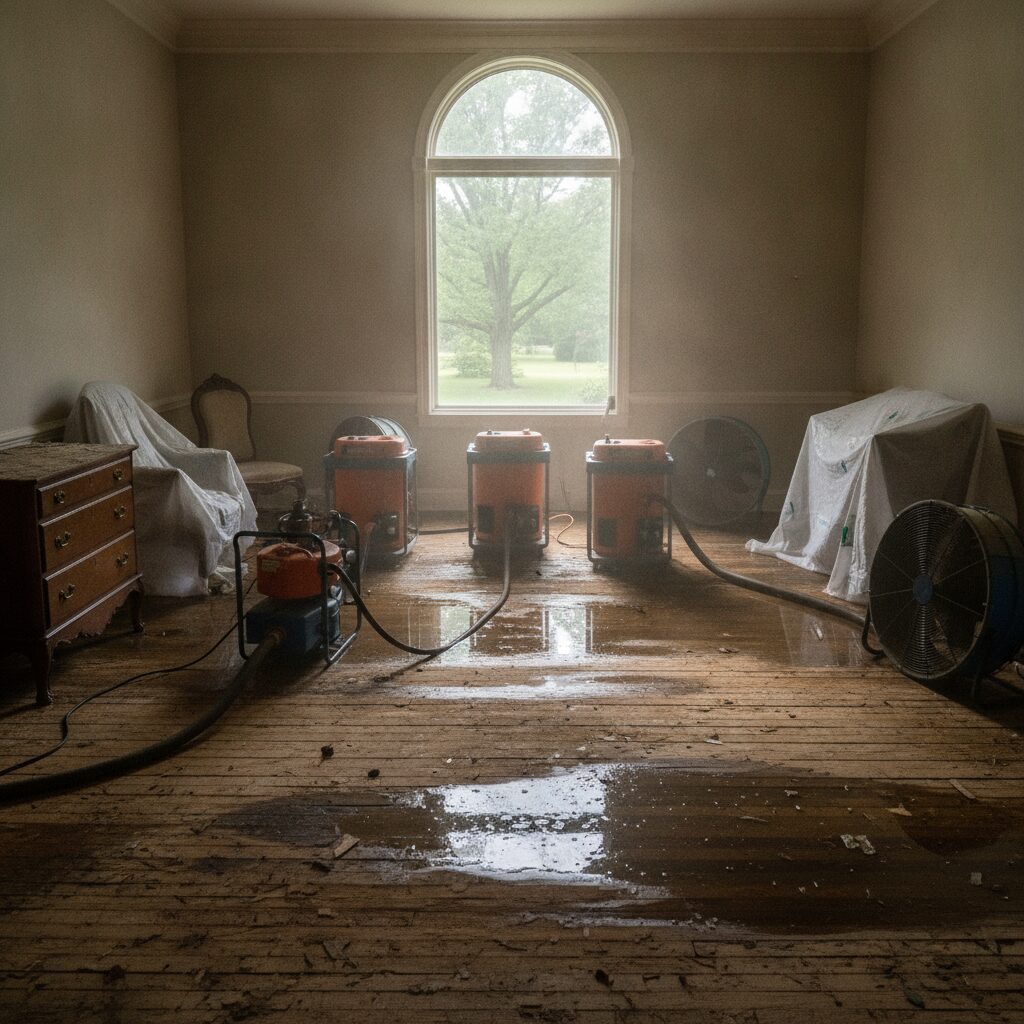
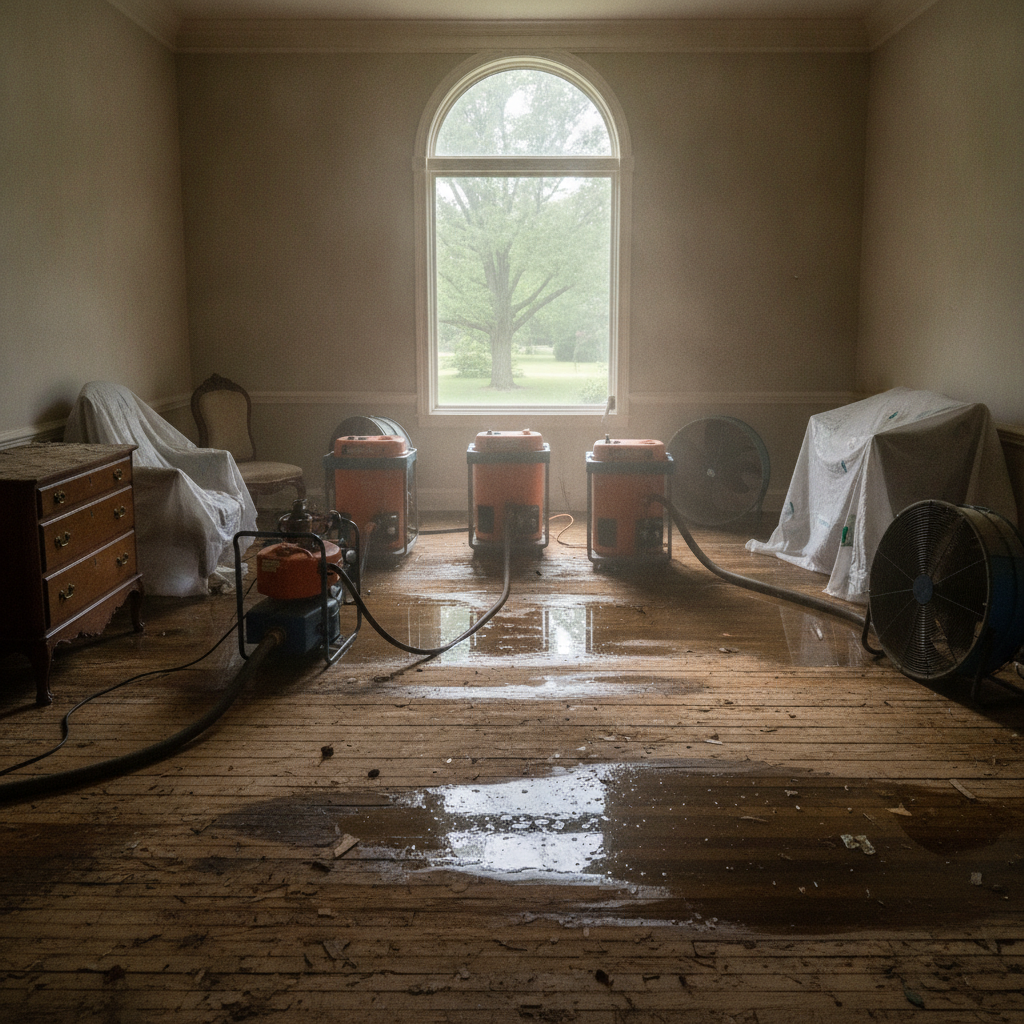
A glossy hardwood floor can hide a lot of trouble. After a burst pipe, a failed appliance line, or a storm that pushes water through the foundation, the boards you walk on are only the visible layer. Underneath sits the subfloor, the structural deck that carries your furniture, your family, and everything else. When that layer absorbs moisture, the consequences reach far beyond a few cupped planks. For homeowners and property managers searching for Water Damage Restoration Bloomfield Hills, understanding what happens below the surface is one of the most valuable things you can learn before choosing a repair plan.
Hardwood subfloors behave differently from the finished flooring above them. Boards, plywood sheets, and older plank decking all drink in moisture and release it slowly, which means a floor can feel dry on top while the structure below stays wet for weeks. That hidden moisture feeds mold, weakens fasteners, and warps the framing that keeps your floor flat and quiet. Many property owners only discover the problem months later, when a bounce appears underfoot or a musty smell won’t go away.
This guide walks through why subfloor damage matters, how to spot it early, what professionals measure and remove, and how to decide between drying, partial replacement, and a full rebuild. Whether you own a single home, manage rental units, or run a small business with hardwood floors, the goal is the same: protect the structure, avoid repeat repairs, and make sound decisions while the clock is still on your side.
What a Hardwood Subfloor Actually Does
Think of the subfloor as the foundation for your finished floor. It sits directly on the floor joists and provides a flat, rigid surface that supports the hardwood planks, tile, or carpet above. In many older homes, the subfloor is made of diagonal wood planks. In newer construction, it is more often large sheets of plywood or oriented strand board. Either way, its job is to spread loads evenly, resist flexing, and give nails and staples something solid to grip.
When the structure stays dry, it can last as long as the building. Once it gets wet, though, the picture changes quickly. Wood fibers swell, glue lines in plywood begin to separate, and fasteners loosen as the material expands and contracts. Even water damage that looks minor on the surface can leave the deck soft, uneven, or prone to squeaking. Understanding this hidden layer is the first step toward understanding why a quick mop-up rarely tells the whole story.
How Water Travels Beneath Finished Flooring
Water does not stay where it lands. It follows gravity and capillary action, moving through gaps between boards, along nail lines, and across the top of the subfloor. A spill near a dishwasher can migrate several feet in either direction before anyone notices a stain. Once it reaches the seam between two plywood sheets, it can slip underneath and spread sideways along the joists.
Hardwood is also a tricky material because it traps moisture. Tight tongue-and-groove joints and protective finishes slow evaporation, so the boards can hold water against the subfloor for a long time. Add a rug, a cabinet toe-kick, or a built-in bookcase, and you have a sealed pocket where dampness lingers unseen. This is why technicians test across wide areas instead of just the visibly wet spot. The visible damage is often only a small part of the actual wet zone.
Early Warning Signs Homeowners Often Miss
Subfloor trouble rarely announces itself loudly at first. Instead, it shows up as small changes that are easy to dismiss. Watch for these signals, especially after a leak, flood, or stretch of humid weather:
- Cupping or crowning, where board edges lift or the centers rise
- Soft or springy spots that give slightly when you step on them
- New squeaks or popping sounds in areas that were quiet before
- A persistent musty or earthy smell, even after cleaning
- Gaps opening between planks or visible discoloration along seams
- Doors that suddenly stick because the floor has shifted
None of these proves the deck is ruined, but together they suggest moisture is still present. A floor that looks fine in summer can reveal problems in winter when heating dries the wood and exposes loose fasteners. Documenting changes with dated photos can help you and your restoration team understand how the damage progressed.
Why Surface Drying Alone Falls Short
It is tempting to run fans, open windows, and call it done once the top layer feels dry. Unfortunately, the surface is a poor indicator of what is happening below. Hardwood flooring can feel and look normal while the subfloor underneath still holds enough moisture to support mold growth. Fungal colonies need very little to get started, and a dark, enclosed cavity between the floor and the ceiling below is an ideal habitat.
Proper drying targets the entire floor assembly. Technicians use moisture meters, thermal imaging, and sometimes small test holes to find wet material that the eye cannot see. Then they set up controlled airflow and dehumidification, often pulling air through the cavity itself. Homeowners who need dependable water damage cleanup in Oakland County benefit most from teams that measure before, during, and after drying instead of guessing. Data is what separates a lasting fix from a floor that fails again next season.
The Real Cost of Ignoring Subfloor Moisture
Delaying action rarely saves money. Wet wood invites rot, which weakens the very material that holds your floor up. Joists and deck boards can lose strength gradually, and by the time sagging becomes obvious, the repair often involves much more than swapping a few boards. Mold remediation, drywall replacement along the baseboards, and even adjustments to plumbing or cabinetry can pile onto the project.
There is also a property value angle. Buyers and inspectors look closely at floors, and unresolved moisture history can complicate a sale or raise questions during an appraisal. Insurance is another consideration. Many policies expect owners to take reasonable steps to limit further harm, and leaving wet materials in place can create disputes later. Because pricing and coverage vary widely from one situation to another, it helps to get written scopes and keep thorough records. Acting promptly keeps the project smaller, simpler, and easier to document.
How Professionals Evaluate Subfloor Damage in Bloomfield Hills
A thorough evaluation starts with questions: what was the source of the water, how long was it present, and was it clean or contaminated? From there, a technician maps the affected area using meters and imaging tools, then compares readings against dry reference points in the same home. The goal is to define a clear boundary between salvageable and compromised material.
Homeowners comparing providers for Water Damage Restoration Bloomfield Hills should expect this kind of methodical assessment rather than a quick glance and a flat quote. Good teams will explain what they find, show you the readings, and describe why certain sections need removal. They also check for related issues, such as roof leaks or plumbing failures, that may be the true source. Fixing symptoms without tracing the origin invites a repeat event, so the inspection should always connect the visible damage back to its cause.
Dry, Repair, or Replace: Weighing Your Options
Not every wet subfloor needs to be torn out. Whether the deck can be saved depends on how long it stayed wet, the type of water involved, and how the material has responded. Sound plywood that is caught early can often be dried in place. Material that has delaminated, softened, or developed active growth usually has to come out. The table below summarizes common scenarios and typical responses.
| Condition Found | Typical Response | General Outlook |
|---|---|---|
| Damp but firm, caught within days | Structural drying in place | Often salvageable |
| Swollen seams or minor delamination | Dry, then replace affected panels | Partial repair likely |
| Soft, spongy, or visibly moldy decking | Remove and rebuild section | Replacement needed |
| Contaminated water exposure | Remove porous material, sanitize | Safety driven decision |
Mold Risk and Indoor Air Concerns
Moisture trapped beneath hardwood is one of the quieter ways mold gets established in a home. Spores are present nearly everywhere, and they only need a food source and persistent dampness to grow. Wood, paper-faced drywall, and dust all qualify. When growth takes hold in the floor cavity, spores can drift into living spaces through gaps around baseboards, vents, and plumbing penetrations.
Some residents notice irritation, stuffiness, or a lingering odor before they ever see visible growth. If anyone in the household has allergies or asthma, those symptoms can flare. Addressing moisture quickly is the most reliable prevention strategy, because it removes the conditions mold needs. If growth is already present, containment and proper removal prevent it from spreading during demolition. Avoid scrubbing suspected colonies yourself, since disturbing them can release more spores into the air. A professional assessment keeps the process controlled and protects everyone in the building.
Protecting Roofs, Walls, and Floors Together
Subfloor damage is frequently a downstream effect of problems elsewhere in the building. A slow roof leak can saturate insulation, run down a wall cavity, and finally pool on the floor deck, where it stays hidden for months. Likewise, a poorly sealed window or a clogged gutter can send water toward the foundation and into the lower level.
That is why a whole-building view matters. Reading about Choosing Between Roof Patching and Full Replacement in Bloomfield Hills can help owners understand how a failing roof system eventually shows up as interior floor trouble. Fixing the source is just as important as drying the damage. If the upstream leak continues, even the best subfloor repair will eventually get wet again. Coordinating envelope repairs with interior restoration gives the whole project a better chance of lasting.
Preventive Habits That Keep Floors Dry
Prevention is far cheaper than restoration, and most of it comes down to routine attention. Inspect under sinks, behind toilets, and around water heaters a few times a year. Replace aging supply hoses before they fail, and consider leak sensors in laundry rooms, kitchens, and basements. Keep indoor humidity in a moderate range, since hardwood reacts to seasonal swings and extreme dryness or dampness both stress the boards.
The roof deserves the same regular care as the plumbing. Scheduling periodic checkups and reading guidance such as How Roofing Inspections Help Prevent Costly Home Repairs in Bloomfield Hills can reveal small defects before they turn into interior leaks. Also make sure gutters drain away from the foundation and that the grade slopes away from the house. These small, inexpensive habits protect the subfloor by keeping water out of the structure in the first place.
Questions to Ask Before Hiring a Restoration Team
Choosing the right provider shapes the outcome more than almost any other decision. Start by asking how they will measure moisture and what readings they consider dry. A credible team can explain their targets and share documentation at each stage. Ask whether technicians hold recognized industry training, and request a written scope that lists what will be removed, dried, and rebuilt.
It also helps to ask how they handle communication with insurers, how quickly they can begin work, and what they do if hidden damage turns up mid-project. Be cautious of anyone who promises a fixed result without inspecting the floor or who pushes you to tear out everything without evidence. Reliable companies are comfortable showing you why material needs to go. Clear answers, transparent pricing, and a willingness to explain the science behind their approach are signs you are in capable hands.
Final Thoughts
Hardwood floors get the attention, but the subfloor does the heavy lifting. When water reaches that hidden layer, the damage can spread quietly, weaken the structure, and open the door to mold long before anything looks wrong on the surface. That is why a careful, measured response matters so much after any leak or flood.
The key points are simple. Act quickly, because time is the biggest factor in whether material can be saved. Insist on real measurements rather than appearances, since a dry-looking floor can still hold dangerous moisture. Trace the problem back to its source, whether that is a pipe, an appliance, or a leaking roof, so the repair actually lasts. And choose a restoration partner who explains their findings openly and documents their work.
If you suspect moisture beneath your flooring, do not wait for a soft spot or a musty smell to confirm it. A prompt inspection is far less disruptive and far less expensive than a full rebuild after months of hidden decay. Protect the structure beneath your feet now, and you protect the comfort, safety, and value of the entire property for years to come.