Experiencing a fire in your property is a life-altering event that leaves behind more than just visible destruction. The aftermath can be overwhelming, with smoke, soot, and water damage compounding the initial loss. For business owners, developers, and residents in the area, knowing how to approach fire damage restoration is crucial to reclaiming your space and peace of mind. Fire Damage Restoration Bloomfield Hills is not just about cleaning up, it’s about methodically recovering your property, ensuring safety, and preventing further issues down the road. In this guide, we’ll walk you through the essential steps to recover after a fire, highlight what to expect during the restoration process, and provide actionable insights to help you make informed decisions. Whether you’re facing minor smoke damage or a major structural rebuild, understanding the restoration journey will empower you to move forward confidently and restore your property to its former glory.
Immediate Actions After a Fire: What to Do First
The moments following a fire are critical for both safety and successful restoration. Once the fire department has declared the property safe, your first priority should be to avoid re-entering the building until professionals have assessed the structural integrity. Even if the fire seems minor, hidden dangers like weakened floors, electrical hazards, and toxic residues can pose serious risks. Document the damage with photos and videos for insurance purposes, but avoid disturbing the scene more than necessary.
Contact your insurance provider as soon as possible to begin the claims process. They may send an adjuster to evaluate the damage, so having thorough documentation is essential. Next, reach out to a trusted local restoration company, such as Bloomfield Construction, to secure the property and start the initial assessment. Restoration professionals can board up windows, tarp roofs, and address immediate safety concerns, preventing further damage from weather or vandalism.
It’s also important to notify your utility providers, gas, electric, and water, to ensure all services are safely shut off until the property is cleared for occupancy. This step can prevent secondary incidents like gas leaks or electrical fires. Taking these immediate actions not only protects your property but also sets the stage for a smoother, more efficient restoration process.
Assessing the Full Scope of Fire and Smoke Damage
Understanding the extent of fire and smoke damage goes beyond what meets the eye. While charred walls and soot-stained ceilings are obvious, smoke can infiltrate ductwork, insulation, and even structural framing, causing lingering odors and potential health hazards. Restoration experts conduct comprehensive inspections using specialized equipment to detect hidden damage and determine the best course of action.
During the assessment, professionals will evaluate the structural stability of floors, walls, and roofs. They also check for water damage resulting from firefighting efforts, which can lead to mold growth if not addressed promptly. Personal belongings, electronics, and furniture are inspected to determine what can be restored and what must be replaced. This thorough evaluation helps create a detailed restoration plan tailored to your property’s unique needs.
For a deeper understanding of the risks associated with fire aftermath, refer to Understanding the Hidden Hazards After Fire Damage in Bloomfield Hills. This resource highlights the less visible dangers that can impact your recovery timeline and long-term safety.
Choosing the Right Fire Damage Restoration Partner
Selecting a qualified restoration company is one of the most important decisions you’ll make after a fire. Look for a provider with experience handling both residential and commercial properties in the region, as local expertise ensures familiarity with building codes and insurance requirements. The best restoration partners offer a full suite of services, from emergency board-up to complete reconstruction, and maintain transparent communication throughout the process.
When evaluating potential companies, ask about their certifications, response times, and the equipment they use for smoke and odor removal. A reputable team will provide a clear estimate, explain each step of the restoration plan, and coordinate directly with your insurance adjuster to minimize stress. For more insights on selecting top-tier restoration services, visit Top Fire Damage Restoration Services in Bloomfield Hills: What Homeowners Need to Know.
Ultimately, the right partner will not only restore your property but also provide peace of mind during a challenging time. Trust, reliability, and proven results should guide your decision, ensuring your recovery is in capable hands.
The Cleanup Process: Removing Soot, Smoke, and Debris
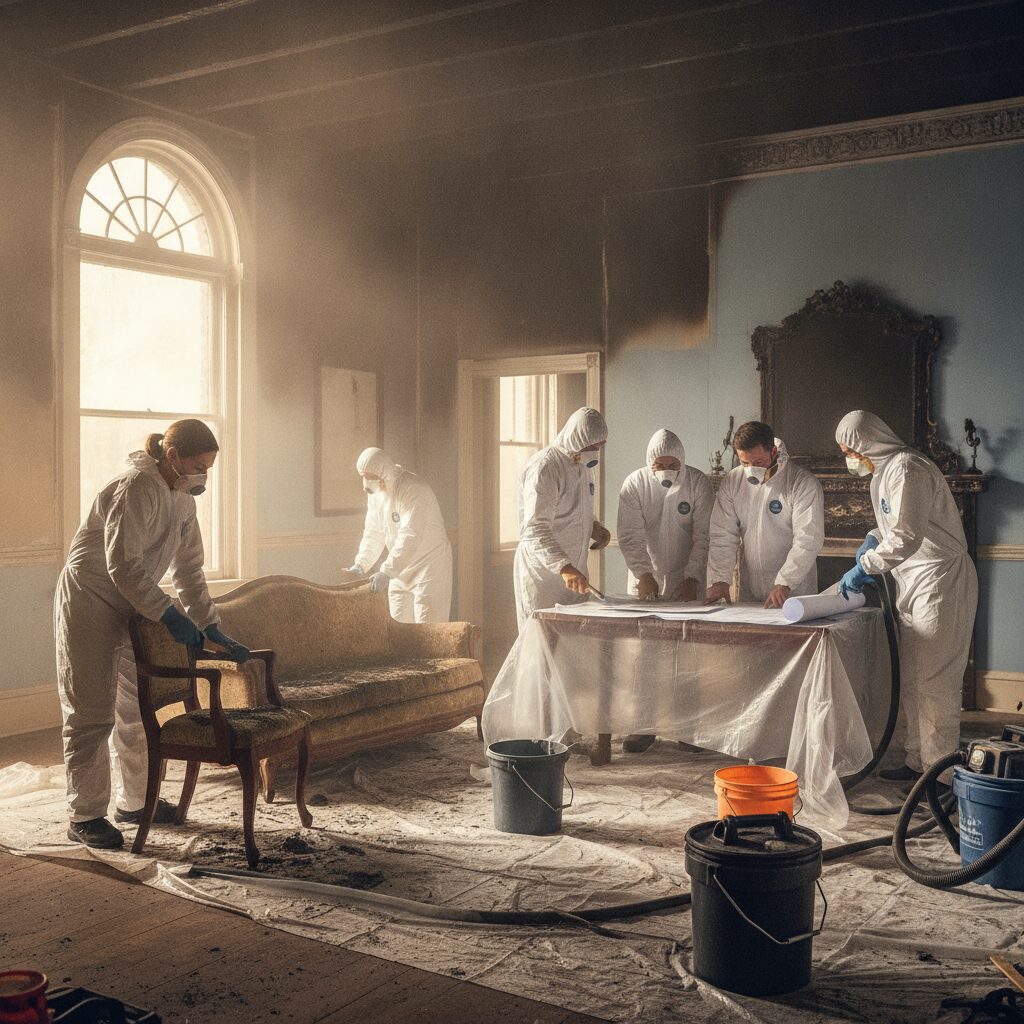
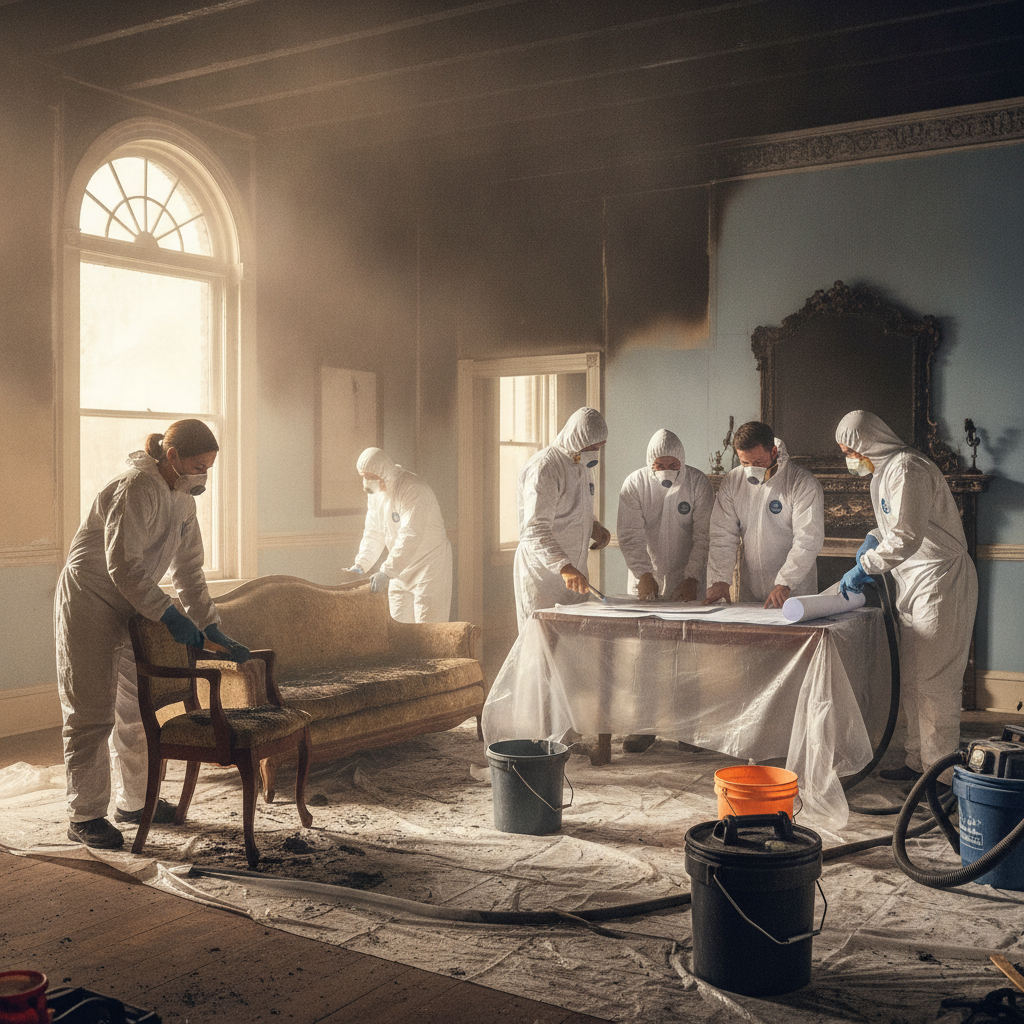
Fire cleanup is a multi-stage process that requires specialized knowledge and equipment. The first step involves removing debris and unsalvageable materials, such as burnt drywall, flooring, and insulation. Restoration teams use industrial vacuums and air scrubbers to eliminate loose soot and airborne particles, which can otherwise settle on surfaces and penetrate porous materials.
Soot removal is particularly challenging, as it can be acidic and cause further damage if not handled correctly. Professionals use HEPA-filtered vacuums, dry sponges, and chemical cleaners designed for different surfaces. Smoke odor is addressed with thermal fogging, ozone treatments, or hydroxyl generators, which neutralize lingering smells at the molecular level. Each step is carefully documented to ensure compliance with insurance requirements and industry standards.
Throughout the cleanup, safety remains a top priority. Technicians wear personal protective equipment (PPE) to guard against inhaling toxic particles and ensure proper ventilation in affected areas. The goal is to create a clean, safe environment that allows for accurate assessment of structural repairs and content restoration.
Understanding Structural Repairs and Reconstruction
Once the site is cleared of debris and contaminants, attention turns to repairing and rebuilding damaged structures. This phase may involve replacing framing, roofing, windows, and doors, as well as restoring electrical and plumbing systems. Restoration professionals work closely with engineers and local inspectors to ensure all repairs meet current safety codes and building standards.
In many cases, fire damage provides an opportunity to upgrade materials or improve layouts for better functionality and resilience. For commercial properties, this might include installing fire-resistant materials or enhancing accessibility. The reconstruction timeline depends on the extent of the damage, availability of materials, and complexity of the project. Throughout the process, clear communication with your restoration team helps manage expectations and keeps your recovery on track.
By investing in quality repairs and thoughtful upgrades, property owners can emerge from a fire with a space that is not only restored but also safer and more valuable for the future.
Salvaging and Restoring Personal Belongings
Personal belongings often carry immense sentimental and financial value. After a fire, restoration specialists assess each item to determine what can be cleaned, restored, or replaced. Items like clothing, electronics, documents, and furniture are sorted and treated with specialized techniques tailored to their material and level of exposure.
Ultrasonic cleaning, ozone treatments, and dry cleaning are commonly used to remove soot, smoke, and odors from salvageable items. Electronics may require decontamination and testing before being deemed safe for use. Important documents are carefully dried, cleaned, and digitized when possible to prevent permanent loss.
A detailed inventory is maintained throughout the process, helping you track what has been restored and what will be submitted for insurance claims. This organized approach not only maximizes recovery but also provides peace of mind during a stressful time.
Dealing With Water Damage After Fire Suppression
Water used to extinguish a fire can cause significant secondary damage if not addressed promptly. Standing water, soaked materials, and high humidity create ideal conditions for mold growth and structural deterioration. Restoration teams deploy industrial pumps, dehumidifiers, and air movers to extract water and dry affected areas as quickly as possible.
Moisture mapping tools help identify hidden pockets of water in walls, floors, and ceilings. Wet insulation and drywall are removed to prevent microbial growth, while salvageable materials are thoroughly dried and sanitized. Early intervention is key to minimizing long-term damage and reducing restoration costs.
By integrating water mitigation into the fire restoration process, property owners can protect their investment and ensure a safe, healthy environment for future occupants.
Navigating Insurance Claims and Documentation
Filing an insurance claim after a fire can be complex and time-consuming. Accurate documentation is essential for maximizing your settlement and expediting the process. Begin by compiling a detailed inventory of damaged property, supported by photos, videos, and receipts whenever possible. Keep records of all communications with your insurance provider, including claim numbers and adjuster contacts.
Restoration companies often assist with the documentation process, providing estimates, repair scopes, and progress reports. They can also help negotiate with adjusters to ensure all covered damages are addressed. Be proactive in following up on your claim and clarify any questions about coverage limits or exclusions.
Understanding your policy and maintaining organized records will help you navigate the claims process with confidence and minimize delays in your recovery.
Health and Safety Considerations During Restoration
The health and safety of occupants and workers are paramount during fire damage restoration. Soot, ash, and chemical residues can pose respiratory hazards, while structural instability may present physical risks. Restoration teams implement strict safety protocols, including the use of PPE, air quality monitoring, and containment barriers to prevent cross-contamination.
If you must visit the property during restoration, follow all safety guidelines provided by professionals. Limit time spent in affected areas and avoid disturbing debris or materials. For businesses, communicate clearly with employees about timelines and safety measures to ensure everyone remains informed and protected.
Prioritizing health and safety not only protects those involved but also supports a smoother, more effective restoration process.
Preventing Future Fire Risks and Improving Resilience
Recovering from a fire offers an opportunity to enhance your property’s resilience against future incidents. Consider upgrading to fire-resistant materials, installing modern smoke detectors, and developing an emergency response plan tailored to your building’s layout. Regular maintenance of electrical systems, heating equipment, and fire suppression tools can further reduce risk.
For businesses, employee training and clear evacuation protocols are essential. Homeowners should review insurance coverage annually to ensure adequate protection. Collaborate with local fire departments for safety inspections and community education initiatives.
By taking proactive steps, you not only safeguard your investment but also contribute to a safer, more resilient community for everyone.
Fire Restoration Timeline and What to Expect
| Restoration Phase | Typical Duration | Key Activities |
|---|---|---|
| Emergency Response | 0-48 hours | Securing property, initial assessment, utility shutoff |
| Damage Assessment | 2-5 days | Inspection, documentation, restoration planning |
| Cleanup & Mitigation | 1-2 weeks | Debris removal, soot and smoke cleanup, water extraction |
| Structural Repairs | 2-8 weeks | Rebuilding, material upgrades, safety inspections |
| Final Restoration | 1-3 weeks | Content cleaning, odor removal, final walkthrough |
Timelines vary depending on the severity of the fire, property size, and availability of materials. Working with an experienced restoration team helps keep the process efficient and transparent, so you know what to expect at every stage.
Bringing It Together
Recovering from a fire is a journey that demands patience, expertise, and a clear plan. By understanding the steps involved in fire damage restoration, from immediate response to rebuilding and prevention, you can take control of the process and make informed decisions for your property. Whether you are a business owner, developer, or resident, partnering with experienced professionals ensures your recovery is thorough, safe, and as stress-free as possible. Remember, each restoration is unique, but with the right support and knowledge, you can restore your space and move forward with confidence. Take proactive steps today to protect your property and strengthen your resilience for the future.