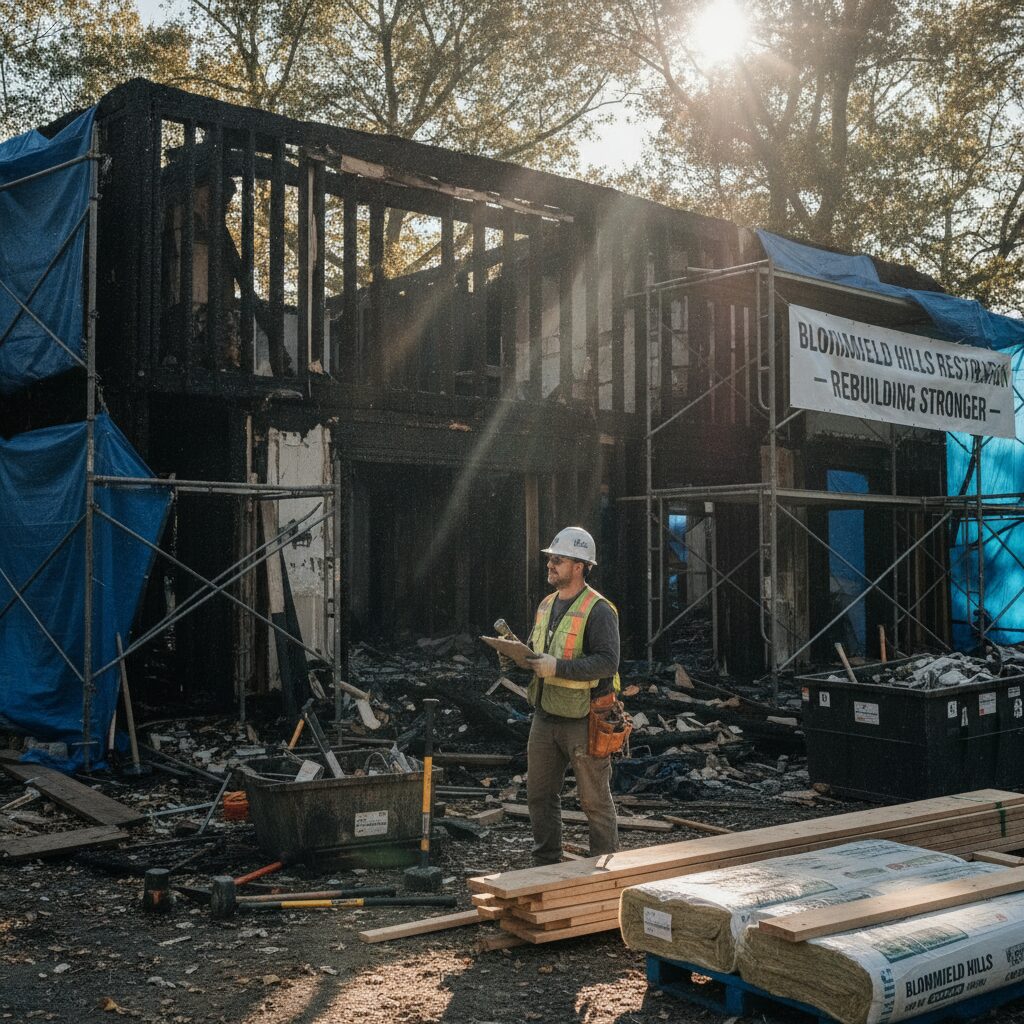
When fire strikes a property, the aftermath can feel overwhelming. Charred beams, weakened floors, and smoke-stained walls are just the beginning of the challenges property owners face. For small business owners, developers, and residents in the area, understanding the process of fire damage restoration is crucial to reclaiming their investments and restoring safety. Fire Damage Restoration Bloomfield Hills is more than just cleaning up soot, it’s a comprehensive journey that involves expert assessment, careful demolition, and precise rebuilding. This article explores the essential structural repairs that bring properties back to life after a fire, highlighting the steps, materials, and local expertise needed to ensure both safety and value are fully restored. Whether you’re navigating insurance claims or planning a resilient rebuild, this guide will help you understand what to expect and how to make informed decisions every step of the way.
Assessing the Full Extent of Fire Damage
The first step in any fire damage restoration project is a thorough assessment of the property. This goes far beyond what’s visible to the naked eye. Professionals carefully evaluate the integrity of load-bearing walls, floor joists, and roof structures. Hidden damage, such as heat-compromised steel supports or weakened concrete, often lurks beneath the surface. Advanced tools like moisture meters and thermal imaging cameras help uncover issues that could threaten the building’s stability if left unaddressed.
An experienced restoration team will also check for secondary damage caused by firefighting efforts, such as water saturation and chemical residues. This comprehensive assessment forms the blueprint for all subsequent repairs, ensuring nothing is missed and every safety concern is addressed. For property owners, this stage is critical, it sets the foundation for a safe and successful recovery.
Choosing a reputable local contractor is essential. Companies like Bloomfield Construction bring deep knowledge of regional building codes and the unique challenges faced by properties in this community. Their expertise ensures not only a thorough assessment but also a restoration plan tailored to the specific needs of each building.
Demolition and Debris Removal for a Safe Start
Once the damage has been fully assessed, the next step is selective demolition and debris removal. This stage is about more than just clearing out the obvious mess. Skilled crews carefully dismantle unstable structures, remove hazardous materials, and isolate areas that can be salvaged. The goal is to create a safe, clean slate for rebuilding while protecting any parts of the property that remain structurally sound.
Debris removal must be handled with care, especially when dealing with hazardous substances like asbestos, lead paint, or lingering smoke particulates. Specialized equipment and protective gear are used to minimize health risks for workers and future occupants. In many cases, restoration teams will also set up containment barriers and negative air machines to prevent contaminants from spreading to unaffected areas.
A crucial aspect of this phase is addressing smoke odor and residue. For a deeper look at how professionals tackle persistent smells, check out How Smoke Odor Is Eliminated During Fire Restoration in Bloomfield Hills. This resource offers insight into advanced deodorization techniques and the importance of thorough cleaning before reconstruction begins.
Identifying and Addressing Hidden Structural Hazards
Fire can cause more than just visible destruction, it often creates hidden hazards that threaten the long-term safety of a building. These can include compromised electrical wiring, weakened support beams, or even toxic residues trapped within wall cavities. Restoration experts use a combination of visual inspection and advanced diagnostic tools to uncover these dangers.
In some cases, the heat from a fire can alter the molecular structure of building materials, making them brittle or less fire-resistant. Electrical systems may need to be completely rewired, and plumbing lines checked for leaks or warping. Mold growth is another concern, especially in areas saturated by firefighting water but not immediately dried. Addressing these hidden issues is essential for both safety and compliance with local building codes.
For a comprehensive overview of the risks that can linger after a fire, see Understanding the Hidden Hazards After Fire Damage in Bloomfield Hills. This guide highlights the importance of thorough inspections and proactive mitigation in preventing future problems.
Reinforcing Foundations and Load-Bearing Structures
After demolition and hazard mitigation, attention turns to the property’s foundation and load-bearing elements. Fire can cause concrete to spall, steel to lose its strength, and wooden beams to char or warp. Restoration teams must carefully evaluate each structural component, replacing or reinforcing as needed to restore the building’s integrity.
Common repairs include pouring new concrete footings, installing steel reinforcement plates, and replacing damaged joists or beams. In some cases, advanced techniques like carbon fiber wrapping are used to strengthen existing structures without the need for complete replacement. These solutions not only restore safety but also help preserve as much of the original building as possible, which can be especially important for historic properties or those with unique architectural features.
Throughout this process, strict adherence to local building codes and engineering standards is essential. Inspections by licensed professionals ensure that every repair meets or exceeds safety requirements, giving property owners peace of mind as the project moves forward.
Restoring Walls, Floors, and Ceilings to Pre-Fire Condition
Once the core structure is secure, restoration teams begin the process of rebuilding interior walls, floors, and ceilings. This stage is about more than just aesthetics, it’s crucial for creating a safe, comfortable, and functional environment. Damaged drywall, insulation, and flooring materials are removed and replaced with new, code-compliant products.
Special attention is given to fire-resistant materials during reconstruction. Modern fire-rated drywall, mineral wool insulation, and non-combustible flooring can all help improve a building’s resilience to future incidents. In commercial properties, teams may also install fire barriers and rated assemblies to meet insurance and regulatory requirements.
The finishing touches, painting, trim work, and flooring installation, bring the space back to life. This stage is often the most rewarding for property owners, as it marks the transition from recovery to renewal. With careful planning and skilled craftsmanship, even spaces that seemed beyond repair can be transformed into vibrant, welcoming environments once again.
Modern Materials and Techniques for Lasting Repairs
The field of fire damage restoration has evolved significantly in recent years, with new materials and repair techniques offering greater durability and efficiency. For example, engineered lumber products are often used to replace traditional wood beams, providing superior strength and fire resistance. Similarly, advanced sealants and coatings can help protect surfaces from moisture intrusion and future damage.
Spray foam insulation, fire-rated caulking, and intumescent paints are just a few of the innovations now commonly used in fire restoration projects. These products not only meet modern safety standards but also contribute to better energy efficiency and indoor air quality. Restoration professionals stay up to date with the latest building science to ensure every repair is both safe and sustainable.
For property owners, investing in modern materials can offer long-term peace of mind. Not only do these solutions help prevent future fire damage, but they can also enhance the value and comfort of the property for years to come.
Coordinating with Insurance and Local Regulations
Navigating insurance claims and regulatory requirements is often one of the most complex aspects of fire damage restoration. Insurance adjusters will want detailed documentation of all damages, repairs, and replacement costs. Restoration professionals work closely with property owners to provide accurate estimates, photographs, and reports that support the claim process.
Local building codes may require upgrades or modifications during the restoration process. For example, properties may need to add smoke detectors, upgrade electrical systems, or install fire barriers to comply with current standards. Experienced contractors are familiar with these requirements and can guide owners through the permitting and inspection process.
Clear communication between all parties, owners, insurers, contractors, and inspectors, is key to avoiding delays and ensuring a smooth recovery. By staying organized and proactive, property owners can minimize stress and maximize the chances of a successful, code-compliant restoration.
Table: Common Structural Repairs After Fire Damage
| Repair Type | Description | Typical Materials Used |
|---|---|---|
| Beam Replacement | Replacing charred or weakened structural beams to restore load-bearing capacity. | Engineered lumber, steel, treated wood |
| Foundation Repair | Repairing or reinforcing concrete footings and slabs damaged by heat or water. | Concrete, steel rebar, epoxy |
| Wall Framing | Rebuilding interior and exterior wall structures compromised by fire. | Dimensional lumber, metal studs |
| Roof Structure | Repairing or replacing trusses and rafters to ensure roof stability. | Engineered trusses, plywood, steel |
| Floor Joists | Replacing or reinforcing floor supports affected by fire or water. | Engineered wood, steel plates |
The Role of Skilled Trades in Quality Restoration
Restoring a fire-damaged property requires the coordinated efforts of many skilled trades. Carpenters, masons, electricians, plumbers, and HVAC technicians all play vital roles in bringing a building back to life. Each trade brings specialized knowledge and techniques to address the unique challenges posed by fire damage.
For example, electricians must ensure that all wiring meets current safety standards, often replacing entire circuits to eliminate fire risks. Masons may need to repair or rebuild brick and stonework, while carpenters focus on framing and finish work. The collaboration between these professionals ensures that every aspect of the property is restored to a high standard of quality and safety.
Property owners benefit from working with restoration companies that have established relationships with reliable local trades. This not only streamlines the repair process but also ensures accountability and consistent workmanship throughout the project.
Preventing Future Fire Risks During Restoration
A key opportunity during fire damage restoration is to improve the property’s resilience to future incidents. This can include upgrading to fire-resistant materials, improving detection and suppression systems, and eliminating potential hazards such as outdated wiring or combustible finishes.
Restoration professionals may recommend installing hardwired smoke detectors, fire-rated doors, and sprinkler systems where appropriate. For commercial properties, enhanced fire barriers and compartmentalization can help contain future fires and protect occupants. Even simple upgrades, like using non-combustible insulation or fire-retardant paints, can make a significant difference in safety.
By taking a proactive approach during the restoration process, property owners can reduce insurance premiums, increase property value, and most importantly, provide a safer environment for everyone who enters the building.
Restoring Historic and Specialty Properties
Restoring historic or architecturally unique properties after a fire presents additional challenges. These buildings often feature materials and construction techniques that are no longer standard, requiring specialized skills and a sensitive approach. Preservation of original features, such as ornate woodwork, stone facades, or stained glass, is a top priority for many owners.
Restoration teams may work with preservation architects and artisans to replicate damaged elements using traditional methods. In some cases, salvaged materials are carefully cleaned and reintegrated into the building. Modern fire-resistant upgrades are discreetly incorporated to enhance safety without compromising the property’s character.
For owners of historic properties, working with a restoration company experienced in preservation can make all the difference. The goal is not just to rebuild, but to honor the history and craftsmanship that make these structures special.
Community Support and Local Resources
Recovering from a fire is never a solo journey. Local support networks, including restoration professionals, municipal agencies, and community organizations, play a vital role in helping property owners rebuild. In this city, neighbors often come together to provide temporary shelter, resources, and emotional support during the recovery process.
Local governments may offer guidance on permitting, inspections, and available grants or low-interest loans for rebuilding. Restoration companies can connect owners with trusted vendors and specialists, ensuring access to the best materials and services. By tapping into these resources, property owners can navigate the restoration process more smoothly and confidently.
The strength of the community is often most visible in times of adversity. By working together, residents and professionals help ensure that every property restored after a fire contributes to the ongoing vitality and resilience of the neighborhood.
Final Thoughts
Rebuilding after a fire is a complex, multi-stage process that demands expertise, patience, and careful planning. From the initial assessment to the final coat of paint, every step matters in restoring both the safety and value of a property. By understanding the stages of fire damage restoration and working with experienced local professionals, property owners can turn devastation into opportunity, creating spaces that are stronger, safer, and more resilient than ever before. Whether you’re a business owner, developer, or resident, investing in quality repairs today ensures your property will stand the test of time and serve the community for years to come.