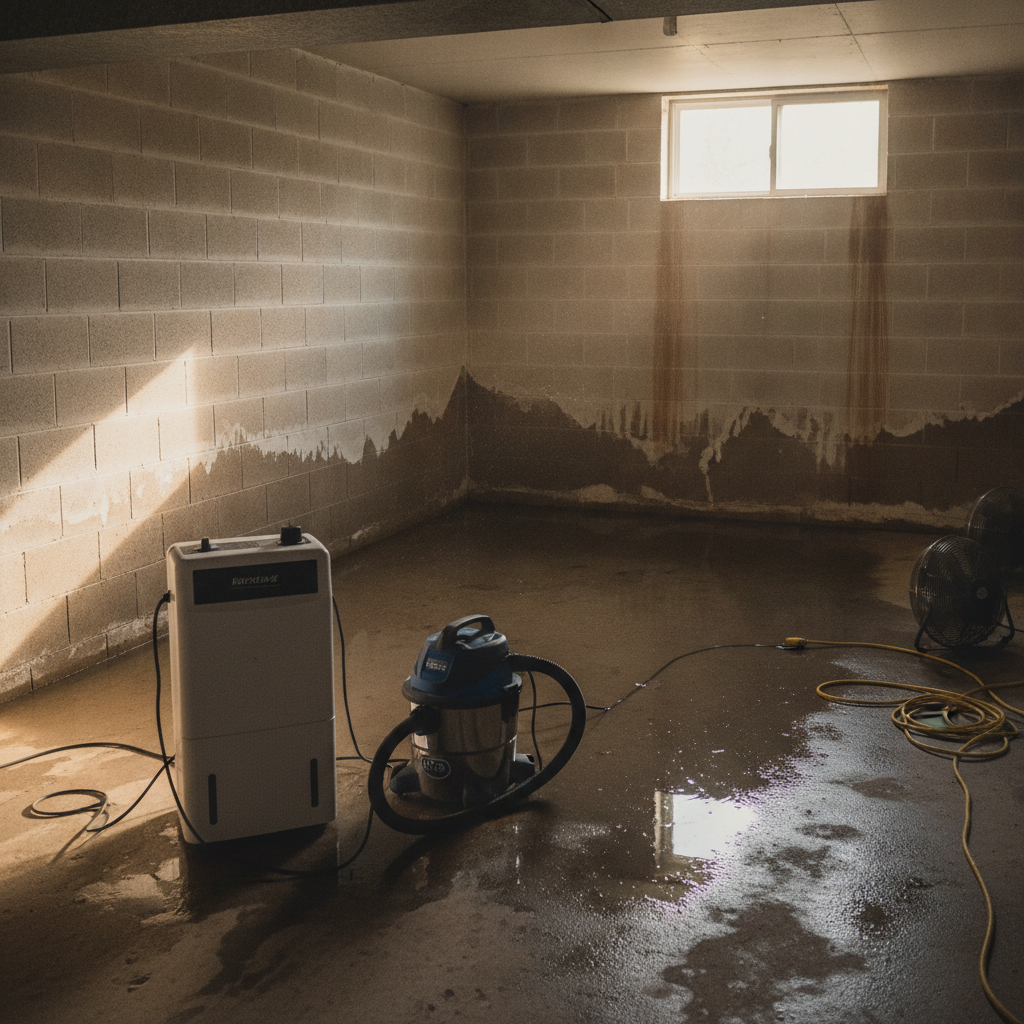
Water damage can strike unexpectedly, leaving property owners and businesses scrambling to address costly repairs and restoration. Whether it’s a burst pipe, flooding, or a slow leak, understanding the water damage cost is crucial for making informed decisions. In this comprehensive guide, we’ll break down what drives restoration expenses, what you can expect to pay, and how to navigate the process efficiently. We’ll also look at local factors, insurance considerations, and tips for reducing your overall costs. If you’re a small business owner, developer, or simply a concerned resident, this guide will help you prepare for the financial realities of water damage restoration and ensure you’re equipped to protect your property and your wallet. Let’s explore the real costs, the key steps, and the expert advice you need to manage water damage restoration with confidence.
Understanding Water Damage Cost in the Area
Water damage cost is a topic that often catches property owners off guard. Many underestimate the complexity and expense involved in restoring a space after water intrusion. The cost can vary widely depending on the extent of the damage, the type of water involved, and the speed with which mitigation begins. In the area, restoration professionals consider several factors when providing estimates, including the size of the affected space, the materials impacted, and the presence of mold or structural issues.
For example, a minor leak that affects only a small section of drywall might be resolved for a few hundred dollars, while extensive flooding from a storm or broken main can push costs into the thousands. Labor, equipment, and materials all contribute to the final bill. The sooner you address water damage, the less likely you are to face secondary problems like mold growth or compromised foundations, which can dramatically increase costs.
It’s also important to consider the type of water involved. Clean water from a supply line is less expensive to remediate than gray water from appliances or black water from sewage backups. Each category requires different safety protocols and restoration techniques, which are reflected in the overall water damage cost. If you want to see examples of restoration projects and their outcomes, check out Water damage restoration cost Bloomfield Hills for detailed case studies and before-and-after photos.
Ultimately, understanding the variables that impact water damage cost empowers you to act quickly and make the best choices for your property. By being proactive and informed, you can minimize both the disruption and the expense of water damage restoration in this community.
Water Damage Cost Breakdown in Bloomfield Hills, MI
When it comes to water damage cost, knowing the typical breakdown helps you budget and plan effectively. In Bloomfield Hills, MI, restoration companies typically assess the situation by first determining the source and category of water, then evaluating the extent of the damage. The cost structure often includes emergency response, water extraction, drying and dehumidification, cleaning and sanitizing, and finally, repair and reconstruction.
Here’s a closer look at what you might expect:
- Emergency response fees: These cover the cost of rapid deployment and initial assessment, usually ranging from $100 to $500 depending on the time of day and severity.
- Water extraction: Removing standing water is critical and typically costs $2–$5 per square foot.
- Drying and dehumidification: Industrial equipment is used to dry out the space, with costs ranging from $200 to $1,000 or more depending on the size of the area and the length of time required.
- Cleaning and sanitizing: This step ensures that bacteria, mold, and contaminants are eliminated, costing $1–$4 per square foot.
- Repair and reconstruction: Replacing drywall, flooring, or other materials can be the most expensive part, with costs varying greatly depending on the materials and extent of the damage.
For those seeking a professional assessment or quote for their property, local experts can provide tailored solutions. If you need immediate help, consider reaching out for water mitigation services that can quickly address the problem and prevent further damage.
Understanding these cost components allows property owners to anticipate expenses and prioritize the most urgent repairs. It’s always wise to get multiple quotes and ensure that all necessary steps are included in the estimate to avoid surprises later on.
Average Water Damage Cost in Bloomfield Hills, Michigan
Calculating the average water damage cost in Bloomfield Hills, Michigan, can be challenging due to the wide range of scenarios that property owners face. However, industry data and local reports provide some benchmarks. On average, minor water damage restoration in the region might cost between $1,200 and $2,500. More extensive damage, such as that caused by flooding or sewage backup, can range from $5,000 to $15,000 or more.
Several factors influence where your project might fall on this spectrum. The size of the affected area, the materials involved, and the speed of response all play a role. For example, hardwood floors require specialized drying and may need to be replaced if the water is not removed quickly, increasing the total cost. Mold remediation, if necessary, can add several thousand dollars to your final bill.
It’s also worth noting that insurance coverage varies. Some policies cover only sudden and accidental water damage, while others may exclude certain types of flooding or gradual leaks. Always review your policy details and consult with your provider to understand what’s covered and what isn’t.
For personalized guidance and to connect with a trusted local restoration company, you can contact Bloomfield Construction for expert advice and support tailored to your situation.
By understanding the average water damage cost in this city, you can better prepare for the unexpected and make informed decisions about restoration and prevention.
Key Factors That Influence Water Damage Cost
Several critical factors determine the final water damage cost for any restoration project. The first is the source and category of water. Clean water from a supply line is less hazardous and less expensive to remediate than contaminated water from a sewer backup. The category of water directly impacts the safety measures required, the type of cleaning agents used, and the disposal process for damaged materials.
The second major factor is the speed of response. The longer water sits, the more damage it causes. Timely intervention can mean the difference between salvaging materials and needing full replacements. For example, carpets and drywall can often be saved if dried within 24-48 hours, but after that, mold and structural issues may arise, increasing costs significantly.
The size and layout of the affected area also play a role. Open spaces are easier and faster to dry, while water that seeps into crawl spaces, behind walls, or under floors requires more labor and specialized equipment. The type of building materials, such as hardwood, laminate, or tile, affects both the restoration process and the final bill.
Finally, local labor rates and the availability of restoration professionals can influence water damage cost. In some cases, high demand after a major storm or flood event can drive up prices due to limited resources. To find a reputable provider in your area, check out Bloomfield Construction for local expertise and prompt service.
By understanding these key factors, property owners can better anticipate restoration expenses and take proactive steps to minimize costs when water damage occurs.
Types of Water Damage and Their Impact on Cost
Not all water damage is created equal. The type of water involved in an incident plays a significant role in determining the water damage cost. Restoration professionals classify water damage into three main categories:
- Category 1: Clean Water – Originates from a sanitary source, such as a broken supply line or faucet. This type is the least expensive to remediate because it poses minimal health risks.
- Category 2: Gray Water – Contains some contaminants from appliances, showers, or washing machines. Cleanup is more complex and may require additional safety measures, increasing costs.
- Category 3: Black Water – Highly contaminated water from sewage, flooding, or storm surges. Restoration is extensive, often requiring removal of affected materials and deep cleaning, resulting in the highest costs.
The longer contaminated water remains in a building, the more likely it is to cause secondary damage, such as mold growth or structural decay. These complications can significantly increase the overall water damage cost. It’s crucial to act quickly and consult professionals to assess the type of water and determine the safest and most cost-effective restoration approach.
Understanding the category of water involved in your situation will help you set realistic expectations for both the restoration process and the final bill.
How Water Damage Cost Is Calculated
Restoration companies use several methods to calculate water damage cost. The most common approach is to assess the square footage of the affected area, the type of materials involved, and the category of water. Labor, equipment rental, and materials are factored into the estimate, along with any necessary demolition or reconstruction.
Here’s a simplified example of how costs might be calculated:
| Service | Average Cost |
|---|---|
| Water Extraction | $2–$5 per sq. ft. |
| Drying & Dehumidification | $200–$1,000+ |
| Cleaning & Sanitizing | $1–$4 per sq. ft. |
| Mold Remediation | $500–$6,000+ |
| Repairs & Reconstruction | Varies ($1,000–$10,000+) |
Keep in mind that these are average figures. Your actual water damage cost may be higher or lower depending on the specifics of your situation. Always request a detailed written estimate before work begins, and ask for clarification on any items you don’t understand. Transparent pricing and clear communication are essential for a successful restoration project.
Insurance and Water Damage Cost
Insurance coverage is a major consideration when facing water damage restoration. Many property owners assume their policy will cover all water-related incidents, but the reality is more nuanced. Most standard policies cover sudden and accidental water damage, such as a burst pipe, but may exclude gradual leaks, groundwater intrusion, or flooding from natural disasters.
To determine your coverage, review your policy documents and contact your insurance agent. Ask specific questions about the types of water damage that are included and any exclusions that may apply. It’s also important to understand your deductible and any coverage limits. Some policies require additional riders or endorsements for full protection against certain types of water damage.
When filing a claim, document the damage thoroughly with photos and written descriptions. Keep all receipts and invoices related to restoration work, as these will be needed for reimbursement. Prompt communication with your insurer can help expedite the claims process and ensure you receive the maximum benefit available under your policy.
Understanding how insurance interacts with water damage cost can save you significant money and stress during a restoration project. Don’t wait until disaster strikes, review your coverage today and make any necessary adjustments to protect your property.
Preventing Water Damage and Reducing Costs
The most effective way to manage water damage cost is to prevent incidents before they occur. Routine maintenance and early detection are your best defenses. Inspect plumbing systems regularly for leaks, corrosion, or loose fittings. Install water alarms in vulnerable areas such as basements, laundry rooms, and near water heaters. These devices can alert you to leaks before they cause significant damage.
Proper drainage around your property is also essential. Ensure gutters and downspouts are clear of debris and direct water away from the foundation. Landscaping should slope away from the building to prevent pooling near the structure. In areas prone to flooding, consider installing sump pumps and backflow valves for additional protection.
Promptly addressing small leaks or water stains can prevent larger, more expensive problems down the line. If you notice musty odors, warped flooring, or peeling paint, investigate immediately to rule out hidden water damage. Early intervention can mean the difference between a minor repair and a major restoration project.
By investing in preventive measures and staying vigilant, property owners can significantly reduce their risk of costly water damage and keep restoration expenses manageable.
Choosing the Right Restoration Partner
Selecting a qualified restoration company is a crucial step in managing water damage cost. Look for providers with certified technicians, transparent pricing, and a track record of successful projects. Ask for references and read reviews from other property owners in the neighborhood to gauge reliability and quality of service.
A reputable company will provide a detailed estimate, explain the restoration process, and answer your questions clearly. They should be licensed and insured, with experience handling the specific type of water damage you’re facing. Don’t be afraid to ask about their equipment, response times, and guarantees on workmanship.
Communication is key throughout the project. Choose a restoration partner who keeps you informed at every stage and is responsive to your concerns. This level of professionalism not only ensures a smooth restoration but also helps control costs by avoiding unnecessary delays or misunderstandings.
By doing your due diligence and partnering with a trusted restoration expert, you can navigate the challenges of water damage restoration with confidence and peace of mind.
Tips for Managing Water Damage Cost
Managing water damage cost effectively requires a combination of preparation, quick action, and informed decision-making. Here are some practical tips to help you keep expenses under control:
- Act fast: The sooner you address water damage, the less expensive the restoration will be. Delays can lead to mold growth and structural issues.
- Document everything: Take photos and keep detailed records of the damage and all restoration work. This is essential for insurance claims and disputes.
- Get multiple quotes: Don’t settle for the first estimate you receive. Compare services and pricing to ensure you’re getting fair value.
- Work with your insurer: Communicate promptly and provide all necessary documentation to speed up the claims process and maximize your reimbursement.
- Invest in prevention: Regular maintenance and upgrades can prevent costly incidents and reduce your long-term expenses.
By following these tips, property owners can minimize the financial impact of water damage and ensure a smoother, more cost-effective restoration process.
The Bottom Line
Water damage can be a stressful and costly event, but understanding the factors that influence water damage cost can help you navigate the process with greater confidence. By learning what drives restoration expenses, how insurance interacts with claims, and the importance of prevention, you can make informed decisions that protect your property and your finances.
Remember, quick action and choosing the right restoration partner are key to minimizing both disruption and expense. Stay proactive with maintenance, review your insurance coverage, and don’t hesitate to seek professional guidance when needed. With the right approach, you can turn a challenging situation into an opportunity to safeguard your investment and ensure your property remains safe and sound for years to come.