Water damage can strike at any time, leaving property owners scrambling to protect their investments and restore normalcy. Whether you’re a small business owner, a developer, or simply a resident in the area, understanding the essentials of water damage restoration is crucial. Water intrusion doesn’t just ruin surfaces, it can compromise structural integrity, foster mold growth, and disrupt daily operations. Acting quickly and knowing the right solutions can make all the difference between a swift recovery and long-term headaches. In this comprehensive guide, we’ll explore top water damage restoration solutions, expert tips, and local resources to help you navigate emergencies with confidence. From the initial assessment to advanced drying techniques and preventative measures, you’ll discover what it takes to restore your property efficiently and minimize future risks. Let’s dive into the world of water damage restoration so you can be prepared for whatever comes your way.
Water Damage Restoration Solutions in the Area
When water damage occurs, immediate action is essential to limit the extent of the destruction. Water damage restoration is a multi-step process that begins with a thorough assessment of the affected property. Restoration professionals use specialized equipment to detect hidden moisture and determine the scope of the problem. Once the assessment is complete, they move quickly to extract standing water using high-powered pumps and vacuums. This step is critical for preventing further damage to floors, walls, and personal property.
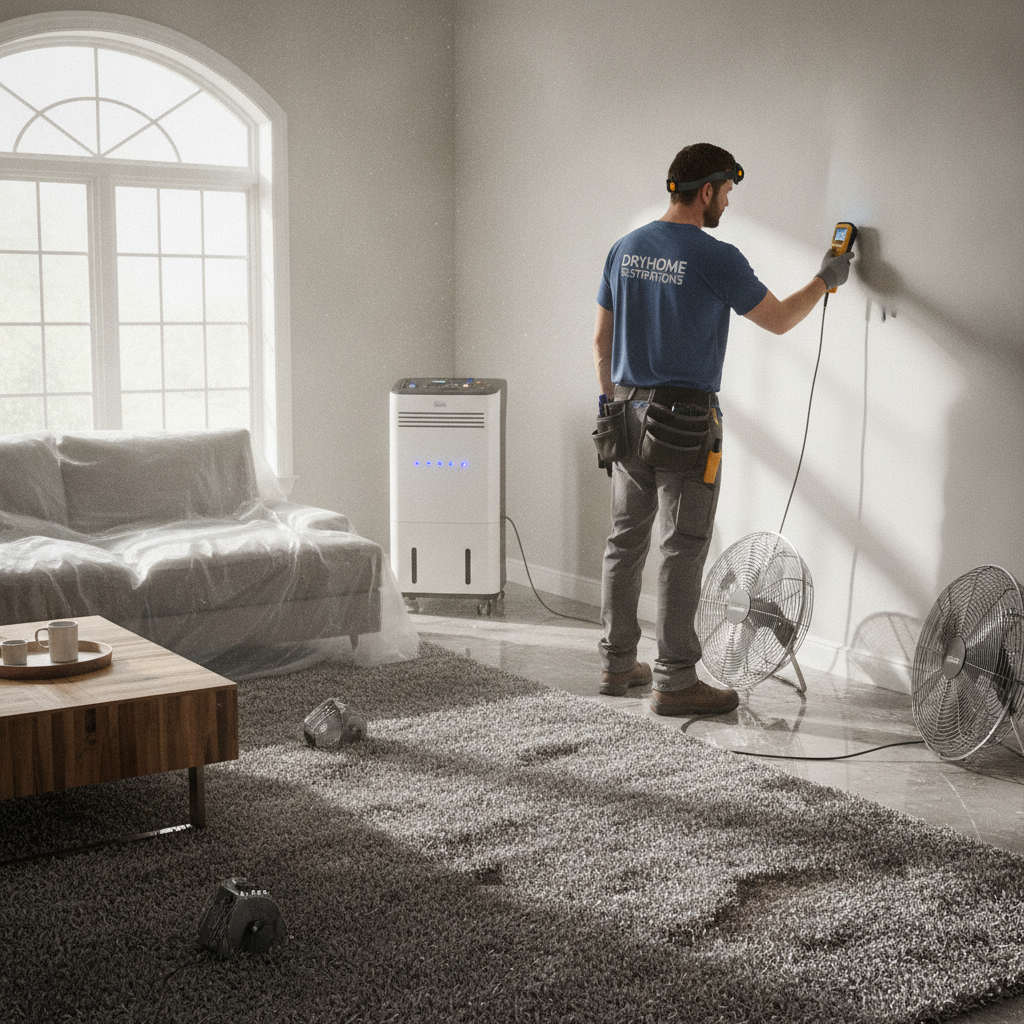
After water removal, the drying and dehumidification process begins. Industrial-grade air movers and dehumidifiers are strategically placed to draw out moisture from building materials. This step can take several days, depending on the severity of the water intrusion. Throughout the process, technicians monitor moisture levels to ensure complete drying and reduce the risk of mold growth.
Sanitization and cleaning follow, targeting bacteria and contaminants that may have entered with the water. Restoration teams use antimicrobial treatments and advanced cleaning methods to ensure a safe, healthy environment. Finally, repairs and reconstruction restore the property to its pre-damage condition, whether that means replacing drywall, refinishing floors, or repainting surfaces. For a closer look at real-world restoration projects and their outcomes, explore examples of water damage solutions handled by local professionals.
Water Damage Restoration Bloomfield Hills MI
For property owners in this community, water damage restoration is not just about fixing what’s visible. It’s about safeguarding your investment and ensuring the safety of everyone who enters your building. Local experts understand the unique challenges posed by the region’s climate, which can range from heavy rains to rapid snowmelt. These weather patterns often lead to flooded basements, leaking roofs, and burst pipes, all of which require prompt, professional intervention.
A comprehensive water damage restoration plan typically includes an emergency response team available 24/7, ready to assess the situation and begin mitigation efforts immediately. These teams are trained to handle everything from minor leaks to major flooding, using state-of-the-art technology to track moisture and prevent secondary damage. The restoration process also involves clear communication with property owners, providing updates and guidance every step of the way.
If you’re facing a water emergency in the neighborhood, don’t wait, quick action is the key to minimizing costs and downtime. For tailored solutions and a fast response, request a quote for Water Damage Restoration Bloomfield Hills and connect with professionals who understand the local landscape.
Water Damage Restoration Bloomfield Hills Michigan
The process of water damage restoration in this city involves more than just drying out a space. It requires a deep understanding of construction materials, local building codes, and the latest restoration technologies. Certified technicians undergo rigorous training to identify hidden water pockets, assess structural risks, and implement the most effective drying strategies. Their expertise is especially valuable in commercial settings, where downtime can impact business operations and revenue.
One of the most important aspects of water damage restoration is documentation. Restoration teams carefully record every step of the process, from initial assessment through final repairs. This documentation is essential for insurance claims, helping property owners secure the compensation they deserve. Detailed records also provide peace of mind, ensuring that every potential issue has been addressed before the restoration is considered complete.
If you need to speak with a local restoration expert or have questions about your specific situation, don’t hesitate to visit our site for personalized assistance. Fast, effective water damage restoration is just a click away.
Choosing the Right Water Damage Restoration Partner
Selecting a reliable water damage restoration provider is one of the most important decisions you’ll make after a water emergency. The right partner will not only restore your property but also guide you through the entire process, from initial assessment to final repairs. Look for companies with a proven track record, industry certifications, and positive reviews from local residents and businesses.
Transparency is key, your restoration partner should provide clear estimates, detailed timelines, and open communication. Ask about their experience with similar projects and their approach to handling insurance claims. A reputable company will also offer ongoing support, helping you implement preventative measures to reduce the risk of future water damage.
For those seeking a trusted provider in the region, Bloomfield Construction stands out for its commitment to quality and customer satisfaction. Their team brings years of experience and a deep understanding of local needs, ensuring your property is in good hands.
Understanding the Water Damage Restoration Process
Water damage restoration is a structured process designed to return your property to its pre-loss condition as quickly and efficiently as possible. The process typically unfolds in several key stages:
- Assessment and Inspection: Restoration specialists evaluate the extent of the damage and identify affected areas using moisture meters and thermal imaging.
- Water Extraction: High-powered pumps and vacuums remove standing water from floors, carpets, and other surfaces.
- Drying and Dehumidification: Industrial air movers and dehumidifiers eliminate residual moisture from building materials.
- Cleaning and Sanitizing: Specialized cleaning agents and antimicrobial treatments are used to disinfect surfaces and prevent mold growth.
- Restoration and Repairs: Damaged materials are repaired or replaced, including drywall, flooring, and paint.
Each stage is critical for ensuring a successful outcome. Skipping steps or rushing the process can lead to lingering issues, such as hidden mold or structural weaknesses. Professional restoration teams follow industry best practices and use advanced technology to ensure every detail is addressed.
Common Causes of Water Damage
Understanding what causes water damage is essential for prevention and rapid response. The most common sources include:
- Burst or leaking pipes, often due to freezing temperatures or aging infrastructure
- Roof leaks caused by damaged shingles or clogged gutters
- Flooding from heavy rainfall or rapid snowmelt
- Appliance malfunctions, such as washing machines, dishwashers, or water heaters
- Sewage backups, which can introduce hazardous contaminants
By identifying potential risks in your property, you can take proactive steps to reduce the likelihood of water damage. Regular maintenance, timely repairs, and installing water detection devices are all effective strategies for keeping your space safe and dry.
The Importance of Immediate Action
Time is of the essence when it comes to water damage restoration. The longer water sits, the greater the risk of permanent damage to building materials and personal belongings. Mold can begin to develop within 24 to 48 hours, posing health risks and complicating the restoration process.
Immediate action helps limit the spread of water and reduces the overall cost of repairs. Property owners should shut off the water source if possible, remove valuables from affected areas, and contact a professional restoration team right away. Quick response teams are equipped to handle emergencies at any hour, ensuring that mitigation efforts begin as soon as possible.
By acting fast, you can save time, money, and stress, while protecting the health and safety of everyone on the premises. Remember, the sooner you begin the water damage restoration process, the better your chances of a full recovery.
Preventing Future Water Damage
Prevention is always better than cure, especially when it comes to water damage. Regular inspections and maintenance can help identify vulnerabilities before they become major issues. Here are some practical tips for preventing water damage in your property:
- Inspect plumbing systems regularly for leaks or corrosion
- Clean gutters and downspouts to ensure proper drainage
- Install sump pumps in basements to manage excess water
- Seal windows and doors to prevent water intrusion during storms
- Consider water detection alarms for early warning of leaks
By implementing these strategies, you can significantly reduce the risk of water damage and protect your investment for years to come. Preventative measures are especially important for business owners, who may face costly interruptions if water damage occurs.
Table: Water Damage Restoration Steps and Timeline
| Step | Description | Typical Duration |
|---|---|---|
| Assessment & Inspection | Evaluate damage, identify affected areas | 1-2 hours |
| Water Extraction | Remove standing water | Several hours |
| Drying & Dehumidification | Dry building materials, monitor moisture | 2-5 days |
| Cleaning & Sanitizing | Disinfect, remove contaminants | 1-2 days |
| Restoration & Repairs | Repair or replace damaged materials | Several days to weeks |
This table offers a quick overview of the typical steps involved in water damage restoration and the expected timeline for each phase. Actual durations may vary depending on the size and complexity of the project.
Insurance Considerations for Water Damage Restoration
Navigating insurance claims can be one of the most challenging aspects of water damage restoration. It’s important to understand what your policy covers and what documentation is required for a successful claim. Most policies cover sudden and accidental water damage, such as burst pipes or appliance failures, but may exclude gradual leaks or flooding from natural disasters unless you have additional coverage.
Restoration professionals can assist with the claims process by providing detailed reports, photographs, and itemized estimates. This documentation helps support your claim and ensures you receive fair compensation for repairs and losses. Be sure to contact your insurance provider as soon as possible after discovering water damage and keep records of all communications and expenses.
Understanding your policy and working closely with your restoration team can help streamline the process and reduce stress during a difficult time.
Mold Risks and Remediation After Water Damage
One of the most serious risks associated with water damage is the potential for mold growth. Mold can begin to develop within 24 to 48 hours of water exposure, especially in hidden or poorly ventilated areas. Mold not only damages building materials but can also pose significant health risks, particularly for individuals with respiratory issues or allergies.
Effective water damage restoration includes thorough drying and the use of antimicrobial treatments to prevent mold colonization. If mold is discovered, specialized remediation techniques are required to safely remove it and restore indoor air quality. This may involve removing contaminated materials, using HEPA filtration, and applying mold-inhibiting products.
Regular inspections and prompt attention to leaks or moisture problems are the best ways to prevent mold after water damage. If you suspect mold in your property, contact a certified remediation specialist for an assessment and tailored solution.
Final Thoughts
Water damage restoration is a complex but essential process for property owners in the region. By understanding the steps involved, acting quickly, and partnering with experienced professionals, you can minimize damage and restore your property efficiently. Remember to prioritize prevention, stay informed about your insurance coverage, and maintain regular inspections. Whether you’re a business owner, developer, or resident, being prepared for water emergencies is the best way to protect your investment and ensure peace of mind. Stay proactive, and you’ll be ready to tackle any water damage challenge that comes your way.