Water damage can strike at any time, causing stress and uncertainty for property owners. Whether you’re a small business owner, a developer, or a resident, understanding the ins and outs of water damage restoration is crucial for protecting your investment and peace of mind. Water Damage Restoration Bloomfield Hills MI is a topic that deserves attention, as the region’s climate and infrastructure can make properties vulnerable to leaks, floods, and plumbing mishaps. In this comprehensive guide, we’ll break down the top 10 must-know facts about water damage restoration, providing you with actionable insights, local context, and expert advice. If you’ve ever wondered how to respond to a water emergency, what steps professionals take, or how to prevent future issues, you’ll find the answers here. Let’s dive into what every property owner in this community should know to stay prepared and resilient.
Water Damage Restoration in Bloomfield Hills
When water damage happens, time is of the essence. The sooner you act, the better your chances of minimizing long-term damage and restoration costs. Water Damage Restoration Bloomfield Hills MI is not just about drying out wet carpets or wiping down surfaces. It involves a systematic approach that starts with a thorough assessment, followed by water extraction, drying, cleaning, and restoration of affected areas. In the area, restoration professionals are trained to respond quickly, utilizing advanced equipment and proven techniques to restore properties efficiently.
It’s important to understand that water damage can be deceptive. Even if surfaces appear dry, moisture can linger behind walls, under floors, or in ceilings, leading to mold growth and structural issues. That’s why professional restoration teams use moisture meters and thermal imaging cameras to detect hidden water. Acting promptly also helps preserve valuable documents, electronics, and furniture, reducing the overall loss.
For local property owners, choosing a reputable restoration company is key. Look for certified technicians, transparent pricing, and a strong track record in the neighborhood. One trusted name in the region is Bloomfield Construction, known for their rapid response and thorough service. Don’t wait until disaster strikes, know who to call and what to expect when you need help the most.
Water Damage Restoration Bloomfield Hills MI: Local Challenges and Solutions
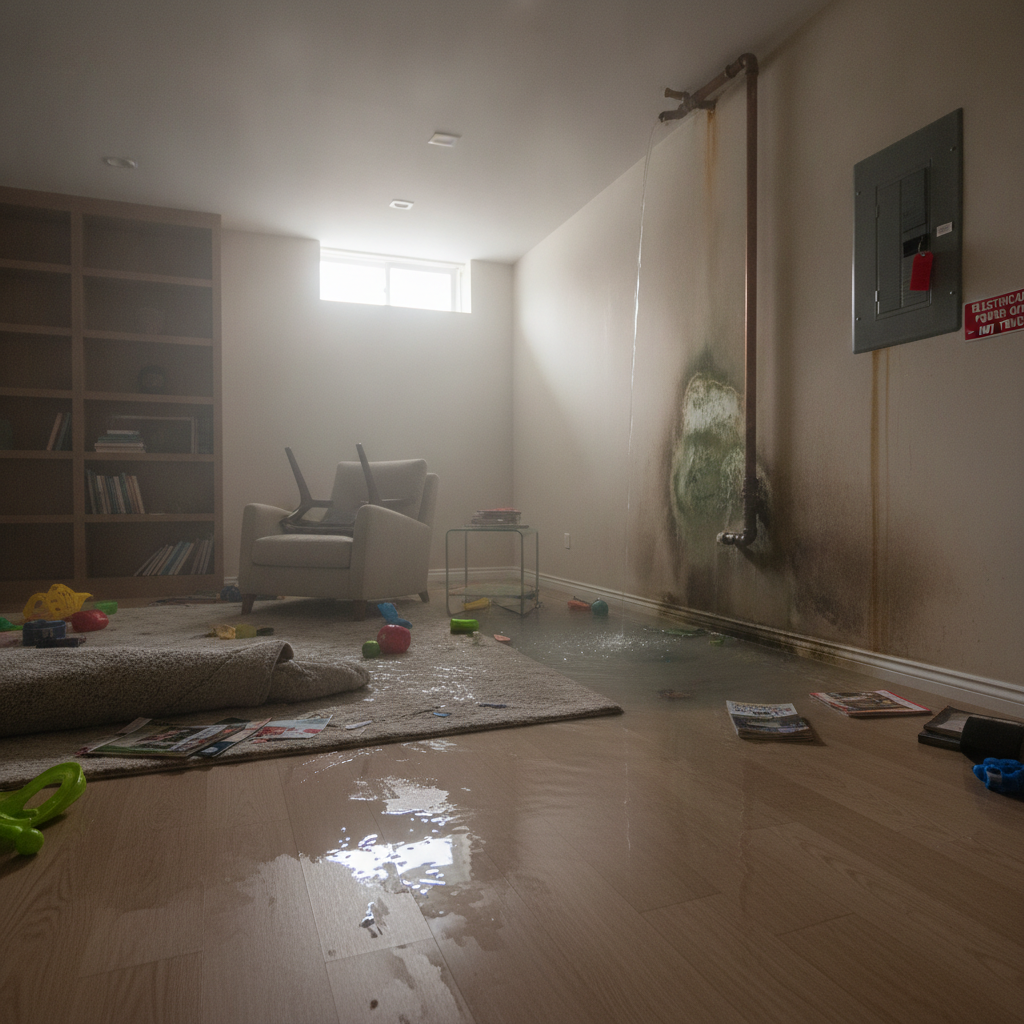
Water Damage Restoration Bloomfield Hills MI presents unique challenges due to the area’s climate and infrastructure. Seasonal rainstorms, melting snow, and aging plumbing systems can all contribute to unexpected water intrusions. Local professionals are familiar with these risks and tailor their restoration strategies accordingly. For example, basements in this region are particularly susceptible to flooding, which can lead to extensive damage if not addressed promptly.
One of the most common issues faced by property owners is sump pump failure during heavy rainfall. Without a functioning sump pump, water can quickly accumulate, damaging floors, walls, and personal belongings. Restoration experts recommend regular maintenance and backup systems to prevent such incidents. Additionally, clogged gutters and downspouts can redirect water toward foundations, increasing the risk of leaks and seepage. Routine inspections and cleaning are simple yet effective ways to safeguard your property.
Another local concern is the potential for frozen pipes during Michigan’s cold winters. When pipes freeze and burst, they can release large volumes of water, causing significant structural damage. Insulating pipes and maintaining consistent indoor temperatures are essential preventive measures. Restoration teams in the area are equipped to handle these emergencies, offering rapid water extraction and drying services to minimize disruption and repair costs.
Water Damage Restoration Bloomfield Hills Michigan: The Restoration Process Explained
Understanding the step-by-step process of Water Damage Restoration Bloomfield Hills MI can help you make informed decisions during a crisis. The process typically begins with an initial assessment, where professionals evaluate the extent of the damage and identify the source of water intrusion. This is followed by water extraction using powerful pumps and vacuums, which remove standing water quickly to prevent further damage.
Once the bulk of the water is removed, the drying phase begins. Industrial-grade dehumidifiers and air movers are deployed to eliminate moisture from walls, floors, and the air. This step is critical for preventing mold growth and ensuring that structural elements are thoroughly dried. Restoration teams also monitor humidity levels and use specialized equipment to detect hidden moisture pockets.
Cleaning and sanitizing come next. Water damage can introduce contaminants, especially if the source is a sewage backup or floodwater. Restoration professionals use antimicrobial treatments to disinfect affected areas, ensuring a safe environment for occupants. The final step involves repairing or replacing damaged materials, such as drywall, flooring, or cabinetry, to restore the property to its pre-loss condition. Throughout the process, clear communication and documentation are essential for insurance claims and peace of mind.
Types of Water Damage and Their Impact
Not all water damage is created equal. The source and type of water involved play a significant role in determining the restoration approach and potential health risks. The Institute of Inspection, Cleaning and Restoration Certification (IICRC) classifies water damage into three categories:
- Category 1: Clean Water – From sources like broken pipes or rainwater. Generally poses no immediate health risk.
- Category 2: Gray Water – Contains contaminants and may cause illness if ingested. Examples include dishwasher or washing machine overflows.
- Category 3: Black Water – Highly unsanitary, often from sewage backups or floodwaters. Can cause severe illness or infection.
Each category requires a different level of care and protective measures. Clean water incidents may only need drying and minor repairs, while black water events demand extensive cleaning, disinfection, and sometimes removal of affected materials. Understanding the type of water involved helps property owners and restoration professionals choose the right response, ensuring safety and thoroughness throughout the process.
The Importance of Rapid Response
Speed is critical when dealing with water damage. The longer water sits, the greater the risk of permanent structural damage and mold growth. Within the first 24 to 48 hours, porous materials like drywall, insulation, and carpeting can absorb significant amounts of moisture, leading to warping, swelling, and decay. Mold can begin to develop in as little as 24 hours, posing health risks to occupants and complicating the restoration process.
Professional restoration companies prioritize rapid response, often offering 24/7 emergency services. Their teams arrive equipped with the tools and expertise needed to assess the situation, stop the source of water, and begin extraction immediately. For property owners, having a plan in place and knowing whom to call can make all the difference. Quick action not only protects your property but also streamlines insurance claims and reduces overall recovery time.
In this community, local restoration teams are familiar with the unique challenges posed by seasonal weather and infrastructure. Their experience ensures that even complex water damage scenarios are handled efficiently, minimizing disruption and restoring normalcy as quickly as possible.
Common Causes of Water Damage in the Area
Understanding the most common causes of water damage can help property owners take proactive steps to prevent disasters. In this region, several factors contribute to water-related incidents:
- Severe weather events, such as heavy rain and snowmelt, leading to basement flooding.
- Aging plumbing systems and pipe corrosion, resulting in leaks or bursts.
- Faulty appliances, including water heaters, washing machines, and dishwashers.
- Clogged gutters and downspouts, causing water to pool around foundations.
- Sump pump failures during storms or power outages.
By staying vigilant and performing regular maintenance, property owners can reduce their risk of water damage. Simple actions like inspecting pipes, cleaning gutters, and testing sump pumps can go a long way in safeguarding homes and businesses from costly repairs and disruptions.
Table: Water Damage Restoration Timeline and Actions
| Time After Incident | Recommended Actions | Potential Consequences |
|---|---|---|
| Within 1 hour | Stop water source, contact restoration professionals | Limits spread, reduces damage |
| 1–24 hours | Begin water extraction and drying | Prevents mold, protects structure |
| 24–48 hours | Continue drying, monitor moisture | Mold may begin to develop |
| 48+ hours | Sanitize, repair, restore property | Structural damage, health risks increase |
This timeline highlights the importance of acting quickly after a water damage incident. Delays can lead to escalating repair costs and health hazards, reinforcing the value of professional intervention and preparedness.
Mold Risks and Prevention After Water Damage
One of the most serious consequences of water damage is mold growth. Mold thrives in damp environments and can begin to develop within 24 to 48 hours of a water incident. Once established, mold can spread quickly, affecting air quality and posing health risks, especially to individuals with allergies or respiratory conditions.
Prevention starts with thorough drying and dehumidification. Restoration professionals use specialized equipment to remove moisture from building materials and the air. They also inspect hidden areas, such as behind walls and under flooring, where mold can flourish undetected. If mold is found, remediation involves isolating the affected area, removing contaminated materials, and applying antimicrobial treatments to prevent recurrence.
For property owners, maintaining proper ventilation, addressing leaks promptly, and monitoring humidity levels are key steps in preventing mold after water damage. Early intervention not only protects your property but also ensures a healthy indoor environment for occupants.
Insurance Coverage for Water Damage Restoration
Navigating insurance claims after water damage can be complex. Coverage often depends on the source of the water and the specifics of your policy. Standard property insurance typically covers sudden and accidental water damage, such as that caused by burst pipes or appliance failures. However, damage resulting from neglect, gradual leaks, or flooding may require additional coverage or may not be covered at all.
It’s important to review your policy and understand what is and isn’t included. Documenting the damage with photos, videos, and detailed notes can streamline the claims process. Restoration professionals often assist with documentation and work directly with insurance adjusters to ensure a fair settlement. Prompt reporting and clear communication with your insurer are essential for maximizing your coverage and minimizing out-of-pocket expenses.
Consider discussing your coverage with your insurance agent before an incident occurs. Adding endorsements for sewer backup or flood insurance can provide valuable protection, especially in areas prone to these risks. Being proactive helps you recover faster and with less financial stress when water damage strikes.
Choosing a Professional Water Damage Restoration Company
Selecting the right restoration company is a critical step in the recovery process. Look for firms with IICRC certification, which ensures adherence to industry standards and best practices. Experience in handling a variety of water damage scenarios is also important, as is a reputation for reliability and customer service.
Ask about the company’s response time, equipment, and methods. A reputable provider will offer a clear scope of work, transparent pricing, and regular updates throughout the project. They should also assist with insurance documentation and provide guarantees on their workmanship.
Word-of-mouth recommendations, online reviews, and references from previous clients can help you make an informed choice. Remember, the goal is not just to repair damage but to restore your property safely, efficiently, and with minimal disruption to your life or business operations.
Preventive Measures to Reduce Water Damage Risk
Prevention is always better than cure when it comes to water damage. Regular maintenance and vigilance can significantly reduce the likelihood of costly incidents. Here are some practical tips for property owners in the region:
- Inspect plumbing systems annually for leaks, corrosion, or signs of wear.
- Clean gutters and downspouts at least twice a year to ensure proper drainage.
- Install water leak detectors and automatic shutoff valves for early warning and protection.
- Test sump pumps regularly and consider a battery backup system for added reliability.
- Seal cracks in foundations and basement walls to prevent seepage during heavy rain.
By taking these steps, you can protect your investment, reduce the risk of water damage, and ensure a safer environment for your family, employees, or tenants. Prevention not only saves money but also provides peace of mind year-round.
Final Thoughts
Water damage can be overwhelming, but with the right knowledge and preparation, property owners in this city can respond effectively and minimize long-term impact. From understanding the restoration process to choosing reputable professionals and taking preventive measures, every step counts in safeguarding your property. Water Damage Restoration Bloomfield Hills MI is more than a service, it’s a crucial aspect of property management and community resilience. Stay informed, act quickly when disaster strikes, and invest in prevention to keep your home or business safe for years to come.