Storms can strike unexpectedly, leaving behind a trail of destruction that often includes significant roof damage. For small business owners, developers, and local residents, understanding the storm damage repair process is essential to protect property investments and ensure safety. Navigating the aftermath of a storm can feel overwhelming, especially when dealing with insurance claims, temporary fixes, and choosing the right professionals for the job. This comprehensive guide demystifies the storm damage repair process, providing clear steps, practical tips, and expert insights to help you restore your roof efficiently and effectively. Whether you’re facing minor leaks or major structural issues, knowing what to expect and how to act can make all the difference in minimizing downtime, controlling costs, and preventing further damage. Read on to discover how to assess roof damage, work with insurance, select reputable contractors, and move confidently through each stage of repair. By the end, you’ll be equipped with the knowledge needed to safeguard your property and ensure a smooth recovery after any storm.
Storm Damage Repair Process: What to Expect Locally
When a severe storm sweeps through the area, property owners often find themselves facing unexpected challenges. The storm damage repair process is a crucial series of steps that ensures your roof is restored to its original condition, protecting your business or home from further harm. The first step is always safety, before even inspecting your roof, make sure the environment is secure and free of electrical hazards or falling debris. Once it’s safe, a visual inspection from the ground can help you spot obvious issues like missing shingles, damaged flashing, or visible leaks.
Next, it’s time to contact a reputable local contractor with experience in storm repairs. A professional team can provide a thorough assessment, documenting all damage for insurance purposes. They’ll check for less visible issues such as underlying water intrusion, weakened roof decking, or compromised ventilation systems. This detailed inspection is vital to ensure nothing is missed during the repair process.
Once the assessment is complete, your contractor will help you understand the scope of work required and provide a transparent estimate. At this stage, it’s essential to communicate with your insurance provider, as many policies cover storm-related roof damage. Your contractor can assist with documentation and even meet with your adjuster to ensure all necessary repairs are included in your claim.
After insurance approval, the actual repair work can begin. This typically involves removing damaged materials, repairing or replacing structural components, and installing new shingles or roofing membranes. Throughout the process, clear communication with your contractor ensures you stay informed and confident in the progress being made. For those seeking trusted professionals, Bloomfield Hills storm damage repair experts are known for their thorough approach and commitment to quality, making the recovery process as smooth as possible.
By understanding these key steps, property owners in the region can move quickly and efficiently through the storm damage repair process, minimizing stress and ensuring their roofs are ready to withstand whatever nature brings next.
Navigating the Storm Damage Repair Process in Bloomfield Hills, MI
The storm damage repair process in Bloomfield Hills, MI, involves several critical stages that are essential for a successful roof restoration. After ensuring personal safety and securing the property, the next priority is a detailed inspection by a qualified professional. This inspection goes beyond surface-level damage, identifying hidden issues such as soaked insulation, damaged underlayment, or compromised structural integrity. These problems, if left unaddressed, can lead to mold growth or long-term deterioration.
Once the inspection is complete, the next step is to document all findings. Take clear photographs, keep notes, and gather any relevant paperwork. This documentation is crucial when filing an insurance claim, as it supports your case and ensures you receive fair compensation for repairs. Many local contractors offer assistance with this process, helping you navigate the sometimes complex world of insurance claims.
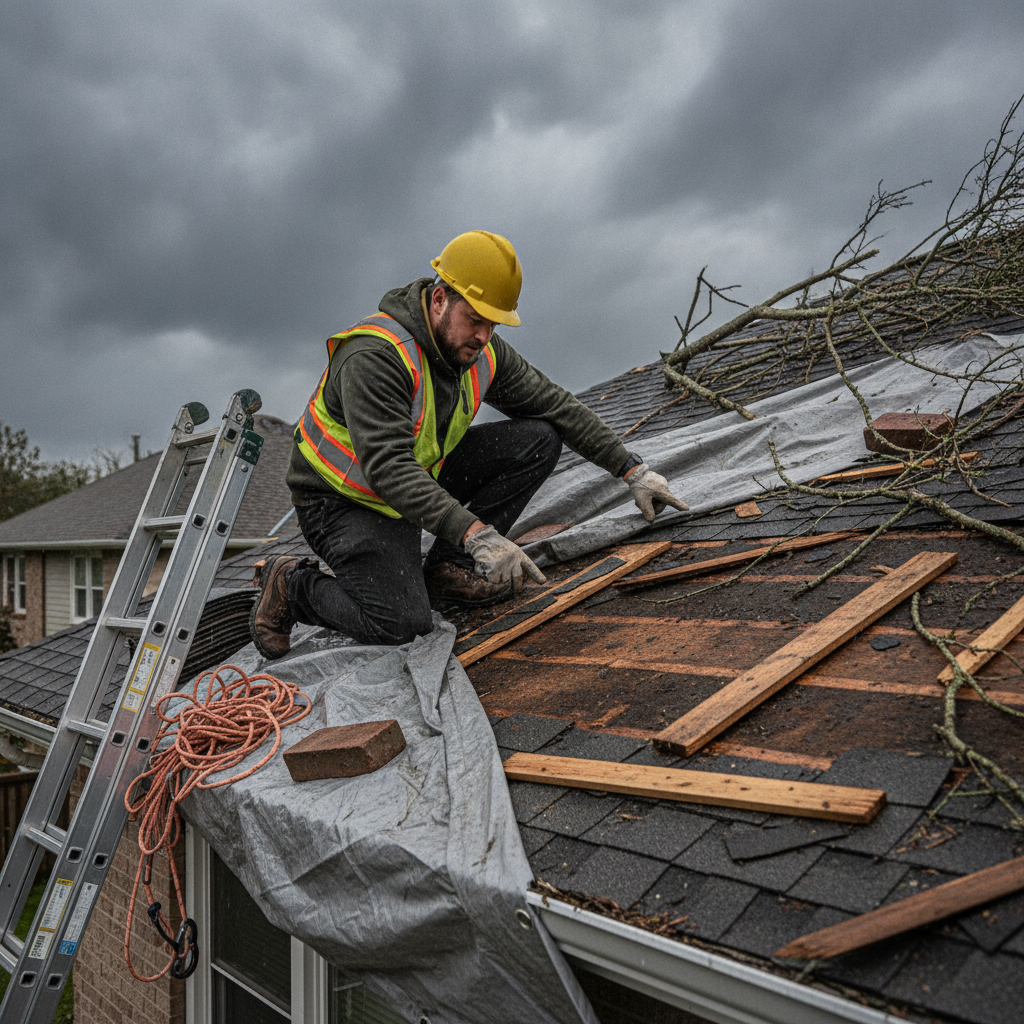
Temporary repairs may be necessary to prevent further damage while waiting for the full repair process to begin. This might include tarping the roof, sealing leaks, or removing debris. These quick fixes are not permanent solutions but are vital for protecting your property from additional water intrusion or weather exposure.
Once your claim is approved, your contractor will schedule the repair work. This phase includes removing damaged roofing materials, repairing structural elements, and installing new components. Quality workmanship and attention to detail are essential to ensure the longevity of your roof. For those in this community, understanding each phase of the storm damage repair process in Bloomfield Hills empowers you to make informed decisions and ensures your property is restored to its best condition.
Throughout the process, open communication with your contractor and insurance provider is key. Ask questions, request updates, and stay involved in each step to guarantee a smooth, stress-free experience.
Storm Damage Repair Process for Roofs in Bloomfield Hills Michigan
In the aftermath of a severe storm, residents of Bloomfield Hills Michigan, often find themselves facing urgent roof repairs. The storm damage repair process for roofs in this city is designed to restore safety and functionality as quickly as possible. The first step is always a comprehensive assessment, which includes both a visual inspection and a structural evaluation. Professionals look for signs of missing or damaged shingles, punctures from debris, and water stains that indicate leaks.
Once the extent of the damage is determined, the next phase involves working closely with a trusted local contractor. These experts can provide a detailed repair plan, outlining the materials needed, estimated timelines, and costs involved. Transparency during this stage helps property owners make informed decisions and avoid unexpected expenses.
One of the unique aspects of the storm damage repair process in this city is the importance of local building codes and weather considerations. Contractors familiar with the area’s climate and regulations ensure that repairs not only restore your roof but also enhance its resilience against future storms. Choosing a reputable company like Bloomfield Construction can make a significant difference in the quality and durability of your repairs.
Finally, after repairs are completed, a final inspection ensures all work meets safety standards and your satisfaction. Keeping detailed records of the process, including before-and-after photos and invoices, is essential for future reference and potential warranty claims. By following these best practices, property owners in the neighborhood can navigate the storm damage repair process with confidence and peace of mind.
Assessing Roof Damage After a Storm
After a storm passes, the first step in the storm damage repair process is a thorough assessment of your roof. Begin by walking around your property and looking for obvious signs of damage, such as missing shingles, dented gutters, or displaced flashing. Pay attention to any debris on the roof, as heavy branches or hail can cause hidden structural issues. If you notice water stains on your ceilings or walls indoors, this could indicate a leak that needs immediate attention.
It’s important not to climb onto the roof yourself, as it may be unsafe. Instead, call a professional roofing contractor who can conduct a detailed inspection using specialized equipment and safety protocols. They will check for both visible and hidden damage, including cracks, holes, or compromised underlayment. Early detection of these problems can prevent costly repairs down the line and ensure your insurance claim is as comprehensive as possible.
Proper assessment is the foundation of the storm damage repair process. By documenting all issues and working with experienced professionals, you set the stage for a successful restoration that protects your investment and keeps your property safe.
Temporary Repairs and Emergency Measures
When a storm damages your roof, immediate action is often required to prevent further harm. Temporary repairs, such as tarping exposed areas or sealing leaks with waterproof materials, can buy valuable time until permanent fixes are possible. These emergency measures are not substitutes for professional repairs but are crucial for minimizing water intrusion and protecting the interior of your property.
If you notice active leaks during or after a storm, place buckets or containers to catch dripping water and move valuables away from affected areas. Avoid using electrical appliances near water-damaged sections, and contact a professional as soon as possible. Many contractors offer emergency response services to help secure your property and prevent further deterioration.
Temporary repairs are an integral part of the storm damage repair process, ensuring that your property remains safe and habitable while you coordinate with insurance and schedule permanent solutions. Acting quickly can make a significant difference in the overall cost and complexity of your roof restoration.
Working with Insurance: Tips for a Smooth Claim
Filing an insurance claim is a critical step in the storm damage repair process. Start by reviewing your policy to understand what is covered and any deductibles that may apply. Document all damage thoroughly with photos, videos, and written notes. Keep receipts for any temporary repairs or emergency services, as these may be reimbursable.
Contact your insurance company promptly to report the damage and initiate the claims process. Many insurers will send an adjuster to inspect your property and assess the extent of the damage. Having your contractor present during this inspection can help ensure all issues are identified and included in your claim.
Clear communication and detailed documentation are key to a successful claim. Don’t hesitate to ask questions or request clarification about coverage, timelines, or required paperwork. By staying organized and proactive, you can streamline the insurance process and secure the funds needed for a complete roof restoration.
Choosing the Right Roofing Contractor
Selecting a qualified roofing contractor is one of the most important decisions in the storm damage repair process. Look for companies with a proven track record, proper licensing, and insurance. Ask for references from previous clients and check online reviews to gauge their reputation in the community.
A reputable contractor will provide a detailed written estimate, outlining the scope of work, materials to be used, and a clear timeline for completion. They should also be willing to answer your questions and explain each step of the process. Avoid contractors who demand large upfront payments or pressure you into quick decisions.
Working with a trusted local expert ensures that your roof is repaired to the highest standards, using materials and techniques suited to the region’s climate. This not only restores your property but also enhances its resilience against future storms.
The Roof Repair Timeline: What to Expect
Understanding the typical timeline for the storm damage repair process can help set realistic expectations and reduce stress. While each situation is unique, most repairs follow a similar sequence:
- Initial assessment and documentation (1-2 days)
- Insurance claim submission and approval (1-3 weeks, depending on provider)
- Temporary repairs (immediate, if needed)
- Scheduling and ordering materials (3-7 days)
- Full repairs and final inspection (2-5 days, depending on extent of damage)
Delays can occur due to weather, material shortages, or high demand after widespread storms. Staying in close contact with your contractor and insurance provider helps keep your project on track and ensures a smooth recovery.
Common Types of Storm Roof Damage
Storms can cause a variety of roof damage, each requiring a specific approach in the storm damage repair process. Some of the most common types include:
- Missing or broken shingles from high winds
- Dents and punctures from hail
- Torn or displaced flashing around chimneys and vents
- Clogged or damaged gutters and downspouts
- Leaks caused by water intrusion
Each type of damage presents unique challenges and may require specialized materials or repair techniques. Identifying the specific issues early in the process ensures that your roof is fully restored and ready to withstand future storms.
Table: Comparing Roof Repair Methods
| Repair Method | Best For | Typical Duration | Estimated Cost Range |
|---|---|---|---|
| Shingle Replacement | Minor wind or hail damage | 1-2 days | $300 – $1,000 |
| Partial Roof Repair | Localized leaks or flashing issues | 2-3 days | $1,000 – $3,000 |
| Full Roof Replacement | Extensive or structural damage | 5-7 days | $7,000 – $15,000+ |
This table highlights the main repair methods used in the storm damage repair process, helping property owners choose the right approach based on the extent of their roof damage and budget considerations.
Preventing Future Storm Damage
While the storm damage repair process is essential for restoring your roof, taking steps to prevent future damage is equally important. Regular maintenance, such as cleaning gutters, trimming overhanging branches, and inspecting your roof for wear, can help identify potential issues before they become major problems. Consider upgrading to impact-resistant shingles or reinforcing vulnerable areas with additional flashing.
Working with a knowledgeable contractor who understands the local climate can provide valuable recommendations for improving your roof’s resilience. Investing in preventative measures not only protects your property but can also lower insurance premiums and reduce the likelihood of costly repairs after the next storm.
By staying proactive, you can minimize the impact of future storms and ensure your roof continues to provide reliable protection for years to come.
Key Takeaways
Navigating the storm damage repair process can be challenging, but understanding each step empowers property owners to act quickly and effectively. From initial assessments and temporary repairs to working with insurance and choosing the right contractor, every stage plays a crucial role in restoring your roof and protecting your investment. Remember to document all damage, communicate openly with professionals, and prioritize preventative maintenance to reduce future risks. By following these guidelines, you can ensure a smooth recovery after a storm and maintain the long-term integrity of your property’s roof.