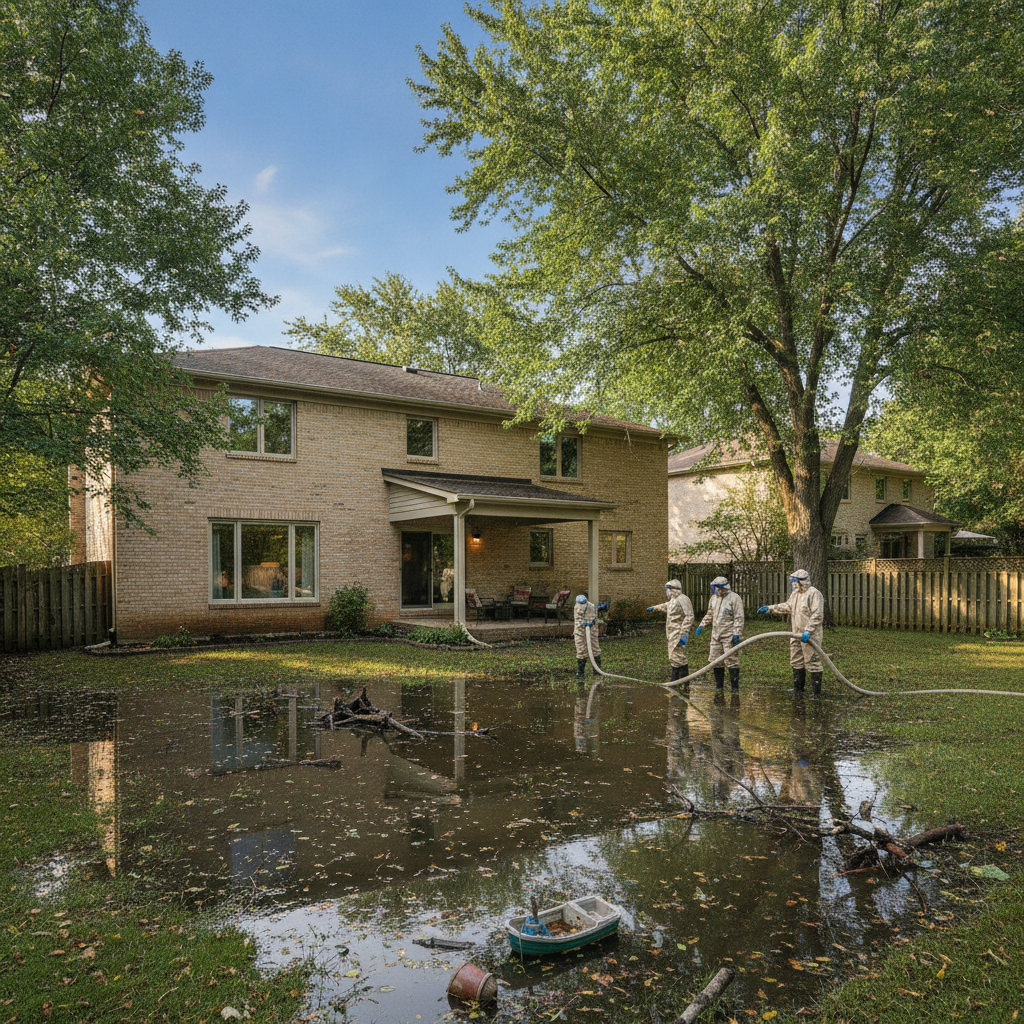
Flooding can strike unexpectedly, leaving business owners and residents in the area scrambling to protect their property and recover from the aftermath. Whether caused by heavy rain, burst pipes, or melting snow, water damage can be both overwhelming and costly. Understanding the right flood restoration steps is crucial for minimizing loss and ensuring a safe, effective recovery. This article will guide you through the essential actions to take after a flood, from initial safety checks to working with professionals, so you can restore your property and peace of mind. With the right approach, you can navigate the challenges of water damage and get your business or home back to normal faster. Read on to discover the most effective flood restoration steps and learn how to protect your investment for the future.
Flood Restoration Steps in Bloomfield Hills
When disaster strikes, knowing the flood restoration steps can make all the difference in how quickly and effectively you recover. The first priority is always safety. Before entering any flooded building, ensure that the electricity and gas are shut off to prevent the risk of electrocution or fire. Once it’s safe, document the damage thoroughly with photos and videos. This documentation will be invaluable when filing insurance claims or working with restoration professionals. Next, contact a reputable water damage restoration company to assess the situation and begin the cleanup process. Professionals have the expertise and equipment to remove water, dry affected areas, and prevent mold growth, which can occur within 24-48 hours after flooding. Acting quickly is key to minimizing structural damage and reducing the overall cost of repairs. In this community, prompt response and organized action are essential to restoring your property and business operations efficiently.
Flood Restoration Steps in Bloomfield Hills, MI
Understanding the specific flood restoration steps for properties in Bloomfield Hills, MI, can help you navigate the recovery process with confidence. After ensuring safety, the next step is to remove standing water as quickly as possible. This may involve using pumps, wet vacuums, or professional extraction equipment, depending on the extent of the flooding. Once the water is removed, focus on drying out the affected areas by opening windows, using fans, and deploying dehumidifiers. It’s important to remove wet materials such as carpets, drywall, and insulation that cannot be salvaged, as these can harbor mold and bacteria. If you’re unsure about what can be saved, visit our site for expert guidance and resources. Proper cleaning and disinfecting of all surfaces is also critical to prevent health hazards. Throughout this process, keep a detailed record of all actions taken and materials removed for insurance purposes. By following these flood restoration steps, you can ensure a thorough and safe recovery for your property.
Flood Restoration Steps in Bloomfield Hills, Michigan
For businesses and homeowners in Bloomfield Hills, Michigan, implementing the right flood restoration steps is vital for a successful recovery. After the initial cleanup, it’s essential to assess the structural integrity of your property. Look for signs of warping, cracking, or shifting in walls and foundations, and consult with professionals if you notice any concerns. Moisture can linger in hidden areas, so using moisture meters and thermal imaging can help detect dampness behind walls or under floors. Engage a certified water damage cleanup services provider to ensure all affected areas are properly dried and treated. Additionally, check your HVAC systems, electrical wiring, and plumbing for water damage, as these can pose safety risks if left unchecked. Taking these comprehensive flood restoration steps will help safeguard your property against future issues and support a smooth return to normal operations.
Choosing the Right Water Damage Restoration Partner
Selecting a reliable restoration partner is one of the most important flood restoration steps. Look for companies with strong local reputations, proper licensing, and certifications from organizations like the Institute of Inspection, Cleaning and Restoration Certification (IICRC). A quality provider will offer a clear action plan, transparent pricing, and 24/7 emergency response. They should also be experienced in working with insurance companies to help you navigate the claims process. For those in the region, Bloomfield Construction is a trusted choice with a proven track record in water damage restoration. Ask for references, read reviews, and ensure the team uses advanced drying and dehumidification equipment. By partnering with the right professionals, you can feel confident that your property will be restored efficiently and safely, minimizing downtime and disruption.
Immediate Actions to Take After a Flood
Taking prompt action is one of the most critical flood restoration steps. As soon as it is safe, begin by turning off all utilities to prevent further hazards. Wear protective gear such as gloves, boots, and masks to safeguard against contaminants in floodwater. Remove valuables and important documents to a dry location, and take photographs of all damage before moving or cleaning anything. This documentation will be essential for insurance claims and professional assessments. If possible, begin removing standing water using buckets, mops, or pumps. Open windows and doors to promote ventilation and reduce humidity. Avoid using electrical appliances in wet areas. Keep children and pets away from the affected zones until cleanup is complete. By acting quickly and methodically, you can limit the extent of water damage and set the stage for a successful restoration process.
Assessing and Documenting Water Damage
A thorough assessment is a key part of the flood restoration steps. Begin by inspecting all areas affected by water, including basements, crawl spaces, walls, and ceilings. Use a flashlight to check for hidden moisture and signs of mold. Take detailed notes and photographs of all damage, including structural issues, ruined furnishings, and damaged equipment. This information will help you communicate with insurance adjusters and restoration professionals. Create an inventory of lost or damaged items, including their approximate value and age. If you rent your property, notify your landlord and provide documentation as soon as possible. Keep all receipts for expenses related to temporary accommodations, repairs, and supplies. Comprehensive documentation not only streamlines the insurance process but also ensures you receive fair compensation for your losses.
Drying, Cleaning, and Disinfecting Your Property
Effective drying and cleaning are vital flood restoration steps that help prevent mold and long-term damage. Start by removing all wet materials, including carpets, rugs, and upholstered furniture that cannot be salvaged. Use industrial fans, dehumidifiers, and open windows to circulate air and speed up the drying process. Pay special attention to hidden spaces such as wall cavities, subfloors, and closets. Clean all hard surfaces with soap and water, then disinfect with a solution of bleach and water to kill bacteria and mold spores. Be cautious when handling contaminated materials, and dispose of them according to local regulations. Wash all clothing, linens, and soft goods in hot water. If mold is detected, consult with professionals for safe removal. Proper drying and cleaning are crucial flood restoration steps that protect your health and the structural integrity of your property.
Mold Prevention and Remediation
Mold can develop quickly after a flood, making prevention and remediation essential flood restoration steps. Mold thrives in damp, humid environments and can pose serious health risks if left unchecked. To prevent mold growth, ensure all affected areas are thoroughly dried within 24-48 hours. Use dehumidifiers and air movers to reduce moisture levels, and monitor for signs of mold, such as musty odors or discoloration on walls and ceilings. If you discover mold, do not attempt to clean large infestations yourself. Instead, contact certified mold remediation specialists who can safely remove contaminated materials and treat affected areas. Regularly inspect your property for hidden moisture, especially in basements and behind walls. Taking proactive steps to prevent and address mold will protect your property and the health of everyone who lives or works there.
Working With Insurance After Water Damage
Navigating insurance claims is often one of the most challenging flood restoration steps. Start by contacting your insurance provider as soon as possible to report the damage. Provide detailed documentation, including photos, videos, and an inventory of lost items. Keep a record of all communications with your insurer, including dates, times, and the names of representatives you speak with. Review your policy to understand what is covered and any exclusions that may apply. If you encounter difficulties, consider working with a public adjuster or restoration company experienced in insurance claims. They can help you negotiate with your insurer and ensure you receive fair compensation. Be patient, as the claims process can take time, especially after widespread flooding. By staying organized and proactive, you can maximize your insurance benefits and expedite the restoration process.
Flood Restoration Steps Checklist
| Step | Action | Purpose |
|---|---|---|
| 1 | Ensure safety and turn off utilities | Prevent accidents and hazards |
| 2 | Document all damage with photos | Support insurance claims |
| 3 | Contact restoration professionals | Begin cleanup and repairs |
| 4 | Remove standing water | Prevent further damage |
| 5 | Dry and dehumidify all areas | Prevent mold growth |
| 6 | Clean and disinfect surfaces | Protect health and safety |
| 7 | Monitor for mold and address promptly | Prevent long-term issues |
| 8 | Work with insurance for claims | Recover financial losses |
Use this checklist as a reference to ensure you complete all necessary flood restoration steps and avoid missing critical actions during recovery.
Restoring Business Operations After Flooding
For small business owners, resuming operations quickly is often a top priority after water damage. Once the main flood restoration steps are complete, assess your business assets and infrastructure. Check computers, inventory, and equipment for water exposure and consult with specialists for repairs or replacements. Communicate with employees and customers about your recovery timeline and any changes in service. Update your website and social media to keep stakeholders informed. If your business is unable to operate from its usual location, consider temporary relocation options. Review your business continuity plan and make adjustments based on lessons learned from the flood. By staying organized and proactive, you can minimize downtime and rebuild customer trust during the recovery process.
Preventing Future Water Damage
Prevention is the final, ongoing step in the flood restoration process. Evaluate your property’s flood risk and consider improvements such as installing sump pumps, backflow valves, and improved drainage systems. Regularly inspect your roof, gutters, and foundation for signs of wear or leaks. Store important documents and valuables in waterproof containers or offsite locations. Review your insurance policy to ensure adequate coverage for future events. Educate employees and family members about emergency procedures and keep emergency supplies on hand. By taking these preventive measures, you can reduce the likelihood and impact of future flooding, protecting your property and investment for years to come.
Key Takeaways
Recovering from a flood is never easy, but following the right flood restoration steps can make the process more manageable and less stressful. From ensuring safety and documenting damage to working with professionals and preventing future issues, each step plays a vital role in restoring your property and peace of mind. Remember to act quickly, stay organized, and seek expert help when needed. By being prepared and informed, you can overcome the challenges of water damage and safeguard your home or business for the future. Whether you’re a small business owner or a resident, taking these proactive steps will help you bounce back stronger and more resilient after any flooding event.