Water damage can strike unexpectedly, causing significant disruption for property owners, business managers, and developers. In recent years, water damage technology has evolved rapidly, offering advanced solutions to mitigate losses, speed up recovery, and prevent future incidents. Whether you manage a small business, oversee construction projects, or simply want to protect your property, understanding the latest water damage technology is essential. This article explores the most innovative trends and tools shaping the restoration industry, focusing on how these advancements are transforming outcomes for the area’s residents and businesses. We’ll cover everything from moisture detection and smart monitoring to eco-friendly drying systems and digital documentation, giving you a comprehensive look at how modern technology is making restoration faster, safer, and more efficient. If you’re curious about how these innovations can benefit your property, read on for an in-depth guide to the future of water damage restoration technology.
Water Damage Technology in Bloomfield Hills
The landscape of water damage restoration has changed dramatically in recent years, especially with the integration of cutting-edge water damage technology. Locally, service providers are leveraging innovative equipment and processes to minimize downtime and maximize recovery for homes and businesses. The area’s unpredictable weather patterns, from heavy rains to sudden thaws, make advanced solutions not just helpful but necessary. Moisture meters, infrared cameras, and smart leak detectors are now standard tools, enabling technicians to identify hidden issues before they escalate. This proactive approach helps residents and business owners save time and money by preventing secondary damage such as mold growth or structural compromise.
One of the most significant benefits of modern water damage technology is its ability to provide real-time data. Restoration professionals can now monitor drying progress remotely, ensuring optimal results without unnecessary delays. This is particularly valuable for small businesses that can’t afford extended closures. The use of antimicrobial treatments, HEPA filtration, and eco-friendly drying systems further enhances safety and sustainability. For those interested in learning more about how these advancements are being applied locally, the water damage restoration experts at Bloomfield Construction offer helpful insights and case studies.
In summary, the adoption of advanced water damage technology is transforming how restoration is handled in this community. Faster response times, more accurate assessments, and improved outcomes are now possible thanks to these innovations. As the industry continues to evolve, local property owners can expect even more effective and efficient solutions in the years ahead.
Water Damage Technology in Bloomfield Hills, MI
When it comes to water damage technology, the region is at the forefront of integrating smart solutions that benefit both businesses and homeowners. The introduction of wireless moisture sensors, automated shut-off valves, and cloud-based monitoring platforms has revolutionized the restoration process. These tools allow for immediate detection and response, minimizing the risk of extensive property damage. For example, a wireless sensor placed in a vulnerable area can alert property managers to leaks the moment they occur, enabling a swift intervention that prevents costly repairs.
Digital documentation is another major advancement. Restoration teams now use mobile apps and cloud storage to track every step of the recovery process, from initial assessment to final inspection. This transparency not only improves communication with clients but also streamlines insurance claims, ensuring faster payouts and less hassle. The integration of water damage technology also means that data can be analyzed over time, helping property owners identify patterns and take preventive measures.
For those interested in the companies leading the charge in this field, visit our site to discover how local experts are using technology to deliver superior results. The commitment to ongoing training and investment in the latest equipment ensures that residents and businesses receive the highest standard of care during a crisis.
Ultimately, the adoption of water damage technology in the region is making restoration faster, more reliable, and less stressful for everyone involved. As these tools become more accessible, even small businesses can benefit from the same level of protection as large commercial properties.
Water Damage Technology in Bloomfield Hills, Michigan
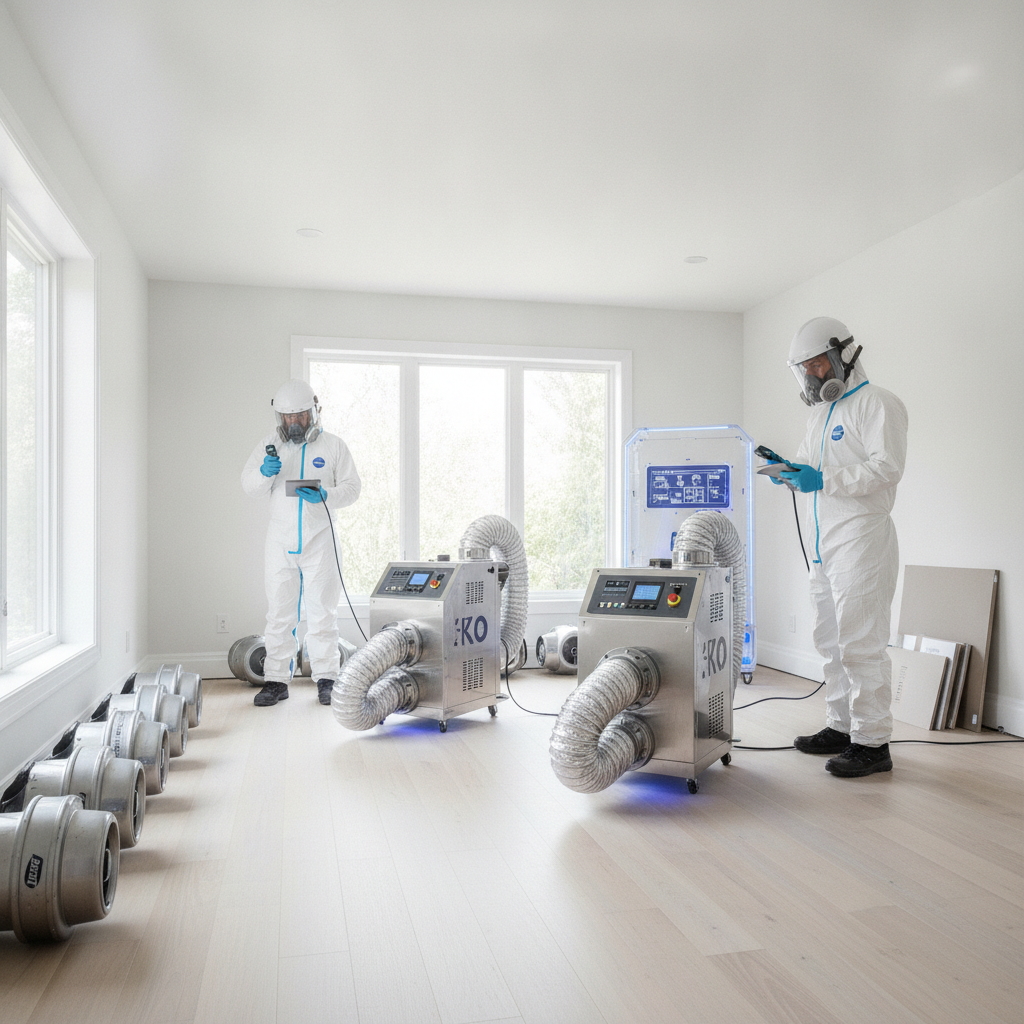
In recent years, water damage technology has become a game-changer for restoration professionals in Bloomfield Hills, Michigan. The use of advanced drying equipment, such as low-grain refrigerant dehumidifiers and high-velocity air movers, accelerates the drying process while minimizing energy consumption. These machines are designed to handle large-scale water losses efficiently, making them ideal for commercial spaces and multi-unit buildings.
Thermal imaging cameras are another vital tool in modern restoration. By detecting temperature variations behind walls and under floors, these cameras help technicians pinpoint hidden moisture that could lead to mold growth if left untreated. This non-invasive technology reduces the need for unnecessary demolition, saving both time and money. Additionally, antimicrobial foggers and ozone generators are used to sanitize affected areas, ensuring a safe environment for occupants.
For those seeking trusted professionals who utilize the latest water damage technology, Bloomfield Construction stands out as a leader in the field. Their commitment to innovation and customer service has earned them a reputation for excellence throughout the neighborhood and beyond.
As technology continues to advance, property owners in this city can expect even more sophisticated solutions for water damage restoration. From smart sensors to eco-friendly drying methods, the future looks bright for those who prioritize proactive protection and rapid recovery.
The Evolution of Water Damage Technology
Water damage technology has come a long way from the days of manual inspections and basic drying fans. Today, restoration professionals rely on a suite of high-tech tools to diagnose, mitigate, and repair water-related issues with unprecedented accuracy. The integration of artificial intelligence, IoT (Internet of Things) devices, and data analytics has transformed the industry, enabling faster response times and more effective solutions.
One of the most notable advancements is the use of remote monitoring systems. These devices continuously track humidity and temperature levels, sending real-time alerts to technicians when conditions deviate from safe parameters. This allows for immediate adjustments, reducing the risk of secondary damage. Additionally, digital moisture mapping provides a detailed view of affected areas, helping teams develop targeted drying plans that maximize efficiency.
As restoration companies continue to adopt new technologies, property owners benefit from faster service, lower costs, and improved outcomes. The evolution of water damage technology is not just about better equipment, it’s about delivering peace of mind during stressful situations.
Smart Sensors and Leak Detection Systems
One of the most impactful innovations in water damage technology is the development of smart sensors and leak detection systems. These devices are designed to monitor vulnerable areas in real time, providing early warnings that can prevent minor leaks from becoming major disasters. Wireless sensors can be installed in basements, near water heaters, and under sinks, where they continuously check for moisture and send alerts to property owners or facility managers via smartphone apps.
Automated shut-off valves are another advancement, automatically stopping the water supply when a leak is detected. This not only minimizes damage but also reduces water waste, making it an eco-friendly solution. Many modern systems integrate with home automation platforms, allowing users to monitor and control their property’s water safety from anywhere in the world.
By investing in these technologies, businesses and homeowners can significantly reduce the risk of extensive water damage, lower insurance premiums, and enjoy greater peace of mind. The adoption of smart sensors is quickly becoming the standard for proactive property protection.
Advanced Drying and Dehumidification Techniques
Drying out a water-damaged property used to be a lengthy and imprecise process. With the advent of modern water damage technology, restoration professionals now use specialized equipment that accelerates drying while minimizing disruption. Low-grain refrigerant (LGR) dehumidifiers, for example, can remove more moisture from the air than traditional models, making them ideal for large-scale or severe water losses.
High-velocity air movers are strategically placed to create optimal airflow, ensuring that every corner of an affected space dries quickly and evenly. These tools are often paired with moisture meters and thermal imaging cameras to monitor progress and adjust strategies as needed. The result is a faster, more efficient restoration process that reduces the risk of mold growth and structural damage.
In addition to improving outcomes, these advanced techniques are also more energy-efficient, helping property owners save on utility costs during the recovery phase. As technology continues to improve, we can expect even more effective and sustainable drying solutions in the future.
Digital Documentation and Insurance Integration
The restoration industry has embraced digital documentation as a core component of water damage technology. Gone are the days of handwritten notes and paper files. Today, technicians use tablets and mobile apps to capture photos, record measurements, and log every step of the restoration process. This information is stored securely in the cloud, making it easy to share with clients, insurance adjusters, and other stakeholders.
Digital documentation streamlines communication and ensures that all parties have access to accurate, up-to-date information. This is especially valuable during insurance claims, where detailed records can expedite approvals and reduce disputes. Many restoration companies now integrate their systems directly with insurance providers, allowing for seamless data transfer and faster claim resolution.
By leveraging digital tools, property owners and restoration professionals can work together more effectively, ensuring that recovery is as smooth and stress-free as possible. This shift toward digital integration is one of the most significant trends in modern water damage technology.
Eco-Friendly Approaches in Water Damage Restoration
Sustainability is becoming increasingly important in the restoration industry, and water damage technology is no exception. Many service providers now use eco-friendly drying systems, biodegradable cleaning agents, and energy-efficient equipment to minimize their environmental impact. These innovations not only protect the planet but also create healthier indoor environments for occupants.
HEPA filtration systems and antimicrobial treatments are used to remove contaminants and prevent mold growth without introducing harsh chemicals. Ozone generators and hydroxyl machines provide powerful odor removal while remaining safe for people and pets. Additionally, some companies recycle water used during the cleaning process, further reducing waste.
By choosing restoration professionals who prioritize sustainability, property owners can feel confident that their recovery efforts are both effective and responsible. Eco-friendly water damage technology is setting a new standard for the industry, benefiting both clients and the community at large.
Comparing Traditional vs. Modern Water Damage Technology
To better understand the impact of technological advancements, it’s helpful to compare traditional restoration methods with modern water damage technology. The table below highlights key differences in approach, efficiency, and outcomes.
| Aspect | Traditional Methods | Modern Technology |
|---|---|---|
| Moisture Detection | Manual inspection, basic meters | Infrared cameras, smart sensors |
| Drying Process | Standard fans, basic dehumidifiers | LGR dehumidifiers, high-velocity air movers |
| Documentation | Paper records, photos | Digital logs, cloud storage |
| Response Time | Slower, manual alerts | Real-time monitoring, automated alerts |
| Environmental Impact | Higher energy use, chemicals | Eco-friendly, energy-efficient solutions |
This comparison illustrates the clear advantages of embracing water damage technology. From faster drying to better documentation and reduced environmental impact, modern methods deliver superior results for property owners and restoration professionals alike.
The Role of Training and Certification
As water damage technology becomes more sophisticated, the importance of proper training and certification cannot be overstated. Restoration professionals must stay up to date with the latest tools, techniques, and safety protocols to deliver the best possible outcomes. Many companies invest in ongoing education for their teams, ensuring that technicians are proficient in using advanced equipment and digital platforms.
Industry certifications, such as those offered by the Institute of Inspection, Cleaning and Restoration Certification (IICRC), validate a technician’s expertise and commitment to quality. These credentials reassure clients that their property is in capable hands and that the work will be performed to the highest standards.
By prioritizing training and certification, restoration companies can fully leverage water damage technology to deliver efficient, reliable, and safe services. This focus on professional development benefits both clients and the broader community.
Preparing Your Property with Water Damage Technology
Prevention is always better than cure, and water damage technology offers powerful tools for proactive property protection. Smart leak detectors, moisture sensors, and automated shut-off valves can be installed in key areas to provide early warnings and minimize risk. Regular maintenance, combined with digital monitoring, allows property owners to address potential issues before they escalate into costly disasters.
Business owners can also benefit from creating a water damage response plan that incorporates the latest technology. This includes maintaining an up-to-date inventory of assets, establishing clear communication protocols, and partnering with restoration professionals who use advanced tools. By taking these steps, you can ensure that your property is prepared to withstand unexpected water events and recover quickly if damage occurs.
Investing in water damage technology is an investment in peace of mind. With the right systems in place, you can protect your assets, reduce downtime, and safeguard the health and safety of occupants.
Final Thoughts
The rapid advancement of water damage technology is reshaping the restoration industry, offering property owners and businesses faster, safer, and more effective solutions. From smart sensors and advanced drying equipment to digital documentation and eco-friendly practices, these innovations are setting new standards for quality and efficiency. By staying informed and choosing restoration professionals who embrace the latest technology, you can ensure that your property is well-protected against water-related threats. As the industry continues to evolve, adopting water damage technology will be key to minimizing risk, reducing costs, and achieving the best possible outcomes for your home or business.