When a severe storm rolls through, your roof is often the first line of defense for your property. Whether you own a small business, manage properties, or are simply a concerned homeowner, knowing what to do if you suspect storm damage can make a world of difference in protecting your investment. Acting quickly and knowledgeably can help you avoid costly repairs, insurance headaches, and even safety hazards. In this comprehensive guide, we’ll walk you through how to spot the signs of storm damage, what immediate steps you should take, and how to work with professionals for a thorough assessment. If you suspect storm damage, don’t wait, understanding the process and your options is key to safeguarding your property and peace of mind. Let’s dive into the practical steps you can take to ensure your roof remains strong and secure after a storm.
What to Do If You Suspect Storm Damage in Bloomfield Hills
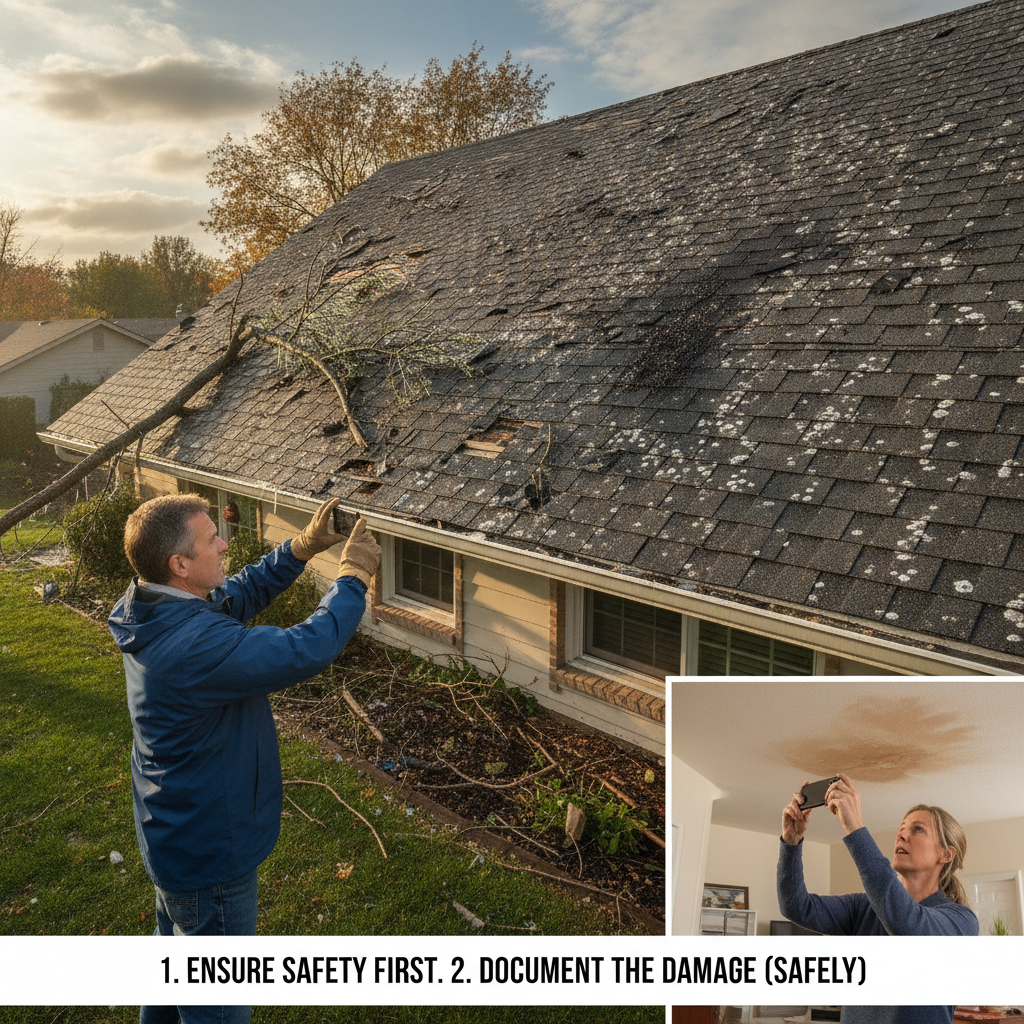
If you suspect storm damage after a recent weather event in the area, it’s essential to act promptly. The first step is to visually inspect your property from the ground. Look for obvious signs such as missing or curled shingles, debris on the roof, or damage to gutters and downspouts. Even if your roof appears intact, hidden issues can develop over time and lead to leaks or structural problems. Remember, safety comes first, never climb onto a wet or damaged roof yourself. Instead, use binoculars or a camera with a zoom lens to get a closer look from a safe distance.
Document any visible damage with photos and notes. This documentation will be invaluable if you need to file an insurance claim or work with a contractor. Common signs of storm damage include granule loss on shingles, cracked or broken tiles, dented metal flashing, and water stains on ceilings or walls inside your building. If you notice any of these issues, it’s time to contact roof repair services for storm damage to get a professional opinion and prevent further deterioration.
In this community, storms can bring high winds, hail, and heavy rain, all of which can compromise your roof’s integrity. Acting quickly after a storm not only protects your property but can also help streamline the insurance process. Many policies require prompt reporting of damage, so don’t delay if you suspect storm damage. The sooner you address potential problems, the less likely you are to face more expensive repairs down the road.
How to Handle Suspected Storm Damage in Bloomfield Hills, MI
After a storm, it’s common for property owners in the region to feel uncertain about the next steps. If you suspect storm damage, don’t ignore even minor issues. Begin by checking your attic and ceilings for water stains or leaks, which can indicate roof penetration. Listen for unusual dripping sounds during or after rainfall, and check for damp insulation or mold growth. These subtle signs can point to storm-related roof damage that may not be immediately visible from the exterior.
It’s also important to review your insurance policy and understand your coverage. Most policies require timely notification of damage, so contact your insurer as soon as possible. Provide them with your documentation and request guidance on the claims process. If you’re unsure about the extent of the damage, schedule a Bloomfield Hills storm damage inspection with a reputable local contractor. Professional inspections can uncover hidden issues and provide you with a detailed report to support your insurance claim.
Don’t forget to check around your property for fallen branches, damaged fences, or other signs of storm impact. These can offer clues about the severity and direction of the storm. By staying proactive and thorough in your inspection, you can ensure that all potential damage is addressed before it becomes a bigger problem. If you suspect storm damage, acting quickly is your best defense against costly repairs and insurance complications.
Steps to Take If You Suspect Storm Damage in Bloomfield Hills Michigan
When you suspect storm damage in this city, having a clear action plan is crucial. Start by making a checklist of areas to inspect: roof surface, gutters, attic, ceilings, and exterior walls. Look for signs such as displaced shingles, damaged flashing, or clogged gutters filled with debris. If you find evidence of damage, avoid making temporary repairs yourself unless you have experience and the proper safety equipment. Improper repairs can void warranties or worsen the situation.
Next, contact a trusted local roofing professional for a thorough assessment. Many contractors offer free or low-cost inspections after storms and can provide an expert opinion on the extent of the damage. Scheduling timely roof inspections ensures that even minor issues are identified before they escalate. If you suspect storm damage, make it a priority to get a professional evaluation rather than relying solely on your own observations.
Keep all your records organized, including inspection reports, repair estimates, and communication with your insurance company. This documentation will be invaluable if you need to dispute a claim or verify the timeline of events. Remember, addressing storm damage promptly can save you money and stress in the long run. Don’t wait until a small issue turns into a major repair, take action as soon as you suspect storm damage.
Why Professional Help Matters When You Suspect Storm Damage
While it’s tempting to assess and repair storm damage on your own, enlisting professional help is often the safest and most effective approach. Roofing experts have the training, tools, and experience to spot damage that may not be obvious to the untrained eye. They can also provide accurate repair estimates and help you navigate the insurance claims process. If you suspect storm damage, working with a reputable company like Bloomfield Construction ensures that your property receives a thorough evaluation and high-quality repairs.
Professionals can also identify underlying issues such as compromised roof decking, damaged insulation, or hidden leaks that could lead to mold growth or structural problems. By catching these issues early, you can avoid more extensive and expensive repairs in the future. Additionally, many roofing contractors offer warranties on their work, giving you peace of mind that your investment is protected. If you suspect storm damage, don’t hesitate to reach out to experts who can guide you through every step of the process.
Another benefit of hiring professionals is their ability to work directly with insurance adjusters. They can provide detailed reports, photographs, and repair estimates that support your claim and ensure you receive fair compensation. This can be especially valuable for small business owners and property managers who need to minimize downtime and protect their assets. If you suspect storm damage, professional assistance is your best ally in restoring your property quickly and efficiently.
Common Signs That Indicate Storm Damage
Recognizing the signs of storm damage early can help you take swift action and prevent further deterioration of your roof. Some of the most common indicators include missing or torn shingles, dents in metal components, and granule buildup in gutters. Water stains on interior ceilings or walls are also a red flag that moisture has penetrated the roofing system. In some cases, you may notice sagging rooflines, loose flashing, or exposed underlayment.
Hailstorms can cause bruising or cracking on shingles, while high winds may lift or completely remove roofing materials. After a storm, check for debris such as tree branches or leaves that could have caused impact damage. If you suspect storm damage, don’t overlook subtle changes in your roof’s appearance or performance. Even minor issues can escalate quickly if left unaddressed. Regular inspections and prompt repairs are essential for maintaining the integrity of your roof and protecting your property from water intrusion and structural problems.
If you’re unsure about what to look for, consider consulting a professional for a detailed assessment. They can identify both visible and hidden damage, ensuring that all issues are addressed before they become more serious. Remember, the sooner you act when you suspect storm damage, the better your chances of avoiding costly repairs and insurance complications.
Immediate Steps to Take After a Storm
After a severe weather event, taking immediate action can help minimize the impact of storm damage on your property. Start by ensuring the safety of everyone on the premises. Avoid entering areas with visible structural damage or standing water, as these can pose serious risks. Once it’s safe, begin documenting the condition of your roof and property with photos and detailed notes. This information will be crucial if you need to file an insurance claim or seek professional repairs.
If you suspect storm damage, temporarily cover exposed areas with tarps or plastic sheeting to prevent water intrusion. However, avoid making permanent repairs until a professional has assessed the damage and your insurance company has given the go-ahead. Keep all receipts and records of any temporary repairs, as these may be reimbursable under your policy. Prompt action not only protects your property but also demonstrates to your insurer that you’ve taken reasonable steps to mitigate further damage.
Contact your insurance company as soon as possible to report the damage and initiate the claims process. Provide them with your documentation and be prepared to answer questions about the extent and cause of the damage. If you suspect storm damage, acting quickly can help you secure the resources you need to restore your property and prevent additional losses.
How Storm Damage Affects Different Roofing Materials
Not all roofs are created equal, and different materials respond to storm damage in unique ways. Asphalt shingles, for example, are prone to granule loss and tearing during high winds or hail. Metal roofs can dent or develop punctures, while tile roofs may crack or break under impact. Flat roofs, often used on commercial buildings, are susceptible to membrane punctures and pooling water after heavy rain.
If you suspect storm damage, it’s important to understand how your specific roofing material may be affected. Some damage, such as bruised shingles or minor dents, may not cause immediate leaks but can reduce the lifespan of your roof. Other issues, like cracked tiles or punctured membranes, can lead to rapid water intrusion and structural problems. Regular inspections and prompt repairs are essential for all roof types, but especially for older roofs or those with previous repairs.
Consulting with a roofing professional who is familiar with your roofing material can help you identify and address issues before they become more serious. If you suspect storm damage, don’t assume that your roof is immune, every material has its vulnerabilities, and proactive maintenance is the key to long-term protection.
The Insurance Claims Process for Storm Damage
Navigating the insurance claims process after storm damage can be daunting, but understanding the steps involved can make it much smoother. Begin by reviewing your policy to determine what types of storm damage are covered and any specific requirements for reporting and documentation. Most insurers require prompt notification, so contact them as soon as you suspect storm damage.
Prepare a detailed record of the damage, including photos, inspection reports, and receipts for any temporary repairs. Your insurer may send an adjuster to assess the damage and estimate repair costs. It’s often helpful to have a professional roofer present during the inspection to ensure that all issues are documented accurately. If you disagree with the adjuster’s assessment, you have the right to request a second opinion or provide additional evidence.
Keep all communication with your insurer in writing and maintain copies of all documents. If you suspect storm damage, being organized and proactive can help you secure a fair settlement and get your property back to its pre-storm condition as quickly as possible. Don’t hesitate to ask questions or seek clarification about your policy and the claims process.
Preventative Measures to Protect Your Roof From Storm Damage
While it’s impossible to prevent all storm damage, there are steps you can take to minimize your risk and protect your property. Regular maintenance is key, schedule annual roof inspections and address minor issues before they escalate. Keep gutters and downspouts clear of debris to ensure proper drainage and reduce the risk of water backup. Trim overhanging branches and remove dead trees that could fall during a storm.
Consider upgrading to impact-resistant roofing materials if you live in an area prone to severe weather. Reinforce flashing, seal roof penetrations, and ensure that attic ventilation is adequate to prevent moisture buildup. If you suspect storm damage after a weather event, act quickly to assess and repair any issues. Proactive maintenance not only extends the life of your roof but can also lower your insurance premiums and increase your property’s value.
Educate your employees or tenants about the signs of storm damage and encourage them to report any concerns promptly. By fostering a culture of vigilance and preparedness, you can reduce the impact of severe weather on your property and ensure a swift response when issues arise.
Comparing DIY vs. Professional Storm Damage Inspections
When it comes to assessing storm damage, many property owners wonder whether to conduct their own inspection or hire a professional. While a DIY inspection can help you spot obvious issues, it’s easy to overlook subtle or hidden damage without the proper training and equipment. Professionals use specialized tools and have the experience to identify problems that may not be visible from the ground or to the untrained eye.
Here’s a comparison of DIY versus professional inspections to help you make an informed decision:
| Aspect | DIY Inspection | Professional Inspection |
|---|---|---|
| Safety | Potential risk, especially on wet or steep roofs | Trained and equipped for safe inspections |
| Thoroughness | May miss hidden or subtle damage | Comprehensive assessment, including hidden issues |
| Documentation | Basic photos and notes | Detailed reports, photos, and repair estimates |
| Insurance Support | Limited assistance with claims | Expert guidance through the claims process |
| Cost | Low or no cost, but may miss costly issues | Upfront cost, but can save money in the long run |
If you suspect storm damage, a professional inspection is often the best choice for ensuring your roof’s safety and longevity. While DIY checks are helpful for initial assessments, only a trained expert can provide the comprehensive evaluation needed to protect your property and support insurance claims.
Long-Term Risks of Ignoring Storm Damage
Ignoring storm damage can have serious consequences for your property. Even minor issues, such as a few missing shingles or small leaks, can escalate into major problems if left unaddressed. Water intrusion can lead to mold growth, rotting wood, and structural damage, all of which can be expensive and time-consuming to repair. If you suspect storm damage, prompt action is essential to prevent these long-term risks.
Unresolved storm damage can also affect your insurance coverage. Many policies require timely reporting and repairs, and failure to act can result in denied claims or reduced payouts. For business owners, ignoring storm damage can disrupt operations, damage inventory, and create liability issues. Protect your investment by addressing any concerns as soon as you suspect storm damage. Regular maintenance and professional inspections are your best defense against costly repairs and insurance complications.
Don’t underestimate the impact of even minor storm damage. By staying vigilant and proactive, you can ensure the long-term health and value of your property.
The Bottom Line
Storms can strike unexpectedly, leaving your roof vulnerable to a range of issues. If you suspect storm damage, acting quickly and knowledgeably is the best way to protect your property and avoid costly repairs. From initial inspections and documentation to working with professionals and navigating insurance claims, every step you take matters. Remember to prioritize safety, keep thorough records, and seek expert guidance when needed. By staying proactive and informed, you can ensure your roof remains strong and secure for years to come. Don’t wait until minor damage becomes a major problem, take action as soon as you suspect storm damage and rest easy knowing you’ve done everything possible to safeguard your investment.