When water invades your business or home, the aftermath can be overwhelming. For property owners and developers, the threat doesn’t end once the visible water is gone. Mold growth is a persistent danger that can develop rapidly after water damage, leading to health hazards, structural issues, and costly repairs. Understanding how to prevent mold after an incident is crucial for anyone invested in property upkeep, especially when seeking effective Water Damage Restoration Bloomfield Hills solutions. In this guide, we’ll explore the science behind mold growth, the steps you should take immediately following water damage, and the best practices for keeping your property safe and healthy in the long run. Whether you’re a small business owner, a developer, or a concerned resident, these actionable insights will empower you to act quickly and decisively to prevent mold from taking hold.
Why Mold Thrives After Water Damage
Mold is a type of fungus that naturally exists in the environment, but it becomes a significant problem when it finds the right conditions to thrive indoors. After water damage, whether from a burst pipe, flooding, or even a leaky roof, the combination of moisture, warmth, and organic material creates the perfect breeding ground for mold spores to settle and multiply. Mold can begin to grow within 24 to 48 hours after exposure to water, making rapid response essential.
The primary reason mold is so quick to appear after water damage is that most building materials, like drywall, wood, and carpet, are porous and retain moisture. Once these materials are wet, they provide both the nutrients and the environment mold needs. Without immediate and thorough drying, mold colonies can establish themselves deep within walls or under floors, often out of sight.
Temperature also plays a role. Mold prefers temperatures between 60 and 80 degrees Fahrenheit, which is the typical indoor climate. Poor ventilation and lingering humidity only increase the risk. That’s why understanding the science behind mold growth helps property owners prioritize the right actions after water damage.
For those looking to safeguard their investments, working with experienced professionals like Bloomfield Construction can make a significant difference in preventing mold and restoring your property to its pre-loss condition.
Immediate Actions to Take After Water Intrusion
The first 24 to 48 hours following water damage are critical for mold prevention. Acting quickly can mean the difference between a straightforward cleanup and a major remediation project. Here are the steps every property owner should take immediately after discovering water intrusion:
- Stop the source of water if possible. Turn off the main water supply or address the leak.
- Remove standing water using pumps, wet vacuums, or mops.
- Increase ventilation by opening windows and doors, and use fans to promote air circulation.
- Remove wet items like rugs, furniture, and personal belongings to a dry area.
- Begin drying affected areas with dehumidifiers and air movers as soon as possible.
Time is of the essence. Even a short delay can allow mold spores to take root. If the affected area is large or the damage is severe, it’s wise to contact a restoration specialist right away. For more on choosing the right materials to withstand local weather, see How to Choose the Right Roofing Material for Bloomfield Hills Weather.
Remember, safety comes first. If the water is contaminated (such as from sewage or floodwaters), avoid contact and let professionals handle the cleanup to prevent health risks.
Identifying Hidden Moisture and Mold Risks
Not all water damage is visible to the naked eye. Water can seep into wall cavities, under floors, and inside ceilings, creating pockets of moisture that are difficult to detect. These hidden damp areas are prime locations for mold growth, especially if they go unnoticed for several days.
Common signs of concealed moisture include persistent musty odors, discoloration on walls or ceilings, and the appearance of condensation on surfaces. However, by the time these signs appear, mold may already have started to grow.
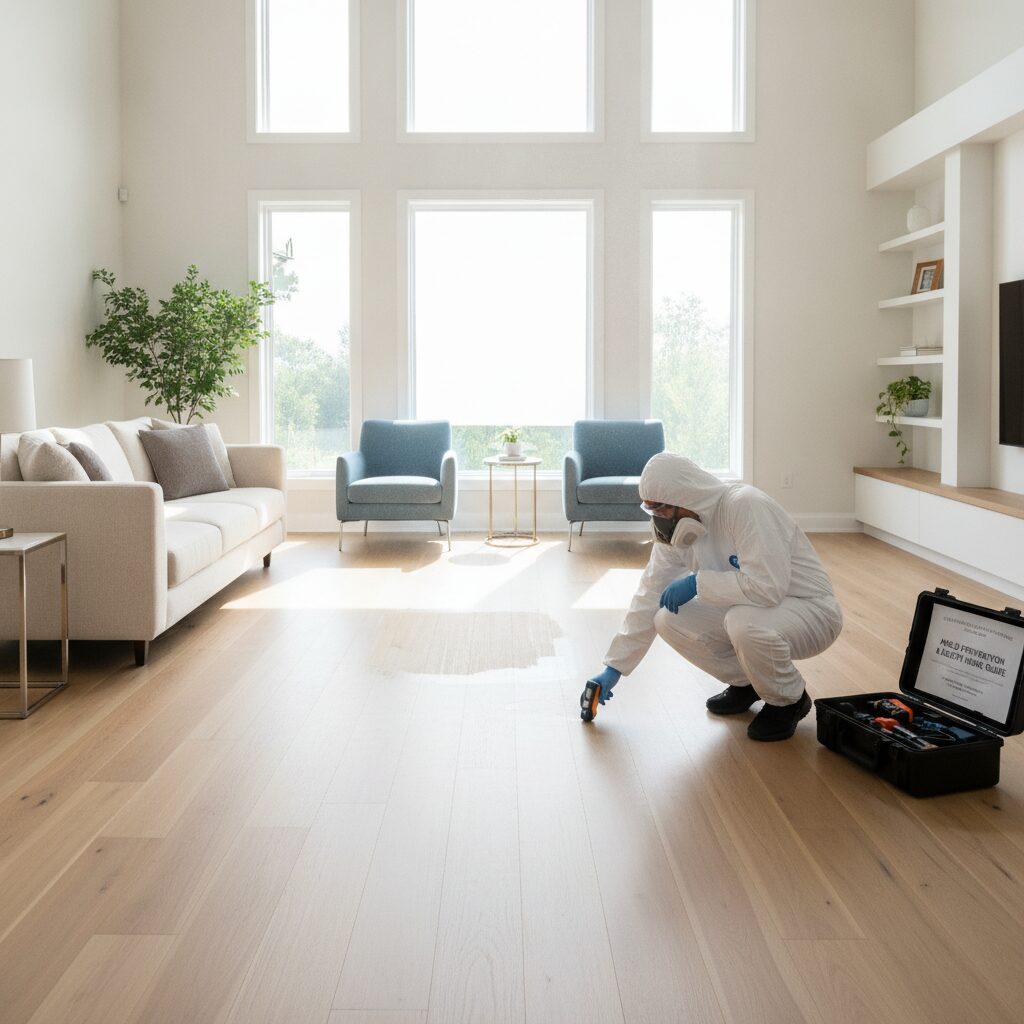
Professional restoration teams use specialized tools like moisture meters, infrared cameras, and hygrometers to identify damp areas that need attention. This technology allows them to target drying efforts where they’re needed most, reducing the risk of mold taking hold in hidden spaces. For a detailed look at how experts uncover these risks, check out What Happens During Professional Moisture Mapping in Bloomfield Hills Water Restoration.
By understanding where water can hide, property owners can take proactive steps to ensure their restoration efforts are thorough and effective, preventing future mold problems.
The Role of Professional Drying and Dehumidification
While DIY drying methods might seem sufficient, professional drying and dehumidification are essential for complete moisture removal. Restoration specialists use commercial-grade equipment designed to extract water from deep within building materials, ensuring that even hard-to-reach areas are thoroughly dried.
Dehumidifiers are particularly important in the mold prevention process. They pull moisture from the air and materials, lowering indoor humidity to levels where mold cannot thrive. Air movers help by circulating air across wet surfaces, speeding up evaporation. Professionals monitor humidity and moisture levels throughout the process, adjusting equipment as needed to achieve optimal results.
Attempting to dry out a property with household fans or open windows alone often leaves moisture trapped inside walls or under flooring. This can lead to hidden mold growth that goes undetected until it causes significant damage. Relying on experienced restoration teams ensures a thorough, science-based approach to drying, which is key to long-term mold prevention.
For business owners and developers, investing in professional drying services protects property value and occupant health, reducing the risk of future repairs and liability.
Understanding Mold Remediation vs. Mold Prevention
It’s important to distinguish between mold remediation and mold prevention. Mold prevention focuses on stopping mold before it starts by controlling moisture and maintaining proper ventilation. This is the ideal scenario and saves property owners significant time and money.
Mold remediation, on the other hand, involves removing established mold colonies from a property. This process is more complex and may require demolition of affected materials, specialized cleaning, and the use of antimicrobial treatments. Remediation can be disruptive and costly, often requiring occupants to vacate the premises during treatment.
The best strategy is always prevention. By acting quickly after water damage and ensuring thorough drying, you greatly reduce the odds of needing remediation. However, if mold is already present, professional remediation is necessary to restore a safe environment.
Being proactive about moisture control and regular inspections is the most effective way to keep mold at bay, especially in regions prone to humidity or frequent storms.
Common Property Materials and Their Mold Risks
Not all building materials are equally susceptible to mold. Understanding which materials are most at risk can help you prioritize your drying and inspection efforts after water damage. Here’s a quick overview:
| Material | Mold Risk Level | Notes |
|---|---|---|
| Drywall | High | Absorbs water quickly, mold can grow inside walls |
| Carpet & Padding | High | Retains moisture, can harbor mold underneath |
| Wood & Subfloor | Moderate to High | Porous, slow to dry without professional help |
| Tile & Concrete | Low | Non-porous, but grout and cracks can hold moisture |
| Insulation | High | Can stay wet for long periods, difficult to dry |
Focus on drying and inspecting high-risk materials first. In many cases, removing and replacing these materials is the safest choice if they’ve been saturated for more than 48 hours.
Ventilation and Air Quality Control
Proper ventilation is a key factor in preventing mold after water damage. Mold spores are everywhere, but they need moisture and stagnant air to thrive. By increasing airflow and reducing humidity, you make your property less hospitable to mold.
After water intrusion, keep windows and doors open when weather allows, and use fans to move air throughout the space. Dehumidifiers should run continuously until all affected areas are dry. Pay special attention to enclosed spaces like closets, basements, and crawl spaces, which are especially prone to moisture buildup.
Maintaining good air quality also involves cleaning HVAC systems and replacing filters, as these can harbor mold spores and spread them throughout the property. Regularly inspect and clean vents, ducts, and air returns to ensure optimal airflow and minimize mold risks.
For ongoing prevention, consider installing humidity sensors or smart thermostats that alert you when indoor moisture levels rise above safe thresholds. This proactive step helps you catch problems before they escalate.
Cleaning and Disinfecting After Water Damage
Once standing water is removed and drying is underway, thorough cleaning and disinfection are essential. Water damage can introduce bacteria, viruses, and other contaminants into your property, especially if the source was unsanitary. Mold spores are also likely present, even if you can’t see them yet.
Use EPA-registered disinfectants on all hard surfaces, including floors, walls, and furniture. For porous materials like upholstery or carpets, professional cleaning or replacement may be necessary. Pay special attention to areas that were fully submerged or remained wet for extended periods.
Personal protective equipment (PPE) such as gloves, masks, and goggles should be worn during cleaning to avoid exposure to harmful microbes and mold spores. Dispose of any materials that cannot be thoroughly cleaned and dried, such as insulation or heavily saturated drywall.
Regular cleaning and disinfection not only prevent mold but also protect the health of everyone who lives or works in the building. For business owners, maintaining a clean and safe environment is vital for employee well-being and customer trust.
Long-Term Strategies for Mold Prevention
Preventing mold is an ongoing process that extends beyond the immediate aftermath of water damage. Implementing long-term strategies can help you avoid recurring problems and protect your property for years to come.
- Conduct regular inspections of roofing, plumbing, and foundation for leaks or signs of moisture.
- Install and maintain proper drainage systems around your property to keep water away from the foundation.
- Keep gutters and downspouts clear of debris to prevent water backup.
- Use mold-resistant building materials in high-risk areas like basements and bathrooms.
- Maintain indoor humidity below 50 percent with dehumidifiers or air conditioners.
Education is also key. Train employees or tenants to recognize early signs of water damage and mold, and encourage prompt reporting and action. The more vigilant you are, the less likely mold will become a recurring issue in your property.
When to Call a Mold Remediation Specialist
Despite your best efforts, there are times when professional intervention is necessary. If you notice persistent musty odors, visible mold growth, or unexplained health symptoms among occupants, it’s time to call a mold remediation specialist. Large-scale water damage, contaminated water, or repeated leaks also warrant expert help.
Professionals have the training, equipment, and experience to safely remove mold and restore your property. They can identify hidden mold, contain affected areas, and use specialized cleaning agents to eliminate spores. Attempting to handle significant mold problems on your own can lead to incomplete removal and recurring issues.
For business owners, timely remediation protects your reputation, minimizes liability, and ensures compliance with health and safety standards. For residents, it means peace of mind and a healthier living environment. Don’t hesitate to reach out for help when the situation calls for it.
Insurance Considerations for Mold and Water Damage
Navigating insurance after water damage can be complex, especially when mold is involved. Many standard property insurance policies cover sudden and accidental water damage, but they may exclude or limit coverage for mold remediation, especially if the mold results from neglected maintenance or slow leaks.
To maximize your chances of coverage, document all damage with photos and keep records of your response efforts, including drying, cleaning, and professional services. Notify your insurer as soon as possible and follow their instructions for filing a claim. If you’re unsure about your policy’s mold coverage, speak with your agent to clarify what’s included and consider adding endorsements if necessary.
Prompt action and thorough documentation are your best allies when dealing with insurance claims. For business owners, understanding your policy can help you recover faster and minimize financial losses after an incident.
Final Thoughts
Mold prevention after water damage is a challenge that requires both immediate action and long-term vigilance. By understanding how mold thrives, acting quickly to dry and clean affected areas, and implementing ongoing strategies to control moisture, you can protect your property, your health, and your investment. Whether you’re a small business owner, a developer, or a resident in the area, staying informed and prepared is your best defense against mold. Don’t wait for a problem to become visible, take proactive steps now to ensure a safer, healthier environment for everyone who depends on your property.