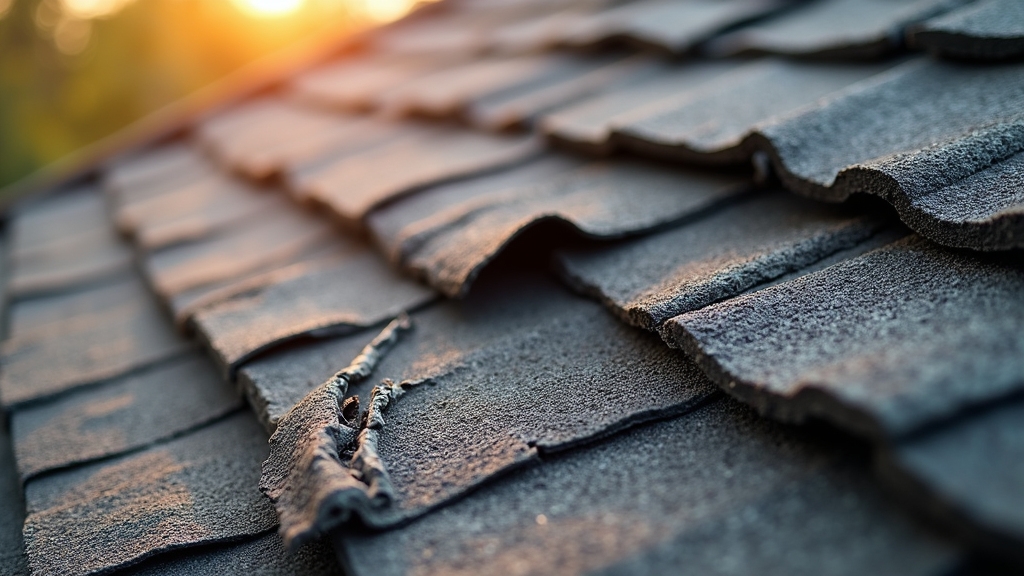
Consider replacing your roof when you notice these key indicators: your roof is 20-25 years old, shingles are curling or missing, gutters contain excessive granules, light penetrates your attic, the roof deck sags, energy bills rise unexpectedly, or moss spreads extensively across shingles. Each sign points to compromised protection for your home. The following seven warning signs will help you determine if it’s time for a professional roof assessment.
Key Takeaways
- Roofs showing visible damage like curling, cracked or missing shingles need replacement to prevent leaks and water damage.
- Excessive granule loss beyond normal shedding indicates advanced deterioration and signals the end of a roof’s lifecycle.
- Light penetrating into your attic through the roof deck suggests compromised barriers that allow moisture and pests to enter.
- A sagging or uneven roof deck indicates structural compromise requiring immediate professional attention.
- Unexplained increases in energy bills alongside visible roof deterioration often signal insulation and ventilation problems.
Age Has Caught Up With Your Shingles
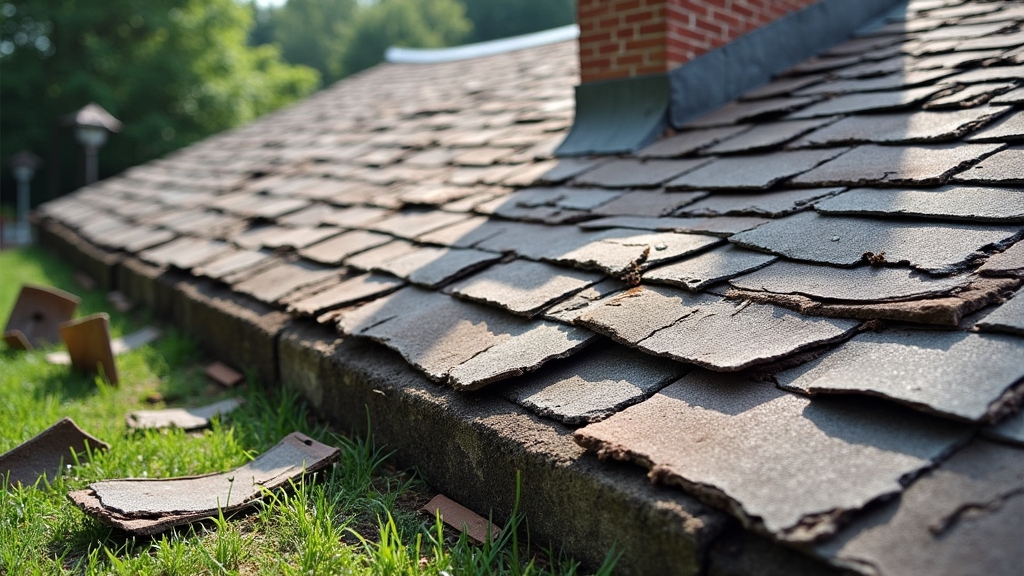
Although asphalt shingles typically last 20-25 years, their lifespan depends on several factors including climate, maintenance, and installation quality.
You’ll notice visible signs of shingle deterioration as your roof ages, such as curling edges, cracked surfaces, or bald spots where granules have worn away.
Check your roof’s age by reviewing home improvement records or previous inspection reports. If you’re approaching that 20-year mark, it’s time to evaluate your roof’s condition more critically.
In severe weather regions, roof lifespan often shortens markedly—sometimes by 5-7 years.
Don’t ignore the telltale signs of aging shingles: excessive granules in gutters, visible sagging, or multiple leaks.
These indicators suggest your roof has reached the end of its effective service life.
Remember that addressing an aging roof proactively costs considerably less than waiting for catastrophic failure that damages your home’s interior and structure.
Curling, Buckling, or Missing Shingles
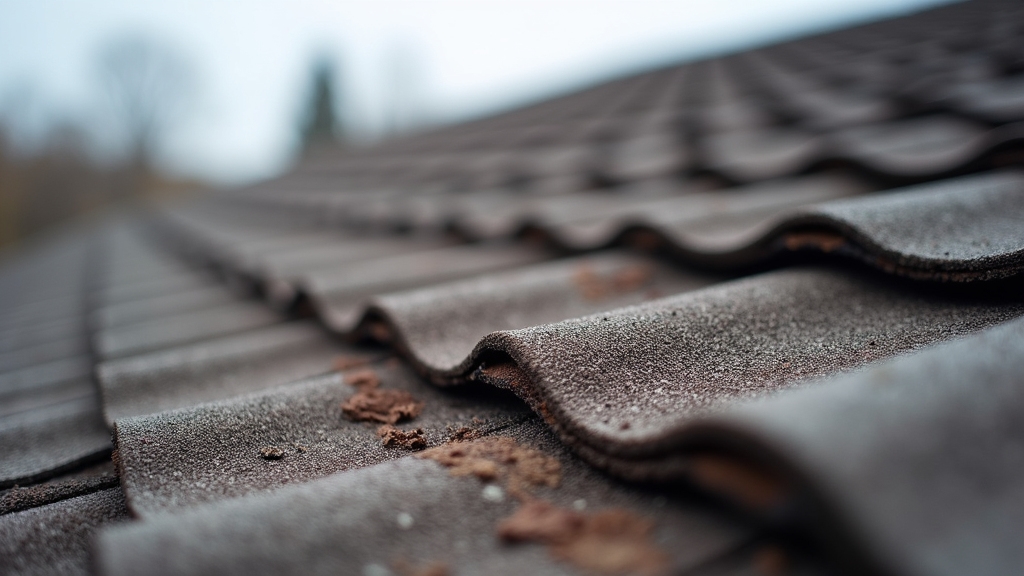
Curled, buckled, or missing shingles on your roof serve as clear warning signs that you’ll need a replacement soon.
You can spot this damage during a visual inspection of your roof’s surface, where age-related deterioration typically manifests as edges lifting or entire pieces breaking away.
These issues often worsen after severe weather events, with wind and hail creating vulnerable spots that can lead to leaks if not addressed promptly.
Visual Damage Assessment
While your roof may appear intact from a distance, a closer inspection often reveals telltale signs of damage that shouldn’t be ignored. Conducting a regular visual inspection helps identify problems before they escalate into costly repairs.
During your damage assessment, look for obvious issues like cracked, warped, or missing shingles. Check for granules collecting in gutters—a sign of advanced shingle wear.
Examine flashing around chimneys, vents, and skylights for rust or separation that could allow water penetration. Don’t overlook sagging areas, which indicate potential structural weakness.
Water stains on your ceiling or walls often correspond to roof damage directly above. If you’re uncomfortable performing this inspection yourself, hire a professional who can safely assess hard-to-see areas and provide expert recommendations.
Age-Related Deterioration
Three distinct physical changes in your shingles serve as primary indicators of age-related roof deterioration. When you notice curling edges, buckling in the middle sections, or missing shingles altogether, your roof is signaling its advanced age.
| Age Indicator | What It Means | Maintenance Tips |
| Curling | Moisture damage, heat damage | Inspect biannually |
| Buckling | Improper installation, moisture underneath | Address drainage issues |
| Missing Shingles | Wind damage, broken sealants | Replace immediately |
Your roof’s typical lifespan varies by material, but most asphalt shingles last 20-25 years. Don’t wait until water penetrates your home to act. Regular inspections can help you track these age-related changes and plan for replacement before catastrophic failure occurs. Remember, preventative maintenance extends roof lifespan and saves money long-term.
Weather Impact Signs
Although regular aging affects all roofs eventually, severe weather events can accelerate damage and create distinct warning signs that shouldn’t be ignored.
After storms pass through your area, you’ll need to inspect your roof for telltale evidence of weather impact that often indicates replacement is necessary.
- Curling shingles: When edges turn upward or center sections bubble, water can penetrate beneath, especially after hail impact.
- Missing shingles: Bare spots expose your underlayment to the elements, leading to leaks and structural damage.
- Granules in gutters: Excessive loss of protective granules after storm damage compromises your shingles’ integrity.
- Impact marks: Circular indentations from hail damage weaken shingles and create vulnerable spots where moisture can enter.
Don’t wait until interior leaks appear—these exterior signs warrant immediate professional assessment.
Granules in the Gutters
If you’re checking your gutters and find small, coarse granules resembling dark sand, you’re looking at protective minerals from your roof’s shingles.
These mineral granules shield your shingles from UV rays and weather damage, but they’ll naturally shed more as your roof ages.
While some granule loss is normal after storms, excessive amounts collecting in your gutters often signals it’s time for a roof replacement.
Composition of Roof Granules
Those small, colorful particles collecting in your gutters tell an important story about your roof’s health. Roof granules are primarily composed of crushed rock with ceramic coatings, designed to protect your shingles from various elements. Understanding granule types and granule functions helps you assess your roof’s condition more accurately.
- Ceramic-coated granules reflect UV rays and prevent premature aging
- Copper-infused varieties inhibit algae and moss growth on your roof
- Color-fast granules maintain your roof’s appearance while providing fire resistance
- Heavy-duty mineral granules add weight to shingles, increasing wind resistance
When you notice excessive granule loss, it’s often a sign that your shingles are deteriorating. Normal shedding occurs after installation, but continuous or heavy granule loss typically indicates your roof is approaching the end of its effective lifespan.
Quantity Indicates Roof Age
Three distinct phases of granule loss can help you determine your roof’s current age and condition.
During the initial roof lifecycle phase, you’ll notice minimal shedding—some loose granules in gutters is normal and shouldn’t cause alarm. This typically occurs in the first 1-3 years after installation.
The middle phase (years 4-15) shows moderate, gradual granule loss. You’ll find consistent but small amounts in your gutters after storms. This indicates normal weathering but requires regular maintenance considerations.
The critical phase begins when you observe heavy granule accumulation in downspouts and gutters, exposing large bare spots on shingles. This significant loss signals your roof is in its final lifecycle stage.
When you’re regularly cleaning handfuls from your gutters, it’s time to schedule a replacement consultation.
Seasonal Granule Shedding
Monitoring granule accumulation in gutters needs context beyond just quantity—seasonal patterns also play a significant role. Normal seasonal impacts cause minimal granule loss, while problematic shedding indicates roof deterioration. You’ll want to distinguish between these patterns to avoid unnecessary replacements.
- Spring showers often wash loose granules away, creating temporary accumulation that doesn’t necessarily signal roof failure.
- Summer’s intense heat and UV exposure can accelerate granule loss on already-weakened shingles.
- Fall leaf cleanup provides an ideal opportunity to inspect granule levels separate from other debris.
- Winter freeze-thaw cycles may dislodge granules, but consistent heavy shedding in cold months indicates serious problems.
If you notice granule loss increasing year-over-year rather than remaining consistent with seasonal patterns, it’s time to consult a professional about potential replacement.
Daylight Through the Roof Boards
While inspecting your attic, if you notice streams of light penetrating through the roof boards, you’re facing a serious warning sign that demands immediate attention.
Light penetration indicates that your roof has deteriorated to the point where the protective barriers have failed, creating pathways for outside elements to enter your home.
When your roof lets in light, it’s no longer keeping its promise to protect your home from the elements.
This issue extends beyond mere light—it means water, snow, and pests can also access your attic. Once light finds its way through, moisture typically follows, compromising your roof’s structural integrity and potentially leading to rot, mold, and eventual collapse.
Don’t wait until you see water stains on your ceiling. Schedule a professional roof inspection immediately if you spot any light beams in your attic.
Sagging Roof Deck
A sagging or uneven roof deck represents one of the most alarming visual indicators that your roof requires immediate replacement. When you notice dips, waves, or drooping areas along your roofline, you’re witnessing symptoms of compromised structural integrity that shouldn’t be ignored.
The sagging often results from prolonged moisture exposure that weakens the roof structure over time. This deterioration can accelerate rapidly, putting your entire home at risk.
You’ll want to check both the exterior appearance and your attic ceiling for signs of deformation.
- Water-damaged roof decking that’s begun to rot and lose its rigidity
- Improper attic ventilation causing rafters to warp and bend under stress
- Original construction defects now manifesting as structural weaknesses
- Excessive weight from multiple roof layers or prolonged heavy snow loads
Don’t delay addressing a sagging roof deck—this issue threatens your home’s structural stability and can lead to catastrophic failure if left unattended.
Rising Energy Bills Despite Normal Usage
Beyond the visible structural concerns like a sagging roof deck, your home might be sending you financial signals that roof replacement is needed. When you notice your energy bills climbing despite consistent usage patterns, your roof could be the culprit.
An aging or damaged roof often compromises your home’s energy efficiency through deteriorated insulation and ventilation systems. As your roof weakens, it allows conditioned air to escape and outside temperatures to infiltrate, forcing your HVAC system to work harder than necessary.
These insulation issues typically worsen gradually, which is why many homeowners don’t immediately connect their rising utility costs to roof problems.
Look for other supporting evidence: uneven temperatures throughout your home, unusual drafts in upper rooms, or your HVAC system running more frequently.
If your energy bills have increased by 15% or more without explanation, consider scheduling a professional roof inspection to determine if replacement could restore your home’s efficiency and reduce monthly costs.
Moss and Algae Spreading Across Rooftop
Rooftop vegetation might seem harmless or even charming, but moss and algae spreading across your shingles signals more than just a cosmetic issue.
These organisms retain moisture against your roof surface, accelerating shingle deterioration and potentially causing leaks. When moss takes hold, it can lift shingles and create pathways for water to enter your home.
Moss doesn’t just look unsightly—it actively destroys your roof by holding moisture and forcing shingles apart.
While professional moss removal can temporarily solve the problem, extensive growth often indicates your roof has reached a critical age where replacement becomes more cost-effective than repeated treatments.
- Dark streaks running down your roof likely indicate algae colonies feeding on limestone filler in asphalt shingles.
- Thick, carpet-like moss growth suggests moisture is being trapped beneath your shingles.
- North-facing roof sections typically show moss growth first due to less sun exposure.
- Algae prevention measures like zinc or copper strips become less effective on older roofs.
Frequently Asked Questions
How Much Does a Typical Roof Replacement Cost?
You’ll typically spend $5,000-$25,000 on your roof replacement. Roofing costs vary based on replacement factors like home size, material type, labor rates, and your location’s market conditions.
Can I Install a New Roof Over Existing Shingles?
Yes, you can install over existing shingles, but most roofing permits limit this to one layer. Check local installation guidelines first, as adding weight may cause structural issues and potentially void warranties.
How Long Does a Roof Replacement Typically Take?
Most residential roof replacements take 1-3 days. Your roofing timeline depends on home size, weather conditions, and complexity. The installation process moves quickly with professional crews working efficiently to minimize disruption to your home.
What Roofing Material Offers the Best Value for Money?
Asphalt shingles typically offer the best value for money with their low upfront cost and decent lifespan. However, metal roofing provides superior long-term value despite higher initial investment due to its exceptional durability and longevity.
Should I Replace My Roof Before Selling My Home?
Yes, you should if your roof condition is poor. A new roof boosts home selling appeal, eliminates buyer objections, and often yields a higher return than the investment. Consider a pre-listing inspection to decide.
Final Thoughts
When you start noticing curling or missing shingles, heavy granule buildup in your gutters, daylight in the attic, or a sagging roof deck, your home is telling you it’s time for a closer look. These warning signs don’t just affect appearance—they point to leaks, structural strain, higher energy bills, and long-term damage if you wait too long. Using a checklist of critical roof repair signs and scheduling regular inspections helps you decide when simple repairs are enough and when it’s time to plan a full replacement.
You don’t have to figure that out on your own. The team at Bloomfield Construction and Restoration can perform a professional assessment, explain whether you need targeted roof repair or full replacement, and walk you through options that fit your budget and timeline. If you’re already seeing active leaks or interior damage, our quality roof repair services and emergency roof leak solutions can help stabilize the situation quickly while you plan next steps. For more guidance on what to expect, you can also explore our roofing FAQ.
If you’re unsure whether your roof still has a few good years left or it’s time to replace it, contact Bloomfield Construction and Restoration today. We’ll inspect your roof, explain what the warning signs mean for your home, and give you clear, no-pressure recommendations so you can protect your biggest investment with confidence.