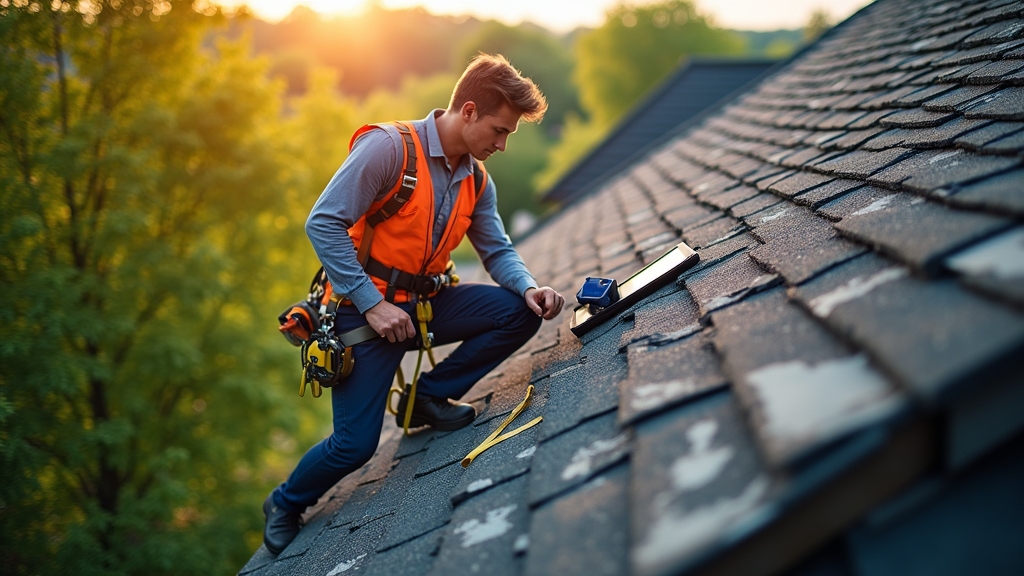
Regular roof inspections may seem like an optional expense, but they’re actually a smart investment. You’ll catch minor issues before they become costly emergencies, potentially saving thousands in repairs. Professional inspections extend your roof’s lifespan by up to 5 years and preserve your insurance coverage. After severe weather, hidden damage can quickly escalate if left unaddressed. Discover how this small preventative measure protects both your home’s structural integrity and your wallet.
Key Takeaways
- Skipping inspections lets minor issues escalate into costly structural, mold, or electrical damage that can far exceed inspection costs.
- Professional inspections catch subtle storm or wear damage invisible from the ground, preventing hidden leaks and rot.
- Regular inspections extend roof life and defer replacement costs, improving long-term financial planning.
- Insurance may deny claims for damage caused by neglected maintenance, leaving you responsible for expensive repairs.
- Inspectors identify safety hazards early, protecting family health and preventing dangerous structural failures.
The Hidden Costs of Neglected Roof Maintenance
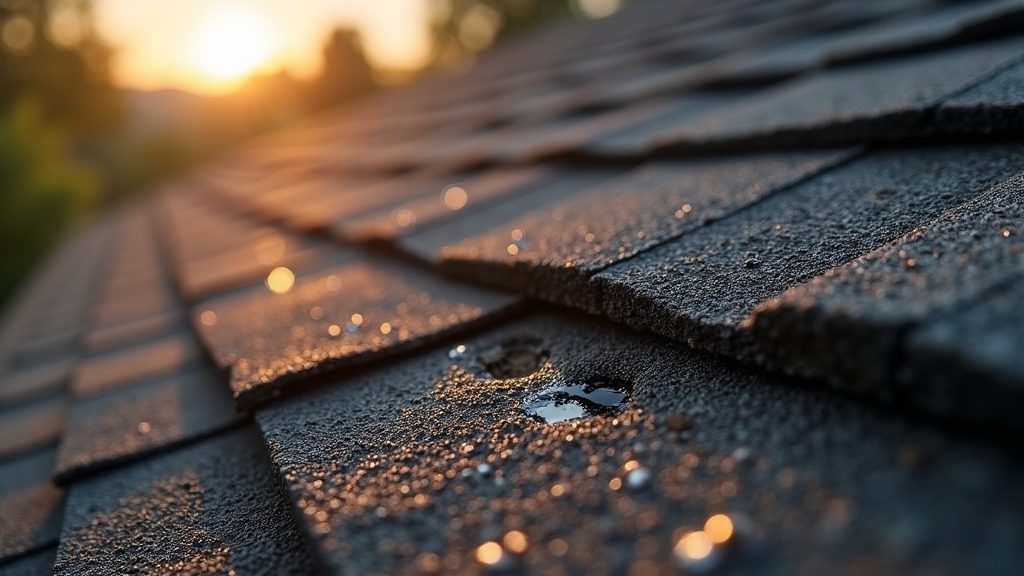
While many homeowners focus on interior maintenance, neglecting your roof can lead to devastating financial consequences. What begins as a minor issue—perhaps a few damaged shingles or small roof leaks—can quickly escalate into major structural damage requiring thousands in repairs.
When water infiltrates your home, it doesn’t just damage your ceiling. It can compromise insulation, electrical systems, and even your foundation.
Mold growth follows, creating health hazards that are expensive to remediate.
Establishing a regular maintenance schedule costs considerably less than emergency repairs. Semi-annual inspections typically cost $200-$600, while replacing water-damaged structural beams can exceed $10,000.
Insurance companies may also deny claims for damage resulting from neglected maintenance, leaving you fully responsible for costs.
How Professional Inspections Save Money Long-Term

Professional roof inspections detect hidden issues before they escalate into costly catastrophes that threaten your home’s integrity.
You’ll save thousands by addressing minor problems immediately rather than waiting until water damage spreads to your ceilings, insulation, and electrical systems.
Regular inspections also maximize your roof’s service life, postponing the substantial expense of complete replacement by several years.
Catch Problems Early
Spotting potential roof issues before they escalate can save you thousands of dollars in avoidable repairs.
Professional inspectors identify subtle warning signs that you’d likely miss—small leaks, damaged flashing, or loose shingles that haven’t yet caused visible interior damage.
This proactive approach transforms minor $200-300 fixes into protection against major structural repairs that often exceed $10,000. When inspectors find early signs of water infiltration, they’re preserving your roof deck, insulation, and interior ceilings.
Regular inspections are essential preventative measures, especially after severe weather events.
You’ll extend your roof’s lifespan by addressing issues promptly rather than waiting until water stains appear on your ceiling. By then, the damage has typically spread far beyond what’s visible, multiplying both repair costs and complications.
Prevent Costly Repairs
Although homeowners often view roof inspections as an unnecessary expense, regular professional assessments consistently yield remarkable financial returns over time.
When experts identify minor issues before they escalate, you’ll avoid emergency repairs that typically cost 3-5 times more than preventative maintenance.
Your roof’s condition deteriorates naturally with age and weather exposure.
Professional inspectors can spot subtle warning signs invisible to untrained eyes—like loose flashing or hidden moisture damage. These seemingly minor problems, when left unchecked, often lead to structural damage, mold growth, and interior water damage.
Adjusting your maintenance frequency based on professional recommendations helps extend your roof’s lifespan by 5-10 years.
Most experts suggest inspections every 1-2 years, with additional checks after severe storms—a small investment that prevents the staggering costs of premature roof replacement.
Extend Roof Lifespan
Regular inspections don’t just prevent immediate expenses—they fundamentally extend your roof’s functional lifespan.
Professional inspectors identify minor issues before they compromise your roof’s integrity, allowing you to address problems when they’re manageable rather than catastrophic.
Different roof materials require specific maintenance schedules.
Asphalt shingles might need inspection every 3-5 years, while metal roofing can go longer between checks.
Without proper maintenance, even premium materials deteriorate prematurely.
When you invest in routine professional inspections, you’re basically purchasing additional years of roof performance.
Studies show that properly maintained roofs can last 25-50% longer than neglected ones.
This translates to thousands in savings by delaying complete replacement costs—making inspection fees a fraction of what you’ll ultimately save through extended roof life.
Weather Damage: Catching Problems Before They Spread
Storms often leave subtle roof damage that won’t reveal itself until water begins seeping into your home weeks later.
You’ll save thousands in potential repairs by scheduling an inspection immediately after severe weather events, when minor issues remain containable.
Early detection of lifted shingles, micro-cracks, or damaged flashing prevents moisture infiltration that would otherwise spread to your insulation, ceiling, and structural supports.
Hidden Storm Aftermath
While severe weather events make headlines, the subtle damage they leave behind often goes undetected until major problems develop. After storms pass, your roof may harbor concealed problems: storm debris can trap moisture against shingles, while hidden leaks might quietly compromise structural integrity.
| Hidden Damage | Detection Method | Potential Consequence |
| Lifted shingles | Professional inspection | Water intrusion |
| Microcracks | Close examination | Gradual weakening |
| Trapped debris | Roof clearing | Moisture retention |
What looks like minor wind damage could actually be the early stage of a significant issue. Professional inspectors can spot these subtle warning signs before they escalate into costly repairs. They’ll examine areas you can’t safely access and identify vulnerabilities that aren’t visible from ground level.
Early Detection Saves
Identifying roof damage early can save you thousands in repair costs and prevent extensive structural deterioration. When you catch minor issues before they worsen, you’re implementing vital preventive measures that protect your home’s integrity and your wallet.
A small leak detected during inspection might cost $300 to fix, but if left unaddressed, the same problem could escalate to $3,000+ in repairs for water damage to ceilings, insulation, and framework. This makes professional roof inspections a smart financial investment rather than an unnecessary expense.
You’ll also extend your roof’s lifespan by 5-10 years through early intervention.
Insurance Coverage: What Companies Won’t Pay For
Despite your diligent maintenance efforts, insurance providers often deny roof-related claims for specific reasons you should understand. Most policies contain insurance limitations that exclude damage from normal wear and tear, aging, or improper maintenance.
When your roof gradually deteriorates over time, you’ll likely bear the full replacement cost yourself. Coverage exclusions also typically apply to preventable situations. If you’ve neglected regular inspections or repairs, insurers may determine the damage resulted from negligence rather than a covered peril.
They won’t pay for issues stemming from manufacturer defects, improper installation, or pest infestations either. You’ll also find that cosmetic damage rarely qualifies for coverage. Minor issues like discoloration or small scratches that don’t affect your roof’s functionality won’t trigger insurance benefits.
Understanding these restrictions highlights why professional inspections matter—they document your roof’s condition and demonstrate your commitment to maintenance, potentially strengthening future claims.
The Lifespan Factor: Extending Your Roof’s Durability
Your roof’s lifespan directly impacts both insurance coverage and your financial planning. Different roof materials offer varying longevity—asphalt shingles typically last 20-25 years, while metal roofing can exceed 50 years with proper care.
By understanding your roof’s expected lifespan, you’ll make better decisions about when to invest in inspections and replacements.
Knowing your roof’s longevity timeline empowers smarter maintenance scheduling and financial preparation.
Regular inspections help you identify minor issues before they become costly disasters. Implement these maintenance tips to maximize durability: clear debris regularly, trim overhanging branches, check for moss growth, and guarantee proper attic ventilation.
After severe weather, conduct visual inspections from ground level to spot missing shingles or damaged flashing.
Professional inspections every 2-3 years can extend your roof’s life by up to 5 years. This preventative approach not only preserves your insurance coverage but also spreads replacement costs over a longer timeline—turning what could be an emergency expense into a planned investment.
Safety Concerns: Protecting Your Family and Property
When roof problems go undetected, they can pose serious risks to both your family’s health and your property’s structural integrity.
Water intrusion from compromised roofing can lead to toxic mold growth, threatening respiratory health, especially for children and elderly family members. Electrical hazards emerge when moisture reaches wiring in your attic, creating fire risks throughout your home.
Beyond family safety, your property faces significant threats from neglected roof issues.
Small leaks gradually weaken support beams, ceiling joists, and wall frames—potentially causing catastrophic structural failures. Your insulation loses effectiveness when wet, driving up energy costs while reducing comfort.
Regular roof inspections identify these dangers before they escalate.
Professional inspectors spot warning signs invisible to untrained eyes, from subtle water staining to dangerous structural shifts. By investing in inspections, you’re not just maintaining a roof—you’re creating a protective shield for your family and property.
Frequently Asked Questions
How Often Should I Schedule Professional Roof Inspections?
You should schedule professional roof inspections at least once a year, with additional checks after major storms. Frequency recommendations vary by climate, with seasonal considerations suggesting spring and fall as ideal inspection times.
Can I Perform a Basic Roof Inspection Myself?
Yes, you can perform DIY inspections from ground level using binoculars. Look for damaged shingles, leaks, and gutter issues. However, always prioritize safety precautions—never climb without proper equipment and experience.
What Qualifications Should I Look for in a Roof Inspector?
Look for roof inspectors with NRCIA or HAAG certification requirements and 5+ years of inspection experience. You’ll want someone who’s licensed, insured, and has specific expertise in your roof type and local conditions.
How Long Does a Typical Professional Roof Inspection Take?
A professional roof inspection typically takes 30-60 minutes for average homes. Time requirements vary based on inspection factors like roof size, complexity, age, and accessibility. You’ll need more time for larger or damaged roofs.
Are Virtual or Drone Roof Inspections as Effective as In-Person Inspections?
While virtual inspection benefits include efficiency and safety, they’re not as exhaustive as in-person assessments. Drone technology limitations prevent detailed examination of hidden damage and structural issues that hands-on inspections can identify. You’ll want both for extensive evaluation.
Final Thoughts
When you invest in regular roof inspections, you’re not just paying for a quick look—you’re buying time, protection, and peace of mind. Catching small issues early costs far less than repairing structural damage, mold, or electrical problems after they’ve spread. Professional inspections can extend your roof’s lifespan, support your insurance claims, and help you avoid those “surprise” expenses that wreck your budget.
If you’d rather have a trusted local expert watching over your roof, the team at Bloomfield Construction and Restoration is here to help. From detailed roofing inspections and services to practical local maintenance tips for Bloomfield Hills homes and guidance on spotting critical roof repair signs, we make it easier to stay ahead of problems instead of chasing emergencies. You can also visit our FAQ page to learn more about inspections, coverage, and what to expect.
Don’t wait for stains on the ceiling or musty odors in the attic to tell you something’s wrong. Contact Bloomfield Construction and Restoration today to schedule a professional roof inspection and put an affordable, preventative plan in place to protect your home and your wallet.