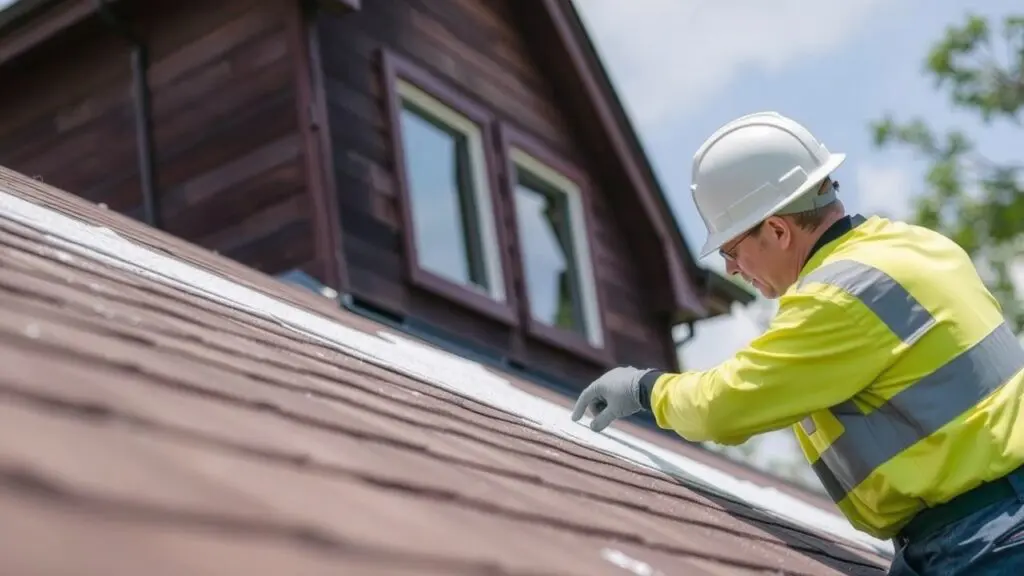
Getting immediate hail damage inspections is essential to protect your property from worsening issues. Prompt assessments can prevent minor damage from escalating, saving you money in repairs down the line. Additionally, insurance policies often require timely inspections to validate your claims. Early intervention helps document damage accurately and supports your claim process. Don’t overlook the impact of delayed inspections—doing so can lead to unexpected costs and stress. There’s more you can do to safeguard your investment.
Key Takeaways
- Immediate inspections prevent extensive property damage by identifying issues early and allowing for timely repairs.
- Prompt evaluations ensure accurate documentation for insurance claims, meeting policy requirements.
- Quick action helps stop minor damage from escalating into costly repairs.
- Early assessments provide peace of mind, protecting both property value and homeowner well-being.
- Delayed inspections may complicate claims processes and lead to unexpected financial burdens.
Understanding Hail Damage and Its Risks
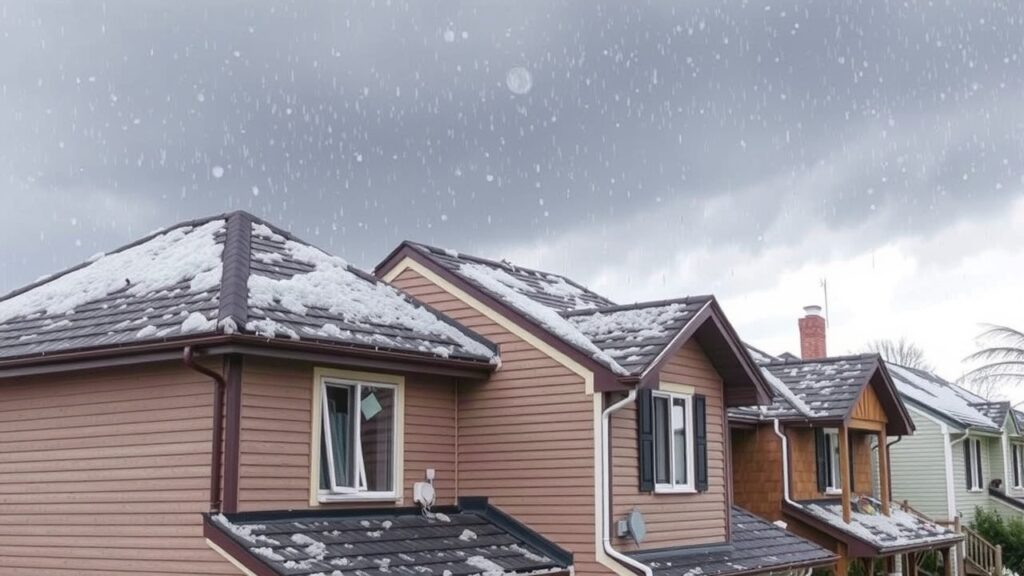
When you think about the potential risks of severe weather, hail damage often doesn’t come to mind, yet it can wreak havoc on your property.
Understanding hail formation is essential for evaluating these risks. Hail forms when updrafts in thunderstorms carry water droplets into extremely cold areas of the atmosphere, creating ice pellets that can grow large before falling. This process can lead to significant damage to roofs, vehicles, and windows.
For homeowners, conducting a thorough risk evaluation can help you identify vulnerable areas on your property. By recognizing the potential for hail damage, you can take proactive measures, such as reinforcing your roof or investing in protective coverings, to safeguard your investment and guarantee your peace of mind.
Common Signs of Hail Damage to Look For
When inspecting for hail damage, you should start by checking your roof surfaces for any dents or dings.
Don’t forget to look at your gutters and downspouts, as they can also show signs of impact.
Catching these issues early can save you from more extensive repairs down the line.
Dented Roof Surfaces
Hailstorms can leave your roof looking like it’s been through a battle, with dented surfaces being one of the most common signs of damage.
These dents occur when hailstones strike your roof, creating roof impact that can compromise its integrity. If you notice uneven bumps or dimples on your shingles, it’s essential to take action. Ignoring these dents can lead to leaks and further damage over time.
Fortunately, there are various repair options available, ranging from patching up minor dents to complete roof replacement, depending on the severity of the impact.
Damaged Gutters And Downspouts
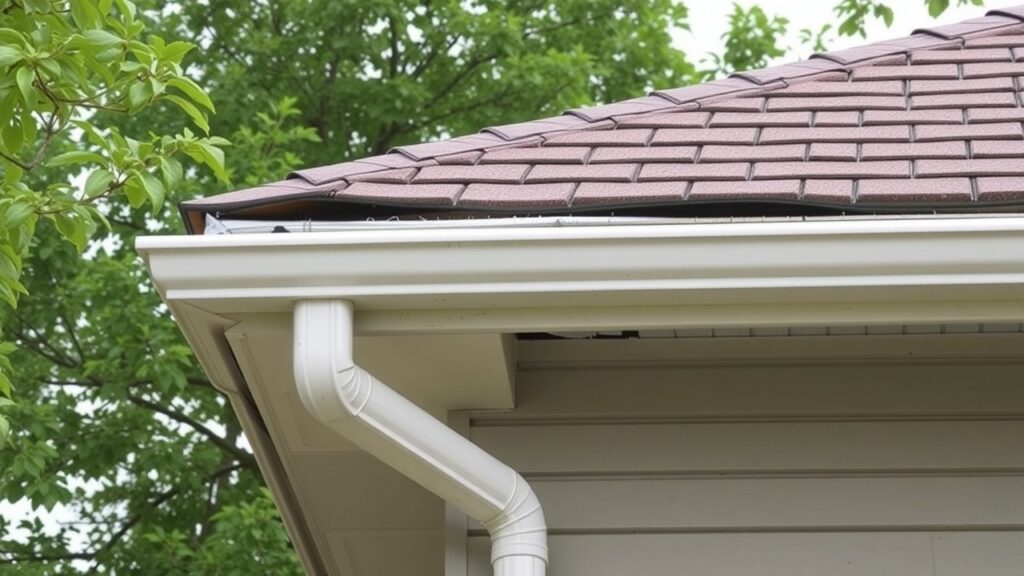
Damaged gutters and downspouts often reveal the aftermath of a hailstorm. If you notice dents, cracks, or bent sections, it’s a clear sign that your home’s drainage system took a hit.
These issues can lead to improper water flow, which may cause further damage to your foundation or landscaping. Regular downspout maintenance is vital to prevent blockages and guarantee proper drainage.
If the damage is extensive, you might need gutter replacement to restore functionality and protect your home. Don’t wait until the next storm to address these problems; inspect your gutters and downspouts immediately after a hailstorm.
Taking action now can save you costly repairs down the line and keep your home safe and dry.
Why You Should Schedule an Inspection Immediately
Have you considered the hidden dangers that might be lurking on your property after a recent storm?
Scheduling an inspection immediately is essential for several reasons:
Scheduling an inspection right away is crucial for protecting your property and ensuring timely repairs.
- Urgent Assessments: Hail damage can compromise your property’s integrity, leading to more extensive issues if left unchecked.
- Timely Interventions: Quick action can prevent minor damage from escalating into costly repairs down the line.
- Insurance Benefits: Many insurance policies require prompt inspections to validate claims, ensuring you get the coverage you deserve.
The Hidden Costs of Delaying Hail Damage Inspections
Ignoring hail damage inspections can lead to unexpected financial burdens that might catch you off guard. By delaying these essential assessments, you risk incurring hidden expenses that could snowball into costly repairs. The longer you wait, the more damage may worsen, resulting in long-term consequences for your property value and safety.
| Immediate Inspection | Delayed Inspection |
| Lower repair costs | Higher repair costs |
| Quick identification of issues | Missed underlying problems |
| Insurance claim readiness | Complicated claims process |
| Peace of mind | Ongoing stress |
Don’t underestimate the importance of timely inspections—acting quickly helps you avoid these hidden costs and protects your investment.
How Hail Damage Affects Your Insurance Claims
When a hailstorm strikes, the aftermath can greatly impact your insurance claims process. Understanding how hail damage affects your coverage is vital to avoid pitfalls.
Here are three key points to take into account:
- Insurance Policy Impacts: Your specific policy terms dictate what’s covered. Knowing these details can help you navigate the claims process effectively.
- Claim Denial Risks: Delaying inspections increases the chances of claim denial. Insurers may argue that damage worsened due to neglect, leaving you financially responsible.
- Timely Documentation: Promptly documenting damage guarantees your claims are supported. This can make a significant difference in your payout.
Why Professional Inspections Are Essential for Accurate Damage Assessment
While you might be tempted to assess hail damage on your own, relying on professional inspections guarantees a thorough and accurate evaluation.
Professionals bring valuable expertise, having trained to identify all types of damage that may not be immediately visible to the untrained eye. They utilize advanced tools and techniques to make certain no detail is overlooked, leading to accurate assessments that can greatly impact your insurance claim.
Their insights help you understand the extent of the damage and necessary repairs, preventing costly mistakes. By trusting experts, you’re making sure that your property gets the attention it deserves, ultimately saving you time, money, and stress in the long run.
Don’t underestimate the importance of professional evaluations for your peace of mind.
DIY vs. Professional Inspections: What You Need to Know
Deciding between a DIY inspection and hiring a professional can be intimidating, especially if you’re unsure of what to look for.
While DIY techniques can save you money, they come with limitations. Here are three key considerations:
- Expertise: Professionals have the training to spot hidden damage that you might miss.
- Equipment: They often use advanced tools to assess damage more accurately than you can with basic supplies.
- Insurance Support: Professionals can provide documentation needed for claims, ensuring you get the compensation you’re entitled to.
While DIY inspections may seem appealing, the professional advantages often outweigh the cost.
Knowing what to look for and how to assess damage effectively is essential for your property’s long-term health.
Choosing the Best Inspection Service
How do you choose the best inspection service for hail damage?
Start by checking the inspection qualifications of potential services. Look for professionals who are certified and have experience specifically with hail damage assessments. Their expertise can make a significant difference in identifying underlying issues.
Next, read service reviews from previous customers to get a sense of their reliability and quality of work. Positive feedback can indicate a trustworthy service, while negative reviews can serve as red flags.
Don’t hesitate to ask for references or examples of past inspections. By combining information on qualifications and reviews, you’ll be better equipped to make an informed decision, ensuring your property receives the thorough inspection it deserves.
How Long Do Hail Damage Repairs Take?
When it comes to repairing hail damage, you might wonder just how long the process takes. The repair duration can vary based on several factors, primarily the repair complexity. Here’s what you should know:
- Extent of Damage: Minor dents may only take a few hours, while extensive damage could require days or even weeks.
- Material Type: Different materials, like metal or shingles, have varying repair times based on their installation and repair requirements.
- Weather Conditions: Unfavorable weather can delay repairs, affecting the overall timeline.
Understanding these factors will help you set realistic expectations for the repair process.
What Happens During a Hail Damage Inspection?
During a hail damage inspection, you’ll first see a thorough visual roof assessment to identify any visible signs of damage.
Next, the inspector will evaluate your interior for any potential leaks or other issues related to the hailstorm.
Finally, they’ll document everything needed for your insurance claims, ensuring you have the support you need for repairs.
Visual Roof Assessment
A thorough visual roof assessment is essential after a hailstorm to determine the extent of damage. By employing effective visual roof assessment techniques, you can quickly identify issues that may lead to costly repairs if neglected.
Here are three key benefits of visual assessments:
- Early Detection: Spotting minor damage early can prevent significant problems later.
- Cost Efficiency: Understanding the damage helps in making informed decisions about repairs, saving you money.
- Insurance Claims: A detailed assessment provides evidence for insurance claims, ensuring you get the coverage you deserve.
Taking the time for a visual roof assessment after a hailstorm helps you protect your investment and maintain the integrity of your home.
Don’t wait—get it checked!
Interior Damage Evaluation
How can you be certain your home is safe after a hailstorm? A thorough interior damage evaluation is essential.
During the inspection, professionals will check for signs of water leaks, which can indicate hidden damage. They’ll assess ceilings, walls, and floors for any stains or warping that might suggest moisture intrusion.
The inspector will conduct a moisture assessment, using specialized tools to detect damp areas that aren’t visible to the naked eye.
This helps identify potential risks, such as mold growth or structural weakening, which can arise from unchecked interior damage.
Insurance Claims Documentation
When evaluating hail damage, documenting everything is essential for your insurance claims process. Proper documentation can make or break your claim, so follow these claim documentation tips:
- Take Detailed Photos: Capture clear images of all damaged areas, including roofs, siding, and any interior impacts.
- Record Dates and Times: Note when the hailstorm occurred and when you inspected the damage. This information helps establish a timeline.
- List All Damages: Create an extensive list of all affected items and areas, including estimates for repairs.
How to Document Hail Damage for Your Insurance Claim
Documenting hail damage for your insurance claim is essential, especially if you want to guarantee a smooth claims process. Start by gathering clear photos of the damage, noting the date and location. This visual evidence will support your claim documentation.
| Step | Action |
| 1. Assess Damage | Inspect your property thoroughly for dents. |
| 2. Take Photos | Capture close-ups and wide-angle shots. |
| 3. Record Details | Note the extent of damage and any repairs needed. |
After your damage assessment, compile all information into a single document. This organized approach not only streamlines your claim but also enhances your chances of approval. Stay proactive and thorough!
Preventative Measures After Hail Damage Inspections
After you’ve completed your hail damage inspection, it’s essential to act quickly on repairs and maintenance.
Timely action not only protects your property but also strengthens your insurance claim support strategies.
Let’s explore how you can effectively safeguard your home from future damage.
Timely Repairs and Maintenance
While it might be tempting to delay repairs following a hail damage inspection, addressing issues promptly can save you time and money in the long run.
Timely repairs not only protect your property but also enhance its longevity. Here are some maintenance benefits of acting quickly:
- Prevent Further Damage: Small issues can escalate if left unattended, leading to costly repairs.
- Preserve Property Value: Keeping your home in good condition maintains its market value.
- Improved Safety: Fixing damage promptly guarantees a safer living environment for you and your family.
Insurance Claim Support Strategies
When you’ve completed a hail damage inspection, it’s crucial to focus on strategies that support your insurance claim.
First, review your insurance policy to understand coverage specifics and any exclusions. Document all damage with clear photos, and keep detailed notes of your inspection findings. This evidence will strengthen your claim during the claim process.
Next, contact your insurer promptly to report the damage; delays can complicate your claim. If you’re unsure about the process, consider involving a public adjuster who can advocate for you.
Finally, stay organized by maintaining records of all communications and repair estimates. By taking these steps, you’ll position yourself for a smoother claims experience and guarantee you get the compensation you deserve.
Frequently Asked Questions
How Can Hail Damage Affect My Home’s Resale Value?
Hail damage can considerably lower your home’s resale value due to negative market perception. Buyers may see it as a red flag, fearing costly repairs, which can ultimately affect your asking price and selling potential.
Are There Specific Types of Roofs More Vulnerable to Hail Damage?
Yes, asphalt shingles are generally more vulnerable to hail damage compared to metal roofs. While asphalt can crack or break, metal roofs often withstand impacts better, making them a more durable option in hail-prone areas.
What Should I Do if My Inspection Reveals Extensive Damage?
If your inspection reveals extensive damage, explore repair options with a contractor. Then, contact your insurance company to file claims. They’ll guide you through the process, helping you recover costs for necessary repairs.
Can I Get Emergency Repairs Before the Full Inspection?
Yes, you can get emergency repairs before the full inspection. Just remember, it’s crucial to communicate with your contractor about the inspection timeline to guarantee everything aligns and potential damages are adequately addressed.
Will My Insurance Cover the Cost of the Inspection?
Your insurance policies might cover inspection costs, but it depends on your specific plan. Review your policy details or contact your agent to clarify coverage options related to hail damage inspections and associated expenses.
Final Thoughts
Getting an immediate hail damage inspection is one of the smartest ways to protect your home and your budget. Acting quickly helps uncover hidden damage early, prevents small issues from turning into major repairs, and keeps your insurance claim on track with timely documentation. If you suspect your roof, siding, gutters, or interior may have been affected, schedule a professional evaluation right away so you can move forward with confidence.
For trusted local help, connect with Bloomfield Construction & Restoration. Learn more about our team on the About page, explore our Roofing services and Siding services, or see how we support homeowners through the claims process with Insurance Restoration. You can also review past work in our Portfolio and find quick answers in our FAQ. Ready to get started? Request your inspection and next steps through our Contact Form.