Storms can wreak havoc on roofs, leaving business owners and residents alike facing unexpected repairs and potential safety hazards. Understanding the importance of roof inspections and storm repair is crucial for anyone looking to protect their property investment and ensure the safety of those inside. Whether you own a small business, manage properties, or simply want to safeguard your home, knowing when and how to address storm-related roof damage can make all the difference. In this article, we’ll break down why roof inspections are a vital first step after severe weather, how they fit into the broader storm repair process, and what you can expect during each phase. By the end, you’ll be equipped with practical knowledge to make informed decisions, avoid costly mistakes, and keep your property secure no matter what Mother Nature throws your way.
Roof Inspections and Storm Repair in Bloomfield Hills
When severe weather hits the area, the first concern for property owners is often the integrity of their roofs. Roof inspections and storm repair play a pivotal role in identifying hidden damages that could lead to leaks, structural issues, or even safety hazards. A comprehensive inspection after a storm helps pinpoint both visible and concealed problems, allowing for timely intervention before minor issues escalate. For small business owners and developers, this proactive approach can prevent costly disruptions and protect valuable assets.
The process typically begins with a visual assessment, followed by a more detailed evaluation using specialized tools and techniques. Inspectors look for missing or damaged shingles, compromised flashing, water stains, and signs of impact from debris. By catching these issues early, property owners can address repairs quickly and avoid more extensive damage down the line. This is especially important in regions prone to unpredictable weather patterns, where the next storm could be just around the corner.
Choosing a trusted local provider for roof inspections and storm repair Bloomfield Hills ensures that the work meets industry standards and local building codes. Experienced professionals understand the unique challenges faced by properties in this community and can offer tailored solutions that stand up to the elements. Regular inspections, especially after major weather events, are the best way to safeguard your investment and maintain peace of mind.
Roof Inspections and Storm Repair in Bloomfield Hills, MI
Weather in this region can be unpredictable, with heavy rains, high winds, and even hail posing risks to roofs throughout the year. After a storm, it’s common for property owners to wonder whether their roof has sustained damage that isn’t immediately visible. That’s where professional roof inspections and storm repair come into play. These services are designed to catch even the smallest issues before they turn into major headaches.
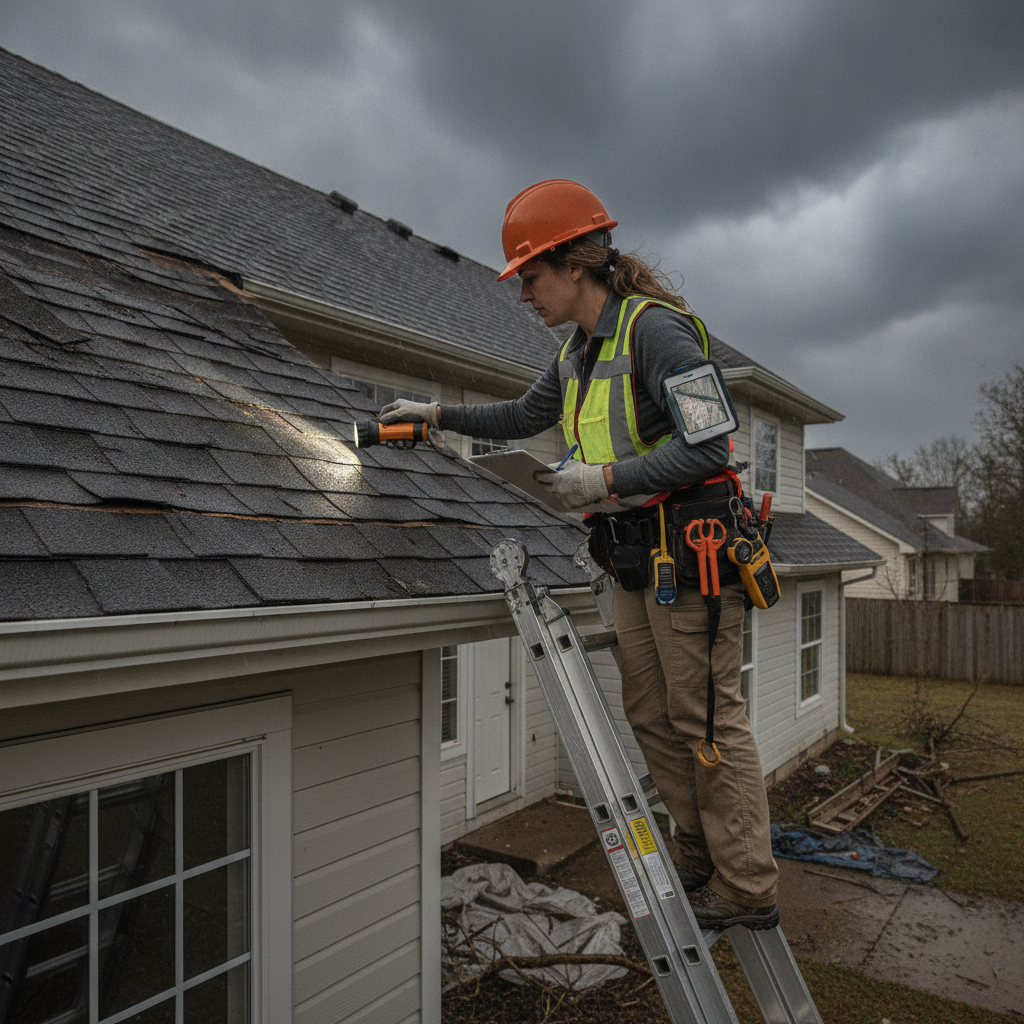
A thorough inspection involves more than just looking at the surface. Inspectors will check for loose or missing shingles, bent gutters, damaged flashing, and any signs of water infiltration. They may also use moisture meters or infrared technology to detect hidden leaks. Addressing these problems early can save thousands of dollars in future repairs and help maintain the structural integrity of your property.
If you’re unsure about the process or what to expect, many companies offer detailed guides and answers to common questions. For more information about storm damage inspection services, you can explore resources that outline the steps involved and what you should look for in a reputable contractor. Taking action quickly after a storm is the best way to protect your property and avoid insurance complications.
Roof Inspections and Storm Repair in Bloomfield Hills Michigan
In this city, weather events can cause a range of roof issues, from minor shingle loss to significant structural damage. Roof inspections and storm repair are essential services that help property owners assess the full extent of damage and prioritize necessary repairs. A detailed inspection not only identifies immediate problems but also highlights areas that may become vulnerable in future storms.
During an inspection, professionals will assess the roof’s surface, check for water penetration, and evaluate the condition of supporting structures. They may also inspect attic spaces for signs of leaks or mold, which can indicate more extensive issues. The findings from these inspections guide the repair process, ensuring that all problems are addressed comprehensively.
Staying informed about best practices and the latest repair techniques is crucial for anyone responsible for property maintenance. Industry blogs and expert resources, such as those provided by Bloomfield Construction, offer valuable insights into effective storm repair strategies and how to keep your roof in top condition year-round.
The Importance of Professional Roof Inspections
While it might be tempting to assess roof damage yourself after a storm, professional roof inspections and storm repair services provide expertise and peace of mind that DIY checks simply cannot match. Trained inspectors know what to look for, including subtle signs of damage that untrained eyes might miss. This thoroughness helps prevent minor issues from turning into major repairs later on.
Professional inspections also ensure that any repair work is documented, which can be critical for insurance claims. Insurance providers often require detailed reports and photographic evidence before approving coverage for storm-related repairs. By hiring a reputable company, you ensure that all necessary documentation is provided, streamlining the claims process and reducing the risk of disputes.
Local experts, such as Bloomfield Construction, have a deep understanding of the specific challenges faced by properties in this region. Their experience with local weather patterns and building codes ensures that inspections are thorough and repairs are both effective and compliant with regulations. Relying on professionals is the best way to protect your investment and ensure long-term property safety.
Common Types of Storm Damage Found During Roof Inspections
Storms can inflict a variety of damages on roofs, some of which are immediately visible while others remain hidden until a thorough inspection is conducted. The most common types of storm damage include missing or broken shingles, dented or bent flashing, and clogged or damaged gutters. High winds can lift shingles, exposing the underlayment and making the roof susceptible to leaks. Hail can cause bruising or punctures that weaken the roof’s protective barrier.
Water infiltration is another significant concern. Even a small breach in the roofing material can allow moisture to seep in, leading to mold growth, rot, and structural deterioration over time. Inspectors also look for signs of impact from falling branches or debris, which can cause localized damage that may not be immediately apparent from the ground. Identifying these issues early through roof inspections and storm repair is essential for preventing further deterioration and costly repairs down the line.
In some cases, storm damage may affect not only the roof but also supporting structures such as rafters, trusses, or attic insulation. A comprehensive inspection will evaluate these areas to ensure that all aspects of the roofing system are functioning properly and that no hidden dangers are lurking beneath the surface.
The Roof Inspection Process Explained
A professional roof inspection following a storm typically involves several key steps. First, the inspector will perform a visual assessment from the ground, looking for obvious signs of damage such as missing shingles, sagging areas, or visible debris. Next, they will conduct a closer examination on the roof itself, checking for less apparent issues like granule loss, cracked tiles, or compromised flashing.
Inspectors often use tools such as moisture meters, drones, or infrared cameras to detect hidden leaks or insulation problems. They may also inspect gutters, downspouts, and attic spaces for water stains or mold, which can indicate ongoing leaks. The findings are typically documented with photos and detailed notes, providing a comprehensive overview of the roof’s condition.
Once the inspection is complete, the inspector will discuss their findings with the property owner and recommend a course of action. This may include immediate repairs, preventative maintenance, or a full roof replacement if the damage is extensive. Understanding each step of the process helps property owners make informed decisions and ensures that nothing is overlooked during storm repair.
How Roof Inspections Support Insurance Claims
One of the most important benefits of roof inspections and storm repair is the support they provide during insurance claims. After a major storm, insurance companies often require detailed documentation of damages before approving coverage for repairs. A professional inspection report, complete with photographs and descriptions of each issue, serves as vital evidence that can expedite the claims process.
Without a thorough inspection, property owners may overlook damages that could be covered by their policy, leading to out-of-pocket expenses later on. Inspectors are trained to identify all forms of storm-related damage, ensuring that nothing is missed during the assessment. This comprehensive approach not only maximizes the chances of a successful claim but also helps property owners understand the full scope of necessary repairs.
In addition, many insurance providers prefer to work with established local contractors who have a reputation for quality and reliability. By choosing a reputable company for your inspection and storm repair needs, you can streamline the claims process and avoid unnecessary delays or complications.
Table: Key Steps in the Roof Inspection and Storm Repair Process
| Step | Description |
|---|---|
| Initial Assessment | Visual check for obvious damage from the ground and roof surface. |
| Detailed Inspection | Use of tools to detect hidden leaks, moisture, or insulation issues. |
| Documentation | Photographs and written reports of all findings for insurance and repair planning. |
| Repair Recommendations | Outline of necessary repairs, prioritizing urgent issues. |
| Execution of Repairs | Professional repair work based on inspection findings. |
| Final Inspection | Post-repair check to ensure all issues have been resolved. |
Following these steps ensures that the roof inspections and storm repair process is thorough, organized, and effective in restoring your property to its pre-storm condition.
Choosing the Right Contractor for Roof Inspections and Storm Repair
Selecting a qualified contractor is one of the most important decisions you’ll make after a storm. Not all contractors are created equal, and working with an experienced, reputable company ensures that roof inspections and storm repair are carried out to the highest standards. Look for contractors who are licensed, insured, and have a proven track record in the region.
Ask for references and check online reviews to gauge the quality of their work. A good contractor will provide a detailed written estimate, explain the scope of work, and answer any questions you may have about the process. They should also be familiar with local building codes and insurance requirements, which can vary from one area to another.
Don’t be afraid to ask about the materials and techniques they use for storm repair. High-quality materials and proper installation are essential for long-lasting results. By taking the time to choose the right contractor, you can ensure that your property is protected and that repairs will stand the test of time.
Preventative Maintenance and Ongoing Roof Care
While roof inspections and storm repair are critical after severe weather, ongoing maintenance is equally important for long-term roof health. Regular inspections, even when no storm has occurred, can help identify potential problems before they become emergencies. This proactive approach extends the lifespan of your roof and reduces the likelihood of costly repairs in the future.
Maintenance tasks may include cleaning gutters, removing debris, checking for loose or missing shingles, and ensuring that flashing and sealants are intact. Many property owners schedule annual or biannual inspections to stay ahead of potential issues. By investing in preventative care, you not only protect your property but also maintain its value and curb appeal.
Incorporating regular maintenance into your property management plan is a smart way to avoid surprises and ensure that your roof remains in optimal condition year-round. Local contractors can offer customized maintenance packages tailored to the specific needs of your property and the unique weather challenges of the region.
What to Expect During Storm Repair
Once a roof inspection has identified storm-related damage, the next step is to begin repairs. The scope of work will depend on the extent of the damage, the type of roofing material, and the age of the roof. In some cases, repairs may be as simple as replacing a few shingles or sealing a minor leak. In more severe cases, sections of the roof may need to be rebuilt or replaced entirely.
During the repair process, contractors will prioritize safety and work to minimize disruptions to your daily activities. They will remove damaged materials, make necessary repairs, and perform a final inspection to ensure that all issues have been addressed. Communication is key throughout the process, so don’t hesitate to ask questions or request updates as the work progresses.
After repairs are complete, it’s a good idea to schedule a follow-up inspection to verify that the roof is secure and that no new issues have arisen. This extra step provides peace of mind and helps ensure that your property is fully protected against future storms.
Final Thoughts
Roof inspections and storm repair are essential components of responsible property ownership, especially in areas prone to unpredictable weather. By understanding the inspection process, recognizing common types of storm damage, and working with qualified professionals, you can protect your investment and ensure the long-term safety of your property. Regular maintenance and timely repairs not only prevent costly damage but also provide peace of mind for business owners, developers, and residents alike. Stay proactive, stay informed, and remember that the right approach to roof care can make all the difference when the next storm rolls in.