As winter approaches, the integrity of your roof becomes more important than ever. For small business owners, developers, and residents in the area, ensuring your property is protected against the harsh Michigan elements is essential. One of the smartest moves you can make before the first snow falls is to schedule a professional inspection with a trusted roofing contractor Bloomfield Hills property owners rely on. But how do you know if your roof needs attention now, rather than later? Spotting the early warning signs can save you from costly repairs, business disruptions, and even structural damage down the road. In this article, we’ll walk you through the most telling indicators that your roof deserves a thorough inspection before winter sets in. Whether you manage a commercial building, own a small business, or simply want to protect your investment, these insights will help you make informed decisions for a safer, drier season ahead.
Why a Pre-Winter Roof Inspection Matters
Winter in Michigan can be unforgiving, with heavy snowfall, ice, and fluctuating temperatures putting roofs to the ultimate test. A pre-winter roof inspection is the first line of defense against leaks, ice dams, and structural failures that can occur when small issues go undetected. For business owners and developers, a compromised roof can mean lost revenue, expensive emergency repairs, and even liability concerns if water intrusion leads to interior damage. Residential property owners face similar risks, including ruined insulation, mold growth, and escalating repair costs. By investing in a timely inspection, you gain peace of mind and can address minor problems before they escalate. A professional assessment by Bloomfield Construction ensures that your roof is ready to withstand the cold months ahead, safeguarding your property and your bottom line.
Visible Signs of Roof Wear and Tear
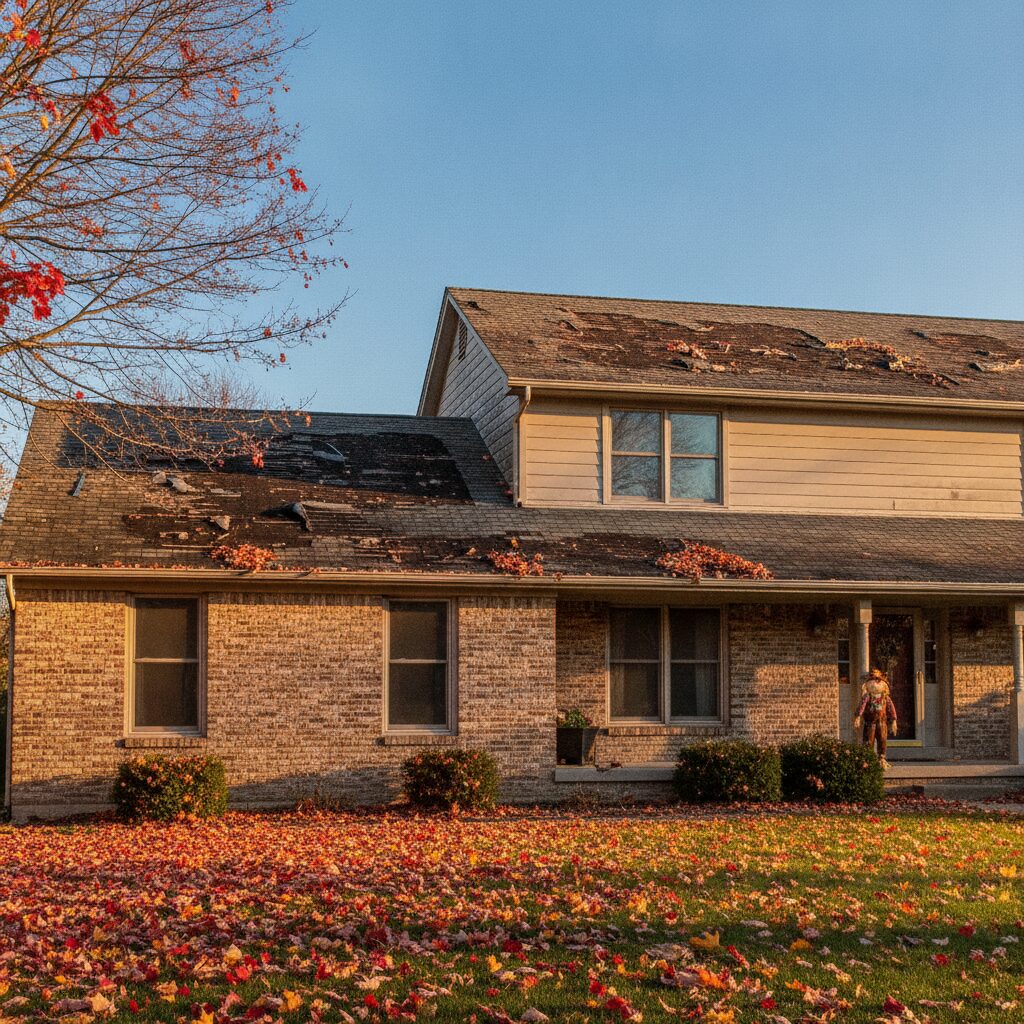
One of the most obvious indicators that your roof needs an inspection is visible wear and tear. Over time, shingles can become cracked, curled, or missing entirely, especially after a season of storms or high winds. Flat roofs may show signs of blistering, ponding water, or membrane separation. These issues, while sometimes subtle, can quickly become entry points for moisture once snow and ice arrive. Look for granule loss on asphalt shingles, sagging areas, or rusted flashing around vents and chimneys. Even minor damage can worsen under the weight of snow or when freeze-thaw cycles expand existing gaps. If you spot any of these red flags, don’t wait until spring to address them. Scheduling a professional inspection now can help you avoid major headaches later. For more insight into post-disaster roof care, check out How Smoke Odor Is Eliminated During Fire Restoration in Bloomfield Hills for related property maintenance tips.
Hidden Moisture Problems: What Lies Beneath
Not all roof issues are visible from the ground. Hidden moisture can lurk beneath shingles or roofing membranes, slowly compromising the structure of your building. Signs of hidden moisture include unexplained stains on ceilings or walls, musty odors, or increased humidity indoors. These symptoms often point to slow leaks that may have gone unnoticed during the warmer months. As temperatures drop, trapped moisture can freeze and expand, causing further damage to roofing materials and even the underlying decking. Early detection is crucial, as untreated moisture can lead to mold growth and rot. A professional inspection often includes infrared scanning or moisture meters to identify these concealed threats. Understanding the risks is key, read more about post-fire moisture hazards in Understanding the Hidden Hazards After Fire Damage in Bloomfield Hills.
Ice Dams and Their Warning Signs
Ice dams are a common winter headache for property owners in this region. They form when heat escapes from the building, melting snow on the roof, which then refreezes at the eaves. This process creates a barrier that prevents additional melting snow from draining off the roof, leading to water backing up under shingles and into the structure. Warning signs of potential ice dam issues include icicles hanging from gutters, uneven snow melt patterns, and water stains near exterior walls. If your building experienced ice dams in previous winters, it’s a strong indicator that insulation or ventilation issues exist. Addressing these problems before winter can help prevent costly water damage and ensure your roof performs as intended throughout the season.
The Importance of Roof Drainage and Gutter Health
Proper drainage is essential for keeping roofs healthy year-round, but it becomes especially critical before winter. Clogged or damaged gutters and downspouts can cause water to pool on the roof, increasing the risk of leaks and ice dams. Check for sagging gutters, debris buildup, and downspouts that are disconnected or improperly sloped. Inadequate drainage can also lead to foundation problems if water overflows and pools around the building’s base. Regular gutter maintenance and inspection, especially before the first snowfall, can help prevent these issues. If you notice water not draining away from your property or see signs of mold or mildew near the roofline, it’s time to have your drainage system evaluated by a professional.
Roof Age and Its Impact on Winter Readiness
The age of your roof plays a significant role in determining how well it will withstand the rigors of winter. Most roofing materials have a predictable lifespan, and as they near the end of their service life, vulnerabilities increase. For example, asphalt shingles typically last 20-30 years, while flat roof membranes may need replacement after 15-20 years. If your roof is approaching or has surpassed its expected lifespan, a pre-winter inspection is not just recommended, it’s essential. Older roofs are more likely to have hidden weaknesses, such as brittle shingles, deteriorated flashing, and compromised underlayment. Even if your roof appears intact from the ground, age-related wear can make it susceptible to leaks and structural issues once snow and ice accumulate. An experienced roofing contractor can help you assess whether repairs or a full replacement are necessary before the cold sets in.
Commercial vs. Residential Roof Concerns
While both commercial and residential roofs face winter challenges, their vulnerabilities and maintenance needs can differ. Commercial properties often feature flat or low-slope roofs, which are more prone to pooling water and snow accumulation. These roofs may also house HVAC units or other equipment that can create additional stress points. Residential roofs, on the other hand, are typically pitched and may use different materials, such as asphalt shingles or wood shakes. Both types require regular inspections, but commercial roofs may benefit from more frequent checks due to their complexity and the higher stakes involved in business continuity. Understanding the unique needs of your property type helps ensure your winter preparation plan is comprehensive and effective.
Common Roofing Materials and Their Winter Performance
Different roofing materials respond to winter weather in unique ways. Asphalt shingles are popular for their affordability and durability but can become brittle in cold temperatures. Metal roofs shed snow efficiently but may be prone to ice buildup at the eaves if not properly insulated. Flat roofs with single-ply membranes require vigilant maintenance to prevent punctures and pooling. Tile and slate roofs are long-lasting but can be vulnerable to freeze-thaw cycles if water seeps beneath the tiles. Understanding the strengths and weaknesses of your roof’s material helps you anticipate potential problems and prioritize inspections. If you’re unsure about your roof’s composition or its winter performance, a professional assessment is invaluable for identifying risks and recommending preventative measures.
What to Expect During a Professional Roof Inspection
A thorough roof inspection goes beyond a simple visual check. Professionals use a combination of exterior and interior evaluations to assess the overall health of your roof. This includes examining shingles or membranes, flashing, gutters, and roof penetrations for signs of damage or wear. Inside, inspectors look for water stains, mold, and proper attic ventilation. Some contractors use advanced tools like infrared cameras to detect hidden moisture or insulation gaps. After the inspection, you’ll receive a detailed report outlining any issues found, recommended repairs, and an estimate for costs and timelines. This proactive approach allows you to address problems before winter weather exacerbates them, potentially saving thousands in emergency repairs.
Comparing DIY Checks vs. Professional Inspections
While it’s tempting to perform your own roof check, there are significant advantages to hiring a professional. DIY inspections can help you spot obvious problems, such as missing shingles or clogged gutters, but many issues require trained eyes and specialized equipment to detect. Professionals are skilled at identifying subtle signs of damage, hidden leaks, and potential weak points that a layperson might overlook. Additionally, climbing onto a roof can be dangerous, especially in the fall when surfaces may be slick with dew or leaves. For business owners and developers, the stakes are even higher, as undetected problems can lead to costly disruptions. Investing in a professional inspection ensures a comprehensive assessment and peace of mind as winter approaches.
| Roof Issue | Visible Signs | Potential Winter Impact |
|---|---|---|
| Damaged Shingles | Cracks, curling, missing pieces | Leaks, ice dam formation |
| Clogged Gutters | Overflow, sagging, debris | Water backup, foundation issues |
| Flashing Deterioration | Rust, gaps, loose sections | Water intrusion, mold growth |
| Hidden Moisture | Ceiling stains, musty odors | Rot, structural weakening |
| Ice Dams | Icicles, uneven snow melt | Interior leaks, insulation damage |
Planning Ahead: Scheduling Your Inspection
Timing is everything when it comes to roof inspections. The best time to schedule an assessment is during the fall, before the first snowstorm hits. This allows ample time for any needed repairs or upgrades to be completed without the added challenge of cold, wet conditions. Many local contractors book up quickly as winter approaches, so early planning ensures you secure a spot on their calendar. Small business owners and developers should coordinate inspections to minimize disruption to daily operations. Residential property owners can benefit from flexible scheduling options offered by many roofing professionals. Remember, a little foresight now can prevent major headaches once winter arrives.
Final Thoughts
Preparing your roof for winter is one of the smartest investments you can make, whether you own a business, manage a property, or simply care about your home’s longevity. Recognizing the warning signs, both visible and hidden, can help you address problems before they escalate. From damaged shingles to hidden moisture and ice dams, each issue presents unique risks during the cold months. By working with a trusted roofing contractor in the area, you ensure your property is ready to withstand whatever winter brings. Don’t wait until the snow falls to act, take proactive steps now for a safer, more secure season ahead.