
Experiencing a fire in your property is a life-altering event, whether you’re a small business owner, developer, or resident. The aftermath can be overwhelming, with fire and smoke damage affecting not just the structure but also the contents, air quality, and sense of security. Understanding what happens during fire damage restoration Bloomfield Hills is crucial for making informed decisions, minimizing downtime, and ensuring your property is safe for occupancy again. In this guide, we’ll walk you through every stage of the restoration process, from the initial assessment to the final touches that bring your space back to life. You’ll learn what to expect, how professionals tackle stubborn smoke odors, what challenges might arise, and how to make the most of your recovery journey. Whether you’re facing the aftermath of a small kitchen fire or a more extensive blaze, this article will help you navigate the road to restoration with confidence and clarity.
The First Steps After a Fire: Assessment and Safety
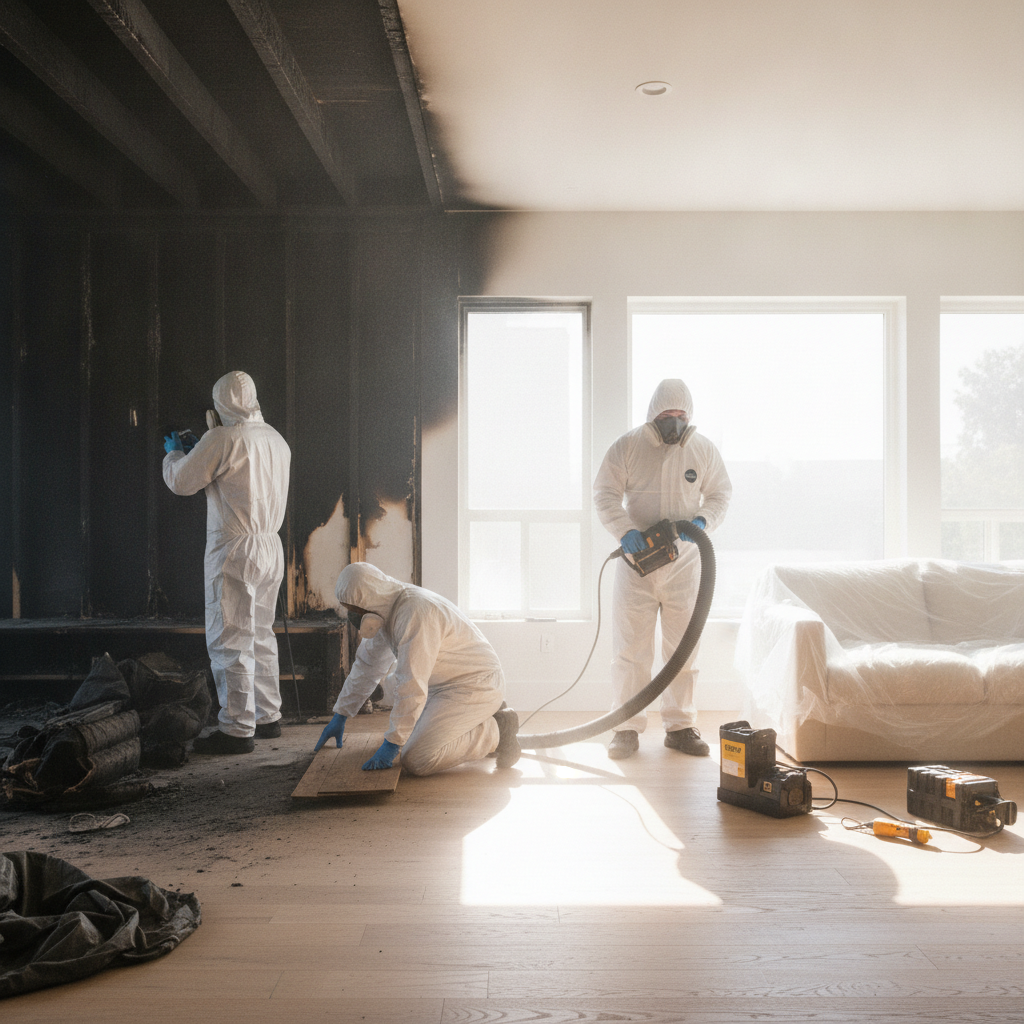
Once the fire department has declared your property safe to enter, the restoration journey begins with a thorough assessment. Restoration professionals will evaluate the extent of fire, smoke, and water damage, checking structural integrity, electrical systems, and hidden hazards. Safety is paramount at this stage. Technicians wear protective gear and use specialized equipment to detect lingering dangers like unstable ceilings or contaminated air. They’ll document everything for insurance and planning purposes, creating a clear roadmap for the restoration process. This initial assessment is also when you’ll receive a detailed estimate and timeline, helping you understand what lies ahead. For business owners, this means you can start planning for temporary relocation or business continuity. If you’re unsure where to start or need immediate guidance, Bloomfield Construction is a trusted local partner with experience in fire and smoke restoration for both commercial and residential properties.
Understanding Smoke Damage and Its Lasting Effects
Smoke damage is more than just a lingering odor. Tiny particles from burnt materials can penetrate walls, ceilings, insulation, and HVAC systems, causing discoloration, corrosion, and persistent smells. Different types of smoke, wet, dry, protein, or oil-based, require different cleaning methods. Some residues are sticky and smear easily, while others are powdery or invisible but highly corrosive. Professional restoration teams use advanced tools like air scrubbers, ozone generators, and thermal foggers to neutralize odors and remove contaminants. They also clean or replace affected surfaces, ensuring your property is safe and comfortable. If you want to learn more about how secondary damage can spread after a fire, check out How to Spot Secondary Water Damage Before It Spreads in Bloomfield Hills Homes for additional insights.
Water Removal and Drying: Essential Steps After Fire Suppression
Firefighting efforts often leave behind significant water damage, which can quickly lead to mold growth and structural problems if not addressed promptly. Restoration professionals use industrial-grade pumps, vacuums, and dehumidifiers to extract standing water and dry out affected areas. Moisture meters and thermal imaging help locate hidden dampness behind walls or under floors. The drying process is meticulously monitored to prevent warping, swelling, or further deterioration of building materials. Salvageable items are moved to a safe, dry location for cleaning and restoration. For a deeper dive into how water removal fits into the overall recovery process, see How Water Damage Restoration Works in Bloomfield Hills Homes for expert advice.
Restoring Structural Integrity and Preventing Future Issues
Once the property is dry and safe, attention turns to repairing structural components. Fire and smoke can weaken beams, joists, walls, and roofing materials. Restoration specialists assess which elements can be salvaged and which require replacement. They reinforce or rebuild damaged areas, ensuring the property meets current building codes and is safe for occupancy. Preventative measures, such as fire-resistant materials or upgraded electrical systems, may be recommended to reduce future risk. This phase is vital for both safety and long-term property value, especially for businesses and developers looking to protect their investments in the area.
Cleaning and Salvaging Contents: What Can Be Saved?
Not everything lost in a fire is beyond recovery. Restoration teams use specialized cleaning methods to salvage furniture, electronics, documents, and inventory. Ultrasonic cleaning, dry cleaning, and ozone treatment can remove soot and neutralize odors from many items. The decision to restore or replace depends on the item’s value, the extent of damage, and sentimental importance. For businesses, this process is crucial for minimizing losses and resuming operations quickly. A detailed inventory is maintained for insurance claims, ensuring transparency and accuracy throughout the recovery process.
Air Quality Restoration: Ensuring a Safe Environment
After a fire, indoor air quality can be severely compromised by soot, ash, and volatile organic compounds. Restoration professionals use HEPA filters, air scrubbers, and ventilation systems to remove airborne contaminants. Ductwork and HVAC systems are thoroughly cleaned to prevent recirculation of smoke particles. Air quality testing is often performed to ensure the environment is safe for occupants. This step is especially important for businesses and families with children, elderly members, or anyone with respiratory conditions. Clean, healthy air is a non-negotiable part of a successful restoration.
Navigating Insurance Claims: Tips for a Smoother Process
Dealing with insurance after a fire can be daunting. Restoration companies often assist with documentation, photos, and detailed reports to support your claim. It’s important to communicate clearly with your adjuster, keep records of all expenses, and understand your policy’s coverage limits. Prompt action and thorough documentation can speed up the claims process and maximize your reimbursement. For business owners, this can mean the difference between a quick recovery and prolonged downtime. Many restoration providers offer direct billing to insurance, reducing out-of-pocket costs and administrative headaches.
Common Challenges in Fire and Smoke Restoration
Every fire restoration project presents unique challenges. Hidden damage behind walls, persistent odors, and the risk of mold growth are common hurdles. In older properties, hazardous materials like asbestos or lead paint may be uncovered during repairs. Coordinating multiple contractors, managing timelines, and ensuring compliance with local regulations add complexity to the process. Experienced restoration teams anticipate these challenges and have strategies in place to address them, keeping projects on track and minimizing surprises for property owners.
How Restoration Professionals Work With Local Businesses
For small businesses, fire and smoke damage can threaten livelihoods. Restoration companies understand the urgency of getting operations back up and running. They prioritize critical areas, offer flexible scheduling, and coordinate with business owners to minimize disruption. Temporary barriers, off-site cleaning, and phased restoration can help maintain some level of service during recovery. Local professionals are familiar with the needs of the community and can recommend solutions tailored to the unique requirements of commercial properties in the region.
Fire and Smoke Restoration Timeline: What to Expect
The timeline for fire and smoke restoration varies based on the severity of the damage, the size of the property, and the complexity of repairs. Here’s a general overview of what to expect:
| Phase | Typical Duration | Key Activities |
|---|---|---|
| Assessment & Safety | 1-2 days | Inspection, documentation, safety checks |
| Water Removal & Drying | 2-7 days | Water extraction, dehumidification, monitoring |
| Smoke & Soot Cleaning | 3-10 days | Surface cleaning, odor removal, air purification |
| Structural Repairs | 1-4 weeks | Rebuilding, painting, finishing touches |
| Contents Restoration | Ongoing | Cleaning, inventory, return of items |
Keep in mind that unexpected issues, such as hidden moisture or the need for specialized cleaning, can extend these timelines. Open communication with your restoration team ensures you’re always informed about progress and any changes to the schedule.
Preventative Measures and Fire Safety Tips for the Future
While no one can predict when a fire might strike, there are steps you can take to reduce the risk and minimize damage. Install and regularly test smoke detectors, keep fire extinguishers accessible, and create an evacuation plan for your family or employees. For businesses, regular fire drills and safety training can make a significant difference. Consider fire-resistant building materials and maintain clear access for emergency responders. After restoration, ask your contractor for recommendations tailored to your property’s unique needs. Staying proactive helps protect your investment and provides peace of mind for the future.
Final Thoughts
Recovering from fire and smoke damage is a complex process, but understanding each step can make the journey less daunting. From the initial assessment to the final coat of paint, professional restoration teams are equipped to handle every challenge, ensuring your property is safe, clean, and ready for a fresh start. Whether you’re a business owner, developer, or homeowner, knowing what to expect empowers you to make informed decisions and move forward with confidence. Remember, the right restoration partner can make all the difference in turning a difficult situation into a story of resilience and renewal in this community.