When it comes to protecting your property, understanding roof types storm damage is crucial for small business owners, developers, and residents alike. Your roof is your first line of defense against the elements, and knowing how different materials and structures respond to severe weather can make all the difference in safeguarding your investment. Whether you own a commercial building or a residential property, being aware of the vulnerabilities specific to each roof type can help you make informed decisions about maintenance, repairs, and upgrades. In this comprehensive guide, we’ll break down the most common roof types, examine their strengths and weaknesses in the face of storms, and offer practical advice for minimizing risk. By the end, you’ll be equipped with the knowledge you need to better protect your property and make smart choices for the future.
Roof Types Storm Damage in Bloomfield Hills
In the area, property owners face a variety of weather challenges, from heavy snowfalls to intense summer storms. These conditions put every roof to the test. Understanding roof types storm damage is especially important here, where seasonal extremes can quickly reveal weaknesses in your building’s structure. The most common roof types in the neighborhood include asphalt shingles, metal roofing, flat roofs, and tile systems. Each of these has unique characteristics that influence how they respond to wind, hail, rain, and debris. For business owners and homeowners, knowing the vulnerabilities of your specific roof type is the first step toward effective storm preparation and response. For a deeper dive into how local weather impacts different materials, check out this resource on roof types and storm damage vulnerability.
Asphalt shingles, for example, are popular due to their affordability and ease of installation, but they can be susceptible to wind uplift and hail impact. Metal roofs, while durable and long-lasting, can suffer from denting and seam separation during severe storms. Flat roofs, often found on commercial buildings, require special attention to drainage and membrane integrity to prevent leaks. Tile roofs offer excellent resistance to fire and pests, but their weight and brittleness make them vulnerable to cracking under heavy impact. Understanding these distinctions allows property owners in this community to prioritize maintenance and make informed decisions when repairs or replacements are needed.
In the following sections, we’ll explore each of these roof types in detail, highlight their storm damage vulnerabilities, and provide actionable tips for protecting your investment from the unpredictable forces of nature.
Roof Types Storm Damage in Bloomfield Hills, MI
Roof types storm damage is a topic of growing interest for property owners in Bloomfield Hills, MI, as the region’s unpredictable weather patterns present ongoing challenges. The combination of cold winters, spring thunderstorms, and occasional tornado activity means that roofs are frequently exposed to harsh conditions. Each roof type reacts differently to these threats, and understanding the specific vulnerabilities can help you prepare for the unexpected.
For instance, asphalt shingle roofs are particularly prone to granule loss and shingle blow-off in high winds, while metal roofs may experience panel lifting or fastener failure if not properly installed. Flat roofs, which are common on commercial properties, can develop pooling water and membrane punctures after heavy rain or hail. Tile roofs, though durable, can crack or become dislodged during severe storms, especially if the underlying structure is compromised. To learn more about how to address these issues, visit the roof types storm damage FAQ page for expert advice tailored to your needs.
By understanding the unique challenges posed by each roof type, property owners in the region can take proactive steps to minimize damage, such as scheduling regular inspections, reinforcing vulnerable areas, and investing in high-quality materials. The right preparation can make a significant difference when the next storm rolls through.
Roof Types Storm Damage in Bloomfield Hills Michigan
When discussing roof types storm damage in Bloomfield Hills Michigan, it’s important to recognize the diversity of roofing systems found throughout the city. From historic homes with slate roofs to modern commercial buildings with advanced membrane systems, each structure faces its own set of risks during storms. Local experts, such as Bloomfield Construction, have seen firsthand how different materials and designs withstand the elements.
Slate roofs, while beautiful and long-lasting, can be vulnerable to cracking from hail or falling branches. Wood shake roofs are susceptible to moisture infiltration and rot, especially if not properly maintained. Synthetic roofing materials, such as rubber or composite shingles, offer improved resistance to impact but may still suffer from UV degradation over time. Understanding these vulnerabilities allows property owners to make informed decisions when selecting roofing materials or planning repairs. By working with local professionals who understand the unique challenges of the area, you can ensure that your roof is prepared to weather any storm.
In the next sections, we’ll break down the most common roof types, examine their specific storm damage risks, and provide practical recommendations for protecting your property.
Asphalt Shingle Roofs: Pros, Cons, and Storm Risks
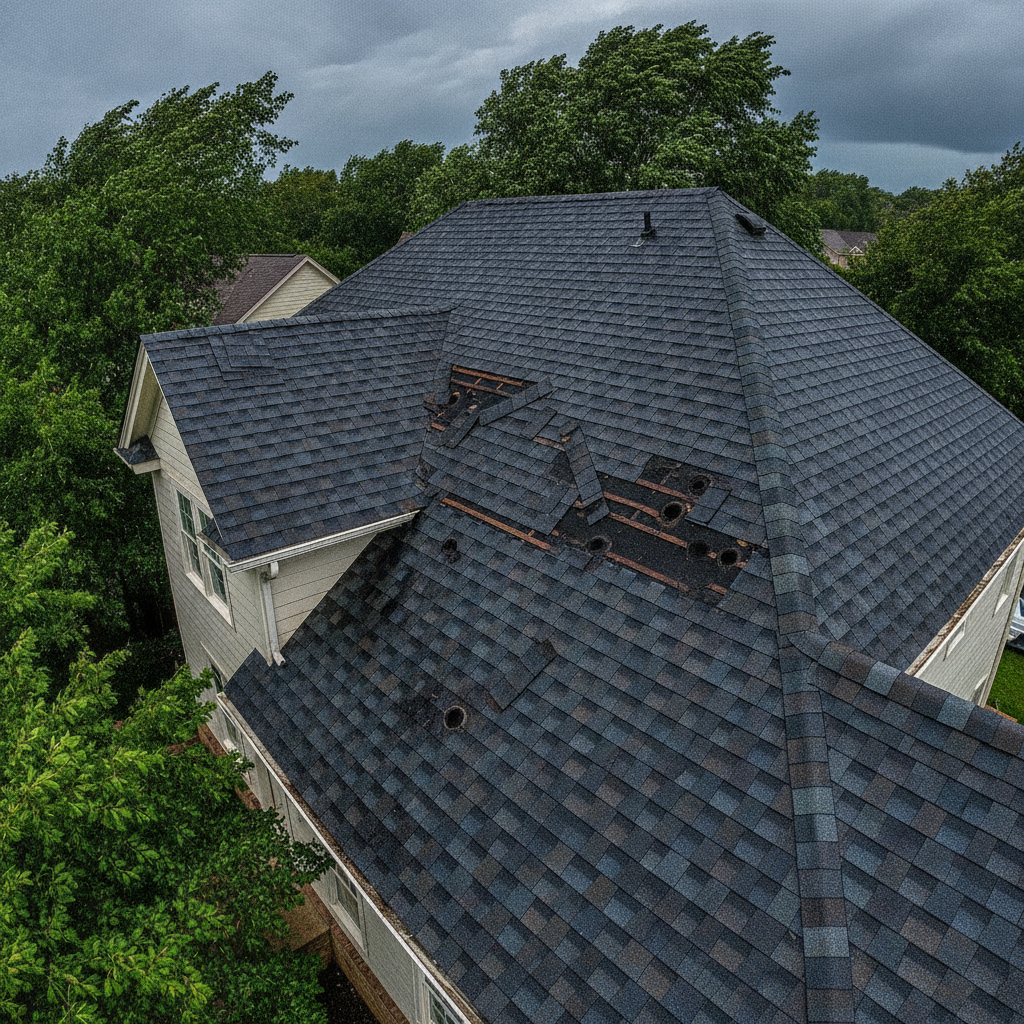
Asphalt shingles are the most widely used roofing material in the United States, favored for their affordability, versatility, and ease of installation. However, when it comes to roof types storm damage, asphalt shingles have some notable vulnerabilities. High winds can lift and tear shingles, especially if they are older or improperly installed. Hail can cause bruising, granule loss, and even punctures, reducing the roof’s overall lifespan.
One of the main advantages of asphalt shingles is their ability to shed water efficiently, which helps prevent leaks during rainstorms. However, their lightweight nature makes them more susceptible to wind uplift compared to heavier materials like tile or slate. In regions prone to severe storms, choosing impact-resistant shingles and ensuring proper installation can help mitigate these risks.
Regular inspections are essential for identifying loose or damaged shingles before they can lead to leaks or structural damage. Property owners should also be aware of the signs of aging, such as curling, cracking, or missing granules, which can indicate a need for repair or replacement. By staying proactive, you can extend the life of your asphalt shingle roof and reduce the likelihood of costly storm-related repairs.
Metal Roofs: Durability and Storm Performance
Metal roofs are known for their exceptional durability and longevity, often lasting 40 years or more with proper care. When evaluating roof types storm damage, metal roofing stands out for its resistance to fire, insects, and rot. However, it is not immune to the effects of severe weather. Large hailstones can dent metal panels, and strong winds may cause seams to separate or panels to lift if not securely fastened.
Another consideration is thermal movement. Metal expands and contracts with temperature changes, which can stress fasteners and seams over time. To minimize damage, it’s important to use high-quality installation techniques and materials designed for your climate. Regular inspections should focus on checking for loose fasteners, rust, and areas where water may pool or penetrate.
Despite these potential issues, metal roofs generally perform well in storms, offering superior wind and impact resistance compared to many other materials. Their reflective properties also help reduce energy costs, making them a popular choice for both residential and commercial properties in storm-prone areas.
Flat Roofs: Storm Damage Challenges and Solutions
Flat roofs are commonly found on commercial buildings and some modern homes. Their low slope makes them susceptible to unique storm damage risks. One of the most significant concerns is water pooling, which can lead to leaks, membrane deterioration, and even structural issues if not addressed promptly. Hail and wind can also puncture or tear the roofing membrane, especially if the material is aging or poorly maintained.
To counter these risks, property owners should ensure that drainage systems are clear and functioning properly. Regular inspections are critical for detecting signs of wear, such as blisters, cracks, or loose seams. Using high-quality, reinforced membranes can also improve resistance to impact and weathering.
Flat roofs require a proactive maintenance approach. Addressing minor issues early can prevent more extensive damage during storms. For business owners, investing in professional inspections and timely repairs is a cost-effective strategy for extending the life of your roof and minimizing downtime after severe weather events.
Tile and Slate Roofs: Beauty, Weight, and Storm Impact
Tile and slate roofs are prized for their aesthetic appeal and long lifespan, often lasting 50 years or more. However, their weight and brittleness make them vulnerable to specific types of storm damage. Large hailstones, falling branches, or even heavy foot traffic during inspections can crack or shatter tiles and slates. Once damaged, these materials can allow water to penetrate, leading to leaks and structural issues.
Another consideration is the underlying support structure. Tile and slate roofs require robust framing to support their weight, especially in regions with heavy snowfall. If the structure is compromised, tiles may shift or break during storms. Regular inspections should focus on identifying cracked or loose tiles, as well as checking the integrity of the flashing and underlayment.
Despite these challenges, tile and slate offer excellent resistance to fire, pests, and UV damage. With proper maintenance and prompt repairs, they can provide decades of reliable protection, even in storm-prone areas.
Wood Shake and Synthetic Roofs: Modern Solutions and Storm Resilience
Wood shake roofs offer a classic, natural look but require diligent maintenance to resist storm damage. Moisture infiltration, rot, and insect activity are common concerns, especially after heavy rain or wind-driven debris. Regular cleaning, sealing, and prompt replacement of damaged shakes are essential for maintaining storm resilience.
Synthetic roofing materials, such as rubber, plastic, or composite shingles, are gaining popularity due to their improved impact resistance and longevity. These materials are often designed to mimic the appearance of traditional wood or slate while offering better performance in storms. However, they may still be vulnerable to UV degradation, edge curling, or manufacturing defects.
Both wood shake and synthetic roofs benefit from regular inspections and timely repairs. By addressing vulnerabilities early, property owners can reduce the risk of extensive storm damage and extend the life of their roof.
Comparing Roof Types: Storm Damage Vulnerability Table
| Roof Type | Common Storm Vulnerabilities | Best Practices |
|---|---|---|
| Asphalt Shingles | Wind uplift, hail impact, granule loss | Use impact-resistant shingles, schedule regular inspections |
| Metal Roofing | Denting, seam separation, fastener failure | Check fasteners, use quality installation, inspect for rust |
| Flat Roofs | Pooling water, membrane punctures, leaks | Maintain drainage, inspect membrane, reinforce seams |
| Tile/Slate | Cracking, shifting, structural stress | Check for cracks, reinforce structure, inspect flashing |
| Wood Shake | Moisture, rot, insect damage | Seal regularly, replace damaged shakes, keep clean |
| Synthetic | UV degradation, edge curling | Choose quality materials, monitor for defects |
This table summarizes the most common roof types storm damage vulnerabilities and highlights best practices for maintenance and prevention. Use it as a quick reference when evaluating your own property’s risk profile and planning for future upgrades or repairs.
Storm Preparation Tips for Every Roof Type
No matter which roof type you have, preparation is key to minimizing storm damage. Start by scheduling regular inspections, especially before and after storm season. Look for signs of wear, such as loose shingles, rusted fasteners, or cracked tiles. Clean gutters and downspouts to ensure proper drainage and prevent water from backing up onto the roof.
Trim overhanging branches that could fall and damage your roof during high winds. Secure loose objects around your property to prevent them from becoming airborne debris. For flat roofs, check that drains are clear and that the membrane is intact. If you have a metal or tile roof, pay special attention to seams, flashing, and support structures.
Investing in impact-resistant materials and professional installation can further reduce your risk. Keep records of all maintenance and repairs, as this information may be valuable when filing insurance claims after a storm. By taking these proactive steps, you can enhance your roof’s resilience and protect your property from costly storm damage.
Insurance Considerations for Storm Damage
Understanding your insurance policy is an important part of managing roof types storm damage. Not all policies cover the same types of damage, and some may exclude certain materials or require higher deductibles for specific risks like hail or wind. Review your policy carefully and consult with your insurance provider to clarify what is and isn’t covered.
Document the condition of your roof with photos and maintenance records. This documentation can be invaluable when filing a claim, as it helps establish the pre-storm condition of your property. After a storm, act quickly to assess damage and initiate repairs, as delays can sometimes result in denied claims or further deterioration.
Consider working with a local roofing professional who understands the unique challenges of the region and can provide expert guidance on repairs and insurance claims. By staying informed and prepared, you can navigate the insurance process more effectively and ensure that your property is protected.
Key Takeaways
Protecting your property from roof types storm damage starts with understanding the unique vulnerabilities of each roofing material and design. Whether you own a home or a business in the region, being proactive about inspections, maintenance, and upgrades can make a significant difference when severe weather strikes. Asphalt shingles, metal roofs, flat systems, tile, slate, wood shake, and synthetic options all have their strengths and weaknesses, but regular care and informed decision-making are your best defenses.
Remember to consult with local professionals, keep your insurance information up to date, and stay vigilant throughout the year. By applying the tips and insights from this guide, you can enhance your roof’s resilience, protect your investment, and enjoy greater peace of mind no matter what the forecast brings.