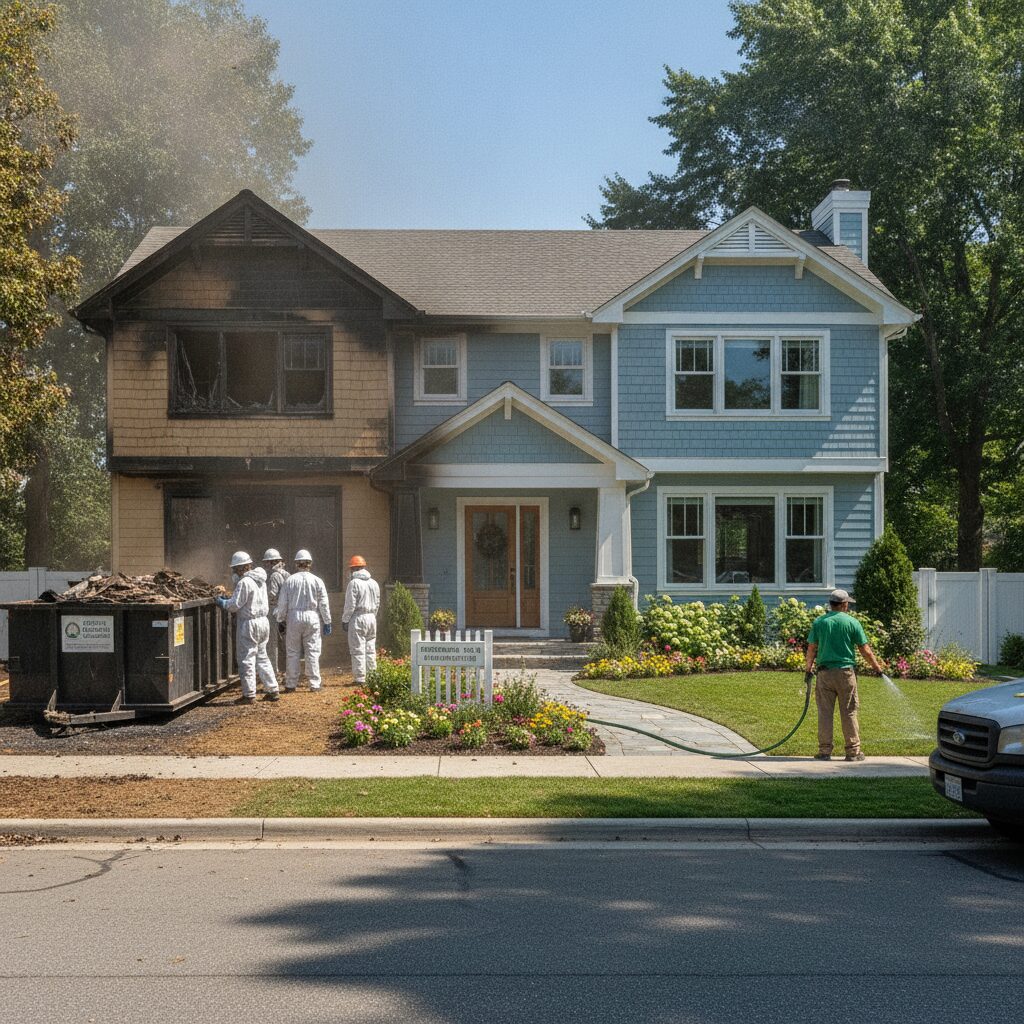
Fire can devastate a property in moments, but the journey to recovery is a careful, multi-step process that goes far beyond simply cleaning up visible soot. For small business owners, developers, and residents in the area, understanding the full scope of fire damage restoration Bloomfield Hills is essential to making informed decisions and ensuring a safe, successful rebuild. From the first assessment through to the final structural repairs, each stage demands expertise, planning, and a deep commitment to restoring both safety and peace of mind. In this guide, we’ll walk you through what really happens after a fire, from the hidden dangers of soot to the technical challenges of rebuilding, so you know what to expect and how to protect your investment. Whether you’re facing a recent fire or simply want to be prepared, this deep dive into the restoration process will arm you with the knowledge you need to move forward with confidence.
Assessing Fire Damage: The First Critical Step
Before any cleanup or repairs can begin, a thorough assessment of the fire damage is crucial. Restoration professionals start by evaluating the extent of structural, smoke, and soot damage throughout the property. This involves inspecting load-bearing walls, ceilings, floors, and hidden cavities to identify compromised areas. Safety hazards such as weakened supports, lingering hot spots, and hazardous debris are documented. For business owners, this step also includes assessing the impact on inventory, equipment, and essential records. A detailed inspection helps prioritize urgent stabilization needs and forms the foundation of a comprehensive restoration plan. Working with experienced contractors like Bloomfield Construction ensures nothing is overlooked and that the recovery process starts on solid ground.
Soot and Smoke Residue: Why Immediate Cleanup Matters
Soot and smoke residues are more than just unsightly, they can be toxic and corrosive, causing ongoing damage long after the flames are out. Soot particles settle quickly, embedding themselves into porous materials like drywall, upholstery, and HVAC systems. If not addressed immediately, these residues can stain surfaces, degrade air quality, and lead to persistent odors. Specialized cleaning methods are required to safely remove soot from both visible and hidden areas. This includes HEPA vacuuming, dry and wet sponging, and chemical treatments tailored to specific materials. For property owners, understanding the urgency of soot cleanup is vital to prevent secondary damage and health risks. To learn more about protecting sensitive materials, see Protecting Hardwood Floors After Water Damage in Bloomfield Hills.
Moisture Intrusion After Fire: An Overlooked Threat
Firefighting efforts often introduce significant moisture into a property, creating a hidden threat that can undermine restoration if not addressed. Water used to extinguish flames can seep into floors, walls, and insulation, setting the stage for mold growth and structural deterioration. Moisture mapping and advanced drying techniques are essential to identify and eliminate hidden dampness. Restoration teams use infrared cameras, moisture meters, and industrial dehumidifiers to ensure every affected area is dry before repairs begin. Ignoring this step can lead to costly repairs down the line and compromise the safety of the rebuilt space. For a deeper look at how professionals tackle this challenge, visit What Happens During Professional Moisture Mapping in Bloomfield Hills Water Restoration.
Structural Integrity: Evaluating and Repairing the Framework
After a fire, the structural integrity of a building is often compromised in ways that aren’t immediately visible. Beams, joists, and load-bearing walls may appear intact but could be weakened by heat or water exposure. Restoration experts carefully inspect the framework for warping, cracking, or charring. In some cases, temporary supports are installed to stabilize the building while damaged components are repaired or replaced. For business owners and developers, ensuring the structure meets all safety codes is non-negotiable. This phase may involve engineering assessments and coordination with local inspectors to guarantee a safe return to occupancy. Advanced materials and modern building techniques are often used to reinforce the structure, improving resilience against future incidents. The goal is not just to restore, but to strengthen the property for the long term.
Restoring Electrical and Mechanical Systems After a Fire
Fire can wreak havoc on a property’s electrical wiring, HVAC systems, and plumbing. Even if flames don’t directly reach these systems, heat and smoke can cause hidden damage. Restoration professionals begin by shutting off power and conducting a thorough inspection of wiring, outlets, and breaker panels. Damaged components are replaced, and the entire system is tested for safety before being brought back online. HVAC systems, which can harbor soot and smoke, require specialized cleaning to prevent the spread of contaminants. Plumbing is checked for leaks or heat-related failures. For commercial properties, restoring these systems quickly is critical to resuming business operations. Upgrading to more fire-resistant materials during repairs can also provide added protection in the future.
Contents Restoration: Salvaging What Matters Most
Beyond the building itself, fire often damages the contents inside, furniture, documents, electronics, and personal items. Restoration teams use a variety of techniques to clean, deodorize, and restore salvageable items. This may include ultrasonic cleaning for electronics, ozone treatments for odor removal, and freeze-drying for water-damaged documents. Items are carefully inventoried and separated into those that can be restored and those that must be replaced. For business owners, this process is vital for preserving essential records and minimizing downtime. Many restoration firms offer secure off-site storage during repairs, ensuring valuables remain safe and accessible. The goal is to return as many items as possible to their pre-loss condition, helping property owners recover both financially and emotionally.
Odor Removal: Eliminating Lingering Smoke Smells
Even after visible soot and debris are gone, smoke odors can linger for months if not properly treated. These odors penetrate deep into walls, carpets, and ventilation systems, making them difficult to eliminate with standard cleaning. Professional restoration teams use specialized equipment such as thermal foggers, ozone generators, and air scrubbers to neutralize smoke particles at the molecular level. This process not only improves indoor air quality but also ensures the property feels truly restored. For businesses, removing odors is essential to creating a welcoming environment for customers and staff. Homeowners benefit from peace of mind, knowing their living space is free from harmful residues. Odor removal is often the final step before a property is ready for reoccupation.
Navigating Insurance Claims for Fire Restoration
Dealing with insurance after a fire can be overwhelming. The claims process involves detailed documentation, communication with adjusters, and understanding policy coverage. Restoration professionals often assist property owners by providing comprehensive damage reports, itemized inventories, and repair estimates. This support helps ensure accurate settlements and speeds up the recovery timeline. Business owners may have additional considerations, such as business interruption coverage and loss of income claims. It’s important to keep thorough records of all communications, expenses, and repairs. Working with a restoration company experienced in insurance coordination can make the process smoother and less stressful, allowing owners to focus on rebuilding rather than paperwork.
Fire Restoration Timeline: What to Expect
Restoring a property after fire damage is a complex, multi-phase process that can take weeks or even months, depending on the severity of the incident. The timeline typically begins with emergency board-up and stabilization, followed by damage assessment, debris removal, and deep cleaning. Structural repairs, system restorations, and final inspections are completed before the property is ready for occupancy. Delays can occur due to permitting, supply chain issues, or the discovery of hidden damage. Setting realistic expectations and maintaining open communication with your restoration team is key to a smooth recovery. The following table outlines a general timeline for major fire restoration milestones:
| Phase | Estimated Duration | Key Activities |
|---|---|---|
| Emergency Response | 1-2 days | Board-up, securing property, initial safety checks |
| Damage Assessment | 2-4 days | Inspection, documentation, planning |
| Debris & Soot Removal | 1-2 weeks | Cleanup, air filtration, odor control |
| Structural Repairs | 2-6 weeks | Framing, drywall, electrical, plumbing |
| Final Restoration | 1-2 weeks | Painting, flooring, final inspections |
Building Back Better: Upgrades and Preventive Measures
A fire restoration project is also an opportunity to upgrade your property for greater resilience and safety. Many owners choose to install fire-resistant materials, upgrade electrical systems, and add advanced smoke detection technology during the rebuild. For businesses, this can mean improved compliance with local codes and enhanced protection for employees and assets. Preventive measures such as fire doors, sprinkler systems, and clear evacuation plans can significantly reduce the risk of future incidents. Restoration professionals can recommend tailored solutions based on your property’s unique needs and vulnerabilities. Investing in these upgrades not only restores what was lost but also adds long-term value and peace of mind.
Choosing the Right Fire Restoration Partner
Selecting a qualified fire restoration partner is one of the most important decisions you’ll make after a fire. Look for companies with proven experience, proper certifications, and a track record of successful projects in the region. Ask about their approach to safety, communication, and project management. A good restoration partner will provide clear timelines, transparent pricing, and ongoing updates throughout the process. For commercial clients, it’s also important to choose a team familiar with the unique challenges of business restoration, including minimizing downtime and protecting sensitive assets. Take the time to review references and verify credentials to ensure your property is in capable hands.
Final Thoughts
Recovering from a fire is never easy, but with the right knowledge and support, it’s possible to restore your property and move forward with confidence. From the initial assessment to the final coat of paint, each stage of fire damage restoration demands expertise, attention to detail, and a commitment to safety. By understanding the full process and working with trusted professionals, property owners in this community can protect their investments and ensure a safe, welcoming environment for years to come. Whether you’re a business owner, developer, or resident, being prepared and proactive is the key to a successful recovery after fire damage.