After a fire, the visible scars on a property are only part of the story. For business owners, developers, and residents in the area, the less obvious but equally critical challenge is restoring indoor air quality. Fire damage restoration in Bloomfield Hills is more than just repairing structures, it’s about creating a safe, healthy environment where people can breathe easily again. Smoke, soot, and lingering odors can infiltrate every corner of a building, impacting not only comfort but also long-term health. The process of cleaning, filtering, and renewing the air is a science in itself, requiring specialized knowledge and equipment. In this article, we’ll explore how fire damage restoration protects indoor air quality, what steps professionals take to ensure a thorough recovery, and why this matters for everyone who spends time indoors. Whether you own a commercial property, manage a development, or simply want to understand the risks and solutions, you’ll discover the vital role restoration plays in safeguarding the air you breathe after a fire.
Why Indoor Air Quality Suffers After a Fire
When a fire occurs, the damage goes far beyond what’s visible to the naked eye. The combustion of building materials, furnishings, and even everyday items releases a complex mix of pollutants into the air. These include fine particulate matter, volatile organic compounds (VOCs), and toxic gases such as carbon monoxide and formaldehyde. Even after the flames are extinguished, these contaminants linger in the air and settle on surfaces, making the indoor environment hazardous.
Soot and smoke particles are particularly insidious. They can penetrate deep into HVAC systems, wall cavities, and insulation. As a result, simply opening windows or airing out a property is rarely enough to restore healthy air quality. In fact, without professional intervention, these particles can continue to circulate, posing respiratory risks and aggravating allergies or asthma.
For small business owners and developers, poor air quality after a fire can delay reopening, affect employee health, and even lead to regulatory issues. Customers and tenants are increasingly aware of indoor environmental quality, making it a top priority for anyone responsible for a property’s recovery. This is where professional fire damage restoration steps in to address the unseen hazards and restore confidence in the safety of the space.
To learn more about comprehensive restoration services in the area, visit Bloomfield Construction.
Key Steps in Fire Damage Restoration for Cleaner Air
Restoring indoor air quality after a fire involves a series of carefully planned steps. The process begins with a thorough assessment of the property to identify the extent of smoke and soot infiltration. Restoration professionals use specialized equipment to detect hidden contamination, including air quality monitors and surface testing kits.
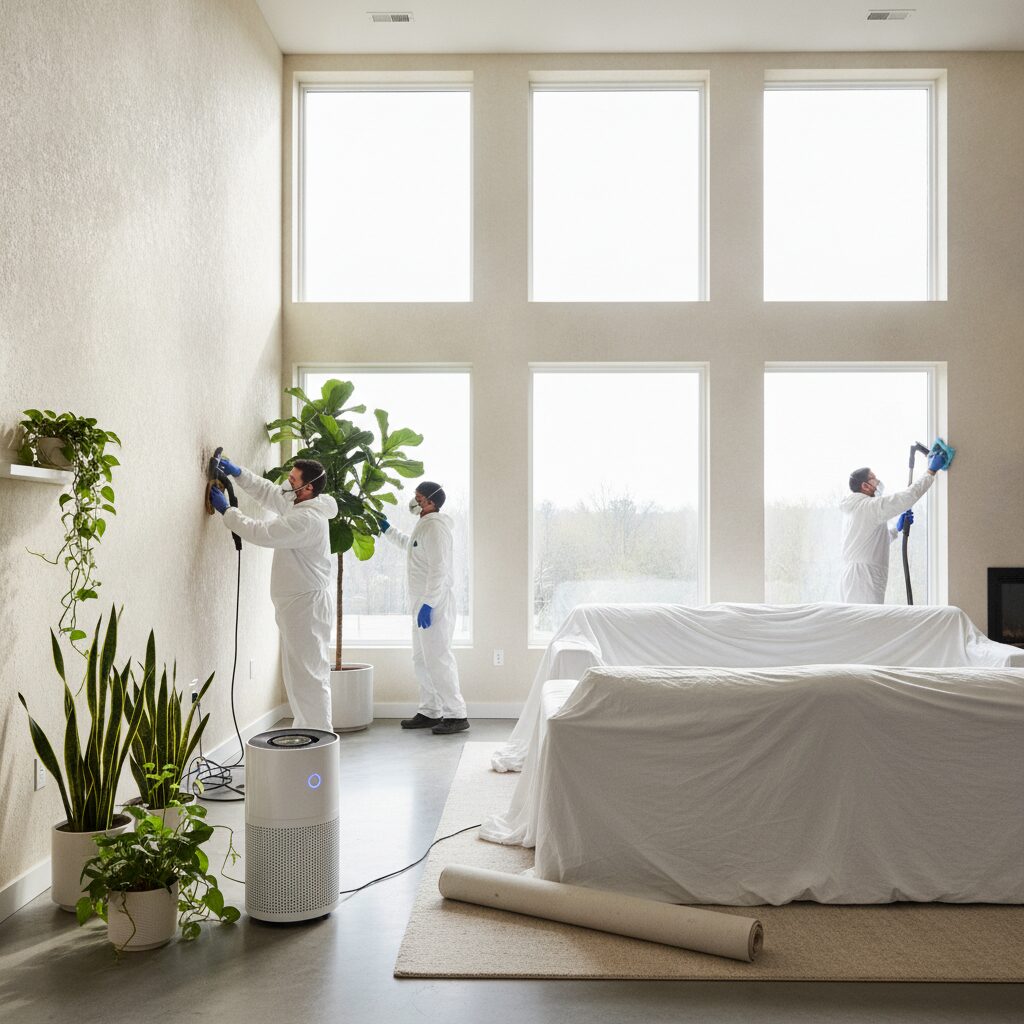
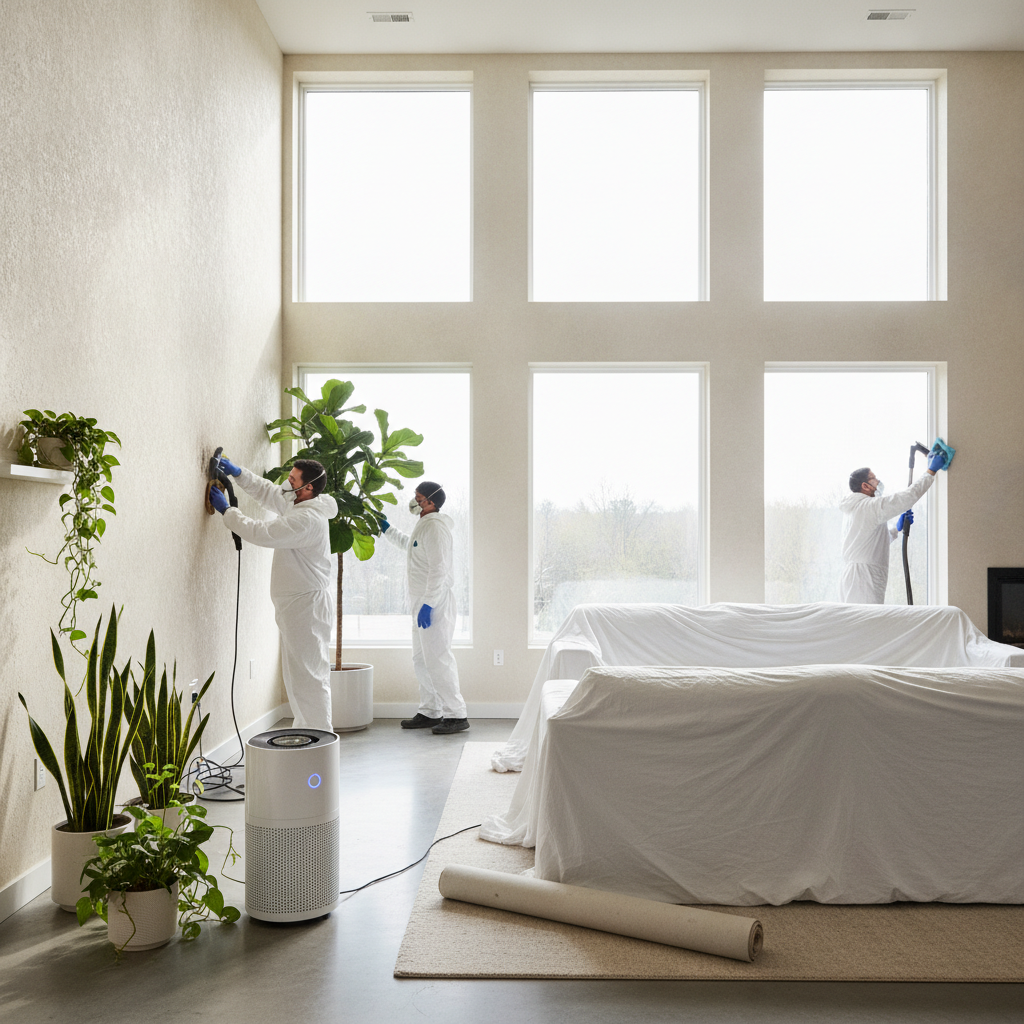
The next step is containment. By isolating affected areas, technicians prevent contaminants from spreading to clean zones. This is followed by the removal of debris and damaged materials, anything that can continue to off-gas harmful substances or harbor soot. High-efficiency particulate air (HEPA) vacuums and air scrubbers are deployed to capture microscopic particles from both surfaces and the air itself.
Cleaning is a multi-stage process. Surfaces are washed with specialized solutions that break down soot and neutralize odors. HVAC systems are cleaned and filters replaced to prevent recontamination. In some cases, advanced techniques like ozone treatment or hydroxyl generators are used to eliminate stubborn smells and airborne toxins.
For business owners in Bloomfield Hills, these steps are essential for returning to normal operations quickly and safely. Each phase of restoration is designed to not only repair physical damage but also ensure that the air is safe for everyone who enters the building. If you’re interested in how restoration integrates with broader property solutions, check out Commercial Roofing Solutions for Bloomfield Hills Businesses.
The Science Behind Air Filtration and Smoke Removal
Air filtration is at the heart of restoring indoor air quality after fire damage. Not all air cleaners are created equal, professional restoration teams rely on HEPA filters, which can capture particles as small as 0.3 microns. This is crucial because smoke particles and soot are often much smaller than dust or pollen, making them difficult to remove with standard filters.
Air scrubbers are another essential tool. These portable machines draw in contaminated air, pass it through multiple filtration stages, and release purified air back into the environment. Some units also use activated carbon filters to trap odors and chemical vapors, further improving air quality. In severe cases, negative air machines are used to create pressure differentials that prevent the spread of contaminants to unaffected areas.
Smoke removal is more than just cleaning the air. Soot can adhere to walls, ceilings, and even electronic devices, requiring specialized cleaning agents and techniques. Restoration professionals are trained to identify the type of smoke residue, whether it’s dry, oily, or protein-based, and choose the appropriate cleaning method. This scientific approach ensures that all traces of contamination are addressed, not just what’s visible on the surface.
For a deeper dive into advanced detection and remediation techniques, see The Role of Thermal Imaging in Finding Hidden Water Intrusion in Bloomfield Hills.
Hidden Dangers: What Lurks in Post-Fire Air
Even after the visible smoke clears, the air inside a fire-damaged property can contain a cocktail of hazardous substances. Polycyclic aromatic hydrocarbons (PAHs), dioxins, and heavy metals are just a few of the toxins that can be released when synthetic materials burn. These compounds are known to have serious health effects, especially with prolonged exposure.
Fine particulate matter (PM2.5) is another concern. These tiny particles can penetrate deep into the lungs and even enter the bloodstream, increasing the risk of respiratory and cardiovascular problems. Children, the elderly, and individuals with pre-existing health conditions are particularly vulnerable.
The risk doesn’t end with the air itself. Soot and chemical residues can settle on surfaces and be re-released into the air through normal activities like vacuuming, walking, or even opening doors and windows. This is why professional restoration is so important, it addresses both airborne and settled contaminants, ensuring a truly safe environment for occupants.
Understanding these hidden dangers underscores the need for a comprehensive approach to fire damage restoration, one that prioritizes both visible repairs and invisible threats to indoor air quality.
How Restoration Professionals Assess Air Quality
A key part of any fire restoration project is the initial and ongoing assessment of indoor air quality. Restoration professionals use a combination of visual inspections and advanced technology to identify contaminants and measure air cleanliness. Air sampling devices can detect the presence of particulate matter, VOCs, and other harmful substances.
Surface testing is also common, especially in areas where soot and smoke may have settled out of sight. By analyzing samples from walls, ceilings, and HVAC components, technicians can determine the extent of contamination and tailor their cleaning strategies accordingly.
Continuous monitoring is essential throughout the restoration process. As cleaning progresses, air quality is re-tested to ensure that all contaminants have been effectively removed. Only when readings return to safe levels do professionals consider the space ready for reoccupation. This scientific, data-driven approach provides peace of mind for property owners and occupants alike.
The use of objective measurements not only ensures a thorough job but also helps document the restoration process for insurance and regulatory purposes. This transparency is especially valuable for businesses and developers who must demonstrate compliance with health and safety standards.
The Role of HVAC Systems in Spreading or Solving Air Quality Issues
HVAC systems are both a challenge and a solution when it comes to indoor air quality after a fire. On one hand, ducts and vents can act as highways for smoke and soot, spreading contaminants throughout a building. On the other, a properly cleaned and maintained HVAC system is essential for restoring and maintaining healthy air.
After a fire, restoration professionals will inspect and clean all HVAC components, including ducts, filters, coils, and blowers. Specialized brushes and vacuums remove soot buildup, while antimicrobial treatments can be applied to prevent mold and bacteria growth. In some cases, duct sealing or replacement may be necessary to ensure that no contaminants remain trapped inside the system.
Once cleaned, the HVAC system can be used to circulate filtered air and help dry out the property, speeding up the overall restoration process. Regular maintenance and filter changes are recommended to keep air quality high long after the initial restoration is complete. For business owners and developers, investing in high-efficiency filtration and smart HVAC controls can offer long-term protection against indoor air hazards.
By understanding the dual role of HVAC systems, property owners can take proactive steps to prevent future air quality issues and ensure a safe, comfortable environment for everyone who enters the building.
Comparing DIY Cleanup to Professional Restoration
It’s tempting for property owners to tackle fire cleanup themselves, especially when the damage appears minor. However, there are significant differences between DIY efforts and professional fire damage restoration, particularly when it comes to protecting indoor air quality.
DIY methods often rely on household cleaning products and standard vacuums, which are not designed to capture fine soot or neutralize toxic residues. In fact, using the wrong equipment can inadvertently spread contaminants, making the problem worse. Odors may linger, and hidden pollutants can continue to pose health risks long after the visible mess is gone.
Professional restoration teams bring specialized tools, advanced filtration systems, and a deep understanding of fire chemistry. They follow industry protocols to ensure that every surface and airspace is thoroughly cleaned and tested. The result is a level of cleanliness and safety that’s difficult to achieve with DIY methods.
For business owners and developers, the stakes are even higher. Liability, regulatory compliance, and reputation all depend on a safe, healthy environment. Investing in professional restoration is not just about aesthetics, it’s about protecting people and property for the long term.
Table: Common Indoor Air Contaminants After Fire and Their Health Effects
| Contaminant | Source | Potential Health Effects |
|---|---|---|
| Soot (Fine Particulates) | Burned organic/inorganic materials | Respiratory irritation, aggravated asthma, eye irritation |
| Volatile Organic Compounds (VOCs) | Burned plastics, paints, solvents | Headaches, dizziness, long-term organ effects |
| Carbon Monoxide | Incomplete combustion | Fatigue, confusion, risk of poisoning |
| Formaldehyde | Burned building materials | Eye/nose/throat irritation, potential carcinogen |
| Polycyclic Aromatic Hydrocarbons (PAHs) | Burned wood, plastics | Respiratory issues, potential cancer risk |
Odor Removal: Why Smell Matters for Air Quality
The lingering smell of smoke is more than just an unpleasant reminder of a fire, it’s a sign that harmful compounds are still present in the environment. Odors are caused by microscopic particles and gases that have penetrated porous materials like carpets, upholstery, and drywall. If left untreated, these substances can continue to affect indoor air quality for months or even years.
Professional odor removal goes beyond masking smells with air fresheners. Restoration teams use thermal fogging, ozone generators, and hydroxyl machines to break down odor-causing molecules at a chemical level. These methods are safe when used by trained professionals and are highly effective at neutralizing even the most stubborn smoke odors.
For businesses and property managers, eliminating odors is essential for restoring confidence among employees, tenants, and customers. A fresh, clean-smelling environment signals that the space is truly safe and ready for use. It also helps prevent psychological stress and negative associations with the property, supporting a smoother recovery process overall.
Health Benefits of Professional Fire Damage Restoration
The health benefits of professional fire damage restoration extend far beyond what’s visible. By thoroughly removing contaminants and restoring air quality, restoration services help prevent a range of short- and long-term health problems. Immediate benefits include relief from respiratory irritation, headaches, and allergy symptoms. Over time, reducing exposure to toxins can lower the risk of chronic conditions such as asthma, bronchitis, and even certain cancers.
For vulnerable populations, children, seniors, and those with pre-existing health issues, the impact is even greater. Clean indoor air supports faster recovery and reduces the likelihood of complications. For businesses, maintaining a healthy environment can decrease employee absenteeism and improve overall productivity.
Restoration also provides peace of mind. Knowing that every step has been taken to ensure a safe, healthy space allows property owners, managers, and occupants to focus on moving forward, rather than worrying about hidden dangers lurking in the air.
Final Thoughts
Fire damage restoration is about more than fixing walls and ceilings, it’s about reclaiming the air we breathe. For everyone in this community, from small business owners to families and developers, the quality of indoor air after a fire is a critical concern. Professional restoration addresses both visible and invisible threats, using science-backed methods to remove contaminants and restore a safe, comfortable environment. By prioritizing air quality, you protect not only your property but also the health and well-being of everyone who enters your space. As you plan your recovery, remember that investing in expert restoration is an investment in the future safety and vitality of your property.