Appliance leaks are one of the most underestimated threats to properties in the area, often causing far more damage than a simple puddle on the floor. While many property owners focus on roof leaks or burst pipes, everyday appliances like dishwashers, refrigerators, and washing machines can quietly unleash significant water damage behind the scenes. For small business owners, developers, and residents alike, understanding the risks and solutions associated with appliance leaks is crucial. Not only can these leaks lead to costly repairs, but they can also undermine the structural integrity of your property and create an environment ripe for mold growth. If left unchecked, even a minor leak can escalate into a major restoration project, making Water Damage Restoration Bloomfield Hills a vital service for protecting your investment and peace of mind. In this article, we’ll explore the hidden dangers of appliance leaks, how to spot them early, and the best strategies for prevention and restoration.
Why Appliance Leaks Are Often Overlooked
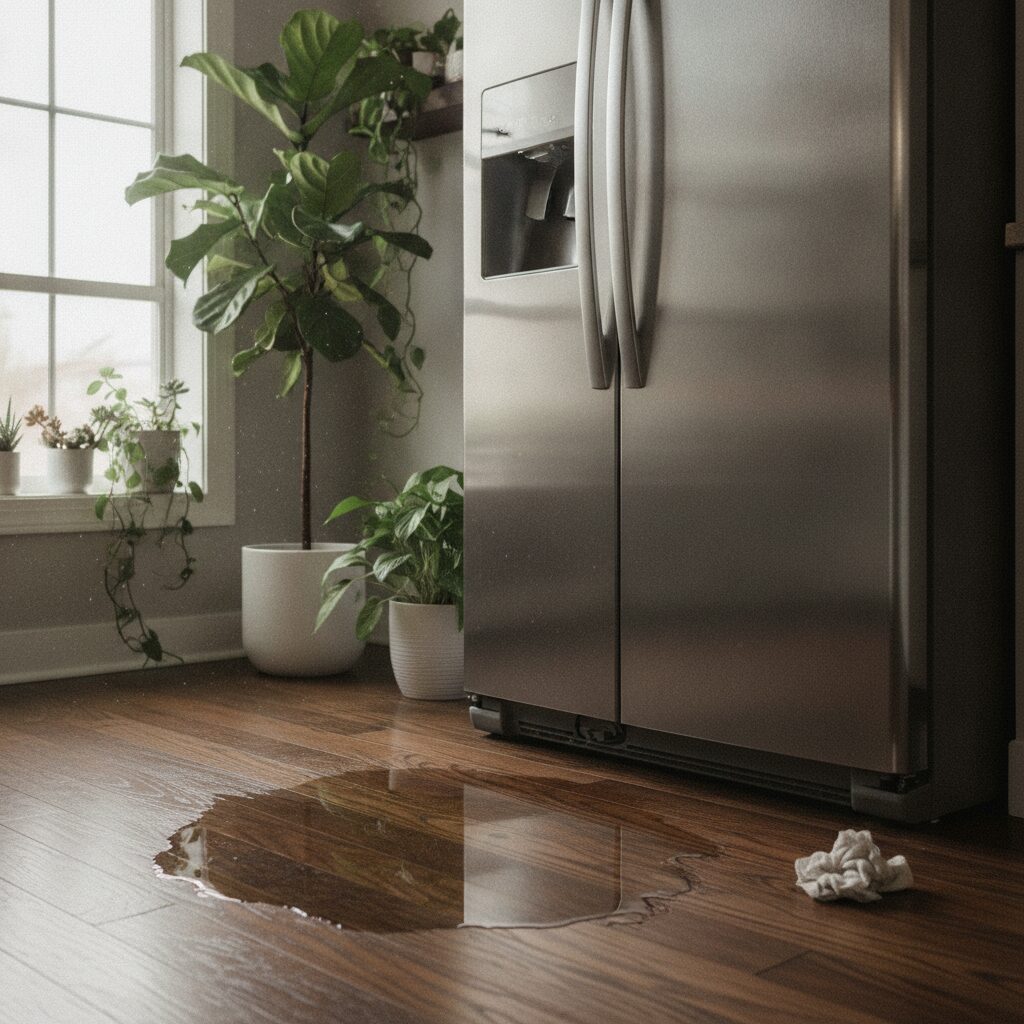
Many property owners underestimate appliance leaks because they often start small and are hidden behind or beneath bulky machines. A slow drip from a washing machine hose or a minor seep under a refrigerator can go unnoticed for weeks or even months. Unlike dramatic plumbing failures, these leaks rarely trigger immediate alarms. However, the accumulated moisture can silently damage flooring, subfloors, and drywall, leading to expensive repairs. The subtlety of these leaks means that by the time visible signs appear, the underlying damage is often extensive. For those seeking Water Damage Restoration Bloomfield Hills, early detection is key to minimizing costs and disruption.
Common Appliances That Pose Water Risks
Not all appliances are created equal when it comes to water damage risk. Dishwashers, washing machines, refrigerators with ice makers, and water heaters are the most frequent culprits. These appliances are often connected to water lines that can degrade over time, leading to slow leaks or sudden bursts. Even minor malfunctions, such as a faulty gasket or a loose hose clamp, can result in significant water escape. For business owners and developers, understanding which appliances require the most vigilance is essential for proactive property management. If you suspect a leak, prompt appliance leak repair services can prevent a minor issue from becoming a major headache.
The Science Behind Water Damage From Leaks
When water escapes from appliances, it seeps into porous building materials like wood, drywall, and insulation. Over time, this moisture can break down structural components, weaken flooring, and create the perfect environment for mold and mildew. The process is often gradual, but the consequences are severe. Water can travel far from the original leak site, making it difficult to trace the source without professional help. This is why property owners are encouraged to consult experts like Bloomfield Construction for a thorough inspection and remediation. Understanding how water migrates through a property is essential for effective restoration and prevention of future issues.
Commercial Impacts: Protecting Your Business Assets
For small business owners, an appliance leak can disrupt operations, damage inventory, and even force temporary closures. Water damage in commercial spaces often spreads quickly due to open layouts and interconnected systems. The financial impact can be significant, especially if the leak goes unnoticed during off-hours or weekends. Proactive maintenance and regular inspections are essential for safeguarding business assets. Investing in Commercial Roofing Solutions for Bloomfield Hills Businesses and robust water management systems can minimize downtime and protect your bottom line. Early intervention is always more cost-effective than extensive restoration after the fact.
Detecting Hidden Leaks With Advanced Technology
Modern leak detection goes far beyond simply spotting a puddle. Thermal imaging, moisture meters, and acoustic sensors can identify hidden moisture behind walls and under floors. These technologies allow professionals to pinpoint the source and extent of water intrusion without invasive demolition. For property owners in this community, utilizing advanced detection methods can mean the difference between a quick fix and a major overhaul. To learn more about how these tools are used in real-world scenarios, see The Role of Thermal Imaging in Finding Hidden Water Intrusion in Bloomfield Hills. Staying ahead of the problem with the right technology can save time, money, and stress.
Early Warning Signs of Appliance Leaks
Catching an appliance leak early is crucial for minimizing damage. Look for subtle signs such as warped or discolored flooring, musty odors, or unexplained increases in your water bill. In some cases, you may notice peeling paint or bubbling drywall near appliances. Mold growth in unexpected places is another red flag. Regularly inspecting the areas around appliances, especially those tucked away in closets or basements, can help you spot problems before they escalate. Even if you don’t see obvious water, dampness or condensation can indicate a hidden leak. Taking prompt action at the first sign of trouble can prevent costly repairs and protect your property’s value.
Mold and Health Risks From Unnoticed Leaks
When appliance leaks go undetected, the lingering moisture creates an ideal breeding ground for mold and mildew. Mold spores can spread quickly through HVAC systems and open spaces, posing health risks to occupants. Common symptoms include respiratory irritation, allergies, and in severe cases, more serious health complications. For businesses, mold can also create liability issues and impact employee productivity. Addressing leaks promptly not only protects your property but also ensures a healthy environment for everyone inside. Regular cleaning, good ventilation, and professional inspections are key to preventing mold outbreaks related to appliance leaks.
How Water Damage Restoration Works
Water damage restoration is a multi-step process designed to return your property to its pre-loss condition. Professionals start by identifying and stopping the source of the leak, then assess the extent of the damage using specialized tools. Water extraction, drying, and dehumidification follow, ensuring that all moisture is removed from affected materials. Damaged components like drywall, flooring, or insulation may need to be replaced. Throughout the process, restoration experts monitor humidity and moisture levels to prevent secondary issues like mold. Choosing a reputable local restoration company ensures that every step is handled efficiently and thoroughly, reducing the risk of recurring problems.
Prevention Strategies for Property Owners
Preventing appliance leaks starts with regular maintenance and awareness. Inspect hoses and connections at least twice a year, replacing any that show signs of wear or corrosion. Consider installing water leak detectors near high-risk appliances for early alerts. For businesses, implementing a scheduled inspection routine and training staff to recognize warning signs can make a significant difference. Upgrading to appliances with built-in leak detection and automatic shutoff features adds another layer of protection. Proactive measures are always more affordable than emergency repairs, making prevention a smart investment for any property owner in the region.
Cost Factors and Insurance Considerations
The cost of repairing appliance leak damage varies widely depending on the extent of the problem and the affected materials. Insurance policies may cover some or all of the restoration costs, but coverage often depends on how quickly the leak was discovered and reported. Documenting the damage with photos and keeping records of maintenance can help support your claim. Some policies exclude gradual leaks, so reviewing your coverage with an agent is wise. For business owners, understanding the specifics of your policy can prevent unpleasant surprises when disaster strikes. Investing in regular inspections and maintenance can also help lower insurance premiums over time.
Comparing Appliance Leak Risks and Responses
| Appliance | Typical Leak Location | Early Warning Sign | Recommended Response |
|---|---|---|---|
| Dishwasher | Underneath or at hose connections | Water pooling after use | Inspect hoses, replace gaskets |
| Washing Machine | Behind or at supply hoses | Dampness behind unit | Replace hoses every 5 years |
| Refrigerator (with ice maker) | Water line at back | Wet floor or wall stains | Check water line connections |
| Water Heater | Tank bottom or valves | Rust, puddles near base | Annual inspections, replace if corroded |
Final Thoughts
Appliance leaks are a hidden threat that can affect any property, whether it’s a bustling business, a new development, or a family home. By staying vigilant and proactive, property owners can catch leaks early, prevent extensive damage, and avoid costly repairs. Investing in regular maintenance, advanced detection technology, and professional restoration services is the best way to protect your property’s value and ensure a safe environment for everyone inside. Remember, the true cost of an appliance leak isn’t just measured in repair bills, but in the peace of mind that comes from knowing your property is secure. Take action today to safeguard your investment and keep your property in top condition for years to come.