
Water damage can strike any property at the most unexpected times, turning a normal day into a stressful and urgent situation. Whether you run a small business, manage developments, or simply care about your home, knowing what to do in the first 24 hours after water damage is critical. Acting quickly can make the difference between a manageable cleanup and a costly, long-term disaster. This guide is designed for business owners, developers, and residents who want to protect their property and investments. We’ll walk you through the essential first steps, highlight what to look for, and explain how Water Damage Restoration Bloomfield Hills services play a vital role in effective recovery. By understanding the right actions to take, you can minimize damage, speed up restoration, and safeguard your property from future issues. Let’s dive into the practical steps and expert insights that will help you regain control when water threatens your space.
Immediate Safety Steps After Water Intrusion
The first priority after discovering water damage is ensuring the safety of everyone in the building. Water intrusion can create hazardous conditions, such as slippery floors, electrical risks, and potential exposure to contaminants. Before you attempt to salvage items or begin cleanup, assess the situation carefully.
- If water is near electrical outlets or appliances, shut off the main power supply to prevent shocks.
- Avoid wading into standing water until you are certain it is safe.
- If the source of water is a burst pipe or appliance, turn off the main water valve to stop the flow.
- Wear protective gear such as rubber boots and gloves to avoid contact with contaminated water.
Once the immediate hazards are addressed, document the extent of the damage with photos or videos. This documentation will be essential for insurance claims and for professional restoration teams. If you are unsure about the safety of the structure, or if the water is from a sewage backup or flood, evacuate the premises and consult professionals before re-entering. For those in the area, reaching out to Bloomfield Construction can provide expert guidance and emergency response to ensure your property is safe and secure from the start.
Assessing the Scope of Water Damage
After ensuring safety, the next step is to evaluate how far the water has spread and which areas are affected. Water can travel quickly through flooring, walls, and even ceilings, often reaching places you might not expect. Begin by identifying visible signs of damage, such as wet carpets, warped wood, or bubbling paint. Check adjacent rooms, closets, and storage areas, as water often migrates beyond the initial source.
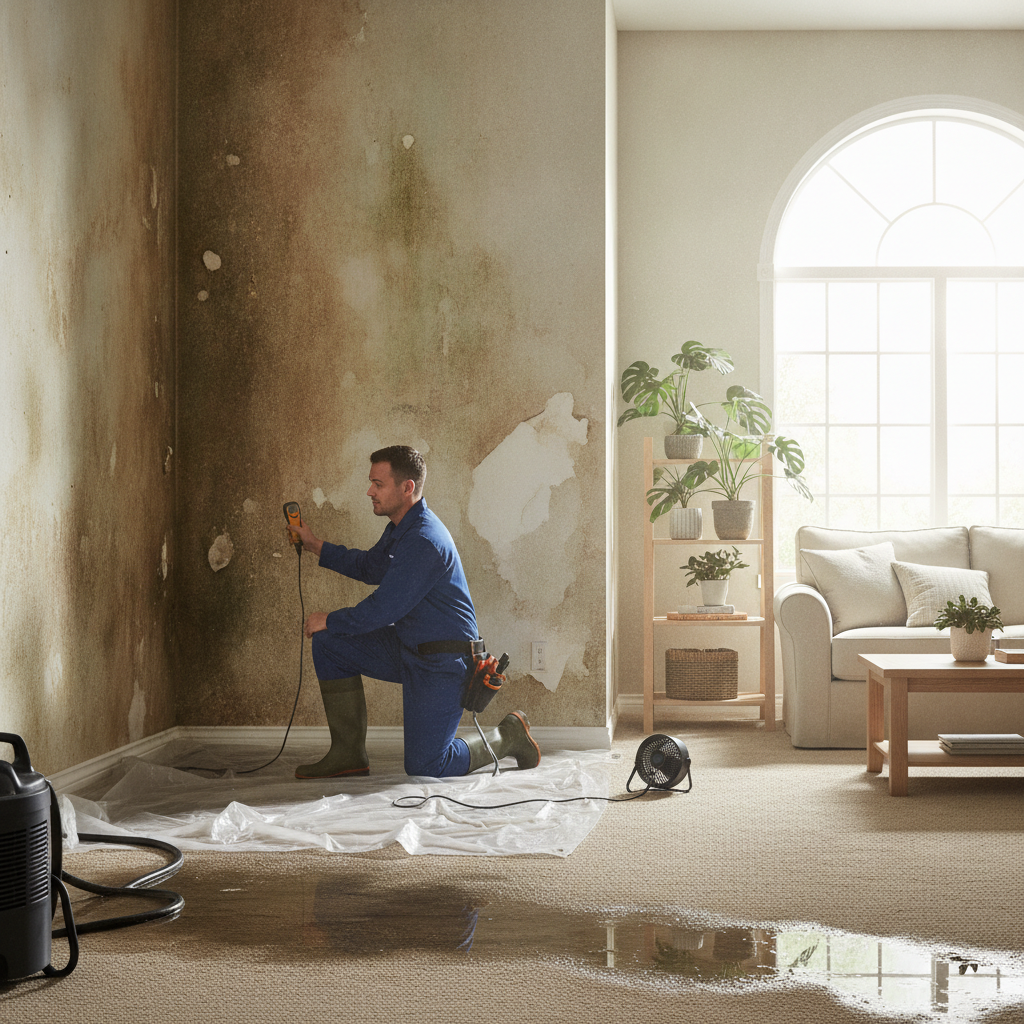
Pay special attention to hidden spaces, including behind walls, under flooring, and inside cabinets. Moisture meters and thermal imaging tools (often used by professionals) can help detect water that isn’t immediately visible. Early identification of affected areas is crucial for effective drying and to prevent secondary issues like mold growth. If you suspect the damage is more extensive than it appears, do not hesitate to call in restoration experts. For more detailed guidance on identifying hidden risks, see How to Spot Secondary Water Damage Before It Spreads in Bloomfield Hills Homes.
- Inspect all levels of the property, including basements and crawl spaces.
- Look for signs of water behind baseboards and under furniture.
- Check for musty odors, which can indicate hidden moisture.
A thorough assessment sets the stage for a successful restoration, helping you prioritize areas for immediate attention and communicate effectively with your insurance provider and restoration team.
Starting the Water Removal Process Quickly
Time is of the essence when it comes to water removal. The longer water sits, the more damage it can cause to building materials, furnishings, and even structural components. Begin by removing standing water using mops, towels, or wet/dry vacuums if the area is small and safe to access. For larger volumes or contaminated water, professional extraction is highly recommended.
Once standing water is gone, focus on drying out the affected areas. Open windows and doors to increase airflow, and use fans or dehumidifiers to accelerate drying. Remove soaked rugs, furniture, and other items to prevent further saturation. If carpets or upholstery are involved, professional cleaning may be necessary to prevent mold and odors.
- Prioritize water removal in areas with electronics or sensitive materials.
- Avoid using household vacuums for water extraction, as they are not designed for wet conditions.
- Dispose of items that cannot be salvaged, such as heavily contaminated materials.
Acting quickly can prevent costly repairs and reduce downtime for businesses. To understand the importance of rapid response, read Why Fast Water Extraction Matters After a Flood in Bloomfield Hills.
Protecting Valuable Items and Documents
After the initial water removal, your next focus should be on salvaging important belongings. For business owners, this may include computers, records, and inventory. Homeowners should prioritize family heirlooms, photographs, and essential documents. Begin by relocating items from wet areas to a dry, safe location. If possible, lay out papers and photos to air dry, and avoid stacking damp items, as this can encourage mold growth.
- Use plastic bins or waterproof containers for temporary storage.
- For electronics, remove batteries and unplug devices before moving them.
- Consider professional restoration for irreplaceable items, such as artwork or antique documents.
Remember that some items, like books and papers, may be salvaged with freeze-drying or specialized techniques. If you are unsure about the best approach, consult a restoration expert who can advise on recovery options for valuable possessions. Acting quickly not only preserves your assets but also gives you peace of mind during a stressful time.
Preventing Mold Growth in Damp Environments
One of the most significant risks after water damage is the rapid growth of mold. Mold spores can begin to develop within 24 to 48 hours in moist conditions, posing health risks and complicating restoration efforts. To minimize this threat, focus on thorough drying and humidity control.
- Keep humidity levels below 60% using dehumidifiers.
- Remove wet materials, such as carpets and insulation, that cannot be dried quickly.
- Clean surfaces with antimicrobial solutions to inhibit mold growth.
Monitor the affected areas for signs of mold, including musty odors, discoloration, or fuzzy growth on surfaces. If mold is detected, professional remediation is often necessary to ensure complete removal and prevent recurrence. Early intervention is key to keeping your property safe and healthy.
Coordinating With Your Insurance Provider
Dealing with insurance can be one of the most daunting aspects of water damage recovery. Start by contacting your provider as soon as possible to report the incident. Provide detailed documentation, including photos, videos, and a written inventory of damaged items. Keep records of all communications and expenses related to the cleanup and restoration.
- Ask your insurer about coverage for emergency mitigation and restoration services.
- Understand your policy’s exclusions and limitations, especially regarding flood or sewage backup.
- Request a claims adjuster visit to assess the damage in person.
Prompt communication with your insurance company can help expedite your claim and ensure you receive the support you need. If you have questions about the process, restoration professionals can often assist with documentation and advocacy on your behalf.
Choosing the Right Restoration Professionals
Selecting a qualified restoration team is crucial for a successful recovery. Look for companies with experience in water damage restoration, proper certifications, and a strong local reputation. Ask about their response times, equipment, and approach to both visible and hidden damage. A reputable company will provide a clear plan, transparent pricing, and ongoing communication throughout the process.
- Check for certifications from industry organizations.
- Request references or reviews from previous clients.
- Ensure the company is insured and bonded.
Choosing the right professionals not only speeds up recovery but also ensures the job is done safely and thoroughly. Don’t hesitate to ask questions and compare options before making your decision.
Understanding the Water Damage Restoration Timeline
Knowing what to expect during the restoration process can help you plan and reduce anxiety. While every situation is unique, most water damage restoration follows a similar timeline. Here’s a general overview of the steps involved:
| Stage | Typical Timeframe | Key Actions |
|---|---|---|
| Emergency Response | 0-2 hours | Safety assessment, stop water source, initial documentation |
| Water Extraction | 2-6 hours | Remove standing water, protect valuables |
| Drying & Dehumidification | 1-3 days | Air movement, humidity control, monitor moisture |
| Cleaning & Sanitizing | 1-2 days | Disinfect surfaces, remove debris, odor control |
| Restoration & Repairs | Varies | Replace materials, structural repairs, final inspection |
Understanding this timeline helps set realistic expectations and allows you to coordinate with staff, tenants, or family members. Stay in touch with your restoration team for updates and adjust your plans as needed.
Minimizing Business Disruption and Downtime
For business owners and property managers, water damage can mean lost revenue and operational setbacks. The key to minimizing downtime is to act quickly and have a response plan in place. Designate a team member to coordinate with restoration professionals and communicate with employees or tenants. Set up temporary workspaces or relocate essential operations if necessary.
- Back up important digital files and secure critical inventory.
- Inform customers or clients about any changes to business hours or services.
- Work with your restoration company to prioritize areas that impact business continuity.
Having a clear plan reduces confusion and helps your business bounce back faster. Review your emergency procedures regularly and update them based on lessons learned from any incidents.
Long-Term Prevention Strategies for Water Damage
While immediate response is essential, preventing future water damage is equally important. Regular maintenance and proactive upgrades can protect your property from recurring issues. Inspect plumbing, roofing, and drainage systems at least twice a year. Install water leak detectors and consider upgrading to smart monitoring systems that alert you to problems early.
- Seal cracks in foundations and exterior walls to keep moisture out.
- Ensure gutters and downspouts are clear and direct water away from the building.
- Educate staff or family members on emergency shut-off procedures.
By investing in prevention, you can reduce the risk of future incidents and save on costly repairs. Work with local professionals to assess your property’s vulnerabilities and implement tailored solutions for lasting peace of mind.
Final Thoughts
The first 24 hours after water damage are a critical window for protecting your property and minimizing long-term impacts. By acting quickly, prioritizing safety, and following a clear plan, you can limit the extent of damage and set the stage for a successful restoration. Remember to document everything, communicate with your insurance provider, and work with experienced professionals who understand the unique needs of this community. Whether you are a business owner, developer, or resident, being prepared and informed makes all the difference when water emergencies arise. Take these steps to heart, and you’ll be ready to face water damage challenges with confidence and resilience.